32% OFF

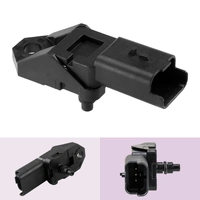
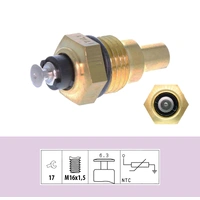
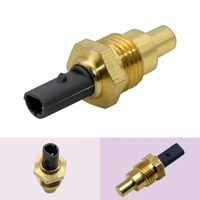
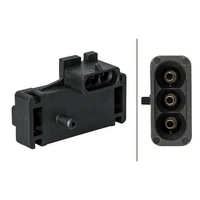
Camshaft Crankshaft & Coolant Sensor Kit for Holden V6 3800 Ecotec
Part #: SCSCA04_CSCA81_CTS147
$129.97 RRP $189.96
Save $59.99
Shop OEM replacement sensors and switches for Toyota, Holden, Ford, Mitsubishi, Nissan, Hyundai, Kia, BMW, Mazda and more. Every part matched to OEM specifications. Use the Vehicle Part Finder to confirm fitment.
Camshaft Crankshaft & Coolant Sensor Kit for Holden V6 3800 Ecotec
Part #: SCSCA04_CSCA81_CTS147
$129.97 RRP $189.96
$45.45 RRP $79.97
$36.28 RRP $88.99
Coolant Temperature Sensor for Subaru Forester SG SH SJ
Part #: SCCS90
$59.99 RRP $136.99
$59.45 RRP $84.99
Crank Angle Sensor for Toyota Hilux LN KZN Surf 1KZ-TE 5L
Part #: SCSCA150
$98.97 RRP $159.99
$64.97 RRP $124.99
$71.97 RRP $137.97
$37.97 RRP $78.99
$29.45 RRP $51.00
$37.97 RRP $78.99
Throttle Position Sensor for Toyota Hilux RZN VZN1 3RZ-FE
Part #: SCTPS192
$119.95 RRP $193.95
$69.97 RRP $128.99
$59.97 RRP $121.99
$59.97 RRP $121.99
$149.00 RRP $290.00
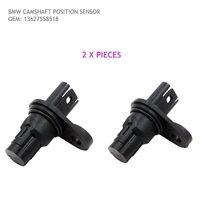
2 Pack Camshaft Position Sensor for BMW N46 N52 N54 N55 N20 Intake Exhaust
Part #: SCSCA391-2PACK
$233.68 RRP $349.00
2 x MAP Sensor for Rolls-Royce Phantom VII RR1 RR2 RR3 V12 N73 13628657300
Part #: SCMS288-2PACK
$797.99 RRP $1,200.00
$79.99 RRP $135.99
$179.99 RRP $235.99
$179.99 RRP $235.99
$79.99 RRP $135.99
$79.99 RRP $135.99
$79.99 RRP $135.99
Your vehicle relies on dozens of sensors and switches to monitor everything from oil pressure and coolant temperature to wheel speed and throttle position. When one fails, the ECU cannot manage the engine or safety systems correctly - and the symptoms range from a warning light to a full breakdown. SensorGal stocks aftermarket OEM replacement sensors and switches covering oil pressure, coolant temperature, ABS wheel speed, throttle position, knock, camshaft, crankshaft, exhaust gas temperature, and more. All parts are cross-referenced to OEM specifications for a direct plug-in fit. Orders placed before 12 noon are dispatched same day from our Cranbourne VIC warehouse. All parts carry a 1-Year Australian warranty.
The ABS wheel speed sensor monitors the rotational speed of each wheel and sends this data to the ABS control module. The module uses speed data from all four wheels to detect when a wheel is locking up during braking and rapidly modulates brake pressure to restore rolling traction and maintain steering control. Wheel speed sensors also provide data to traction control, stability control, and cruise control systems - making them among the most safety-critical sensors on the vehicle.
Common symptoms include the ABS warning light on the dashboard, traction control or stability control warning lights, ABS activating during normal braking on dry roads as the module receives incorrect speed data, the speedometer reading incorrectly or not at all on some vehicles, and cruise control not engaging. Fault codes stored in the ABS module will identify which wheel position has the faulty sensor.
You can drive but with caution - the standard braking system will continue to work normally without ABS. However in an emergency stop on a slippery surface, the wheels may lock and you will lose steering control without ABS assistance. Traction control and stability control will also be disabled on most vehicles when the ABS warning light is on. Replace the faulty sensor as soon as possible to restore full braking system function.
An OBD2 scanner with ABS module access will display fault codes specifying the exact wheel position - left front, right front, left rear, or right rear. Without a scanner you can sometimes identify a faulty sensor by inspecting the sensor and reluctor ring (the toothed ring the sensor reads) for damage, corrosion, or debris. The sensor air gap can also be checked with a feeler gauge on passive inductive sensors.
A passive (inductive) sensor generates its own voltage signal by detecting changes in a magnetic field as the toothed reluctor ring passes it. It has two wires and requires no power supply. An active (Hall effect) sensor requires a power supply and produces a digital on/off square wave signal. Active sensors are more accurate at low speeds and are used on most vehicles from the 2000s onward. The two types are not interchangeable - use the Vehicle Part Finder to confirm the correct sensor type for your vehicle.
Yes. The reluctor ring is the toothed ring that the ABS sensor reads - typically pressed onto the wheel hub, CV shaft, or brake disc. If the ring is cracked, has missing teeth, or is heavily corroded, it will produce an inconsistent signal that the ABS module interprets as a wheel speed fault. The fault code may point to the sensor but the actual cause is the reluctor ring. Always inspect the reluctor ring when diagnosing ABS wheel speed sensor faults.