42% OFF
$847.97 RRP $1,467.99
Save $620.02
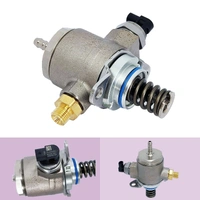
Shop OEM replacement fuel pumps for Toyota, Holden, Ford, Mitsubishi, Nissan, Hyundai and more. Engineered to OEM pressure and flow specs for reliable fuel delivery. Use the Vehicle Part Finder to confirm the right pump for your vehicle.
$847.97 RRP $1,467.99
$369.97 RRP $764.97
$369.97 RRP $764.97
The fuel pump transfers fuel from the tank to the engine at a precisely controlled pressure. Most modern vehicles use an electric in-tank fuel pump submerged in the fuel tank, which keeps the pump cool and reduces noise. The pump must maintain consistent fuel pressure under all driving conditions - from cold starts through to full-throttle acceleration - for the fuel injectors to operate correctly and deliver the right amount of fuel to each cylinder.
A failing fuel pump rarely fails without warning. Common symptoms include:
Ignoring a failing pump puts strain on your fuel injectors and can cause lean-running conditions that damage engine internals. Replacing the pump early is always cheaper than the downstream repairs.
Fuel pumps are highly specific to vehicle application. Flow rate, operating pressure, connector type, sender unit configuration, and physical dimensions all vary between makes and models. Running a pump with incorrect pressure will either starve the engine of fuel or flood the injectors. Every pump in our range is matched to OEM pressure and flow specifications and cross-referenced against factory part numbers for a direct fit. Use the Vehicle Part Finder to confirm compatibility before ordering.
SensorGal is a 100% Australian owned family business supplying aftermarket OEM replacement fuel pumps for Toyota, Holden, Ford, Mitsubishi, Nissan, Hyundai, Kia, BMW, Mazda, Subaru, Mercedes-Benz and Suzuki. Orders placed before 12 noon are dispatched same day from our Cranbourne VIC warehouse via express post. All parts carry a 1-Year Australian warranty and our no-fuss returns policy.
Early signs include a whining or buzzing noise from the fuel tank, difficulty starting especially when the engine is hot, engine stalling under load or at high speed, and loss of power when climbing hills or towing. An OBD2 scanner showing lean fuel trim codes or low fuel pressure readings confirms pump output is below specification. Do not ignore these symptoms - a pump that fails completely will leave the vehicle stranded.
Short distances only and with caution. A weakening fuel pump may still run the engine at idle and low load but will not deliver sufficient pressure under acceleration or at highway speeds. Continuing to drive risks the pump failing completely, which can cause a sudden stall at speed. Replace the pump as soon as the symptoms appear.
Fuel injectors typically last 100,000 to 150,000 km under normal operating conditions with clean fuel. Contaminated fuel, infrequent servicing, and extended idling accelerate wear. Signs that injectors need attention include rough idle, misfires on specific cylinders, increased fuel consumption, and fuel smell from the engine bay. Professional ultrasonic cleaning can extend injector life if the body and solenoid are still serviceable.
Symptoms include hard starting, stalling, poor fuel economy, hesitation under load, and fault codes P0190-P0194. Some vehicles will enter limp mode if fuel rail pressure cannot be confirmed by the ECU.
A fuel pressure sensor monitors and reports fuel rail pressure to the ECU. A fuel pressure regulator controls and maintains fuel pressure at the correct level. They work together - a faulty sensor gives incorrect readings while a faulty regulator causes actual pressure problems.
Common causes include contaminated fuel, carbon buildup on the injector tip, worn internal seals, and general wear over high mileage. Symptoms of a failing injector include rough idle, misfires on one cylinder, fuel smell, and poor fuel economy.