37% OFF

$135.99 RRP $215.00
Save $79.01
Shop OEM replacement exhaust back pressure sensors for Toyota, Holden, Ford, Mitsubishi, Nissan and more. Matched to OEM specifications for correct exhaust pressure monitoring. Use the Vehicle Part Finder to confirm fitment.
$135.99 RRP $215.00
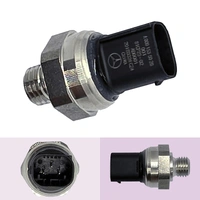
Exhaust Back Pressure Sensor for Jeep Grand Cherokee WK WH 3.0L CRD Diesel
SKU: DEPS1051-Jeep
$119.95 RRP $234.99
$119.95 RRP $234.99
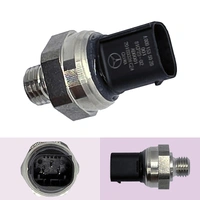
Exhaust Back Pressure Sensor for Mercedes Benz Sprinter Van OM642 Diesel
SKU: DEPS1051-Sprinter
$119.90 RRP $234.99
The exhaust back pressure (EBP) sensor monitors the pressure in the exhaust system, typically upstream of the diesel particulate filter (DPF) or in the EGR system. The ECU uses this data to determine when the DPF needs to regenerate, control EGR flow rates, and protect the turbocharger from excessive backpressure. The sensor is critical for diesel emission control systems and turbo protection on modern diesel engines.
A faulty EBP sensor sends incorrect pressure data to the ECU, triggering a range of drivability and emission issues. Common symptoms include:
Exhaust back pressure sensors vary in pressure range, connector type, and mounting location between diesel applications. Fitting an incorrect sensor will produce inaccurate pressure readings and may prevent DPF regeneration or trigger false limp mode. Every sensor in our range is cross-referenced against OEM part numbers. Use the Vehicle Part Finder to confirm the correct part for your vehicle.
SensorGal is a 100% Australian owned family business stocking aftermarket OEM replacement exhaust back pressure sensors for Toyota, Holden, Ford, Mitsubishi, Nissan, Hyundai and more. Orders placed before 12 noon are dispatched same day from our Cranbourne VIC warehouse via express post. All parts carry a 1-Year Australian warranty and our no-fuss returns policy.
The exhaust back pressure (EBP) sensor monitors the pressure in the exhaust system, typically upstream of the diesel particulate filter (DPF) or within the EGR system. The ECU uses this pressure data to determine when the DPF needs to regenerate, control EGR flow rates, and protect the turbocharger from excessive backpressure. It is particularly important on modern diesel engines where DPF management is critical to emissions compliance.
Common symptoms include a DPF warning light on the dashboard, the engine entering limp mode with reduced power output, loss of power under acceleration, increased fuel consumption, excessive black smoke from the exhaust, and a Check Engine light with exhaust pressure or DPF fault codes. On some vehicles a faulty EBP sensor can also prevent the EGR valve from operating correctly, causing additional fault codes and rough running.
The EBP sensor is primarily fitted to diesel engines where DPF monitoring is required. Some petrol engines with exhaust emission control systems may also use exhaust pressure sensors, but the application is far more common in diesel vehicles. If your vehicle is a petrol engine and you have an exhaust pressure related fault code, check the service documentation to identify the specific sensor fitted.
Yes. If the ECU reads an exhaust pressure that is outside its expected range - either too high or too low - it may enter limp mode as a precaution to protect the DPF, turbocharger, and engine. A faulty sensor sending incorrect data can trigger limp mode even when the actual exhaust pressure is within normal limits. Replacing the sensor and clearing fault codes typically restores normal operation if the sensor was the cause.
With an OBD2 scanner in live data mode, the exhaust back pressure reading should increase progressively as engine load increases and should be close to atmospheric pressure at idle with a clean DPF. A sensor that reads a fixed value regardless of engine load, or reads significantly above atmospheric at idle, is likely faulty. You can also test the sensor supply voltage and signal voltage with a multimeter at the sensor connector - refer to your vehicle workshop manual for specifications.
No. The EBP sensor monitors DPF condition - it does not affect the DPF itself. If the DPF is physically blocked with soot, replacing the sensor will not resolve the blockage. However a faulty EBP sensor can prevent the ECU from triggering DPF regeneration correctly, which over time can accelerate soot accumulation. If both a blocked DPF and a faulty sensor are present, the DPF must be regenerated or replaced in addition to fitting a new sensor.