46% OFF
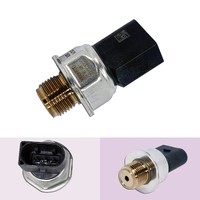
Fuel RAIL Pressure Sensor for Great Wall GWM H6 Steed Ute V200 X200 GW4D20
SKU: RPS115-GreatWall
$139.97 RRP $257.99
Save $118.02
Shop OEM replacement fuel system parts including injectors, pumps, pressure regulators, rail sensors and suction control valves for Toyota, Holden, Ford, Mitsubishi, Nissan and more. Use the Vehicle Part Finder to confirm fitment.
Fuel RAIL Pressure Sensor for Great Wall GWM H6 Steed Ute V200 X200 GW4D20
SKU: RPS115-GreatWall
$139.97 RRP $257.99
$63.05 RRP $98.00
Suction Control Valve for Nissan Navara D22 D40 Pathfinder R51 YD25DDTI
SKU: VSC100-Nissan
$169.97 RRP $302.00
*OEM Quality* Fuel Pressure Sensor for Hyundai Santa Fe G4KJ 353402G710
SKU: RPS119-353402G710
$261.00 RRP $536.00
35342-2E500 Fuel RAIL Pressure Sensor for Hyundai i30 Santa-Fe Kia Sportage
SKU: RPS131-353422E500
$239.97 RRP $400.00
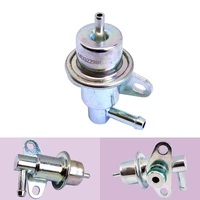
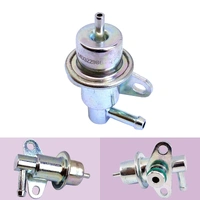
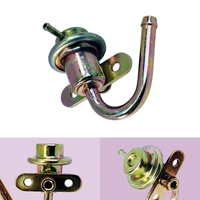
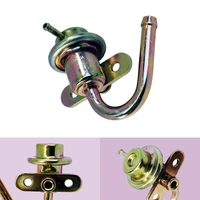
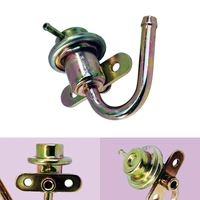
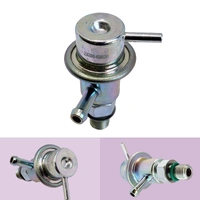
4 Bar Fuel Pressure Regulator for Audi A4 A6 A8 TT & Allroad 1.8T 2.7T V6
SKU: 0280160507-Audi
$67.45 RRP $107.00
4 Bar Fuel Pressure Regulator for Bentley Continental GT GTC & Flying Spur W12
SKU: 0280160507-Bentley
$67.45 RRP $107.00
$63.05 RRP $98.00
4 Bar Fuel Pressure Regulator for Volkswagen Golf R32 Passat V6 Bora & V5
SKU: 0280160507-VW
$67.45 RRP $107.00
4 Bar Fuel Pressure Regulator for Volkswagen Transporter & Multivan T5 V6
SKU: 0280160507-Transporter
$67.45 RRP $107.00
$67.45 RRP $107.00
$85.99 RRP $169.00
$63.05 RRP $120.00
$74.97 RRP $120.00
$169.99 RRP $310.90
$169.99 RRP $310.90
$169.99 RRP $310.90
$169.99 RRP $310.90
$159.78 RRP $311.97
$159.78 RRP $311.97
$159.78 RRP $311.97
$165.00 RRP $370.00
$119.97 RRP $219.00
The fuel system delivers the right amount of fuel at the right pressure for every driving condition - from a cold start to full-throttle acceleration. When any component fails, the engine cannot run correctly. SensorGal stocks aftermarket OEM replacement fuel system parts including injectors, fuel pumps, pressure regulators, fuel rail pressure sensors, and suction control valves (SCV) for diesel common rail engines. Orders placed before 12 noon are dispatched same day from our Cranbourne VIC warehouse. All parts carry a 1-Year Australian warranty.
A fuel injector is an electronically controlled valve that sprays a precisely metered amount of fuel directly into the engine intake port or combustion chamber. The ECU controls the injector opening time, known as pulse width, to deliver the exact fuel quantity needed for the current engine load, speed, and temperature. Each cylinder has its own injector and they fire in sequence with the cylinder intake stroke.
Symptoms vary depending on whether the injector is clogged, leaking, or electrically failed. Common signs include engine misfire on one or more cylinders, rough idle particularly when the engine is warm, increased fuel consumption, fuel smell from the engine bay, hard starting, and a Check Engine light with injector circuit codes P0200 to P0209 or misfire codes P0300 to P0312.
Professional ultrasonic cleaning can restore flow and spray pattern on clogged injectors, and is worth attempting before replacement on high-value injectors. DIY injector cleaner additives in the fuel tank provide limited benefit and will not restore a significantly blocked injector. Injectors with cracked bodies, worn solenoids, or damaged O-rings cannot be restored by cleaning and require replacement.
An OBD2 scanner will show misfire codes for specific cylinders - for example P0301 indicates a misfire on cylinder 1. You can confirm the faulty injector by swapping it with a known good injector from another cylinder and checking if the misfire code follows the injector. A mechanic can also perform a fuel injector balance test using a scan tool to compare flow rates across all injectors.
Not always - if one injector has failed due to a specific cause such as contaminated fuel or a wiring fault, replacing only the faulty injector is reasonable. However if the injectors are high mileage and one has failed due to wear, the others are likely in similar condition. Replacing all injectors at the same time saves labour and reduces the risk of repeat failures on a vehicle you plan to keep long term.
Yes. A leaking injector that drips fuel into the cylinder when the engine is off causes fuel to wash oil from the cylinder walls, increasing wear on the piston rings and bore. A leaking injector that floods the cylinder can cause hydraulic lock - where liquid fuel prevents the piston from completing its stroke - which can bend or break connecting rods. A fuel smell from the engine bay at rest is a warning sign that should not be ignored.