59% OFF
$36.28 RRP $88.99
Save $52.71
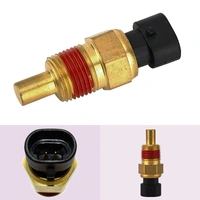
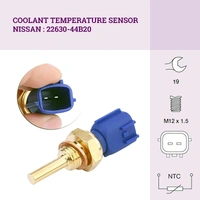
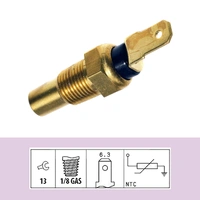
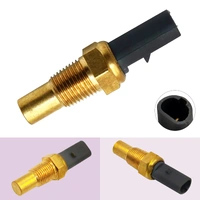
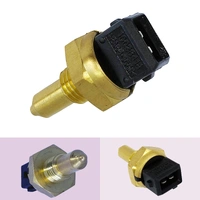
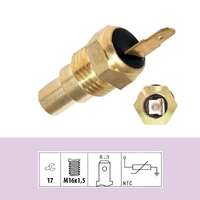
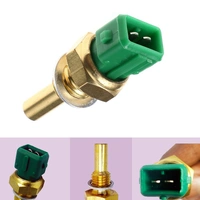
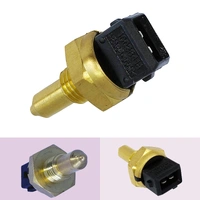
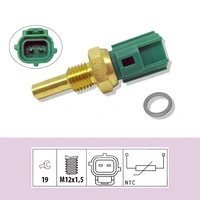
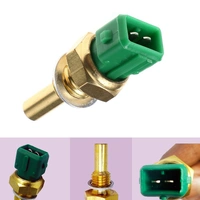
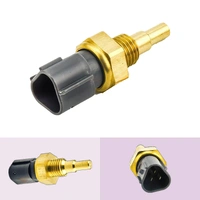
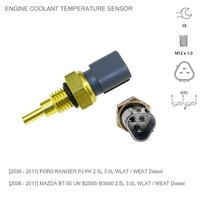
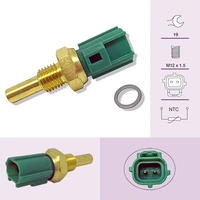
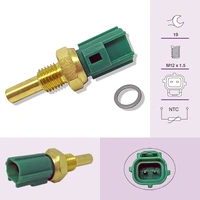
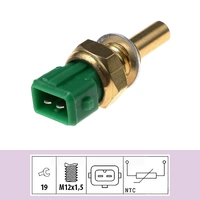
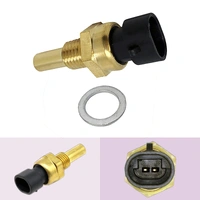
Shop OEM replacement coolant temperature sensors for Toyota, Holden, Ford, Mitsubishi, Nissan, Hyundai, Kia, BMW, Mazda and more. Matched to OEM specifications for accurate ECU temperature readings. Use the Vehicle Part Finder to confirm fitment.
$36.28 RRP $88.99
$32.99 RRP $59.00
$36.28 RRP $88.99
$43.95 RRP $78.00
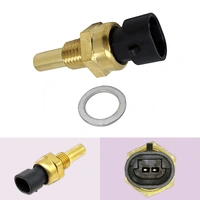
8342020040 Temperature Gauge Sensor for Lexus 1UZFE 2UZFE V8 LS400 LX470 UZJ100
SKU: CTS154-8342020040-1-2
$55.95 RRP $87.99
Camshaft Crankshaft & Coolant Sensor Kit for Holden V6 3800 Ecotec 10456161
SKU: CSCA04_CSCA81_CTS147
$129.97 RRP $189.96
$49.45 RRP $83.29
Coolant Sensor for Jeep Cherokee Compass Commander Renegade 5149077AA
SKU: CS884-CHEROKEE
$79.97 RRP $0.00
$42.79 RRP $69.97
$35.97 RRP $76.34
$49.45 RRP $83.29
$59.97 RRP $121.00
$35.97 RRP $76.34
$39.99 RRP $96.03
$47.99 RRP $126.03
$59.97 RRP $121.00
$59.97 RRP $121.00
$35.97 RRP $76.34
Coolant Temp Sensor for Holden Captiva CG 5 7 2.2L 2.4L 3.0L 3.2L
SKU: CCS31-Captiva
$48.99 RRP $88.75
$48.99 RRP $88.75
$48.99 RRP $88.75
$74.93 RRP $82.31
$74.93 RRP $82.31
The coolant temperature sensor (also known as the engine coolant temperature sensor or ECT sensor) measures the temperature of the coolant circulating through your engine and sends this data to the engine control unit (ECU). The ECU uses this information to adjust fuel delivery, ignition timing, idle speed, and cooling fan operation. It also drives the temperature gauge on your dashboard. Without accurate coolant temperature data, the ECU cannot manage the engine correctly - particularly during cold starts when the engine requires a richer fuel mixture to run smoothly.
A faulty coolant temperature sensor sends incorrect temperature readings to the ECU, causing a range of engine management problems. Common symptoms include:
A failed sensor can cause the ECU to assume the engine is always cold and continuously apply cold-start fuelling - significantly increasing fuel consumption and emissions over time.
Coolant temperature sensors vary in thread size, connector type, resistance values, and temperature range between makes, models, and engine variants. Fitting an incorrect sensor will produce inaccurate temperature readings and compromise engine management. Every sensor in our range is cross-referenced against OEM part numbers and matched to the correct resistance curve for your specific engine. With over 459 sensors in stock we cover one of the widest ranges available in Australia. Use the Vehicle Part Finder or filter by make and model to confirm the correct part for your vehicle.
SensorGal is a 100% Australian owned family business stocking aftermarket OEM replacement coolant temperature sensors for Toyota, Holden, Ford, Mitsubishi, Nissan, Hyundai, Kia, BMW, Mazda, Subaru, Mercedes-Benz and Suzuki. Orders placed before 12 noon are dispatched same day from our Cranbourne VIC warehouse via express post. All parts carry a 1-Year Australian warranty and our no-fuss returns policy.
The most common test is to measure the sensor resistance with a multimeter at a known coolant temperature and compare against the manufacturer resistance curve. A cold engine (20 degrees C) typically reads 2,000 to 3,000 ohms and drops to around 200 to 300 ohms at operating temperature (90 degrees C). An OBD2 scanner showing a fixed temperature reading that does not change as the engine warms up is also a strong indicator of sensor failure.
Indirectly yes. If the sensor reports a lower temperature than actual, the ECU may not activate the cooling fan at the correct time, allowing the engine to overheat. It can also suppress the dashboard warning light, meaning you may not be alerted until the engine is already at a dangerously high temperature. Replace a suspected faulty sensor promptly.
Not always - many coolant temperature sensors can be replaced quickly with minimal coolant loss if you work fast and have a replacement ready to thread in immediately. However on some vehicles the sensor location requires partial coolant drainage. Check the sensor position on your specific engine before starting. Always use fresh coolant when topping up after replacement.
Symptoms include poor fuel economy, black smoke, engine overheating warning, incorrect temperature gauge reading, hard starting when cold, and rough idle. Fault codes P0115 to P0119 are commonly associated with coolant temperature sensor faults.
A faulty coolant temperature sensor can cause the ECU to run rich fuel mixtures and prevent the cooling fan from operating correctly, risking engine overheating. Replace it promptly - it is a low-cost part that can prevent expensive engine damage.
A faulty thermostat typically causes the engine to overheat or never reach operating temperature. A faulty coolant temp sensor causes incorrect gauge readings and running issues but the coolant itself may be at the correct temperature. An OBD2 scanner showing live coolant temp data helps distinguish between the two.
Many vehicles have two sensors - one for the ECU (engine management) and one for the dashboard temperature gauge. They look similar but are not interchangeable. Check your vehicle's service manual or contact us with your vehicle details to confirm which sensor you need.