
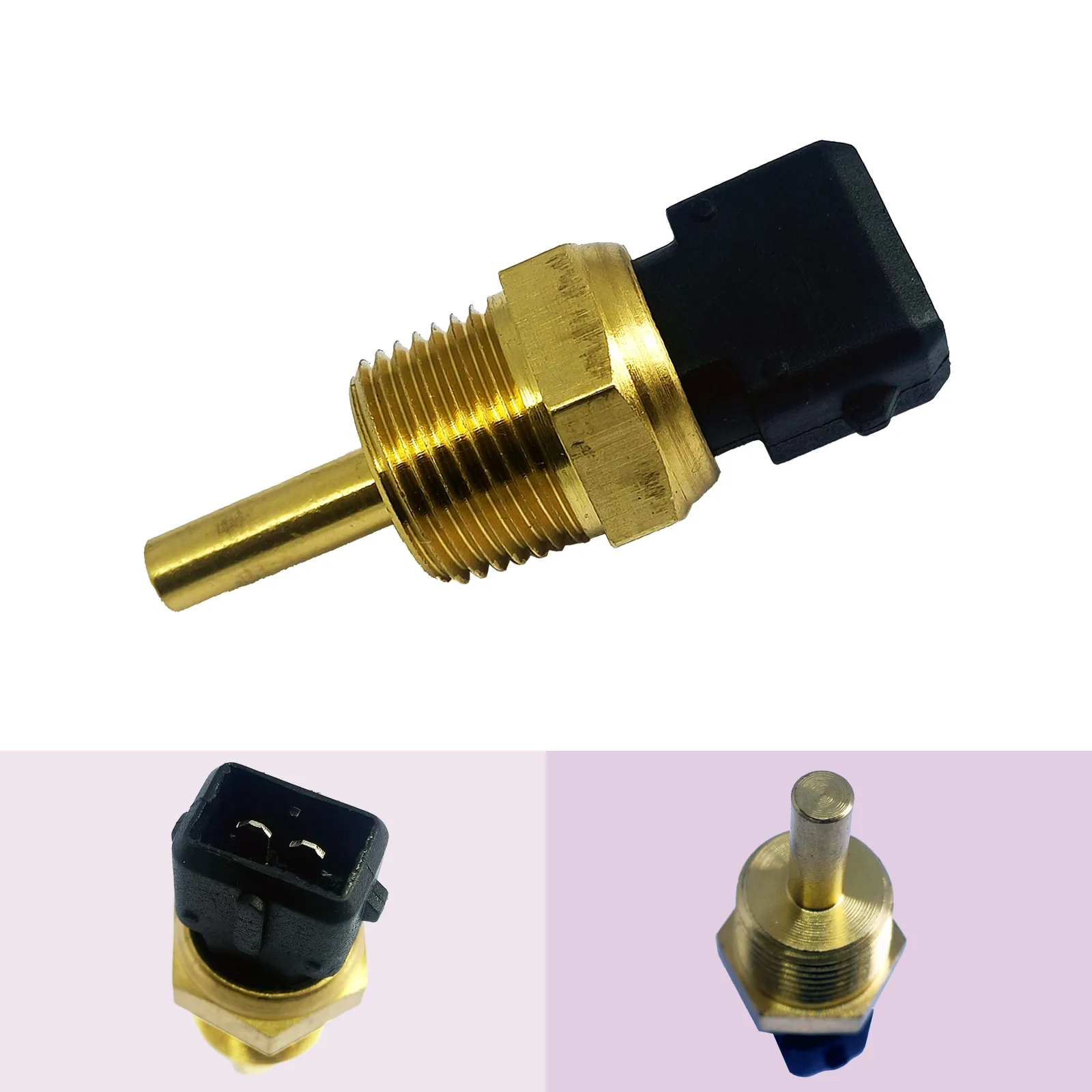
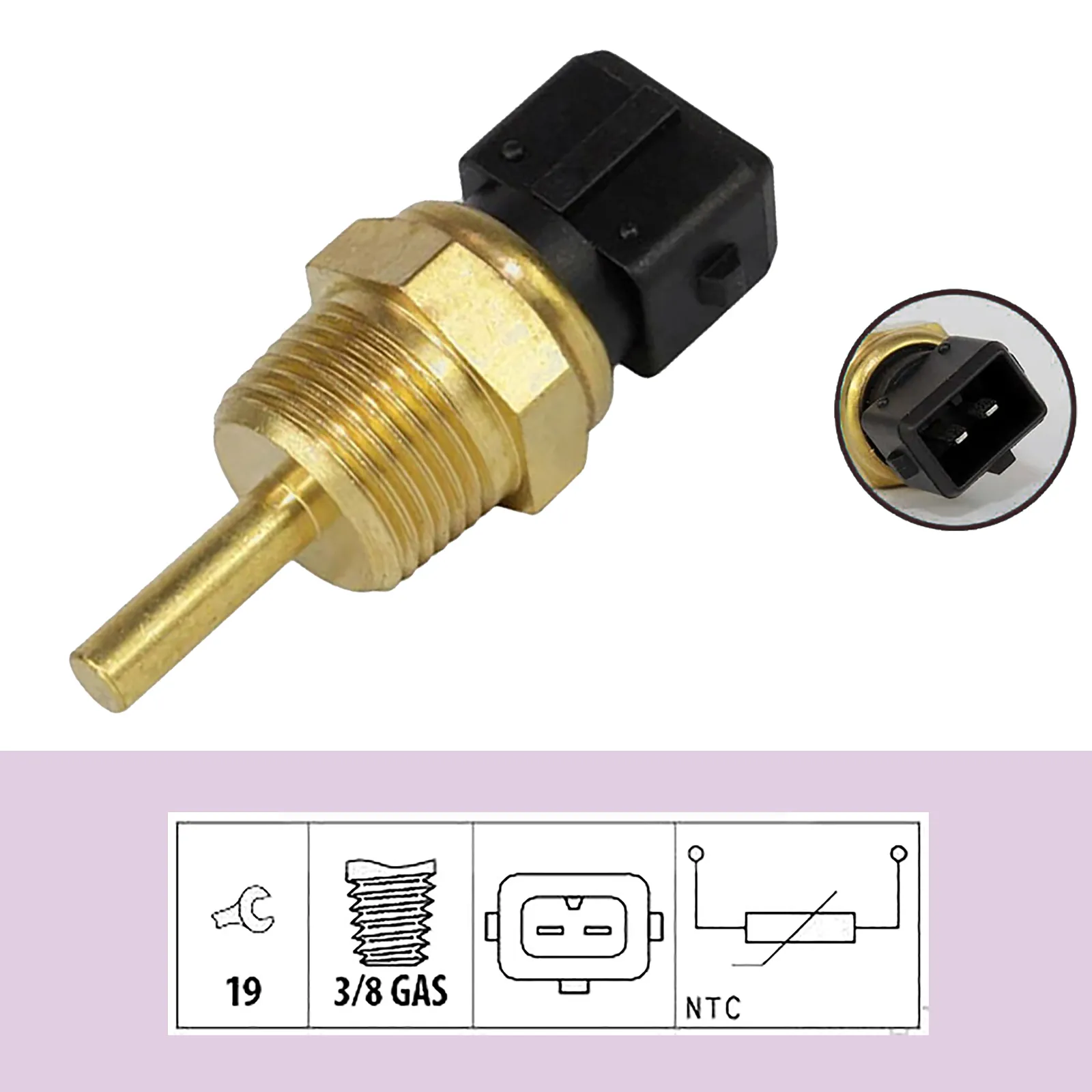
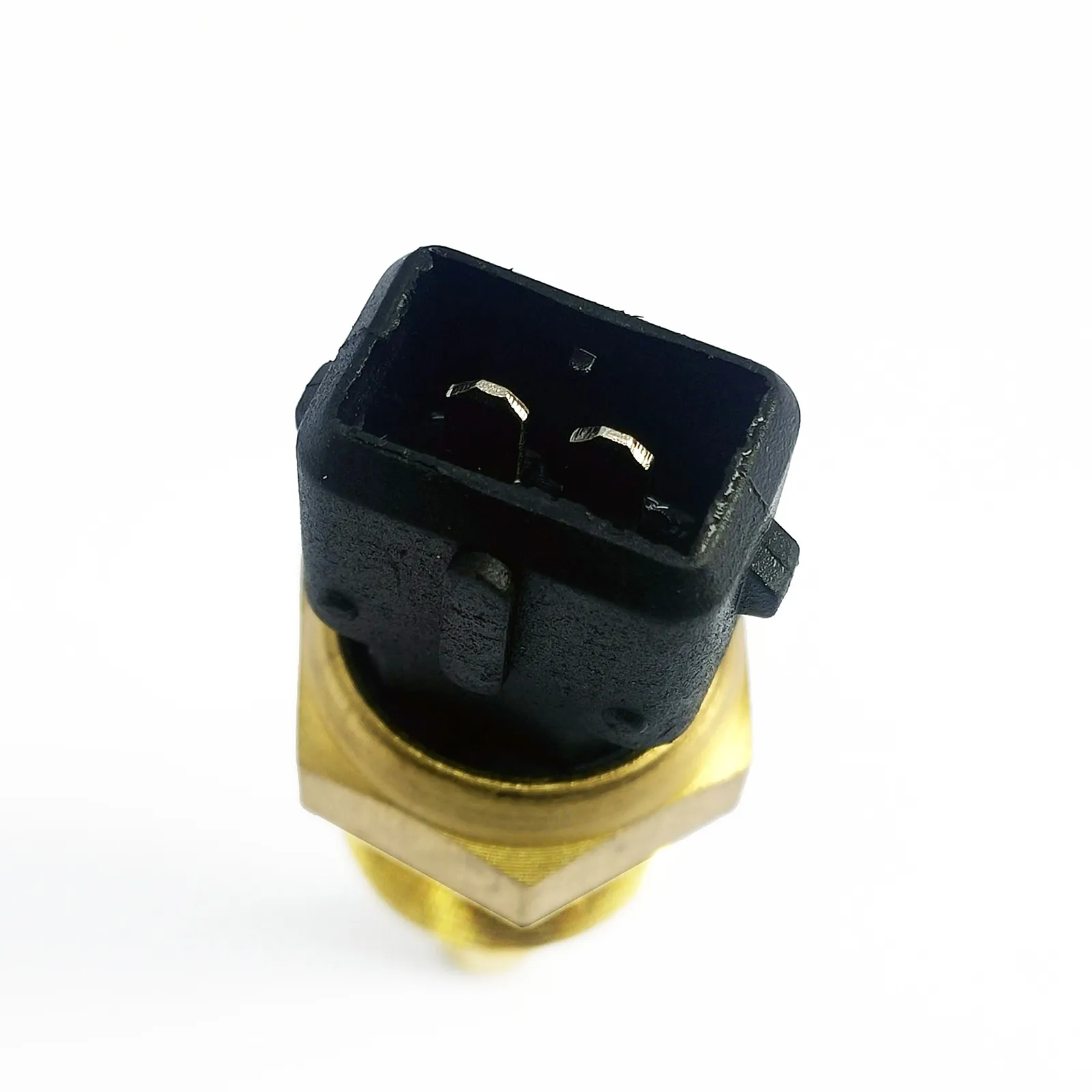
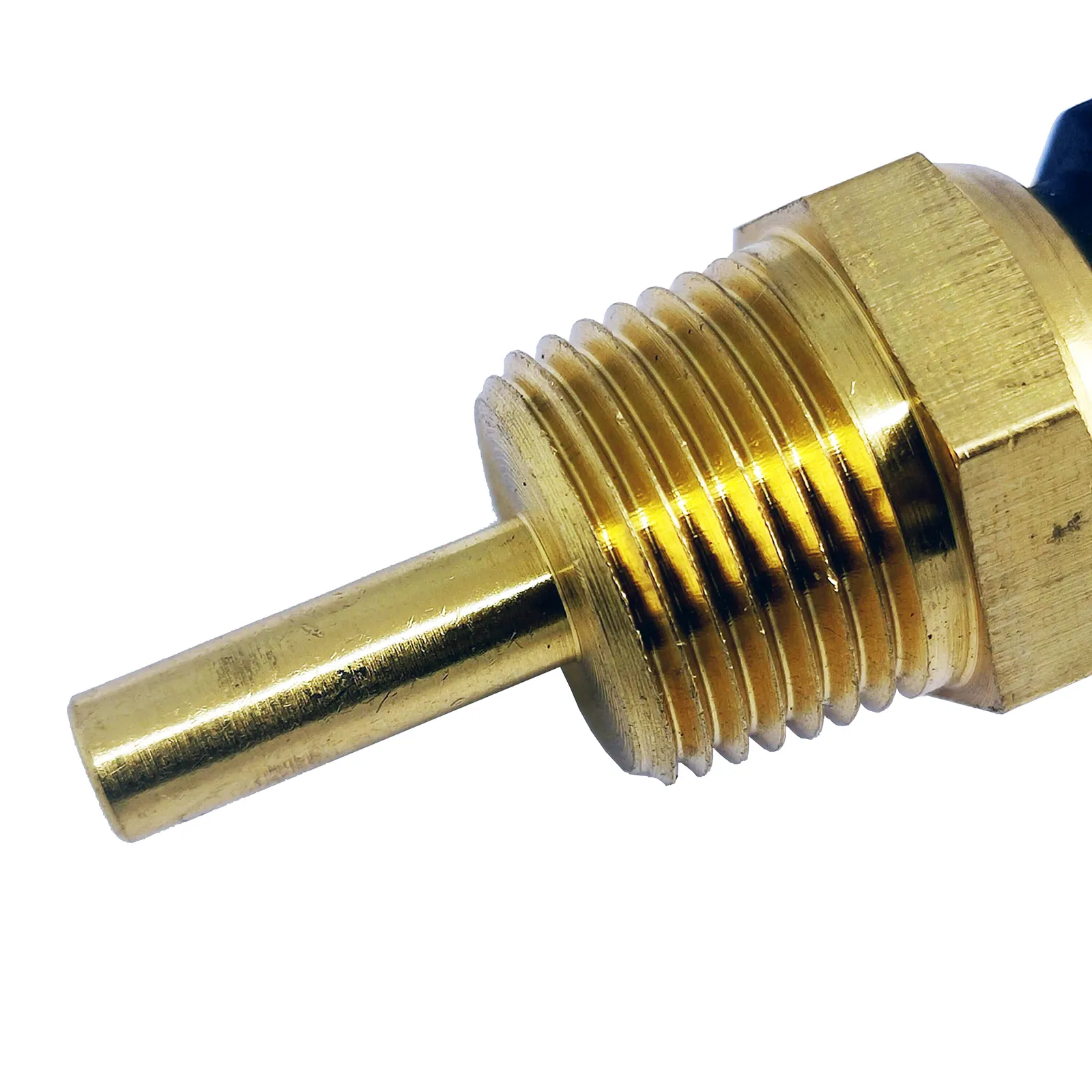
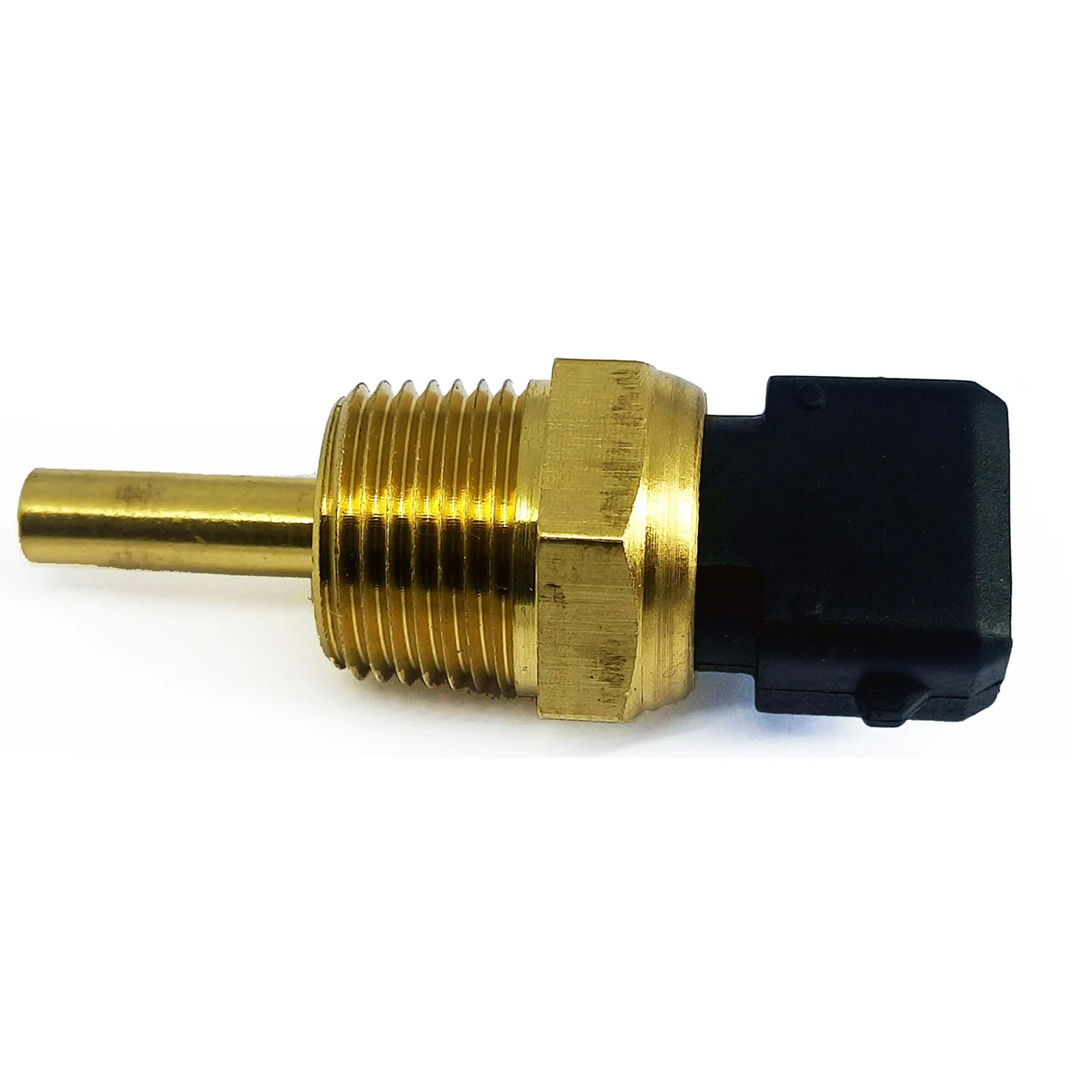
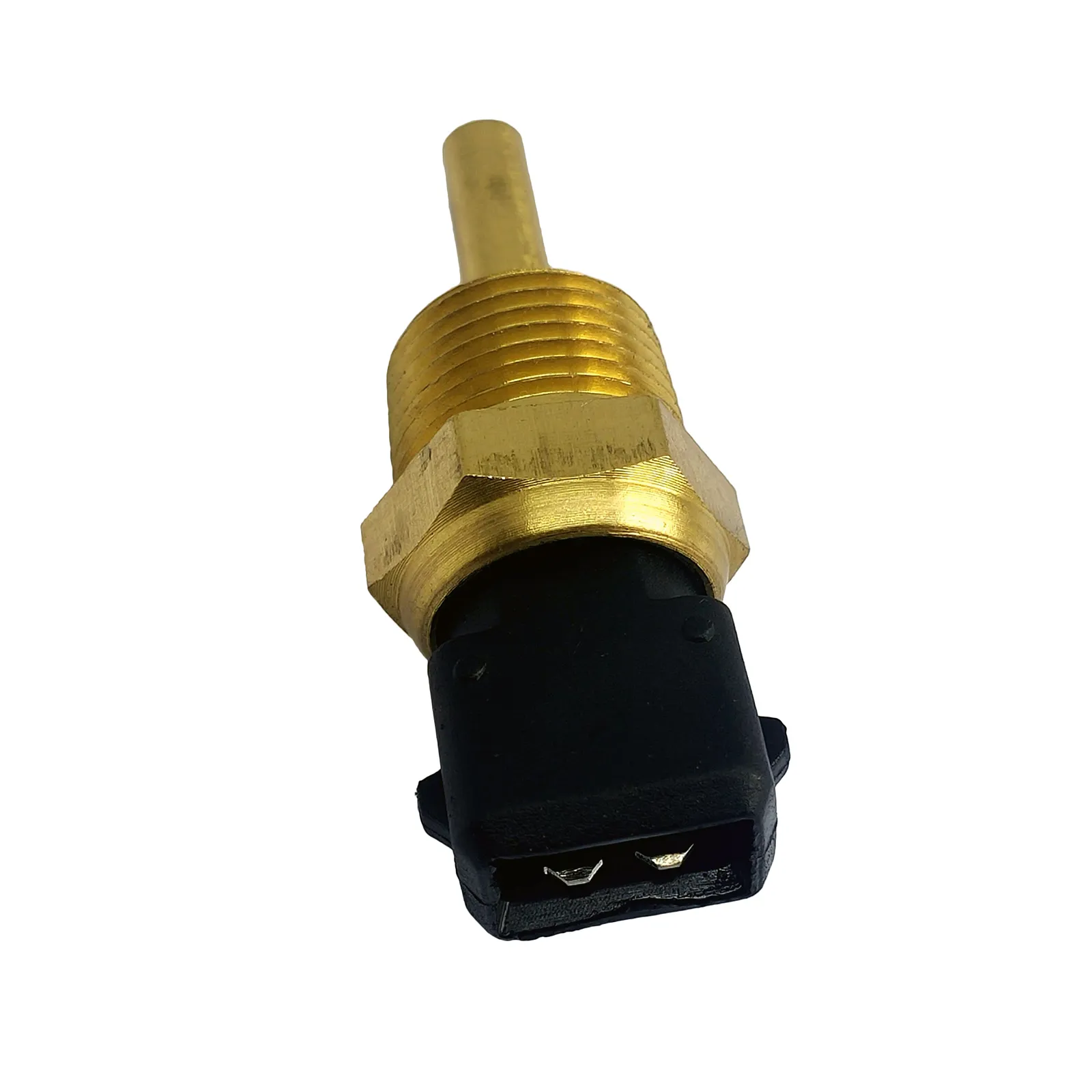
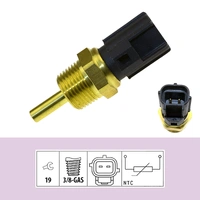
COOLANT TEMPERATURE SENSOR FOR HYUNDAI IMAX ILOAD TQ G4KG D4CB 2008-ON 2 PIN PLUG
BRAND NEW OEM Quality ENGINE COOLANT TEMPERATURE SENSOR TO SUIT VARIOUS HYUNDAI & KIA
TO SUIT:
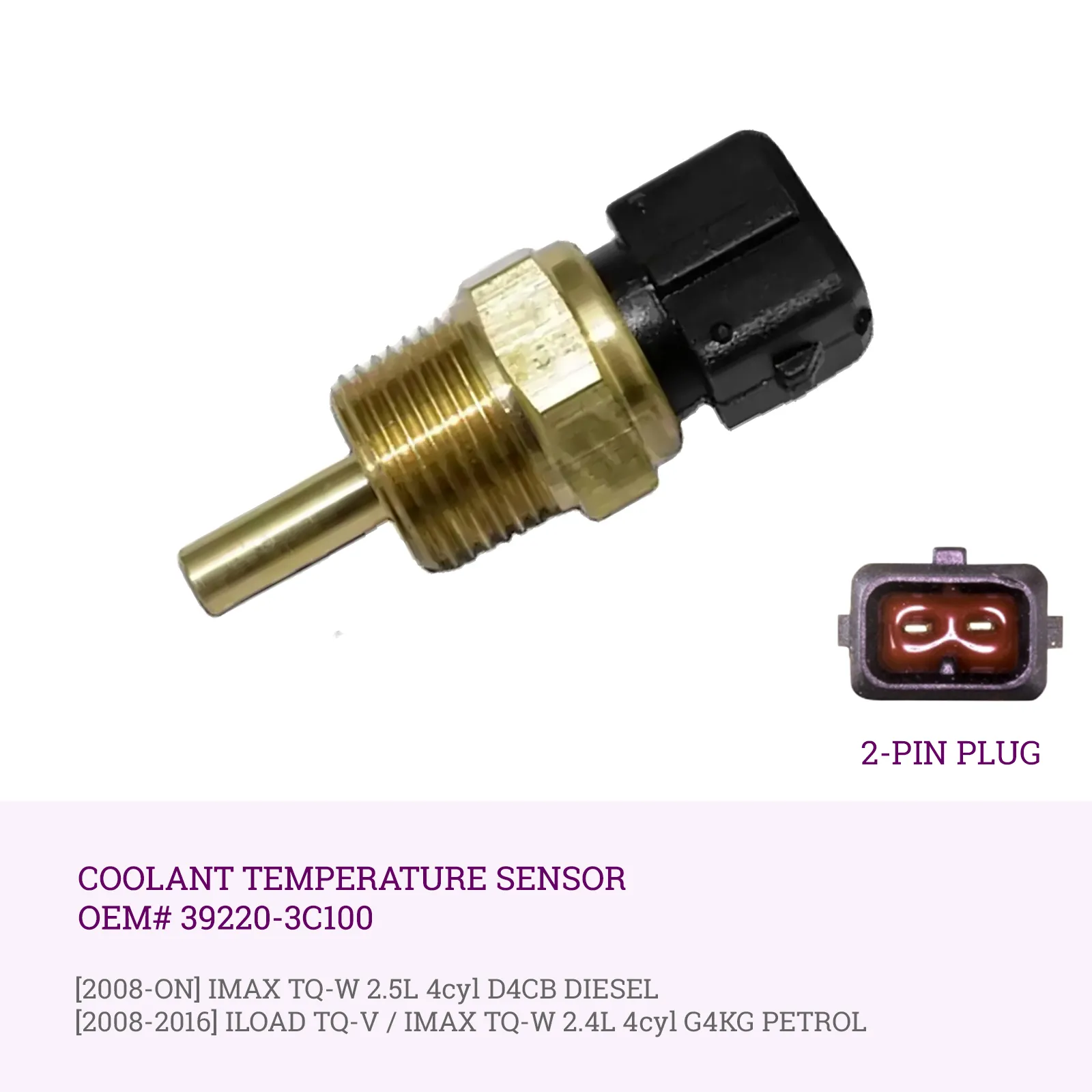
- [2008-ON] IMAX TQ-W 2.5L 4cyl D4CB DIESEL
- [2008-2016] ILOAD TQ-V 2.4L 4cyl G4KG
- [2008-2016] IMAX TQ-W 2.4L 4cyl G4KG
OEM# 39220-35510, 39220-35520, 39220-3C100
PACKAGE INCLUDES:
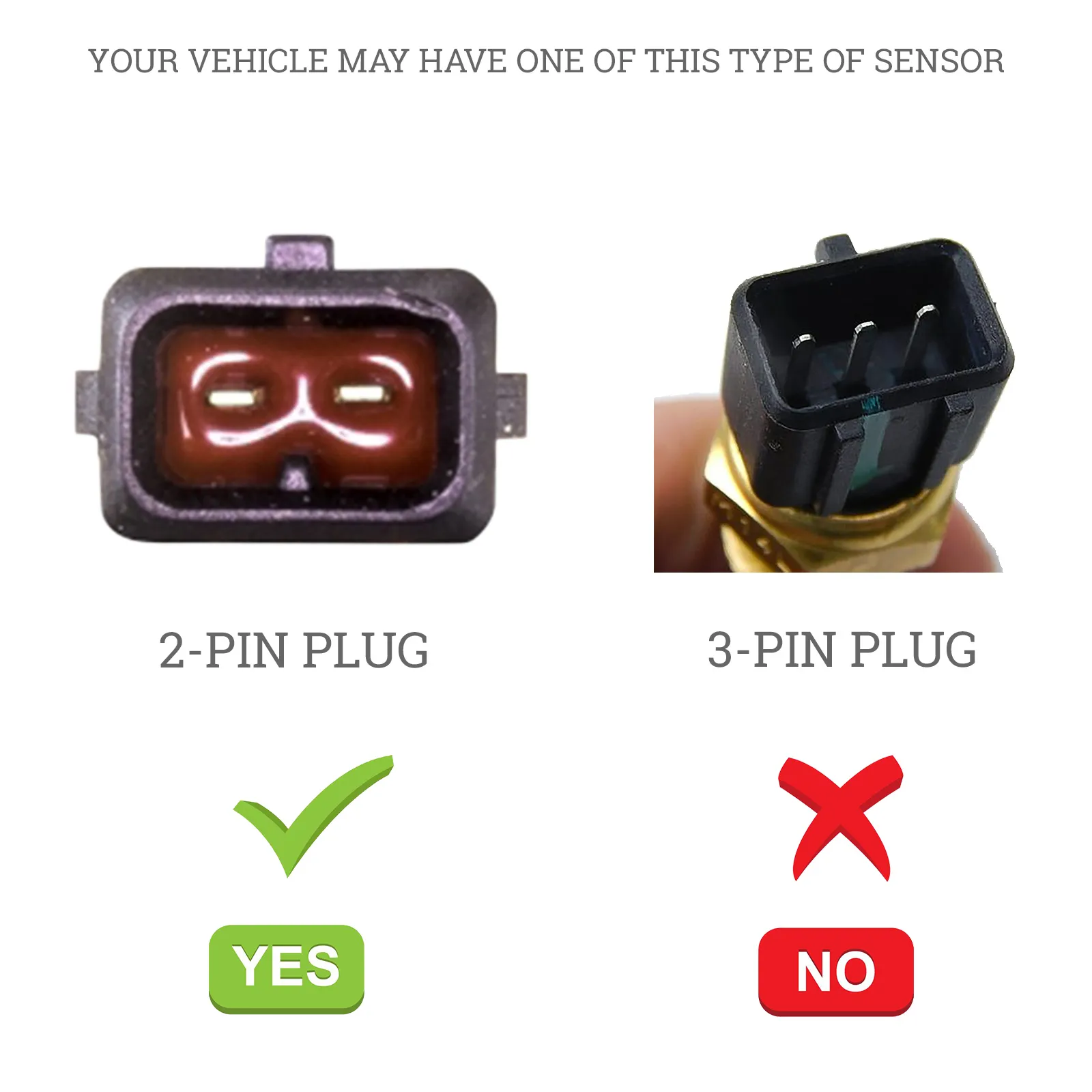
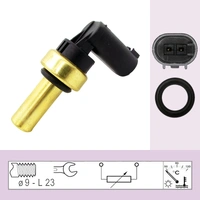
1 X OEM Quality ENGINE COOLANT TEMPERATURE SENSOR (2 PIN PLUG).
The engine coolant temperature sensor, often abbreviated as ECT sensor or CTS (Coolant Temperature Sensor), is a crucial component in a vehicle's engine management system. It measures the temperature of the engine coolant and sends this information to the engine control unit (ECU) or the powertrain control module (PCM). This data helps the ECU adjust fuel injection, ignition timing, and other engine parameters to ensure optimal performance, fuel efficiency, and emission control.
If the coolant temperature sensor malfunctions or fails, it can lead to issues such as incorrect fuel mixture, poor engine performance, increased emissions, or problems with starting the engine. A failing sensor might cause the engine to run too rich or too lean, impacting fuel efficiency and potentially causing damage to the engine over time.
- [01/08 – 12/16] HYUNDAI ILOAD TQ-V 2.4L 4cyl G4KG
- [01/08 – 12/16] HYUNDAI IMAX TQ-W 2.4L 4cyl G4KG
- [01/08 ON] HYUNDAI IMAX TQ-W 2.5L 4cyl D4CB
- [01/08 – 12/12] HYUNDAI IMAX TQ-W 2.5L 4cyl D4CB
- [01/96 – 12/02] HYUNDAI COUPE RD 1.8L 4cyl G4GM
- [01/96 – 12/02] HYUNDAI COUPE RD 2.0L 4cyl G4GF
- [01/90 – 12/91] HYUNDAI S COUPE 1J 1.5L 4cyl G4DJ
- [01/91 – 12/95] HYUNDAI S COUPE 1N 1.5L 4cyl G4EK
- [01/92 – 12/95] HYUNDAI S COUPE 1N 1.5L 4cyl G4EK-T
- [01/91 – 12/92] HYUNDAI LANTRA J1 1.6L 4cyl G4CR
- [01/92 – 12/95] HYUNDAI LANTRA J1 1.8L 4cyl G4CN
- [01/95 – 12/00] HYUNDAI LANTRA J2 1.8L 4cyl G4GM
- [01/96 – 12/00] HYUNDAI LANTRA J2 1.8L 4cyl G4GM
- [01/99 – 12/00] HYUNDAI LANTRA J2 2.0L 4cyl G4GF
- [01/06 – 12/09] HYUNDAI SANTA FE CM 2.7L V6 G6EA
- [01/11 – 12/12] HYUNDAI SANTA FE CM 3.5L V6 G6DC
- [01/16 – 12/18] HYUNDAI SANTA FE DM 3.3L V6 G6DF
- [01/14 – 12/17] HYUNDAI SONATA LF 2.0L 4cyl G4KH
- [01/17 – 12/19] HYUNDAI SONATA LF 2.0L 4cyl G4KH
- [01/05 – 12/08] HYUNDAI SONATA NF 2.4L 4cyl G4KC
- [01/05 – 12/08] HYUNDAI SONATA NF 3.3L V6 G6DB
- [01/98 – 12/98] HYUNDAI EXCEL X3 1.5L 4cyl G4EK
- [01/94 – 12/98] HYUNDAI EXCEL X3 1.5L 4cyl G4EK
- [01/94 – 12/00] HYUNDAI EXCEL X3 1.5L 4cyl G4FK
- [01/05 – 12/11] HYUNDAI GRANDEUR TG 3.8L V6 G6DA
| Identification | |
|---|---|
| SKU | CCS33-15 |
| Brand | Aftermarket OEM Replacement |
| Part Numbers | |
| Part Number | CCS33 |
| Reference OEM Number | 39220-3C100 |
| Other OEM Numbers | 39220-35510, 39220-35520, 39220-3C100 |
| Related Part Numbers | CCS33, CS854, MD149338, TCS050 |
| Product Specifics | |
| Sensor Type | ENGINE COOLANT TEMPERATURE SENSOR |
| Type | Sensor |
| Features | Direct Fit |
| Manufacturer Warranty | 1 Year |
| Make | Hyundai |
| Thread Size | 3/8"-Gas |
| Spanner Size | 19 mm |
| Number of pins | 2 -pin connector |
| Connector Shape | rectangular |
| Housing Colour | Black |
| Shipping & Dimensions | |
| Shipping Weight | 0.5000 kg |
| Shipping Width | 0.160 m |
| Shipping Height | 0.030 m |
| Shipping Length | 0.230 m |
| Other Details | |
| Note | CHECK IMAGES. CONFIRM WITH OEM NUMBER. |
| Unit Of Measure | ea |
Be The First To Review This Product!
Help other SENSORGAL LTD. users shop smarter by writing reviews for products you have purchased.
BRAND NEW OEM Quality ENGINE COOLANT TEMPERATURE SENSOR TO SUIT VARIOUS HYUNDAI & KIA
TO SUIT:
- [2008-ON] IMAX TQ-W 2.5L 4cyl D4CB DIESEL
- [2008-2016] ILOAD TQ-V 2.4L 4cyl G4KG
- [2008-2016] IMAX TQ-W 2.4L 4cyl G4KG
OEM# 39220-35510, 39220-35520, 39220-3C100
PACKAGE INCLUDES:
1 X OEM Quality ENGINE COOLANT TEMPERATURE SENSOR (2 PIN PLUG).
The engine coolant temperature sensor, often abbreviated as ECT sensor or CTS (Coolant Temperature Sensor), is a crucial component in a vehicle's engine management system. It measures the temperature of the engine coolant and sends this information to the engine control unit (ECU) or the powertrain control module (PCM). This data helps the ECU adjust fuel injection, ignition timing, and other engine parameters to ensure optimal performance, fuel efficiency, and emission control.
If the coolant temperature sensor malfunctions or fails, it can lead to issues such as incorrect fuel mixture, poor engine performance, increased emissions, or problems with starting the engine. A failing sensor might cause the engine to run too rich or too lean, impacting fuel efficiency and potentially causing damage to the engine over time.
- [01/08 – 12/16] HYUNDAI ILOAD TQ-V 2.4L 4cyl G4KG
- [01/08 – 12/16] HYUNDAI IMAX TQ-W 2.4L 4cyl G4KG
- [01/08 ON] HYUNDAI IMAX TQ-W 2.5L 4cyl D4CB
- [01/08 – 12/12] HYUNDAI IMAX TQ-W 2.5L 4cyl D4CB
- [01/96 – 12/02] HYUNDAI COUPE RD 1.8L 4cyl G4GM
- [01/96 – 12/02] HYUNDAI COUPE RD 2.0L 4cyl G4GF
- [01/90 – 12/91] HYUNDAI S COUPE 1J 1.5L 4cyl G4DJ
- [01/91 – 12/95] HYUNDAI S COUPE 1N 1.5L 4cyl G4EK
- [01/92 – 12/95] HYUNDAI S COUPE 1N 1.5L 4cyl G4EK-T
- [01/91 – 12/92] HYUNDAI LANTRA J1 1.6L 4cyl G4CR
- [01/92 – 12/95] HYUNDAI LANTRA J1 1.8L 4cyl G4CN
- [01/95 – 12/00] HYUNDAI LANTRA J2 1.8L 4cyl G4GM
- [01/96 – 12/00] HYUNDAI LANTRA J2 1.8L 4cyl G4GM
- [01/99 – 12/00] HYUNDAI LANTRA J2 2.0L 4cyl G4GF
- [01/06 – 12/09] HYUNDAI SANTA FE CM 2.7L V6 G6EA
- [01/11 – 12/12] HYUNDAI SANTA FE CM 3.5L V6 G6DC
- [01/16 – 12/18] HYUNDAI SANTA FE DM 3.3L V6 G6DF
- [01/14 – 12/17] HYUNDAI SONATA LF 2.0L 4cyl G4KH
- [01/17 – 12/19] HYUNDAI SONATA LF 2.0L 4cyl G4KH
- [01/05 – 12/08] HYUNDAI SONATA NF 2.4L 4cyl G4KC
- [01/05 – 12/08] HYUNDAI SONATA NF 3.3L V6 G6DB
- [01/98 – 12/98] HYUNDAI EXCEL X3 1.5L 4cyl G4EK
- [01/94 – 12/98] HYUNDAI EXCEL X3 1.5L 4cyl G4EK
- [01/94 – 12/00] HYUNDAI EXCEL X3 1.5L 4cyl G4FK
- [01/05 – 12/11] HYUNDAI GRANDEUR TG 3.8L V6 G6DA
| Identification | |
|---|---|
| SKU | CCS33-15 |
| Brand | Aftermarket OEM Replacement |
| Part Numbers | |
| Part Number | CCS33 |
| Reference OEM Number | 39220-3C100 |
| Other OEM Numbers | 39220-35510, 39220-35520, 39220-3C100 |
| Related Part Numbers | CCS33, CS854, MD149338, TCS050 |
| Shipping & Dimensions | |
| Shipping Weight | 0.5000 kg |
| Shipping Width | 0.160 m |
| Shipping Height | 0.030 m |
| Shipping Length | 0.230 m |
| Other Details | |
| Note | CHECK IMAGES. CONFIRM WITH OEM NUMBER. |
| Unit Of Measure | ea |
Be The First To Review This Product!
Help other SENSORGAL LTD. users shop smarter by writing reviews for products you have purchased.
More From This Category

$39.99 RRP $96.03
$49.97 RRP $68.59
$43.99 RRP $76.05
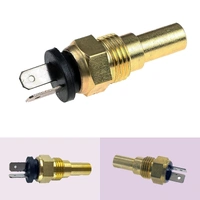
Temperature Gauge Sensor for Nissan X-Trail 180SX 200SX Silvia SR20 ZD30
SKU: 2508089907-CTS155-6
$42.45 RRP $69.99
$34.62 RRP $64.99
$49.99 RRP $92.99
$84.99 RRP $126.00


$43.99 RRP $76.05