
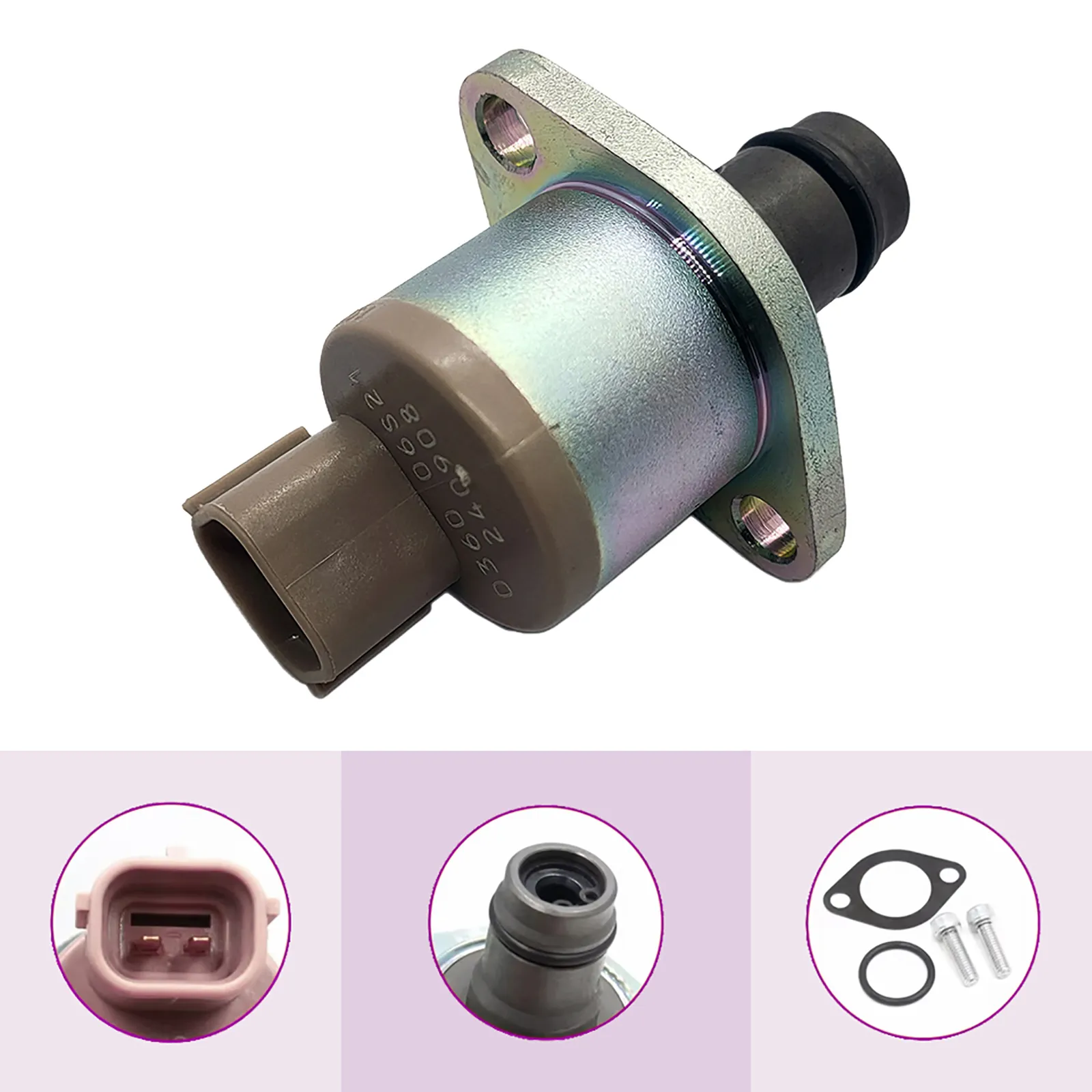
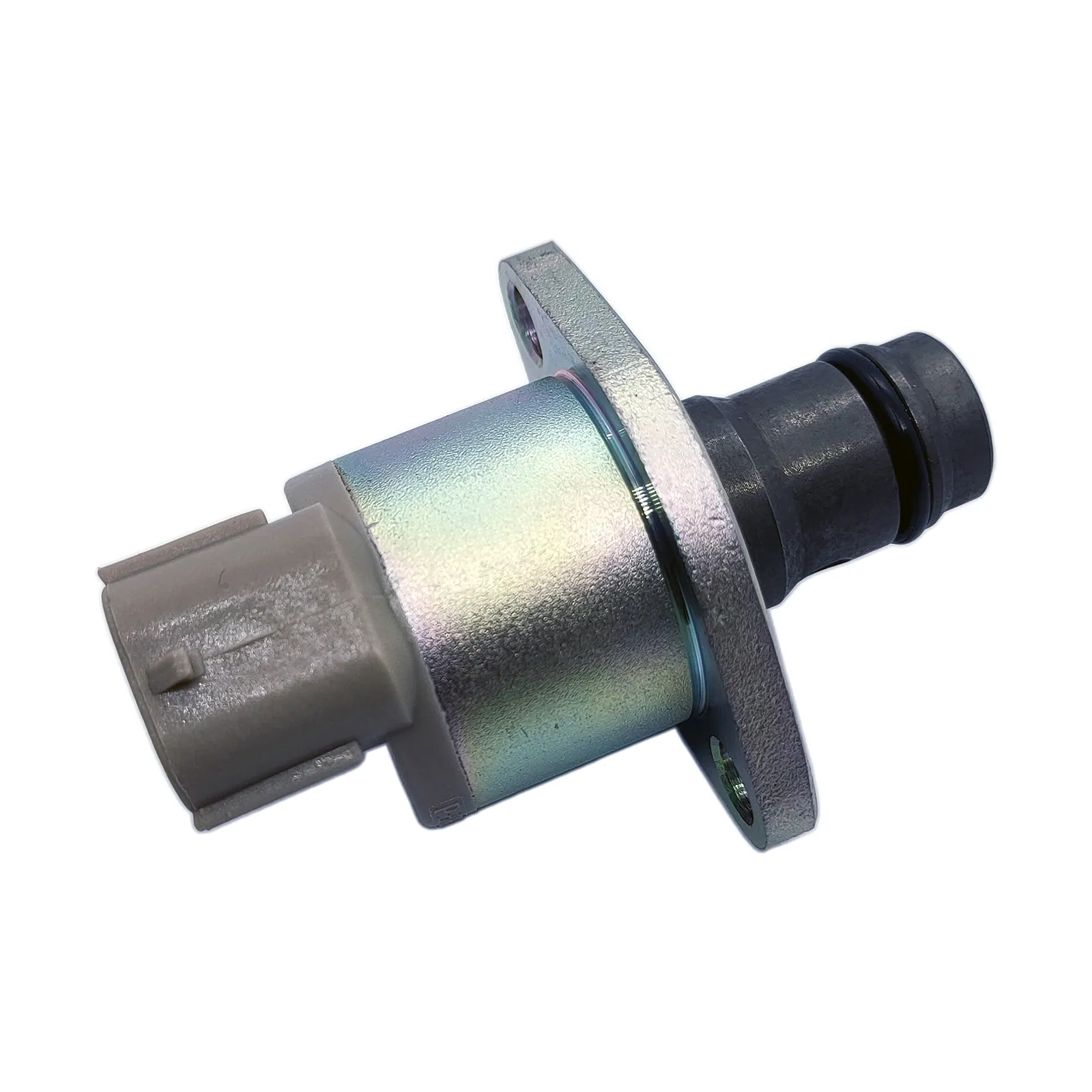
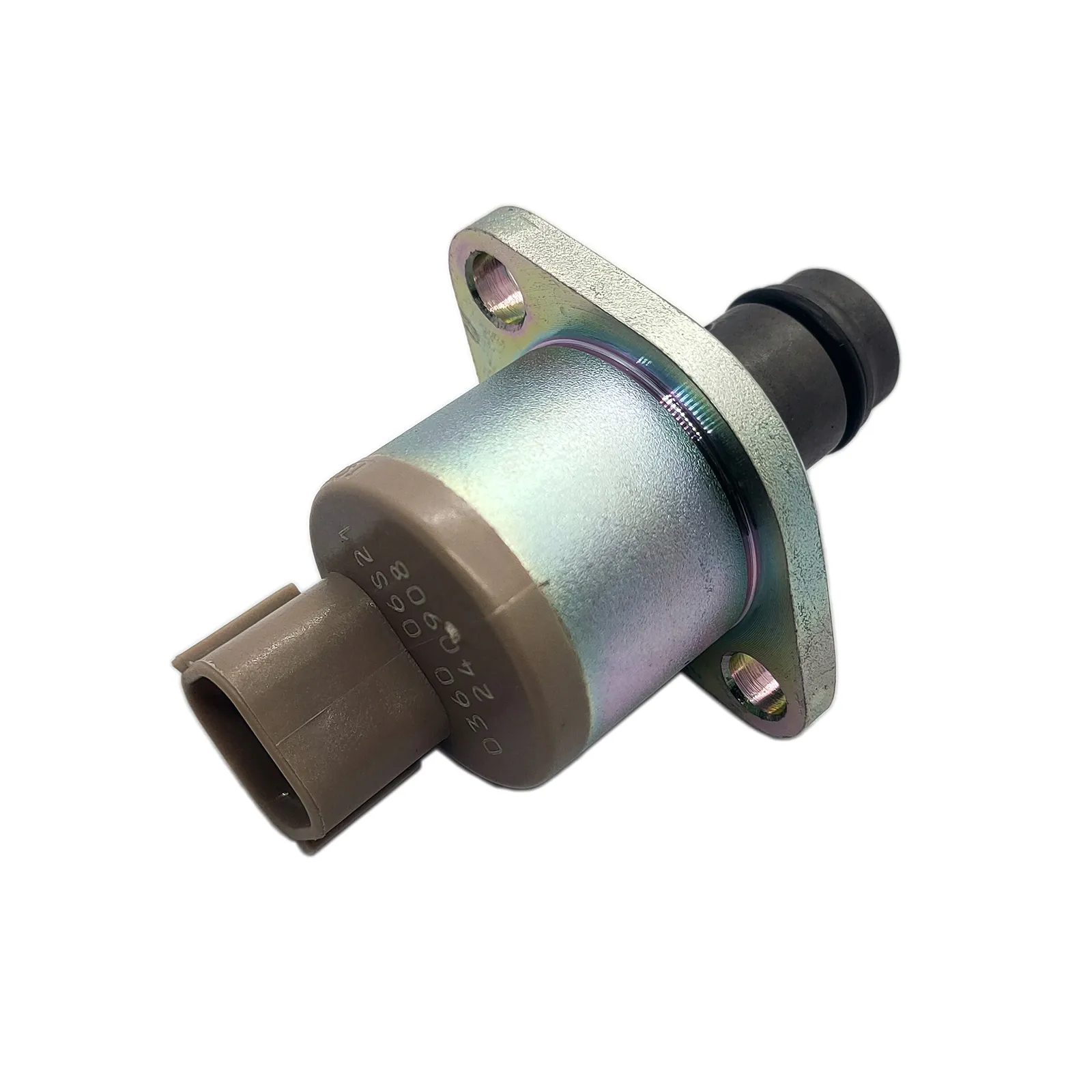
Suction Control Valve for Ford Transit VM 2.2L 2.4L Diesel 2006-14
Workshop Grade Replaces 6C1Q-9358-AB
BRAND NEW *OEM Quality* suction control valve to suit Ford Transit VM 2.2L and 2.4L TDCi diesel vans.
A worn SCV is a common reason a Transit cranks long or stalls when hot. Ours goes out express delivery Australia-wide so the van is back at work fast.
TO SUIT
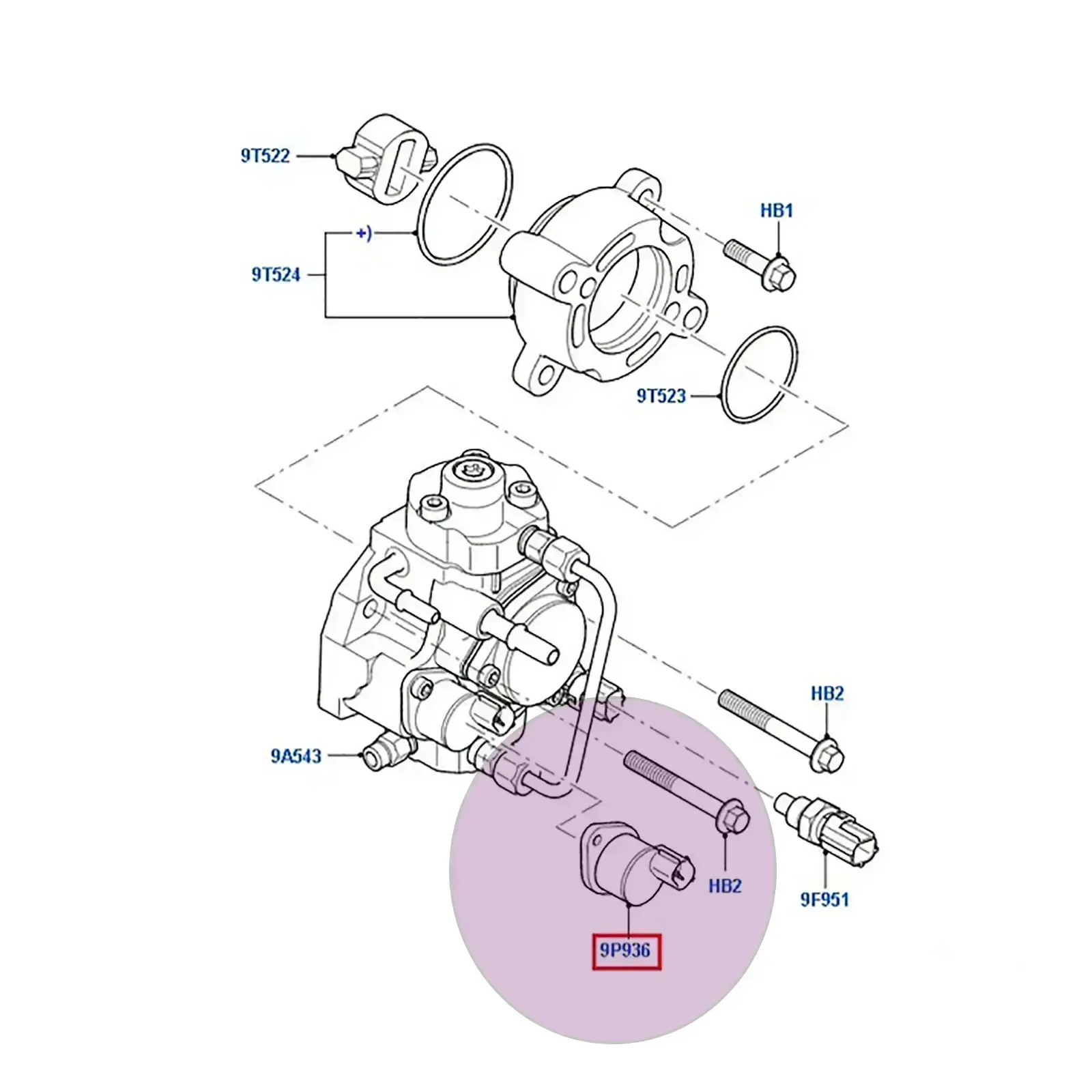
Made for the Ford Transit VM built 2006 to 2014 with the 2.2L QVFA SRFA CVRA CYFA and 2.4L H9FB Duratorq TDCi engines - van bus and cab chassis. The valve bolts to the back of the high-pressure pump.
FITMENT CHECK
This is the short-body valve with a 2-pin plug. Compare it with your original before ordering - it matches numbers 294200-036#, 294200-016# and 294009-026#.
OEM PART NUMBERS
- 6C1Q-9358-AB
- 6C1Q-9358-AA
- 1514885
OTHER PART NUMBERS
- DCRS300260
- V22-11-0010
- ESCV-NS-000
- 12.24228
PACKAGE INCLUDES
1 x suction control valve (SCV) with 2-pin connector.
ABOUT THIS SENSOR
On the Transit VM the SCV meters fuel into the high-pressure pump so the ECU can hold rail pressure under load - critical on a fully loaded van.
High-mileage Transits often develop a sticking valve from fuel contamination. The van then struggles to restart when hot and may cut out at idle.
COMMON SYMPTOMS OF FAILURE
- Long crank or no start when hot
- Stalls at idle or at traffic lights
- Loss of power when loaded
- Limp mode with the engine light on
- Fault codes P0087 or P0089
- [10/11 - 12/14] FORD TRANSIT VM TDCi (2.2L 4cyl CVRB/CVRC/CVRA 114kW)
- [01/12 - 12/14] FORD TRANSIT VM TD (2.2L 4cyl CYFA/CYFB/CYFC 92kW)
- [07/06 - 12/14] FORD TRANSIT VM TD (2.4L 4cyl H9FB Euro 4 103kW)
- [07/06 - 09/06] FORD TRANSIT VM TD (2.4L 4cyl H9FB Euro 4 103kW)
- [07/06 - 12/14] FORD TRANSIT VM TDCi (2.4L 4cyl H9FB Euro 4 103kW)
- [09/06 - 12/14] FORD TRANSIT VM TD (2.2L 4cyl QVFA Euro 4 81kW)
- [01/10 - 12/14] FORD TRANSIT VM TDCi (2.2L 4cyl SRFA/SRFB/SRFC/SRFD/SRFE 85kW)
What does a suction control valve (SCV) do?
The suction control valve (SCV) regulates the amount of fuel drawn into the high-pressure injection pump on common rail diesel engines. By controlling fuel intake at the pump inlet, the SCV allows the ECU to vary rail pressure from low idle pressure to maximum full-load pressure. This precise pressure control is essential for the accurate fuel metering that modern common rail diesel engines require for performance, fuel economy, and emissions compliance.
What are the symptoms of a failing suction control valve?
Common symptoms include rough or unstable idle, hard starting particularly from cold, the engine entering limp mode with reduced power, excessive black or white smoke from the exhaust, loss of power under load, and a Check Engine light with fuel rail pressure fault codes. SCVs can also fail intermittently due to contamination from degraded fuel, causing symptoms that appear and disappear without a consistent pattern.
Can a dirty suction control valve be cleaned?
Yes - if the SCV is sticking due to fuel contamination or varnish deposits rather than mechanical wear, cleaning with diesel injector cleaner or fuel system cleaner can sometimes restore operation. Remove the valve and spray cleaner through it while working the valve manually. However if the SCV solenoid has failed electrically or the valve body is mechanically worn, cleaning will not restore correct function and replacement is required.
Is there a difference between the suction control valve and the pressure control valve?
Yes - these are two different valves in the common rail fuel system. The suction control valve (SCV) is fitted to the inlet side of the high-pressure pump and controls how much fuel enters the pump. The pressure control valve (PCV) is fitted to the fuel rail or pump outlet and bleeds off excess pressure to maintain the correct rail pressure. Both affect fuel rail pressure but from opposite ends of the system. Fault codes will specify which valve is affected.
Will a faulty SCV cause the engine not to start?
A severely failed SCV can prevent the engine from starting if it causes rail pressure to be too low for injection to occur. More commonly a failing SCV causes hard starting with extended cranking before the engine fires. On cold mornings the symptoms are often worse as fuel viscosity is higher and rail pressure is harder to build. If the engine cranks normally but will not fire, checking fuel rail pressure with a scan tool will confirm if the SCV is the cause.
How long do suction control valves last?
SCVs are wear items that typically last the life of the vehicle under normal conditions with clean fuel. Premature failure is most commonly caused by contaminated fuel, extended oil service intervals (which affects fuel quality in the pump), or the use of poor-quality fuel. Vehicles used in dusty environments or operated with low fuel levels frequently are more susceptible to SCV wear. Replacing the SCV at the first sign of symptoms prevents more expensive injection pump damage.
| Identification | |
|---|---|
| SKU | VSC100-Ford |
| Brand | Aftermarket OEM Replacement |
| Part Numbers | |
| Part Number | VSC100 |
| Reference OEM Number | 6C1Q-9358-AB |
| Other OEM Numbers | 6C1Q-9358-AB, 1514885, 6C1Q-9358-AA |
| Related Part Numbers | VSC100GEN, 294009-0260 |
| Trade Part Numbers | V22-11-0010, ESCV-NS-000, DCRS300260 |
| Product Specifics | |
| Product Type | SUCTION CONTROL VALVE |
| Fitting Position | Fuel Injection Pump |
| Number of pins | 2-Pin |
| Injection System | Common Rail |
| Valve Type | Control Valve |
| Compatible Makes | Ford |
| Fitment Type | Direct Replacement |
| Other Details | |
| Note | Short body valve - compare with your original before ordering |
Be The First To Review This Product!
Help other SENSORGAL LTD. users shop smarter by writing reviews for products you have purchased.
More From This Category

$158.99 RRP $0.00
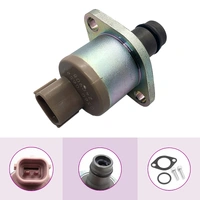
Suction Control Valve for Isuzu D-Max MU-X 3.0L 4JJ1-TC 2007-21
SKU: VSC100-Isuzu
$169.97 RRP $302.00
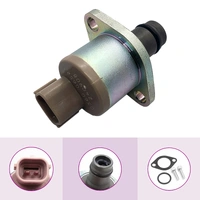
Suction Control Valve for Mitsubishi Triton Pajero Challenger 4D56 4M41
SKU: VSC100-Mitsubishi
$169.97 RRP $302.00
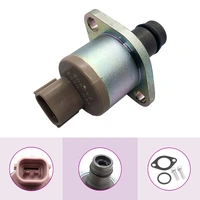
Suction Control Valve for Land Rover Defender Puma 2.4L DT244 TD4
SKU: VSC100-LandRover
$169.97 RRP $302.00
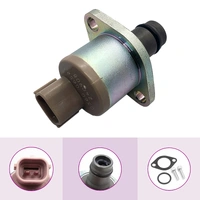
$169.97 RRP $302.00
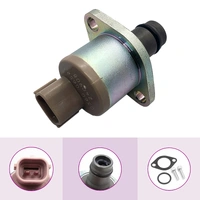
Suction Control Valve for Nissan Navara D40 D22 Pathfinder R51 YD25
SKU: VSC100-Nissan
$169.97 RRP $302.00

$169.97 RRP $257.00
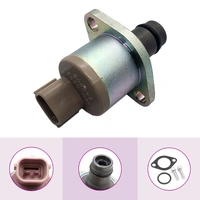
Suction Control Valve for Mazda 3 BK Mazda 6 GG GY 2.0L MZR-CD
SKU: VSC100-Mazda
$169.97 RRP $302.00