
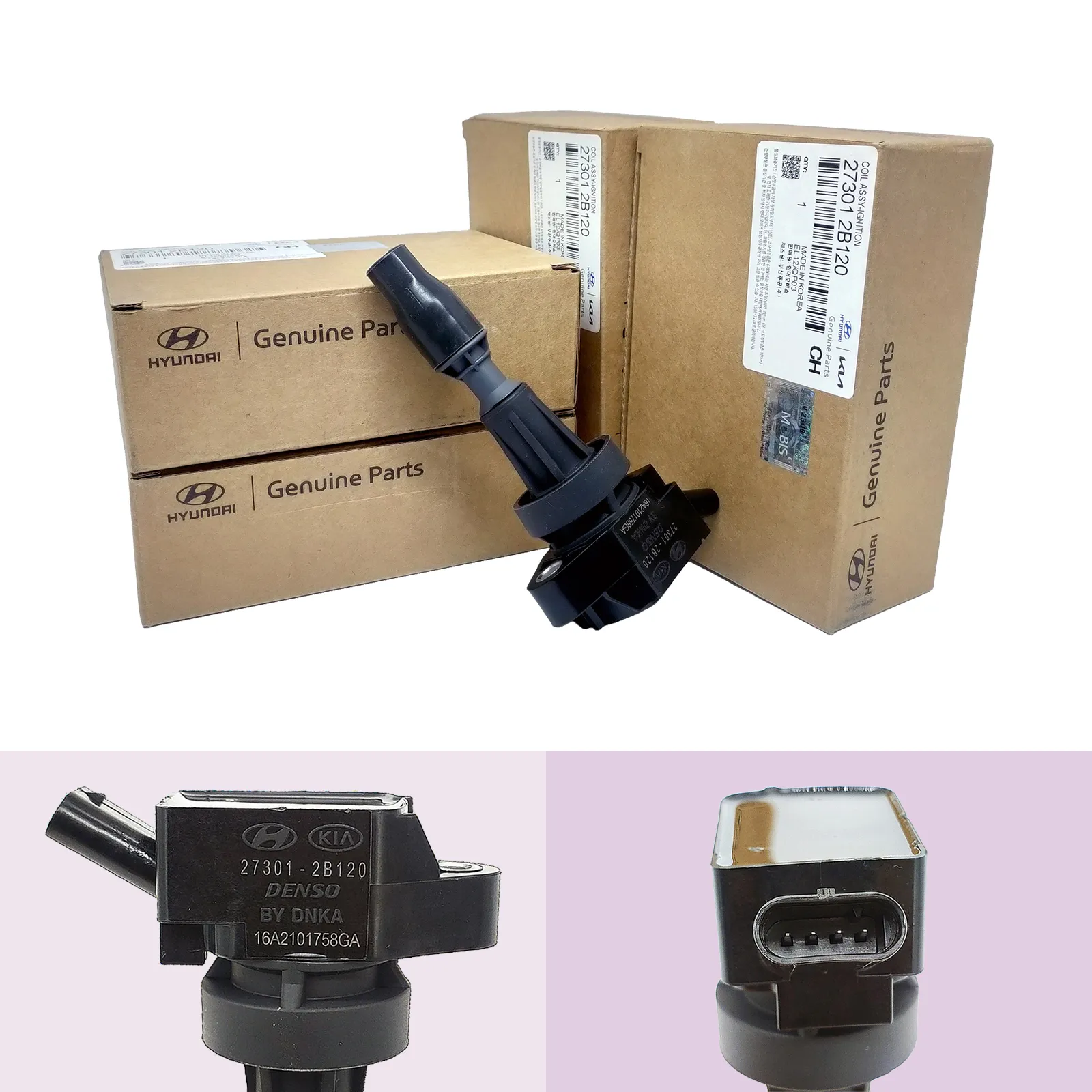
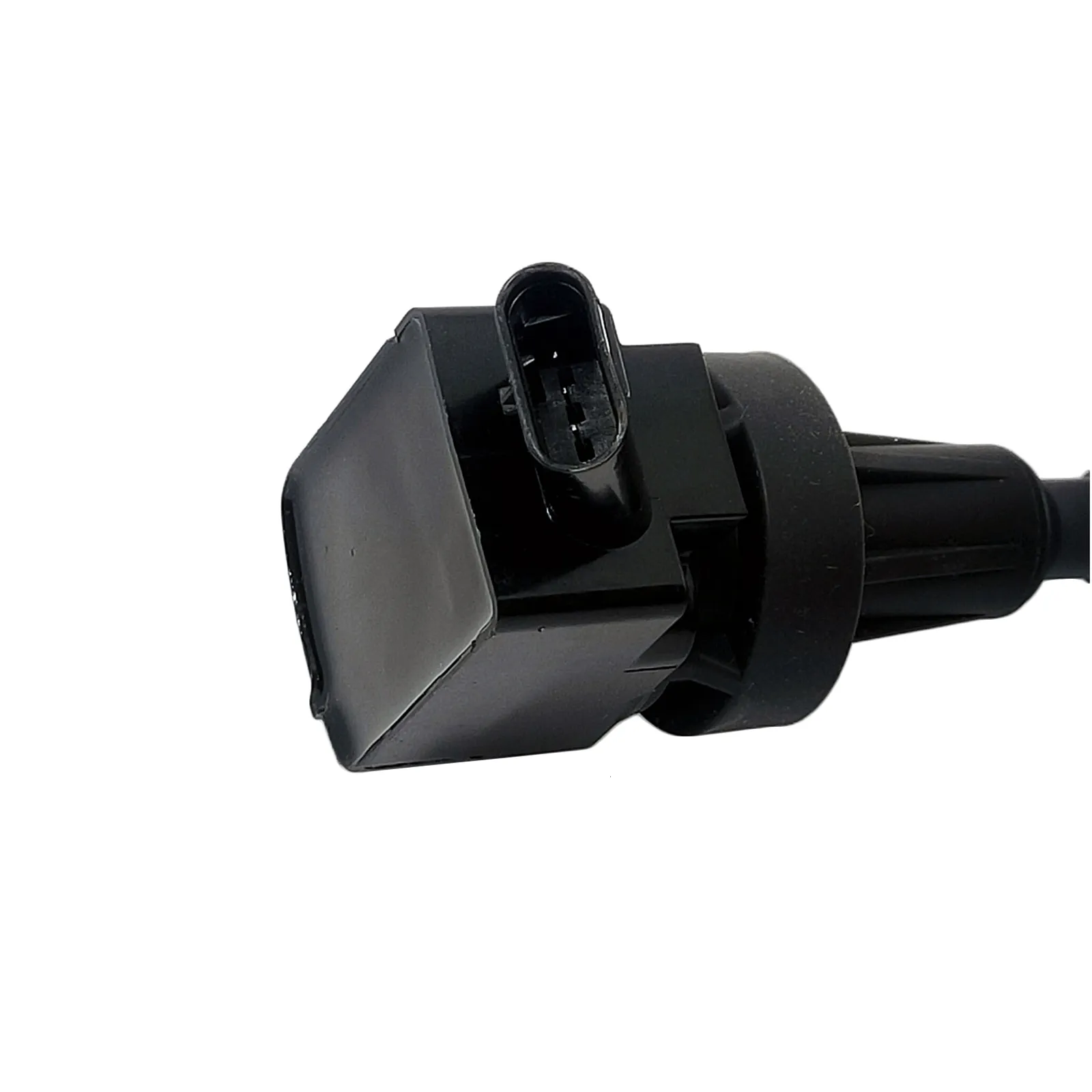
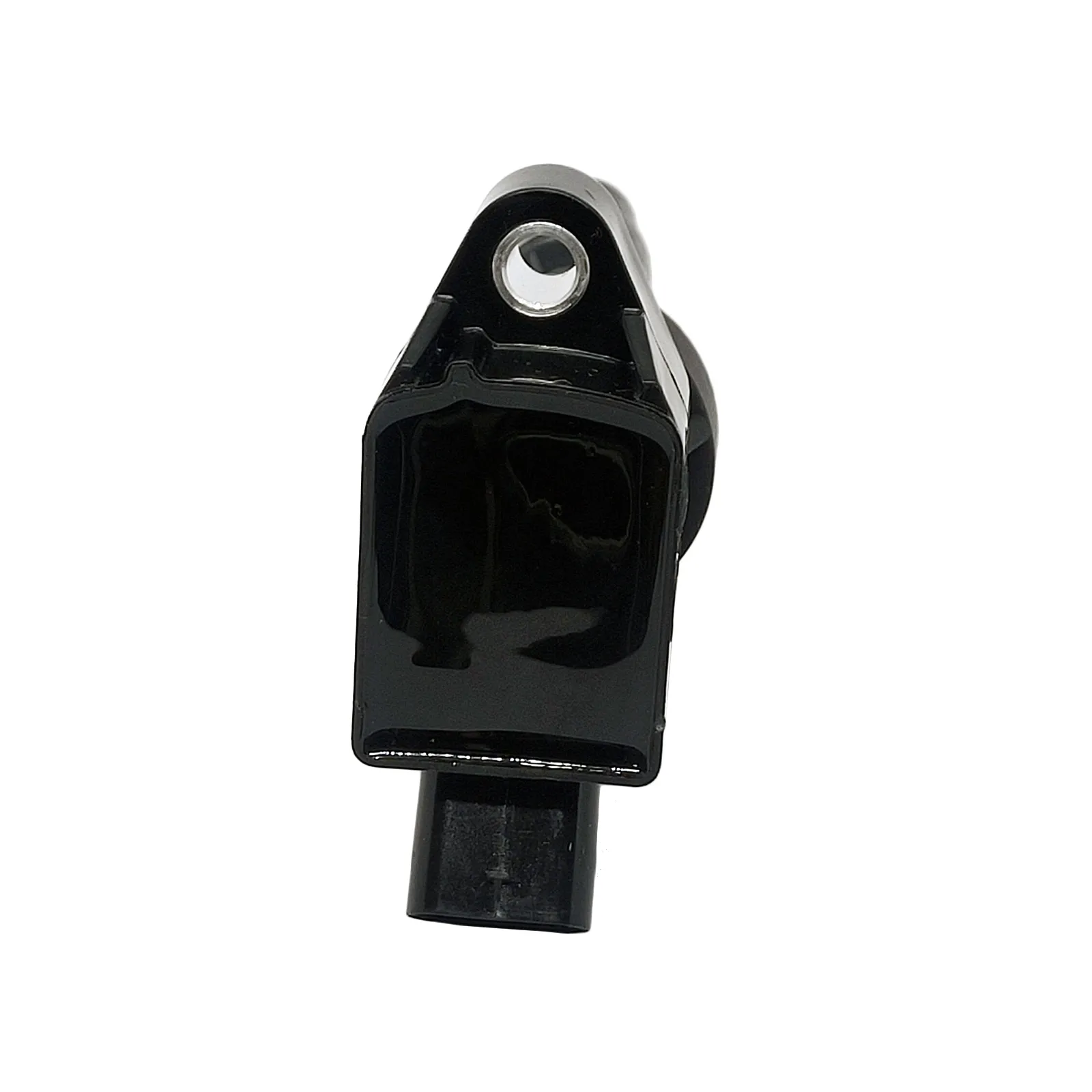
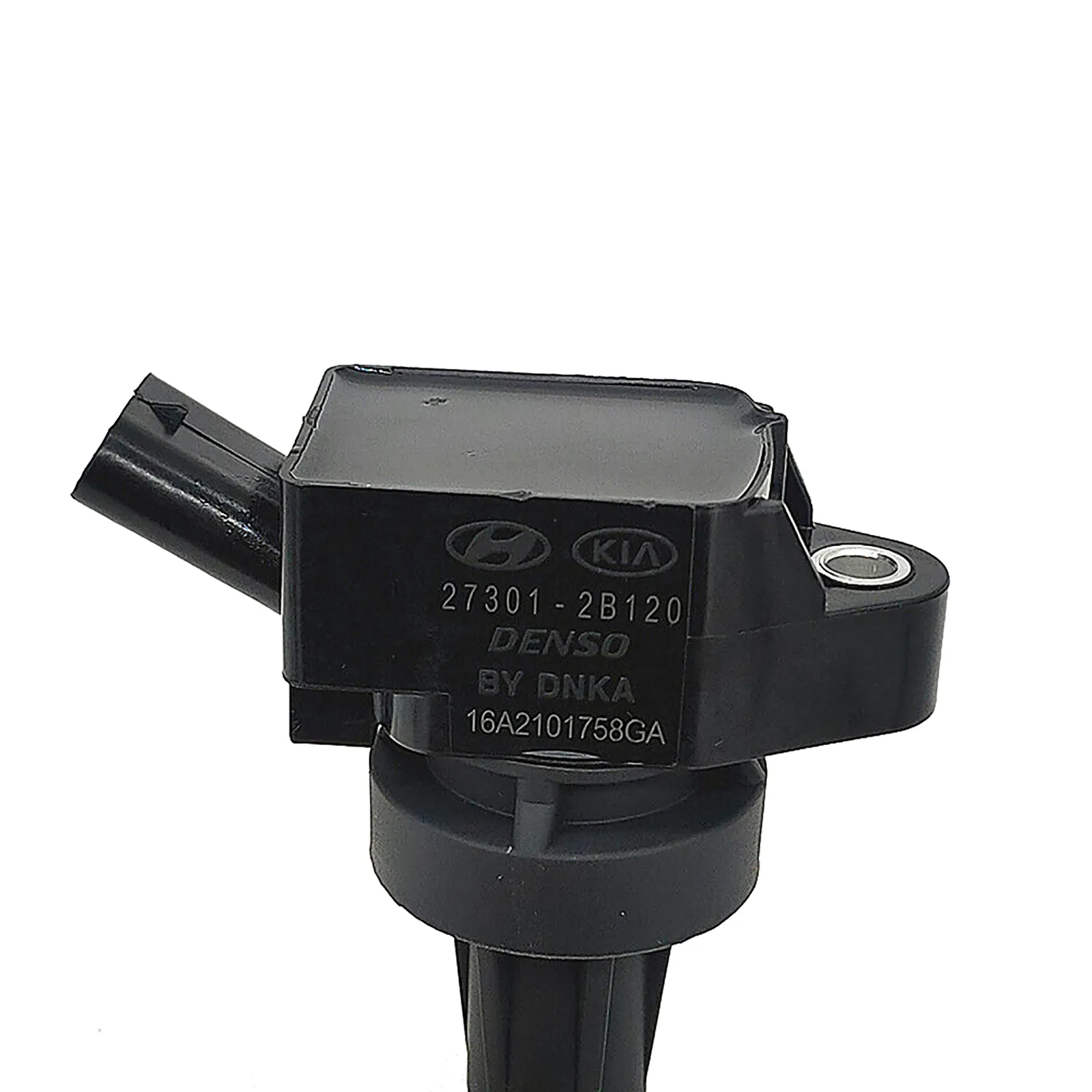


Aftermarket OEM Replacement Ignition Coils 273012B120 for Hyundai i30 Turbo
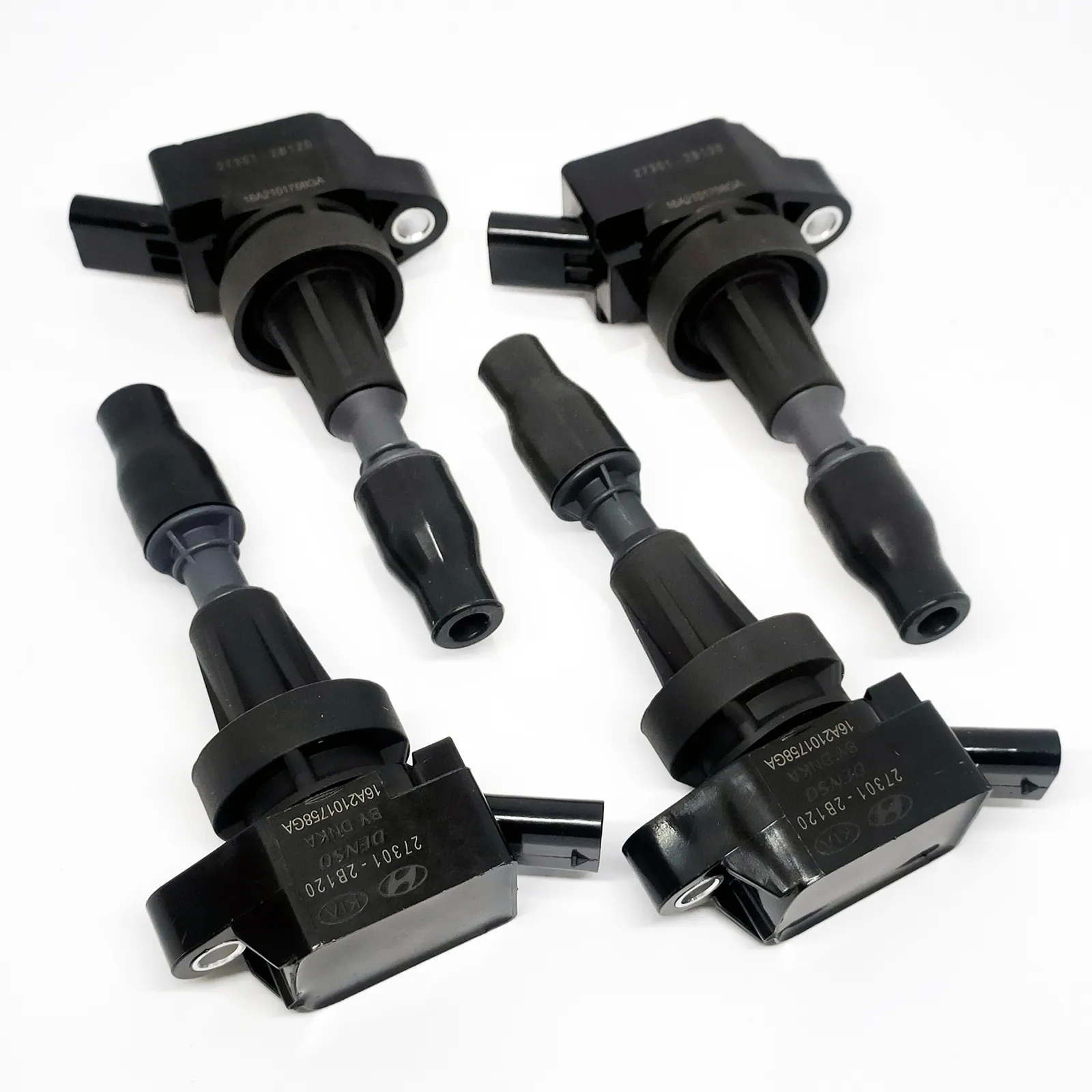
Set of 4 Ignition Coils for Hyundai Veloster Turbo i30
BRAND NEW OEM Quality IGNITION COIL TO SUIT HYUNDAI and KIA G4FA and G4FC Turbo (T-GDI) and some newer GDI engines.
TO SUIT:
Application: Hyundai Veloster Turbo (FS/JS), Kia Cerato GT (BD), Hyundai i30 SR/N-Line (PD), Kia ProCeed GT.
Engine Code: 1.6L T-GDI (G4FJ).
This coil is designed for high-boost turbo applications.
OEM#
273002GGA0, 273012B120, 27301-2B120, 133984, 250398
- BOSCH: 0986221140
- NGK: 49138
- SWAN: IC498
- CHAMPION-AU: IC1291-5-CH
- HELLA: 5DA 358 168-761
- WALKER PRODUCTS: 921-2330
PACKAGE INCLUDES:
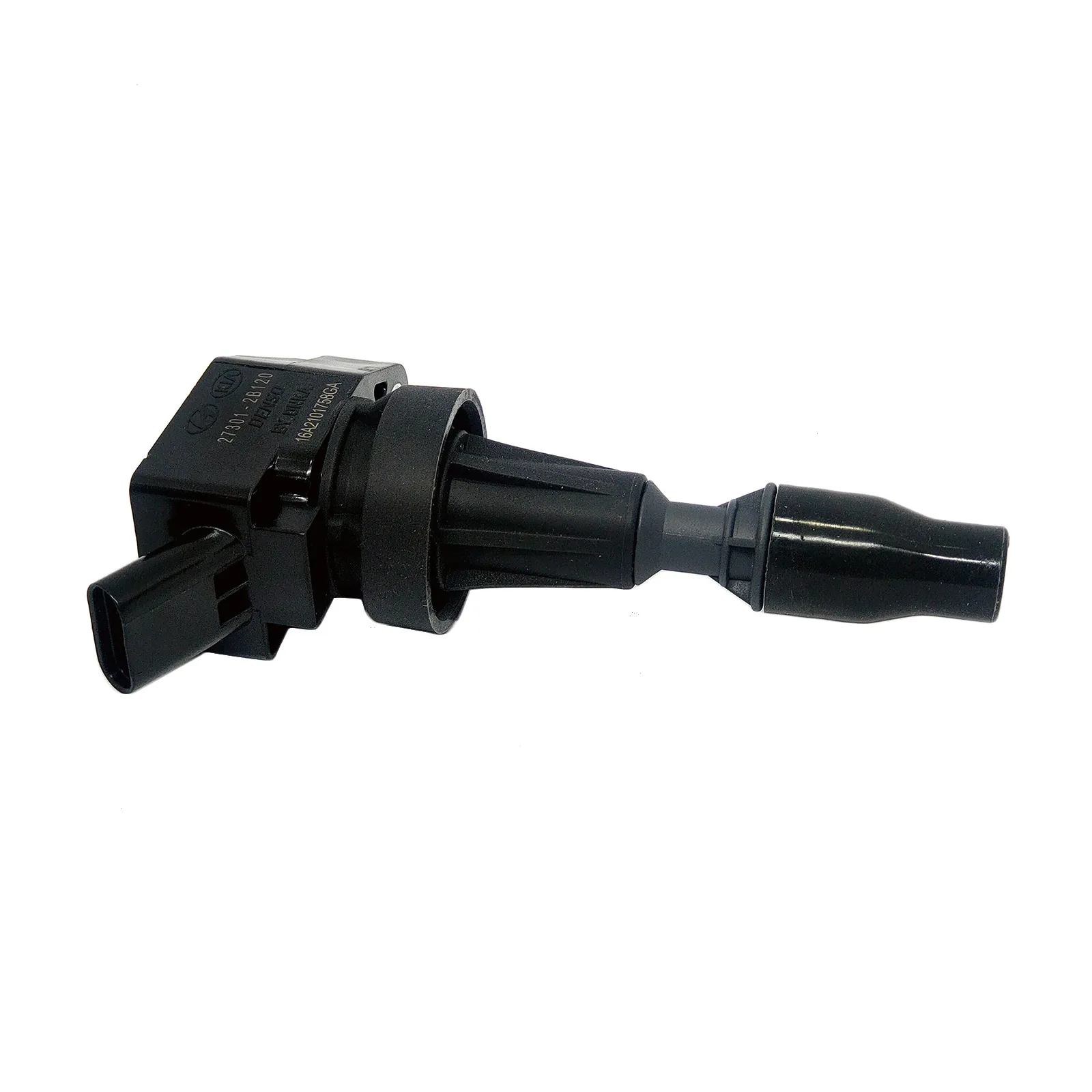
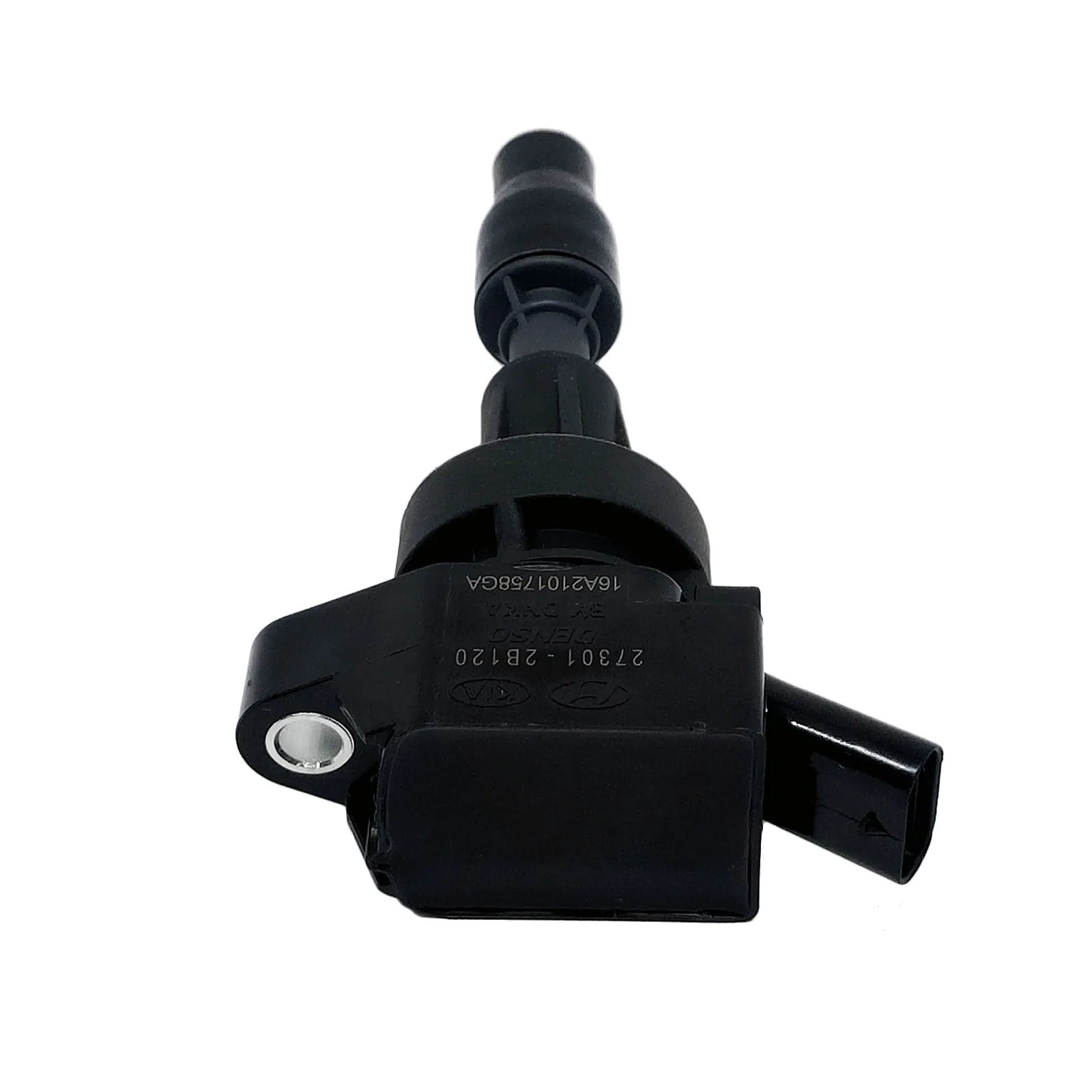
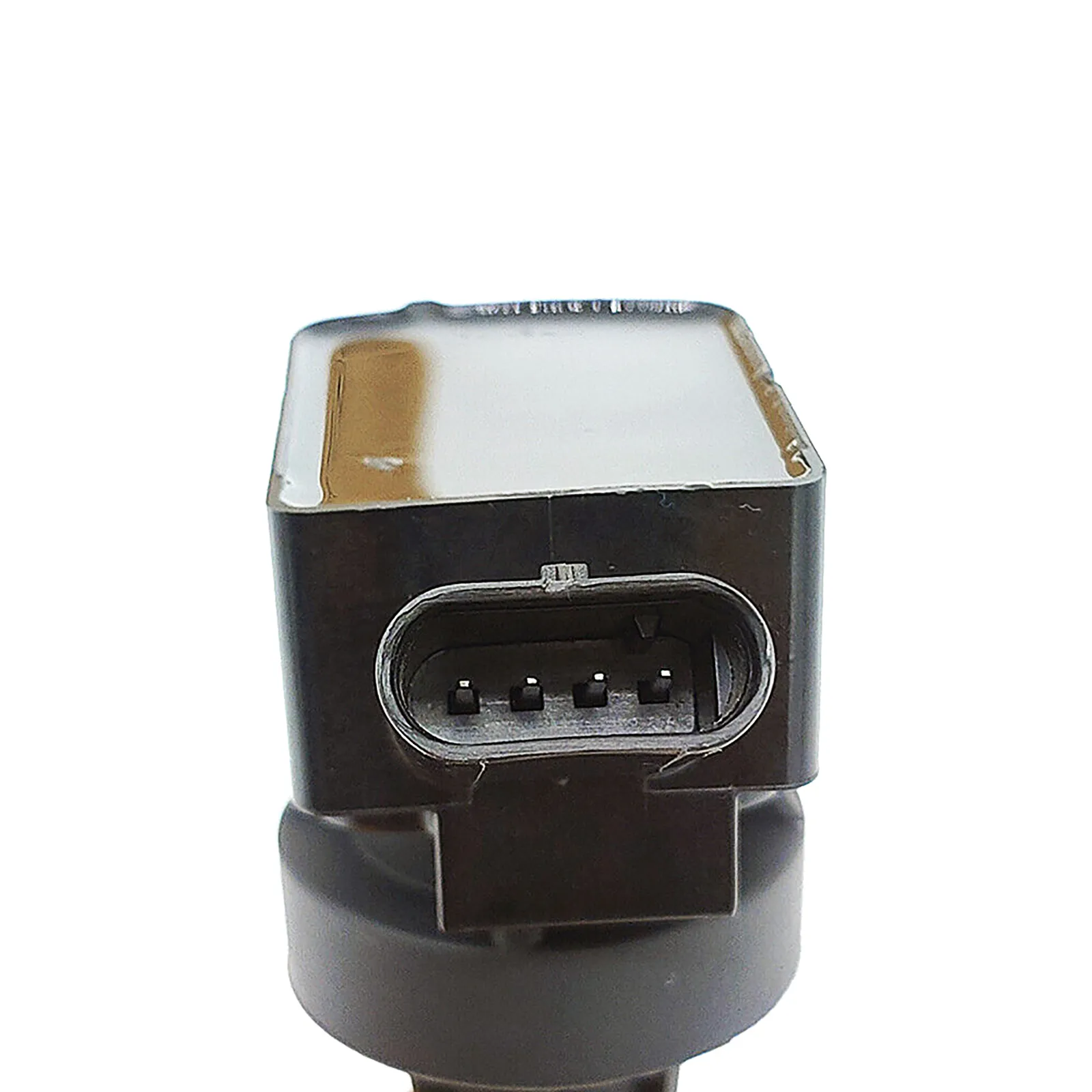
4 X OEM Quality IGNITION COIL. (4- PIN CONNECTOR).
Check The Connector Before Purchase
About Your Vehicle's Ignition Coil
A car's ignition coil is a vital part of your engine's ignition system acting as a high-voltage transformer. Its job is to take the 12-volt power from your battery and convert it into the thousands of volts required to create a strong spark at the spark plugs. This spark ignites the air-fuel mixture in the engine. A properly functioning ignition coil is essential for smooth running reliable power and good fuel economy.
- Engine Performance: A strong spark ensures complete combustion leading to smooth acceleration and full engine power.
- Fuel Efficiency: A healthy ignition coil helps the engine burn fuel efficiently saving you money at the petrol pump.
- Reliable Starting: It provides the powerful spark needed for your engine to start quickly and reliably in all conditions.
- Engine Health: A working coil prevents unburnt fuel from damaging your expensive catalytic converter.
What causes an Ignition Coil to fail?
Ignition coils operate in a high-temperature high-vibration environment. The most common cause of failure is age. Over thousands of heat cycles the internal windings can break down and short-circuit. Worn spark plugs that require more voltage to create a spark can also put extra strain on the coil leading to premature failure.
Common Symptoms of a Failing Ignition Coil
- Check Engine Light: This is often the first sign often with a specific misfire fault code.
- Engine Misfire: The engine may shake stumble or run rough especially under load.
- Poor Acceleration: The vehicle may feel sluggish and lack its normal power.
- Rough Idle: The engine may idle poorly or inconsistently when the car is stopped.
- Difficulty Starting: The engine may take a long time to crank over before it starts.
HYUNDAI
- Hyundai Veloster Turbo (FS): 1.6L T-GDI (G4FJ) (2012 - 2018)
- Hyundai Veloster Turbo (JS): 1.6L T-GDI (G4FJ) (2018 - 2022)
- Hyundai i30 SR / N-Line (PD): 1.6L T-GDI (G4FJ) (2017 - Present)
- Hyundai Tucson (TL): 1.6L T-GDI (G4FJ) (2015 - 2020)
- Hyundai Kona (OS): 1.6L T-GDI (G4FJ) (2017 - 2020)
KIA
- Kia Cerato GT (BD): 1.6L T-GDI (G4FJ) (2018 - Present)
- Kia ProCeed GT (JD): 1.6L T-GDI (G4FJ) (2014 - 2018)
- Kia Cerato Koup Turbo (YD): 1.6L T-GDI (G4FJ) (2013 - 2016)
- Kia Sportage (QL): 1.6L T-GDI (G4FJ) (2016 - 2021)
⚡ PERFORMANCE PART NOTE
This coil is specifically designed for the 1.6L T-GDI TURBO Engine (G4FJ).
- Fits: Veloster Turbo, i30 SR/N-Line, Cerato GT, ProCeed GT.
- Does NOT Fit: Non-Turbo Veloster or i30 models (which use 27301-2B010).
Using the wrong coil on a Turbo engine can lead to misfires under boost. Trust only Genuine Hyundai/Kia parts for your performance vehicle.
| Identification | |
|---|---|
| SKU | 273012B120-4PACK |
| Brand | OEM |
| Part Numbers | |
| Part Number | 273012B120-4PACK |
| Reference OEM Number | 27301-2B120 |
| Other OEM Numbers | 273012B120, 27301-2B120, 133984, 2503984 |
| Related Part Numbers | CC693, C684, C9729, IC498 |
| Trade Part Numbers | SWAN: IC498, NGK: U5369, BOSCH: 0986221140 |
| Product Specifics | |
| Product Type | Ignition Coil |
| Number of pins | 4 -pin connector |
| Connector Shape | oval |
| Rated Voltage | 12 V |
| Number of mounting bores | 1 |
| Ignition Coil Type | Flush-Fitting Pencil Ignition Coils |
| Number Of Coils | 4 |
| Shipping & Dimensions | |
| Shipping Weight | 0.5000 kg |
| Shipping Width | 0.230 m |
| Shipping Height | 0.050 m |
| Shipping Length | 0.160 m |
| Other Details | |
| Note | CHECK IMAGES. CONFIRM WITH OEM NUMBER. |
What does a direct fire ignition (DFI) module do?
The direct fire ignition (DFI) module, also called a distributorless ignition module, controls spark timing without a traditional distributor. It receives position signals from the crankshaft and camshaft sensors and triggers each ignition coil to fire in the correct sequence for each cylinder. DFI systems deliver more precise timing than distributor-based systems and are not subject to the mechanical wear of a distributor cap and rotor.
What are the symptoms of a failing DFI module?
A failing DFI module typically causes misfires on one or more cylinders depending on how many coil outputs are affected. Common symptoms include engine cranking but not starting due to no spark, cylinder-specific misfires with codes P0300 to P0312, rough idle, hesitation under acceleration, and intermittent stalling particularly when the engine is at operating temperature. Some modules fail completely when hot and recover when cool - a pattern that strongly suggests ignition module failure.
How do I test an ignition module?
The most reliable test is to scan for fault codes and check for spark at each cylinder using an inline spark tester. If specific cylinders have no spark while others do, the module output for those cylinders has failed. You can also swap the module with a known good unit. Some modules can be tested with a multimeter by checking trigger signal voltage at the module input terminals while cranking - refer to a workshop manual for your specific vehicle.
Can a failing ignition module cause a no-start condition?
Yes - if the DFI module fails completely it will produce no spark to any cylinder and the engine will crank but not start. This is one of the more common causes of a no-crank-no-spark no-start on vehicles without a traditional distributor. An OBD2 scanner may show crankshaft or camshaft sensor codes in addition to ignition module faults, since the module relies on sensor inputs to determine timing.
Is the DFI module the same as the ignition control module (ICM)?
Yes - DFI module, ignition control module (ICM), and ignition module are different names for the same component depending on the manufacturer. Holden and some Ford applications use the term DFI module, while other manufacturers call it an ICM or ignition amplifier. The function is identical - controlling coil triggering based on crankshaft and camshaft position sensor signals.
Do I need to reset the ECU after replacing the ignition module?
Clear any stored fault codes with an OBD2 scanner after replacement. On most vehicles no further reset is required - the module is a direct replacement with no programming. However if misfire codes were stored for an extended period the ECU may have modified fuel trim values as a result of the misfires. These will self-correct over several drive cycles once the new module is installed and the engine is running correctly.
Be The First To Review This Product!
Help other SENSORGAL LTD. users shop smarter by writing reviews for products you have purchased.
More From This Category

$84.95 RRP $149.96

$69.89 RRP $127.00
$109.45 RRP $171.99

$299.95 RRP $462.00
$59.97 RRP $110.99

$69.97 RRP $138.99

$109.72 RRP $158.97


Ignition Coil for Hyundai Tucson TL Kia Sportage QL 2.0L Petrol
SKU: 27300-2E000
$72.00 RRP $159.00