


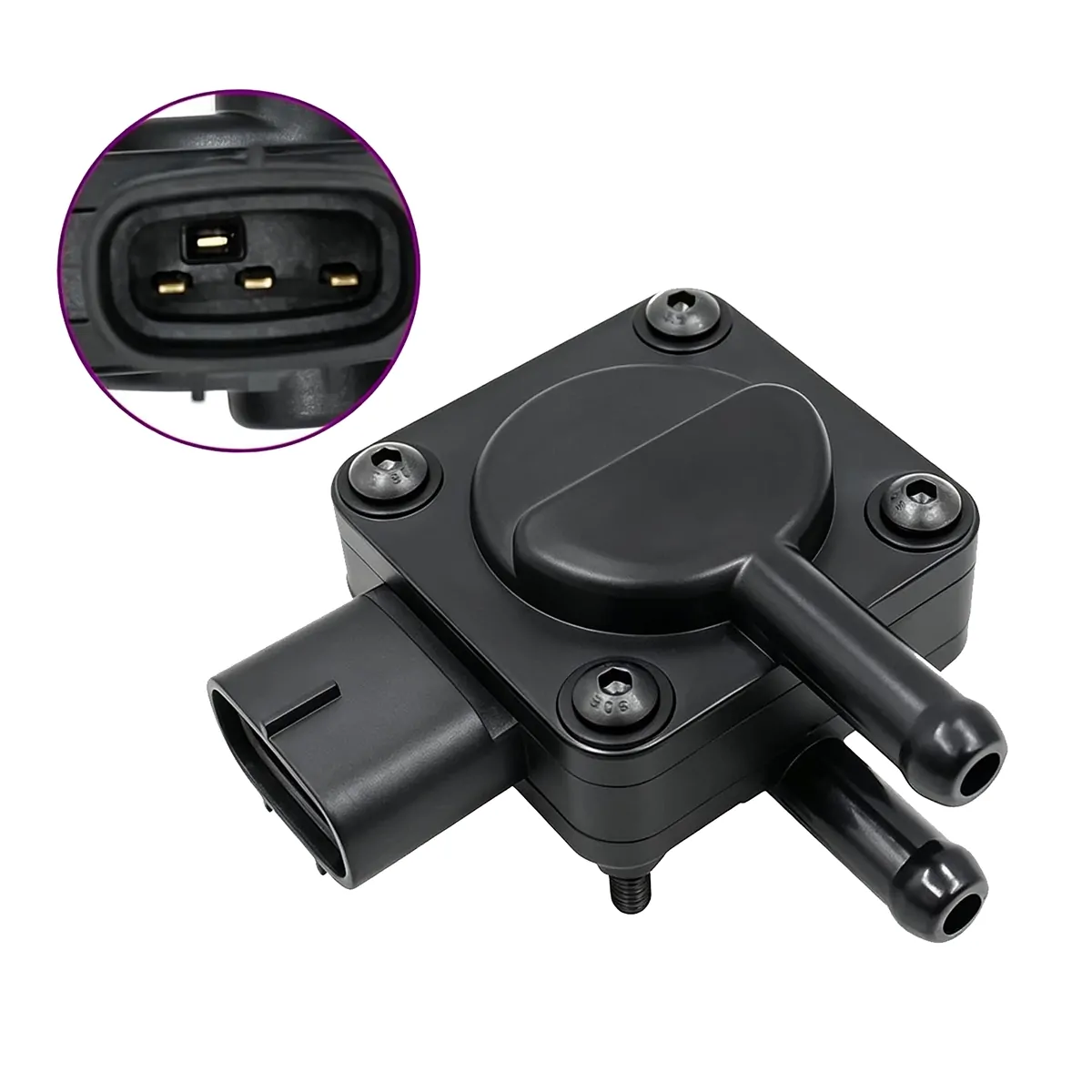
DPF Exhaust Pressure Sensor for Mitsubishi Pajero NS 3.2L 4M41 06-09
Direct Fit Replaces 1865A087
BRAND NEW *OEM Quality* DPF exhaust pressure sensor to suit Mitsubishi Pajero NS 3.2L 4M41 diesel built up to 01/2009.
A Pajero that lights up the DPF warning or loses power when towing can often be fixed with a pressure sensor instead of a new filter. A cheap check that can save a big bill. Packed and shipped from Cranbourne VIC.
TO SUIT
Mitsubishi Pajero NS (V88W V98W) with the 3.2L 4M41 DI-D diesel built 11/2006 to 01/2009, including the 2 door R and XNS. The full year and engine list is in the compatibility table on this page.
FITMENT CHECK
Factory DPF models only. Suits the Pajero NS built up to 01/2009, so check your build date first. Later Pajero models use a different DPF sensor, so compare the sensor image and the OEM number printed on your original sensor before ordering. This sensor has a 3-pin oval connector.
OEM PART NUMBERS
- 1865A087
OTHER PART NUMBERS
- 37860RFWG01
- 37860RSSE01
- 8973603682
- 8981780900
- R2AJ182B5
PACKAGE INCLUDES
1 x DPF exhaust pressure sensor with 3-pin oval connector. Holding frame, pressure hoses and mounting hardware are not included.
ABOUT THIS SENSOR
The sensor measures the pressure difference across the diesel particulate filter so the engine computer knows how loaded it is and when to regenerate.
On towing and work vehicles the filter loads fast, so a false reading leads to missed regens and a blocked filter. Fault codes P2452 to P2455 point at this circuit.
COMMON SYMPTOMS OF FAILURE
- DPF warning light on the dash
- Limp mode when towing or under load
- Regens too often or not starting
- Higher fuel consumption
- Fault codes P2452 P2453 P2454 P2455
- [11/06 - 01/09] MITSUBISHI PAJERO NS V88W/V98W SUV (3.2L 4cyl 4M41 118kW)
- [11/06 - 01/09] MITSUBISHI PAJERO NS V88W/V98W SUV (3.2L 4cyl 4M41 125kW)
- [2007 - 2009] MITSUBISHI PAJERO NS R/XNS 2 Door SUV (3.2L 4cyl 4M41T)
What is the difference between a DPF differential pressure sensor and an exhaust gas temperature sensor?
The DPF differential pressure sensor measures the pressure difference across the diesel particulate filter to determine how blocked it is with soot. The exhaust gas temperature (EGT) sensor measures the actual temperature of exhaust gases at a specific point in the exhaust system. Both sensors are used by the ECU to manage DPF regeneration - the pressure sensor triggers regeneration when the filter is blocked, and the temperature sensor monitors whether regeneration temperatures have been reached.
What are the symptoms of a faulty DPF pressure or temperature sensor?
Both sensor types can cause similar symptoms when they fail. Common signs include a DPF warning light on the dashboard, the engine entering limp mode with restricted power, failed or incomplete DPF regeneration cycles, increased fuel consumption from excessive regeneration attempts, loss of power under acceleration, and a Check Engine light with DPF or exhaust temperature fault codes. In some cases the vehicle may be locked out of further DPF regeneration until the fault is resolved.
Will a faulty DPF sensor damage the DPF itself?
Yes - indirectly. If the DPF pressure sensor fails and prevents the ECU from triggering regeneration correctly, soot accumulation will continue unmanaged. Over time an unmanaged DPF will become completely blocked, requiring forced regeneration by a workshop or DPF replacement. Similarly a faulty EGT sensor that prevents the ECU from confirming regeneration temperatures can cause repeated incomplete regeneration attempts that accelerate DPF loading.
Can I drive with a DPF or EGT sensor fault?
Short distances only. A DPF sensor fault will typically trigger limp mode on modern diesel vehicles, restricting power significantly. Even if limp mode is not triggered, driving with an unmanaged DPF blockage risks complete filter failure. EGT sensor faults can also prevent the turbocharger from receiving correct protection data, risking turbo damage under sustained high load. Both faults should be addressed promptly.
How many EGT sensors does my vehicle have?
Most modern diesel vehicles with a DPF have two or more EGT sensors - typically one upstream of the DPF and one downstream. Some vehicles also have additional sensors before and after the turbocharger and catalytic converter. Each sensor monitors a different temperature zone and feeds separate data to the ECU. A fault code will specify which sensor position has failed. Use the Vehicle Part Finder to confirm the correct sensor for your specific mounting position.
Do DPF and EGT sensors require programming after replacement?
No programming is required. Both are direct plug-in replacement sensors. Clear stored fault codes with an OBD2 scanner after replacement. If DPF regeneration was previously prevented by the sensor fault, you may need to initiate a forced regeneration using a scan tool to clear accumulated soot before returning the vehicle to normal service.
| Identification | |
|---|---|
| Brand | Aftermarket OEM Replacement |
| Part Numbers | |
| Part Number | SDP130 |
| Reference OEM Number | 1865A087 |
| Other OEM Numbers | 1865A087 |
| Related Part Numbers | DEPS1023, DP130 |
| Interchange Part Numbers | 37860RFWG01, 37860RSSE01, 8973603682, 8981780900, R2AJ182B5 |
| Product Specifics | |
| Colour | Black |
| Product Type | SENSOR |
| Sensor Type | DPF Differential Pressure Sensor |
| Number of pins | 3-Pin |
| Connector Shape | oval |
| Supplementary Article Info | COMES WITHOUT A HOLDING FRAME |
| Compatible Makes | Mitsubishi |
| Fitment Type | Direct Replacement |
| Other Details | |
| Note | Pajero NS built to 01/2009 only. Check OEM number |
Be The First To Review This Product!
Help other SENSORGAL LTD. users shop smarter by writing reviews for products you have purchased.
More From This Category

DPF Pressure Sensor for BMW 220d 420d F22 F32 F33 F36 N47 B47
Part #: SCMS328
$87.49 RRP $187.99

$168.97 RRP $299.97

$169.97 RRP $237.96

DPF Exhaust Pressure Sensor for Nissan Qashqai J11 Dualis J10 NV200 dCi
Part #: SDEPS1011
$110.00 RRP $0.00

$129.97 RRP $226.15

DPF Exhaust Pressure Sensor for Nissan Navara D23 NP300 2.3L Diesel
Part #: SDEPS1011
$110.00 RRP $187.99

$110.00 RRP $0.00

DPF Exhaust Pressure Sensor for Mercedes Benz Vito W447 111 CDI 1.6L
Part #: SDEPS1011
$110.00 RRP $0.00