


DPF Pressure Sensor Suitable for Nissan Qashqai J11 Dualis dCi
Workshop Grade Replaces 22770-00Q0C
BRAND NEW *OEM Quality* DPF pressure sensor to suit Nissan Qashqai J11 and Dualis dCi diesel.
A common wear item on Nissan's R9M dCi diesel - once it drifts, the DPF stops regenerating and you'll see reduced power and a dash warning. Replace it early to protect the filter. Same-day dispatch from Cranbourne VIC before 12pm.
TO SUIT
Fits the Nissan Qashqai J11 1.6L R9M dCi, built 2014 to 2021, and the earlier Nissan Dualis J10/NJ10/JJ10E 1.6L R9M dCi, built 2011 to 2013.
OEM PART NUMBERS
- 22770-00Q0C
- 20827-00Q0G
OTHER PART NUMBERS
- 0281006252
- DPS00016
- 6PP009409-041
PACKAGE INCLUDES
1 x OEM Quality DPF Pressure Sensor, 3-pin oval connector.
ABOUT THIS SENSOR
The DPF pressure sensor reads exhaust differential pressure across the filter so the ECU can time regeneration correctly on the R9M diesel engine shared by the Qashqai and Dualis.
COMMON SYMPTOMS OF FAILURE
- Check Engine or DPF warning light
- Fault code P2452, P2453 or P2459
- Reduced power, especially under load
- Failed regeneration cycles
- Increased fuel consumption
- [2014 - 2021] NISSAN QASHQAI J11 SUV 1.6 dCi (1.6L 4cyl R9M 96kW Diesel, FWD)
- [2011 - 2013] NISSAN DUALIS J10/NJ10/JJ10E SUV 1.6 dCi (1.6L 4cyl R9M 96kW Diesel, FWD)
What is the difference between a DPF differential pressure sensor and an exhaust gas temperature sensor?
The DPF differential pressure sensor measures the pressure difference across the diesel particulate filter to determine how blocked it is with soot. The exhaust gas temperature (EGT) sensor measures the actual temperature of exhaust gases at a specific point in the exhaust system. Both sensors are used by the ECU to manage DPF regeneration - the pressure sensor triggers regeneration when the filter is blocked, and the temperature sensor monitors whether regeneration temperatures have been reached.
What are the symptoms of a faulty DPF pressure or temperature sensor?
Both sensor types can cause similar symptoms when they fail. Common signs include a DPF warning light on the dashboard, the engine entering limp mode with restricted power, failed or incomplete DPF regeneration cycles, increased fuel consumption from excessive regeneration attempts, loss of power under acceleration, and a Check Engine light with DPF or exhaust temperature fault codes. In some cases the vehicle may be locked out of further DPF regeneration until the fault is resolved.
Will a faulty DPF sensor damage the DPF itself?
Yes - indirectly. If the DPF pressure sensor fails and prevents the ECU from triggering regeneration correctly, soot accumulation will continue unmanaged. Over time an unmanaged DPF will become completely blocked, requiring forced regeneration by a workshop or DPF replacement. Similarly a faulty EGT sensor that prevents the ECU from confirming regeneration temperatures can cause repeated incomplete regeneration attempts that accelerate DPF loading.
Can I drive with a DPF or EGT sensor fault?
Short distances only. A DPF sensor fault will typically trigger limp mode on modern diesel vehicles, restricting power significantly. Even if limp mode is not triggered, driving with an unmanaged DPF blockage risks complete filter failure. EGT sensor faults can also prevent the turbocharger from receiving correct protection data, risking turbo damage under sustained high load. Both faults should be addressed promptly.
How many EGT sensors does my vehicle have?
Most modern diesel vehicles with a DPF have two or more EGT sensors - typically one upstream of the DPF and one downstream. Some vehicles also have additional sensors before and after the turbocharger and catalytic converter. Each sensor monitors a different temperature zone and feeds separate data to the ECU. A fault code will specify which sensor position has failed. Use the Vehicle Part Finder to confirm the correct sensor for your specific mounting position.
Do DPF and EGT sensors require programming after replacement?
No programming is required. Both are direct plug-in replacement sensors. Clear stored fault codes with an OBD2 scanner after replacement. If DPF regeneration was previously prevented by the sensor fault, you may need to initiate a forced regeneration using a scan tool to clear accumulated soot before returning the vehicle to normal service.
| Identification | |
|---|---|
| SKU | DP112-Nissan-Qashqai |
| Brand | Aftermarket OEM Replacement |
| Part Numbers | |
| Part Number | DEPS1011 |
| Reference OEM Number | 22770-00Q0C |
| Other OEM Numbers | 22770-00Q0C, 2277000Q0C, 20827-00Q0G, 2082700Q0G |
| Trade Part Numbers | 0281006252, DPS00016, 6PP009409-041 |
| Product Specifics | |
| Product Type | SENSOR |
| Sensor Type | Exhaust Pressure Sensor |
| Number of pins | 3 -pin connector |
| Connector Shape | oval |
| Pressure Range | 100 kPa |
| Number of mounting bores | 1 |
| Number of circuits | 2 |
| Fitment Type | Direct Replacement |
| Other Details | |
| Note | Always verify fitment using your vehicle's OEM part number. |
Be The First To Review This Product!
Help other SENSORGAL LTD. users shop smarter by writing reviews for products you have purchased.
More From This Category
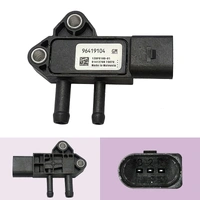
$168.97 RRP $299.97
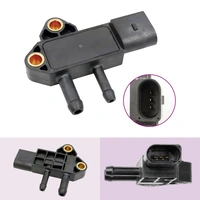
Exhaust Pressure Sensor for Mazda CX-5 Mazda 6 GJ Mazda 3 BM 2.2D SH01-182B2
SKU: DP109_0986280718-3
$129.97 RRP $226.15

$168.97 RRP $299.97

DPF Pressure Sensor Suitable for Nissan X-Trail T31 T32 dCi Diesel
SKU: DP112-Nissan-Xtrail
$110.00 RRP $0.00
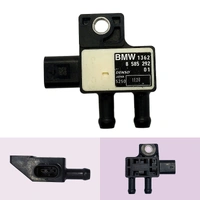
$142.99 RRP $347.99
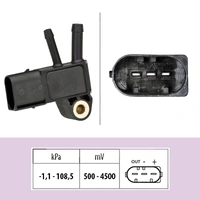
DPF Pressure Sensor for Chrysler 300C 3.0L Grand Voyager RT 2.8L CRD Diesel
SKU: DP104-Chrysler
$169.97 RRP $237.96
$169.97 RRP $237.96
DPF Pressure Sensor for Ssangyong Musso Rexton Korando Tivoli 6711590058
SKU: DP112-Ssangyong
$110.00 RRP $0.00