
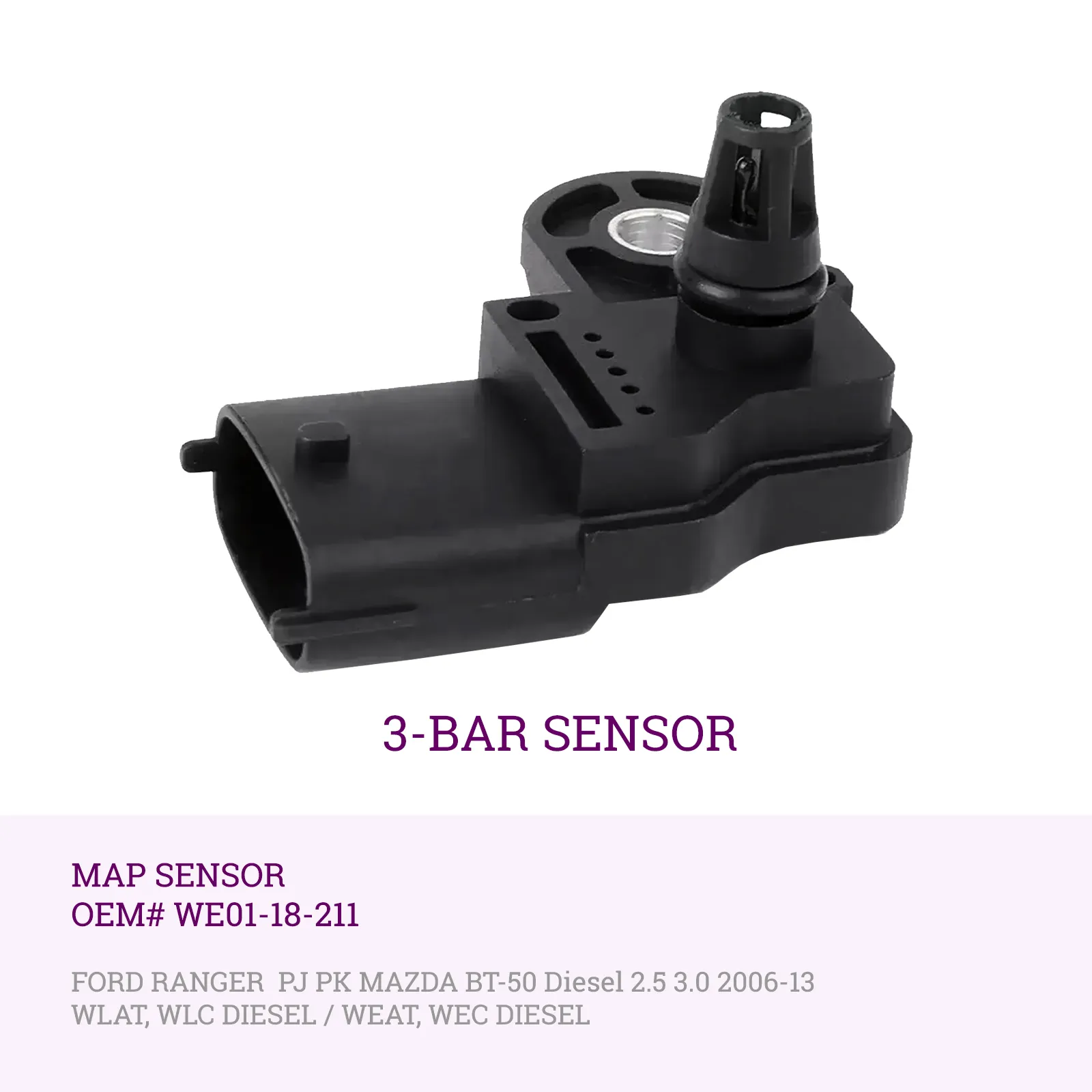
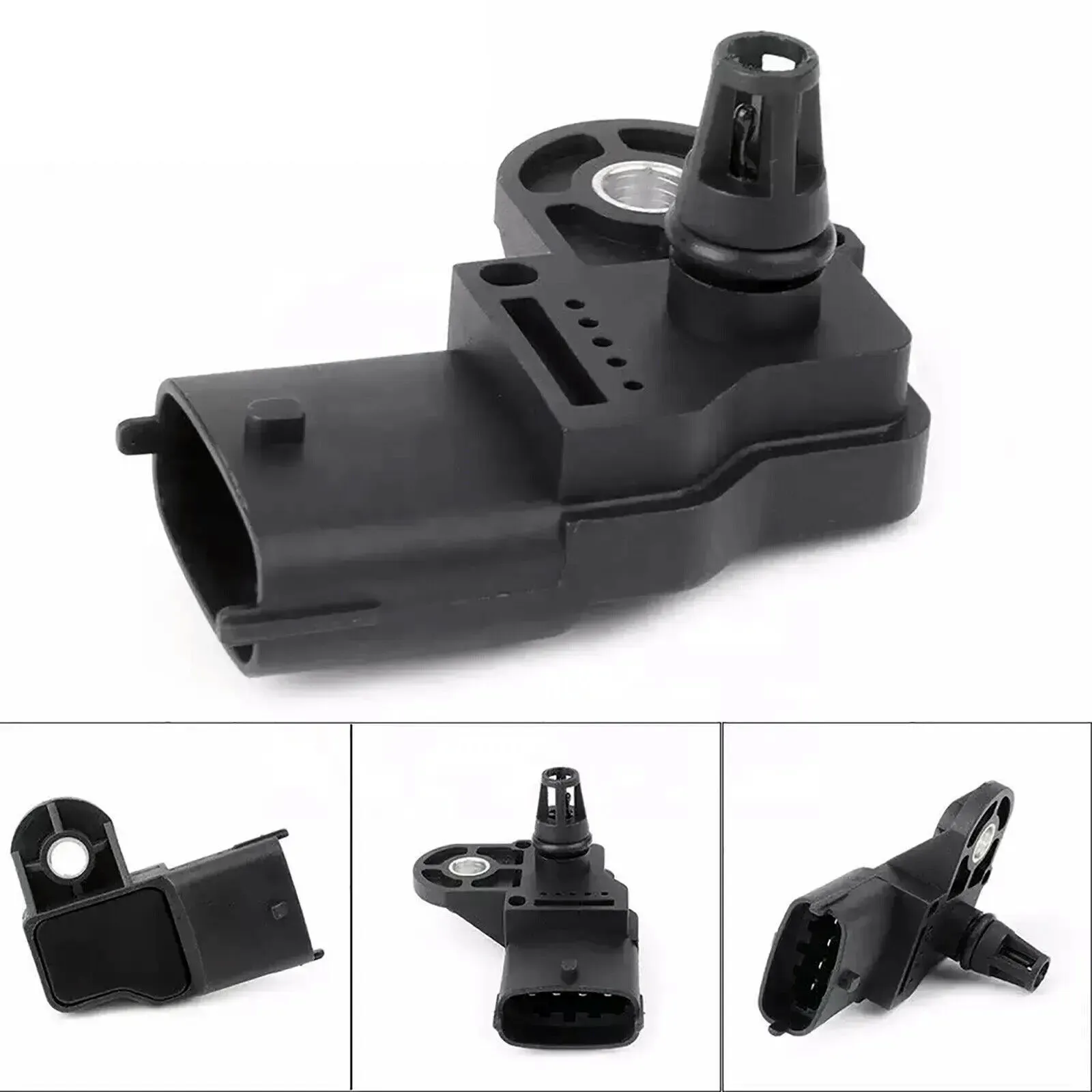
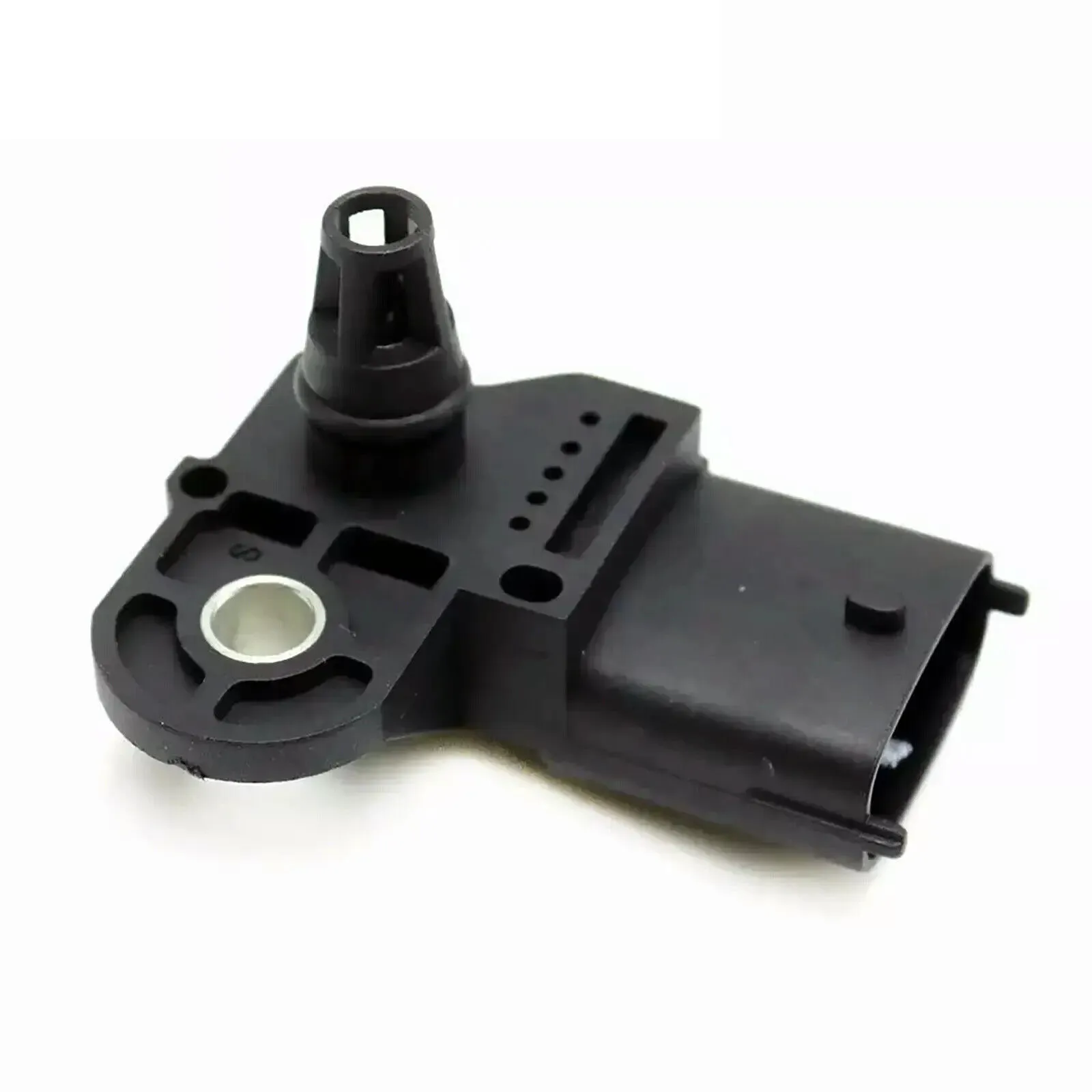
Boost MAP Sensor for Ford Ranger PJ PK 2.5L 3.0L Diesel 2006-2011 6M34-9J433-AA
Heavy Duty Fit Replaces 6M34-9J433-AA
BRAND NEW *OEM Quality* 3-bar boost / MAP sensor to suit Ford Ranger PJ PK 2.5L and 3.0L turbo diesel.
A failing boost sensor on the PJ PK Ranger drops it into limp mode with black smoke and no pulling power, usually when towing or loaded up. This direct-fit sensor restores accurate boost readings and is shipped via Australia Post Express.
TO SUIT
Made for the Ford Ranger PJ and PK from 2006 to 2011 with the 2.5L WLAT and 3.0L WEAT Duratorq TDCi turbo diesel. The same sensor also fits the Mazda BT-50 with the same engines, and the Falcon FG EcoBoost, Focus LZ, Kuga TF and Mustang EcoBoost petrol turbos - see the full list.
OEM PART NUMBERS
- 6M34-9J433-AA
- WE01-18-211
- EL8A-9F479-CA
- EL8Z9F479A
- BS51-9J559-BA
- BV61-9F479-AA
- 1448387
- 1723819
- 1871255
- 5094154
OTHER PART NUMBERS
- 0281006076
- 0281002437
- 0281002680
- 0281002845
- 0281006028
- 0281006077
- EPBBPT4-V001Z
- V24-72-0099
- PS10144
- 7.18222.27.0
- MP186
- MAP-070
- TMP076
PACKAGE INCLUDES
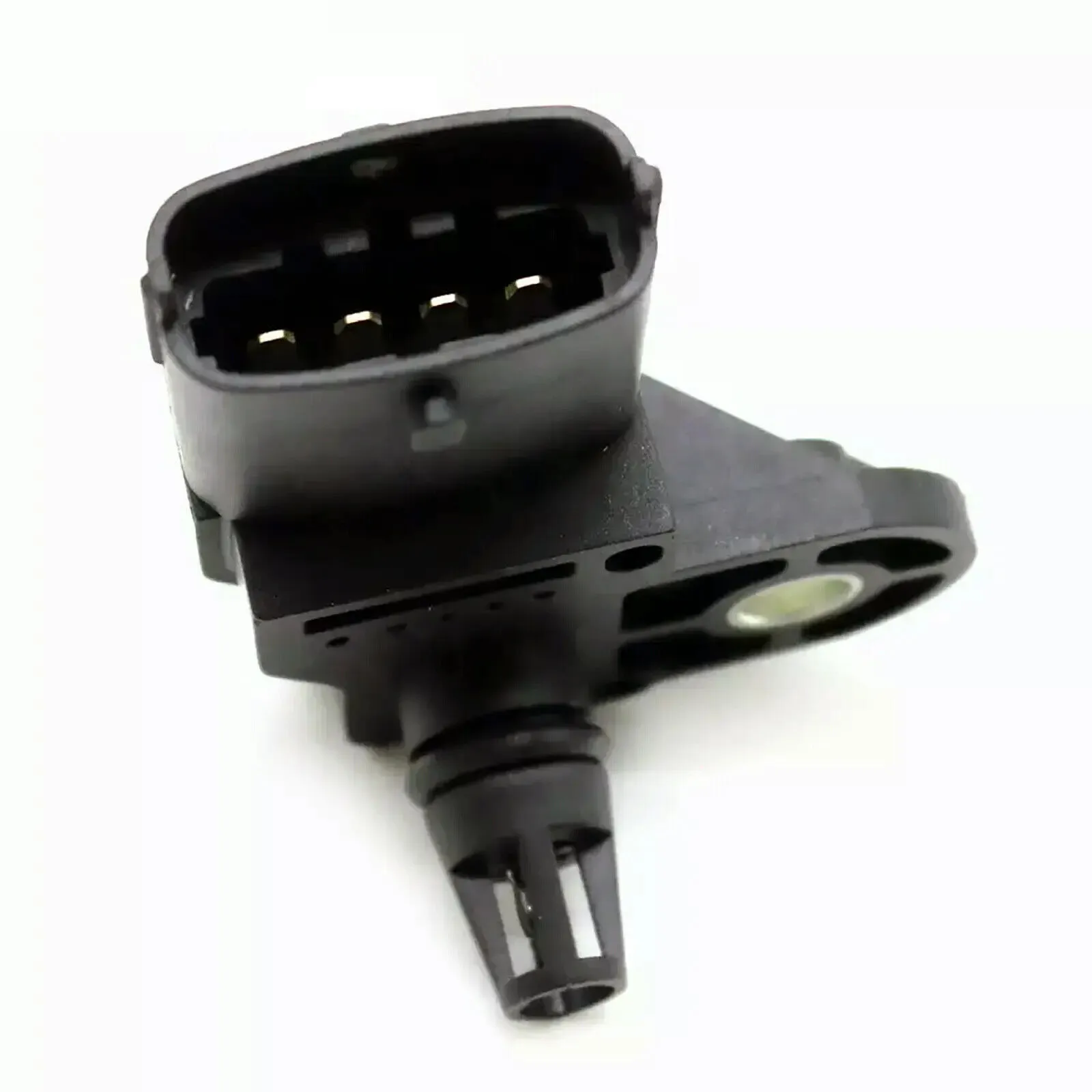
1 x 3-bar boost / MAP sensor, 20-300 kPa range, 4-pin oval plug with integrated air temperature sensor and seal.
ABOUT THIS SENSOR
On the WLAT and WEAT the sensor sits on the intercooler outlet pipe and reads boost pressure and intake air temperature. The ECU uses both to set injection quantity and drive the variable-geometry turbo.
A slow or noisy signal makes the ECU cut boost to protect the engine, so the Ranger feels flat, blows black smoke and logs boost fault codes. Oil mist from the PCV system often coats the sensor and is a common reason they fail.
COMMON SYMPTOMS OF FAILURE
- Limp mode and loss of power when towing or loaded
- Fault codes P0235 / P0236 / P0237 / P0238 (boost sensor)
- Fault codes P0105 / P0106 (MAP circuit)
- Black smoke under acceleration
- Higher fuel consumption
- [11/06 - 03/09] FORD RANGER PJ TD (3.0L 4cyl WEAT 115kW)
- [11/06 - 03/09] FORD RANGER PJ TDdi (2.5L 4cyl WLAT (16 V) 105kW)
- [11/06 - 03/09] FORD RANGER PJ TDdi (3.0L 4cyl WEAT 115kW)
- [03/09 - 11/11] FORD RANGER PK TDdi (2.5L 4cyl WLAT (16 V) 105kW)
- [03/09 - 11/11] FORD RANGER PK TDdi (3.0L 4cyl WEAT 115kW)
- [01/12 - 12/14] FORD FALCON FG EcoBoost XT (2.0L 4cyl C20HDTX 179kW)
- [05/15 - 12/18] FORD FOCUS LZ i (1.5L 4cyl M9DD 132kW)
- [11/14 - 08/16] FORD KUGA TF EcoBoost (1.5L 4cyl M8MA 110kW)
- [09/15 - 08/16] FORD KUGA TF EcoBoost (1.5L 4cyl M9MA 134kW)
- [04/13 - 11/14] FORD KUGA TF EcoBoost (1.6L 4cyl JQMA,JQMB 110kW)
- [04/13 - 11/14] FORD KUGA TF EcoBoost (1.6L 4cyl JTMA 134kW)
- [12/14 - 06/18] FORD MUSTANG FM,FN EcoBoost (2.3L 4cyl C23HD0D 233kW)
- [10/06 - 12/11] MAZDA BT-50 UNY0E3 CDVi (3.0L 4cyl WEAT 115kW)
- [12/06 - 12/11] MAZDA BT-50 UNY0W3 CDVi (2.5L 4cyl WLAT (16 V) 105kW)
- [08/06 - 06/13] MAZDA BT-50 UNY0W3 MRZ-CD (2.5L 4cyl WLAA 105kW)
What fault codes does a faulty MAP sensor trigger?
A faulty MAP sensor typically triggers codes P0105 to P0109. P0105 indicates a circuit malfunction, P0106 indicates the signal is out of range, P0107 and P0108 indicate the signal is too low or too high respectively, and P0109 indicates an intermittent circuit fault. These codes combined with symptoms such as poor idle and black smoke are strong indicators of MAP sensor failure.
How do I test a MAP sensor?
With an OBD2 scanner in live data mode, the MAP sensor should read close to atmospheric pressure (around 101 kPa) with the engine off, and drop to 30 to 50 kPa at idle with the engine running due to manifold vacuum. Under wide open throttle the reading should rise back toward atmospheric. A sensor that reads flat or does not respond to throttle changes has failed. You can also test supply voltage and signal output with a multimeter.
Can I drive with a faulty MAP sensor?
You can drive short distances but engine performance will be noticeably degraded. The ECU uses the MAP sensor to calculate fuel delivery - a faulty sensor causes incorrect fuelling which leads to poor economy, rough running, and increased emissions. On turbocharged engines a faulty MAP sensor can also prevent boost control from operating correctly. Replace it as soon as possible to avoid further damage.
What does a MAP sensor do?
The Manifold Absolute Pressure (MAP) sensor measures intake manifold pressure to help the ECU calculate the correct fuel and ignition timing. It is critical for engine efficiency, particularly on turbocharged and supercharged vehicles.
What are the symptoms of a faulty MAP sensor?
Symptoms include poor acceleration, rough idle, excessive fuel consumption, black smoke, engine hesitation, and a Check Engine light with codes P0105-P0109. Turbocharged vehicles may also experience boost control issues.
What is the difference between a MAP sensor and a MAF sensor?
A MAF (Mass Air Flow) sensor directly measures the mass of air entering the engine. A MAP sensor measures manifold pressure and the ECU calculates air mass from that reading. Many vehicles use one or the other; some use both. They are not interchangeable.
| Identification | |
|---|---|
| Brand | Aftermarket OEM Replacement |
| Part Numbers | |
| Part Number | SCMS225 |
| Reference OEM Number | 6M34-9J433-AA |
| Other OEM Numbers | 6M34-9J433-AA, WE01-18-211, EL8A-9F479-CA, EL8Z9F479A, 1448387 |
| Related Part Numbers | CMS225, MAP-070, MP186, TMP076, DTBS1011 |
| Interchange Part Numbers | 0281002680, 0281006076, 0281002437, 0281002845 |
| Product Specifics | |
| Product Type | SENSOR |
| Sensor Type | Manifold Absolute Pressure (MAP) Sensor |
| Number of pins | 4 -pin connector |
| Connector Shape | oval |
| Supplementary Article Info | with integrated air temperature sensor |
| Pressure Range | from 20 kPa, until 300 kPa |
| Number of mounting bores | 1 |
| Other Details | |
| Note | Always verify fitment using your vehicle's OEM part number. |
Be The First To Review This Product!
Help other SENSORGAL LTD. users shop smarter by writing reviews for products you have purchased.
More From This Category
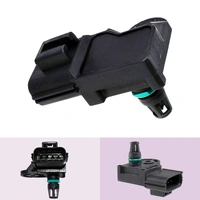
$78.45 RRP $129.99
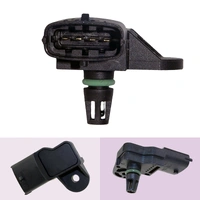
$119.97 RRP $139.97
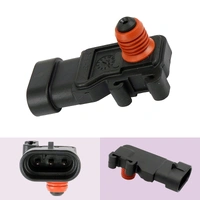
$78.97 RRP $138.99
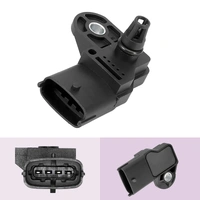
$112.90 RRP $169.97
MAP Sensor for Mitsubishi Lancer Outlander Pajero 4B11 4B12 07-12
Part #: SMAP1160
$120.97 RRP $149.07
$112.90 RRP $169.97
$107.99 RRP $137.77
$100.00 RRP $100.32