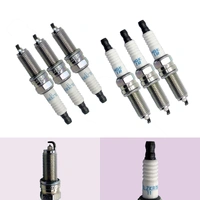
32% OFF

$79.97 RRP $117.00
Save $37.03
Shop OEM replacement ignition system parts including coils, spark plugs, leads, modules and starter switches for Toyota, Holden, Ford, Mitsubishi, Nissan and more. Use the Vehicle Part Finder to confirm fitment.
$79.97 RRP $117.00
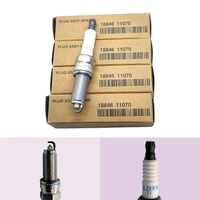
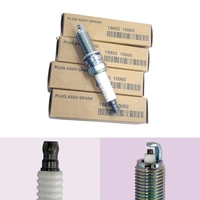
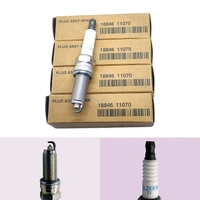
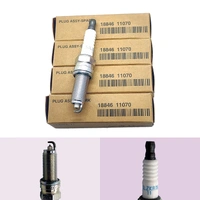
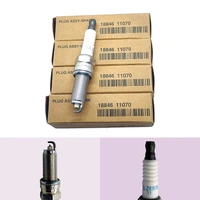
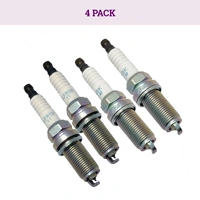
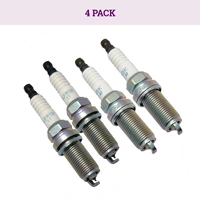
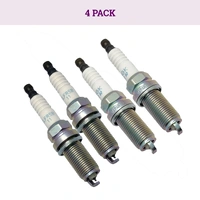
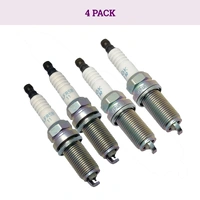
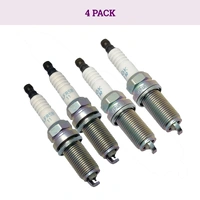
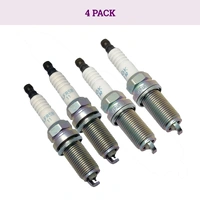
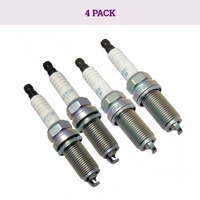
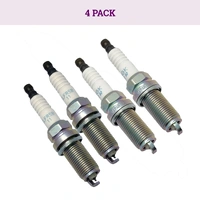
4 Pack Spark Plug for Hyundai Accent Elantra i30 i40 i45 ix35 Kona Santa-Fe Sona
SKU: 1884611070-4pack
$175.99 RRP $220.00
4 Pack Spark Plug for Hyundai Accent RB 1.6L G4FC 2010-19 90kW
SKU: 1885510060-Accent
$60.00 RRP $90.00
4 Pack Spark Plug for Hyundai Elantra Md Ud 1.8L 4CYL G4NB 110kW Upto 2011
SKU: 1885510060-Elantra
$60.00 RRP $90.00
4 Pack Spark Plug for Hyundai i30 FD PD i20 PB Venue QX 1.6L G4FC Check
SKU: 1885510060-i30
$60.00 RRP $90.00
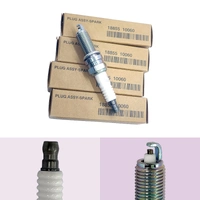
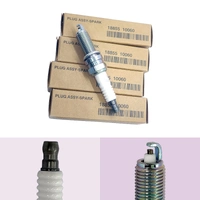
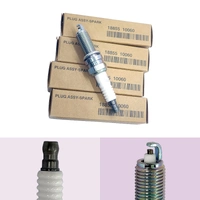
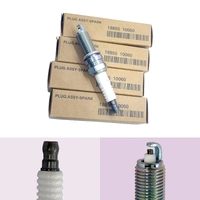
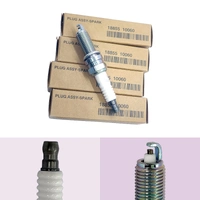
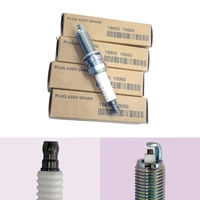
4 Pack Spark Plug for Hyundai Kia 18855-10060 1885510060 LZKR6B-10E XUH22TT 0242
SKU: 1885510060-4PACK
$60.00 RRP $90.00
4 Pack Spark Plug for Kia Cerato BD YD Optima Rio Rondo Sorento Soul Sportage
SKU: 1884611070-Kia
$175.99 RRP $220.00
4 Pack Spark Plug for Kia Rio UB 1.4L G4FA Soul AM 1.6L G4FC 2011-15
SKU: 1885510060-Rio
$60.00 RRP $90.00
4 Pack Spark Plug for Smart ForTwo 454 451 M122 M132 2005-15 1.5L 1.0L
SKU: 1885510060-Smart
$60.00 RRP $90.00
4 Pack Spark Plug for Ssangyong Korando CK 2.0L G20 2012-16
SKU: 1884611070-Ssangyong
$175.99 RRP $220.00
4 Pack Spark Plug for Ssangyong Korando CK 2.0L G20 Tivoli SUV 1.6L G16DF
SKU: 1885510060-Ssangyong
$60.00 RRP $90.00
4 Pack Spark Plug for Suzuki Ignis Swift 1.2L K12C 2016-ON SILZKR7B11 9023
SKU: 1884611070-Suzuki
$175.99 RRP $220.00
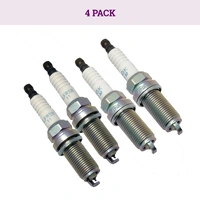
4 Pack Spark Plug to Replace 18840-11051 Ngk ILFR5B11 9006 REC10WYPB4 IKH16TT
SKU: 1884011051-4PACK
$162.97 RRP $220.00
4PACK Spark Plug for Honda Civic Ed FD LDA1 LDA2 1.3L 2004-12
SKU: 1884011051-4PACK-Honda
$162.97 RRP $220.00
4PACK Spark Plug for Hyundai Iload Imax Tq 2.4L i45 Yf ix35 Lm G4KD G4KC G4KE
SKU: 1884011051-4PACK-Hyundai
$162.97 RRP $220.00
4PACK Spark Plug for Kia Cerato Td Sorento Xm Sportage SL G4KD G4KC 2.0L 2.4L
SKU: 1884011051-4PACK-Kia
$162.97 RRP $220.00
4PACK Spark Plug for Lexus Es Nx 300H 2AR-Fxe 2.5L RX270 2.7L 2008-0N
SKU: 1884011051-4PACK-Lexus
$162.97 RRP $220.00
4PACK Spark Plug for Mitsubishi Colt Z23 1.5L 2004-12 4G15
SKU: 1884011051-4PACK-Mitsubis
$162.97 RRP $220.00
4PACK Spark Plug for Nissan X-Trail T30 Pulsar N16 Cube Micra Note
SKU: 1884011051-4PACK-Nissan
$162.97 RRP $220.00
4PACK Spark Plug for Subaru Forester Liberty Impreza EJ20 EJ25 2000-13
SKU: 1884011051-4PACK-Subaru
$162.97 RRP $220.00
4PACK Spark Plug for Suzuki SX4 J20A S-Cross M16A 1.6L 2.0L 2006-16
SKU: 1884011051-4PACK-Suzuki
$162.97 RRP $220.00
4PACK Spark Plug for Toyota 2ARFE 2TRFE Hiace Trh Hilux Tgn Camry Prado
SKU: 1884011051-4PACK-Toyota
$162.97 RRP $220.00
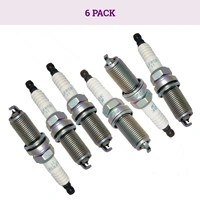
6 Pack Spark Plug for Hyundai Kia 18846-11070 SILZKR7B11 9023 RER10WMPB4
SKU: 1884611070-6PACK
$210.00 RRP $340.00
6 Pack Spark Plug for Infiniti G35 3.5L V6 VQ35DE 2002-07
SKU: 1884011051-6PACK-Infiniti
$219.00 RRP $330.00
A healthy ignition system is what turns fuel into motion. From the moment you turn the key to the spark that fires each cylinder, every component in the ignition system plays a critical role. SensorGal stocks aftermarket OEM replacement ignition system parts including coils, coil packs, spark plugs, ignition leads, DFI modules, and starter switches for Toyota, Holden, Ford, Mitsubishi, Nissan, Hyundai, Kia, BMW, Mazda, Subaru, Mercedes-Benz and Suzuki. Orders placed before 12 noon are dispatched same day from our Cranbourne VIC warehouse. All parts carry a 1-Year Australian warranty.
The direct fire ignition (DFI) module, also called a distributorless ignition module, controls spark timing without a traditional distributor. It receives position signals from the crankshaft and camshaft sensors and triggers each ignition coil to fire in the correct sequence for each cylinder. DFI systems deliver more precise timing than distributor-based systems and are not subject to the mechanical wear of a distributor cap and rotor.
A failing DFI module typically causes misfires on one or more cylinders depending on how many coil outputs are affected. Common symptoms include engine cranking but not starting due to no spark, cylinder-specific misfires with codes P0300 to P0312, rough idle, hesitation under acceleration, and intermittent stalling particularly when the engine is at operating temperature. Some modules fail completely when hot and recover when cool - a pattern that strongly suggests ignition module failure.
The most reliable test is to scan for fault codes and check for spark at each cylinder using an inline spark tester. If specific cylinders have no spark while others do, the module output for those cylinders has failed. You can also swap the module with a known good unit. Some modules can be tested with a multimeter by checking trigger signal voltage at the module input terminals while cranking - refer to a workshop manual for your specific vehicle.
Yes - if the DFI module fails completely it will produce no spark to any cylinder and the engine will crank but not start. This is one of the more common causes of a no-crank-no-spark no-start on vehicles without a traditional distributor. An OBD2 scanner may show crankshaft or camshaft sensor codes in addition to ignition module faults, since the module relies on sensor inputs to determine timing.
Yes - DFI module, ignition control module (ICM), and ignition module are different names for the same component depending on the manufacturer. Holden and some Ford applications use the term DFI module, while other manufacturers call it an ICM or ignition amplifier. The function is identical - controlling coil triggering based on crankshaft and camshaft position sensor signals.
Clear any stored fault codes with an OBD2 scanner after replacement. On most vehicles no further reset is required - the module is a direct replacement with no programming. However if misfire codes were stored for an extended period the ECU may have modified fuel trim values as a result of the misfires. These will self-correct over several drive cycles once the new module is installed and the engine is running correctly.