36% OFF
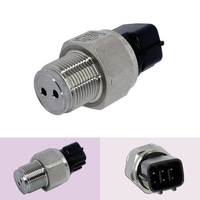
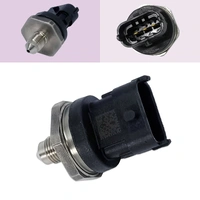
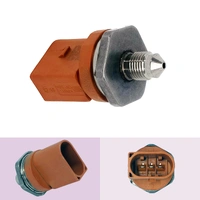
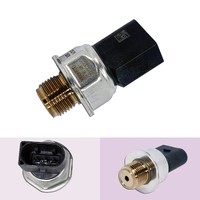
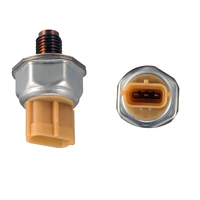
Fuel Pressure Sensor for Toyota Landcruiser V8 Diesel (1VD-FTV) VDJ78 79 200 76
SKU: RPS116-8945871010_2
$319.97 RRP $499.00
Save $179.03
Shop OEM replacement fuel rail pressure sensors for Toyota, Holden, Ford, Mitsubishi, Nissan and more. Matched to OEM pressure range specifications. Use the Vehicle Part Finder to confirm the right sensor for your vehicle.
Fuel Pressure Sensor for Toyota Landcruiser V8 Diesel (1VD-FTV) VDJ78 79 200 76
SKU: RPS116-8945871010_2
$319.97 RRP $499.00
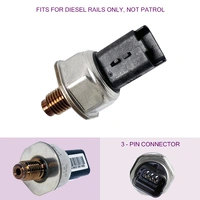
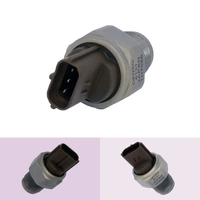
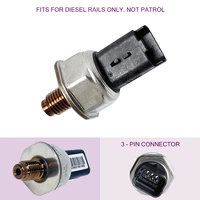
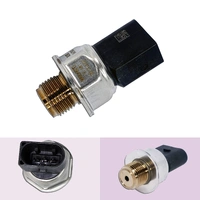
Fuel RAIL Pressure Sensor for Toyota Land Cruiser Prado 120 & 150 Series
SKU: RPS111-8945860010_3
$217.97 RRP $367.00
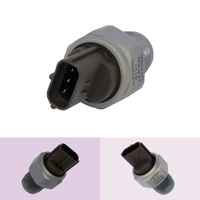
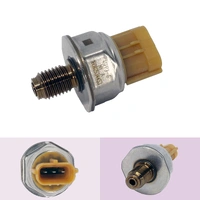
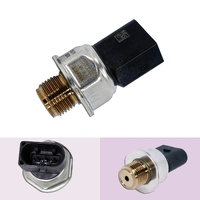
*OEM Quality* Fuel Pressure Sensor for Hyundai Santa Fe G4KJ 353402G710
SKU: RPS119-353402G710
$261.00 RRP $536.00
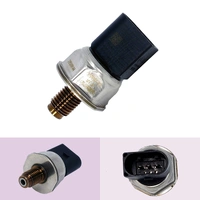
35342-2E500 Fuel RAIL Pressure Sensor for Hyundai i30 Santa-Fe Kia Sportage Carn
SKU: RPS131-353422E500
$249.97 RRP $400.00
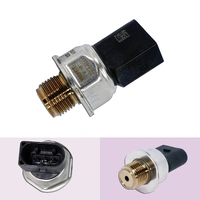
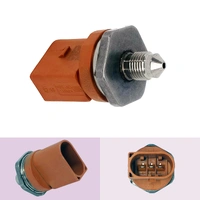
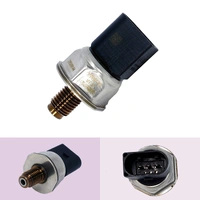
Fuel High Pressure Sensor for Audi A3 A4 A5 & Q5 TFSI Engines
SKU: RPS126-Audi
$85.99 RRP $169.00
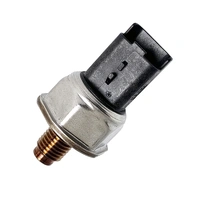
Fuel Pressure Sensor for Ford Focus Lt Lv Lw Fiesta Escape Kuga Diesel Engines O
SKU: RPS101-55PP0603_FORD_2
$183.97 RRP $299.00
Fuel Pressure Sensor for Holden Cruze JH 2.0L 4CYL Z20D1 120kW
SKU: RPS115-85PP3002_2
$139.97 RRP $257.99
$249.97 RRP $527.54
Fuel Pressure Sensor for Mazda CX-7 Mazda 3 Mazda 6 MPS 2.3L Repl L807-18-211
SKU: RPS129-L80718211
$129.97 RRP $279.99
$249.97 RRP $527.54
$85.99 RRP $169.00
Fuel RAIL Pressure Sensor 13627805026 for BMW Mini (R56) Cooper D 2006-On Diesel
SKU: RPS101-13627805026-MINI
$183.97 RRP $299.00
Fuel Rail Pressure Sensor 31401-4A400 for Hyundai Kia Diesel Crd iLoad iMax
SKU: RPS109-314014A400
$345.00 RRP $710.00
Fuel RAIL Pressure Sensor Fits Bentley Continental Flying Spur 4.0 V8 FLEX
SKU: 0261545050_Bentley
$97.99 RRP $349.00
$97.97 RRP $287.00
Fuel RAIL Pressure Sensor for Ford Mondeo Ma Mb Mc 2.0 Tdci Diesel Engines Only
SKU: RPS101-55PP0603_FORD
$183.97 RRP $299.00
Fuel Rail Pressure Sensor for Ford Ranger PX 2.2L Small Thread 55PP0702 85PP0703
SKU: RPS127-85PP0703_FORD
$109.99 RRP $212.97
Fuel RAIL Pressure Sensor for Ford Transit VM 2.2L & 2.4L Duratorq Diesel
SKU: RPS100-TRANSIT-VM
$139.97 RRP $299.00
Fuel RAIL Pressure Sensor for Great Wall GWM H6 Steed Ute V200 X200 GW4D20 Diese
SKU: RPS115-GreatWall
$139.97 RRP $257.99
Fuel RAIL Pressure Sensor for Holden Captiva CG 2.2L Z22D1 135kW 2010-On
SKU: RPS115-85PP3002_1
$139.97 RRP $257.99
Fuel RAIL Pressure Sensor for Hyundai Iload Imax TQ 2.5L D4CB CRDI
SKU: RPS115-85PP3002
$139.97 RRP $257.99
Fuel Rail Pressure Sensor for Hyundai Terracan & Kia Carnival 2.9L J3 Diesel
SKU: RPS127-85PP0703
$99.00 RRP $212.97
$139.97 RRP $299.00
$139.97 RRP $257.99
The fuel rail pressure sensor monitors the fuel pressure inside the fuel rail and sends real-time data to the ECU. The ECU uses this information to adjust injector pulse width and fuel pump output to maintain the correct fuel pressure for the current engine load. On common rail diesel engines the rail pressure can exceed 2,000 bar - and the sensor must accurately monitor this across the full operating range.
A faulty fuel rail pressure sensor causes the ECU to miscalculate fuel delivery. Common symptoms include:
Fuel rail pressure sensors vary in pressure range, connector type, and thread size between petrol and diesel applications and between manufacturers. Fitting an incorrect sensor will produce inaccurate pressure readings and can cause the engine to run dangerously rich or lean. Every sensor in our range is matched to OEM specifications. Use the Vehicle Part Finder to confirm fitment before ordering.
SensorGal is a 100% Australian owned family business stocking aftermarket OEM replacement fuel rail pressure sensors for Toyota, Holden, Ford, Mitsubishi, Nissan, Hyundai and more. Orders placed before 12 noon are dispatched same day from our Cranbourne VIC warehouse via express post. All parts carry a 1-Year Australian warranty and our no-fuss returns policy.
The fuel rail pressure sensor is an electronic sensor that monitors fuel pressure in the rail and reports this data to the ECU in real time. The ECU uses the sensor reading to adjust injector pulse width and pump output. The fuel pressure regulator is a mechanical or electronic valve that physically controls and limits fuel pressure by diverting excess fuel. They work together - the regulator sets the pressure and the sensor monitors it.
A faulty fuel rail pressure sensor sends incorrect pressure data to the ECU, causing it to miscalculate fuel delivery. Common symptoms include hard starting, engine stalling at idle or under load, poor fuel economy, hesitation under acceleration, engine entering limp mode on diesel vehicles, and a Check Engine light with fuel pressure codes P0190 to P0194. On common rail diesel engines the symptoms can be severe as rail pressure management is critical.
A failing regulator causes persistent fuel pressure problems. A regulator that allows pressure to rise too high causes the engine to run rich, producing black smoke, high fuel consumption, and fuel smell from the engine bay. A regulator that allows pressure to drop too low causes hard starting, stalling, hesitation, and loss of power under load. Both conditions affect injector performance and can cause misfires and catalyst damage over time.
You can drive short distances but it is not recommended. A faulty pressure sensor may cause the engine to run incorrectly rich or lean depending on the failure mode. A faulty regulator causing low pressure can leave the vehicle stranded if pressure drops below the minimum required for starting. Continued driving with a fuel pressure fault can also damage fuel injectors and catalytic converters.
A faulty sensor will produce incorrect ECU readings without affecting actual fuel pressure - you can verify this by checking actual fuel pressure with a mechanical fuel pressure gauge while the engine is running. If the mechanical gauge reads correctly but the ECU is reporting an incorrect value, the sensor has failed. If the mechanical gauge also reads incorrectly, the fault is in the regulator, pump, or fuel system rather than the sensor.
No programming is required for either component. Both are direct replacement parts that plug directly in. Clear stored fault codes with an OBD2 scanner after replacement and verify the fuel pressure reading in live data matches the specification for your engine. On common rail diesel engines allow several minutes of running time for the system to stabilise before checking live data values.