
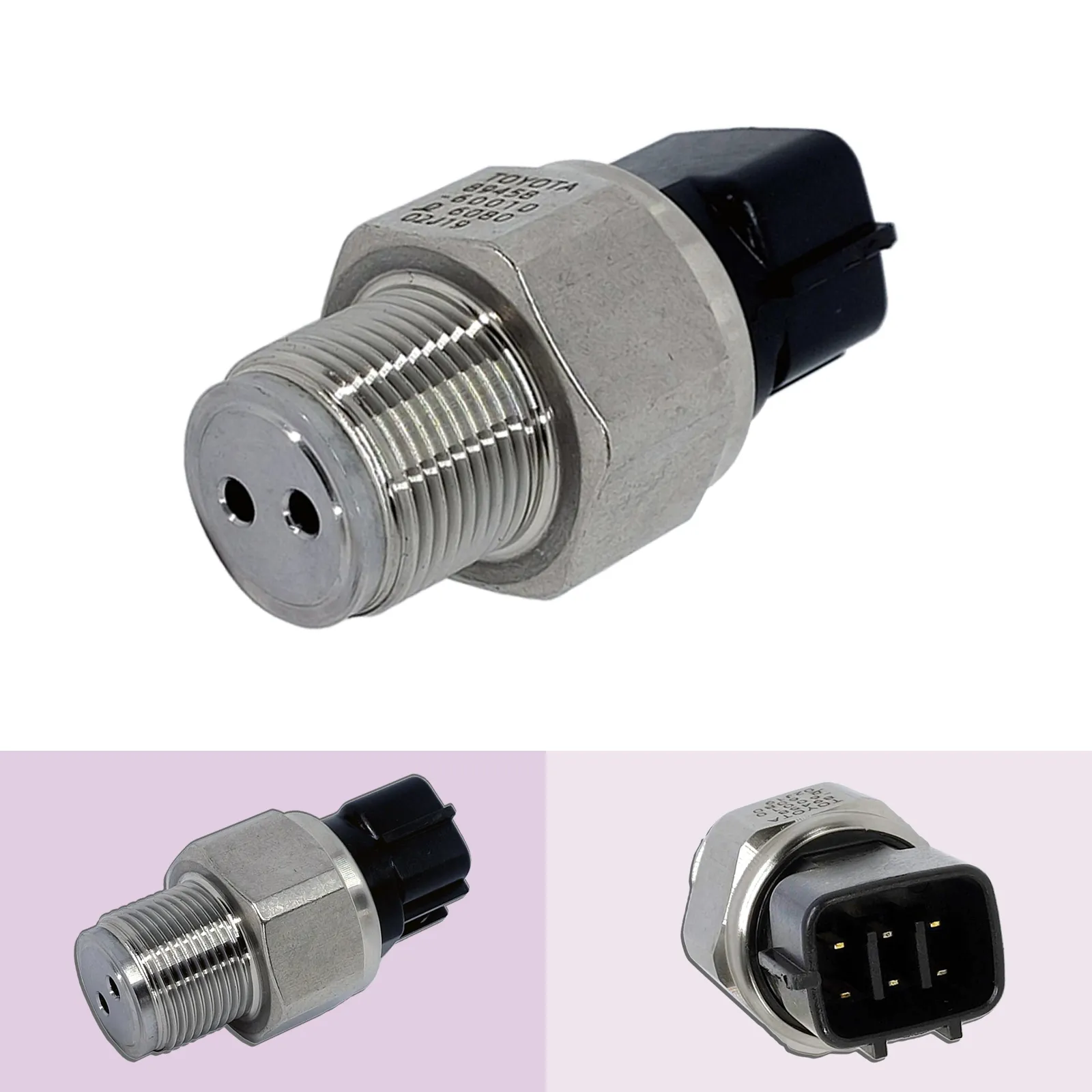
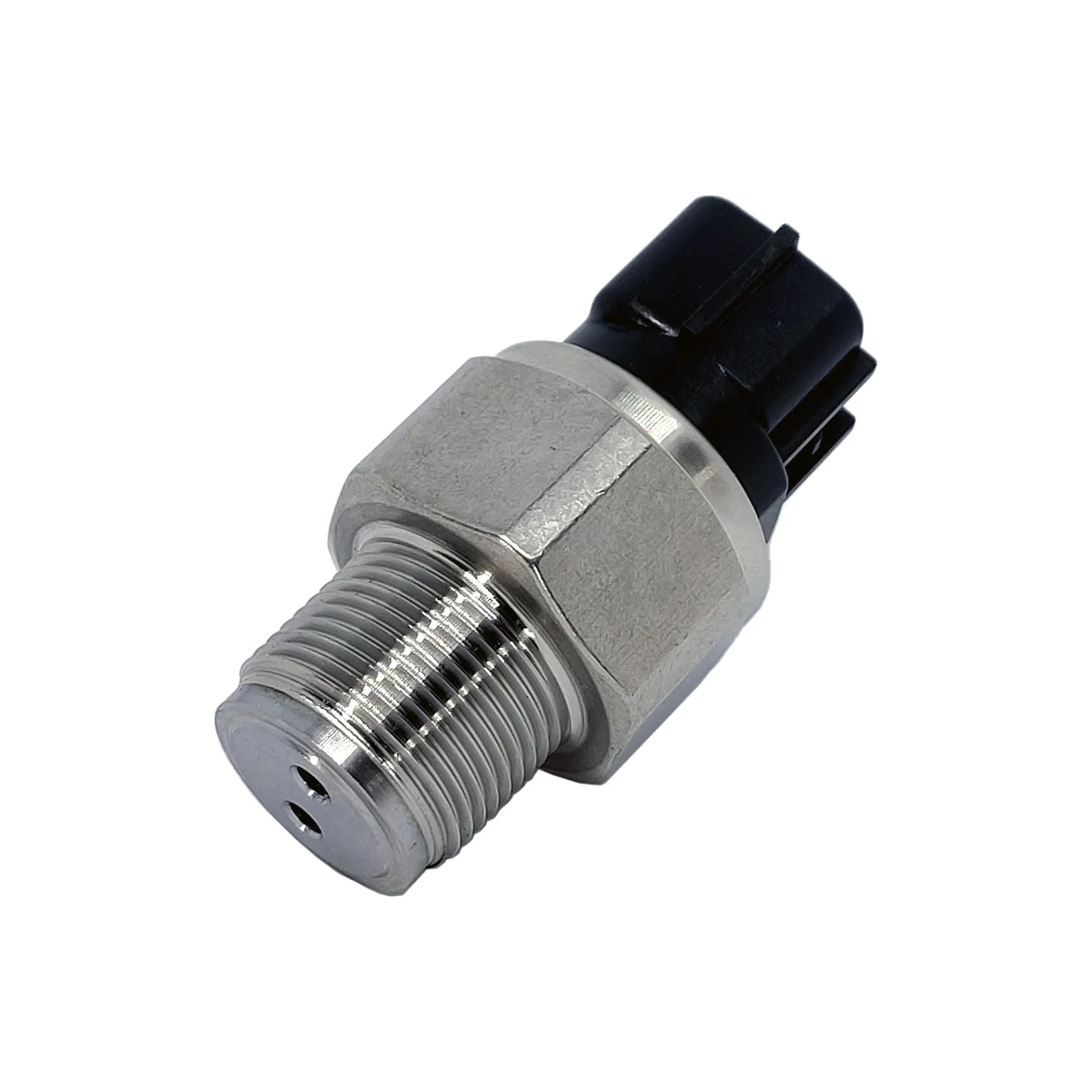
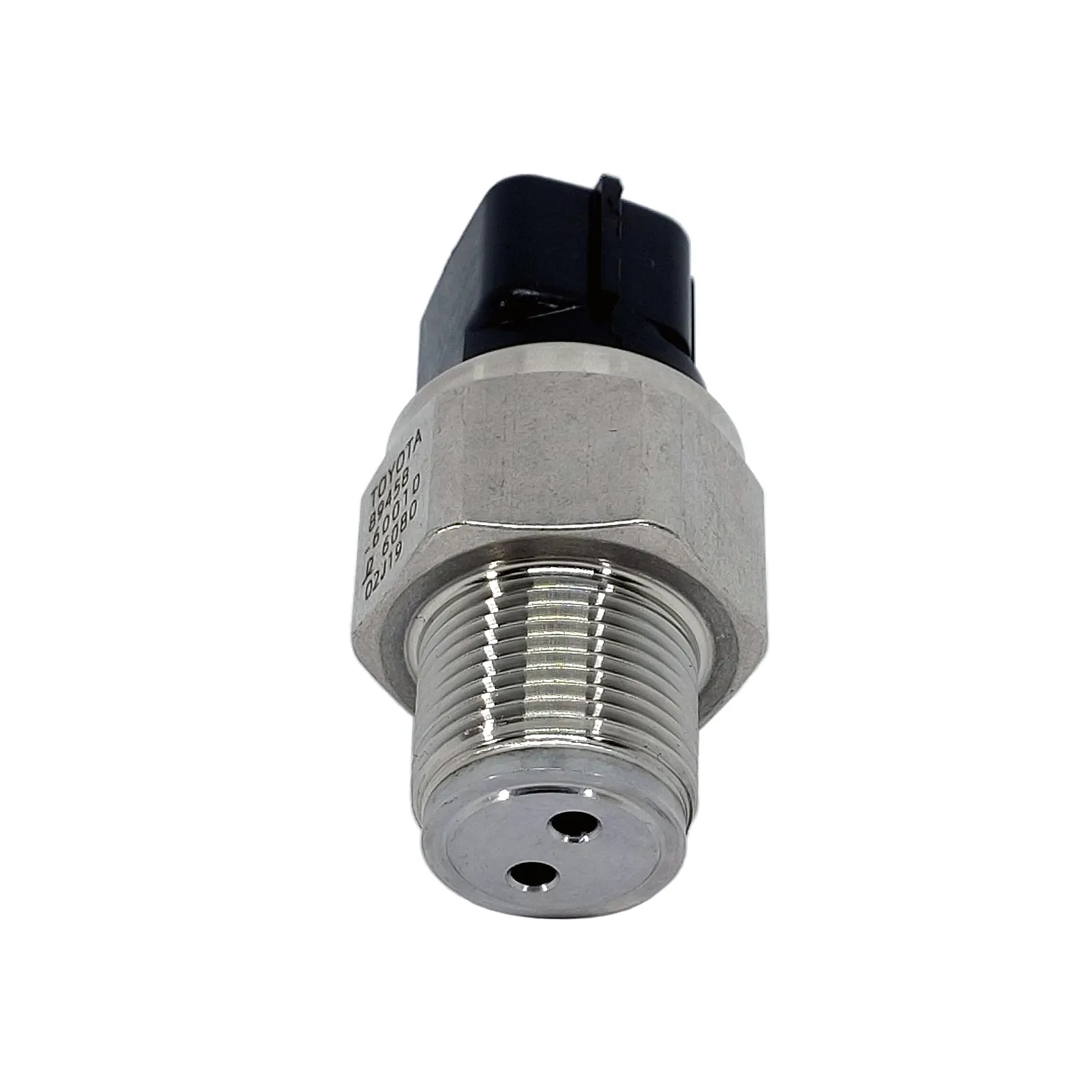
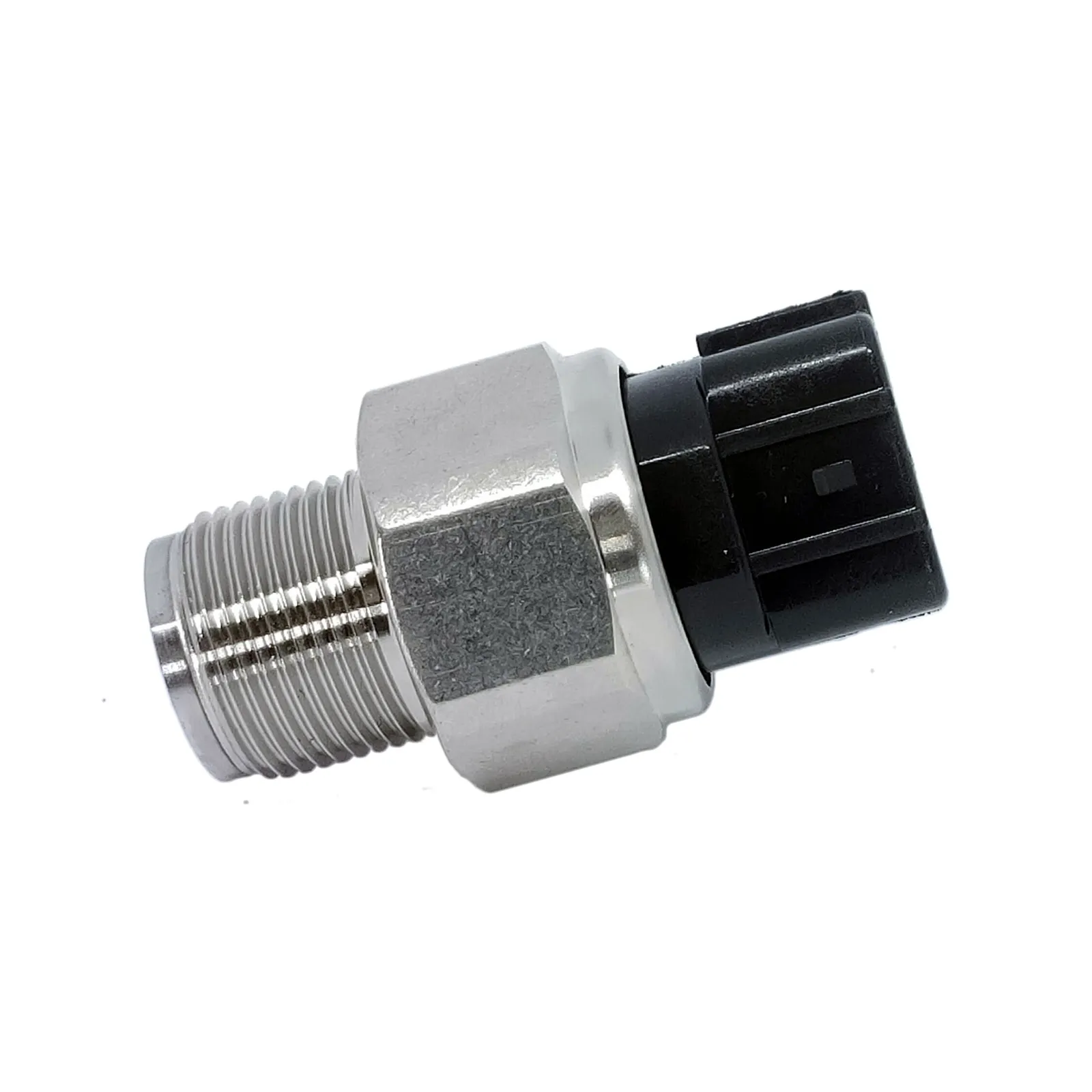
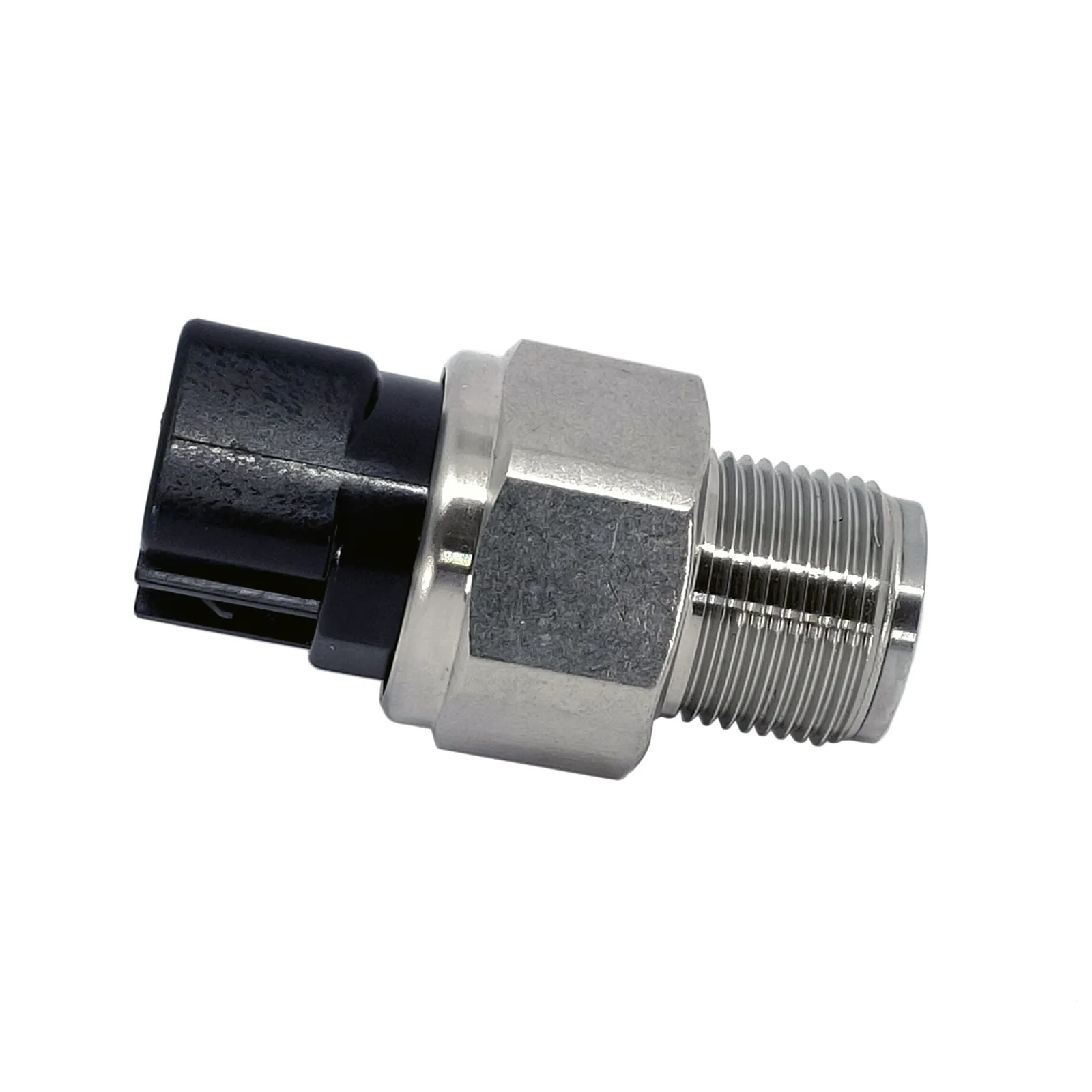


Fuel RAIL Pressure Sensor for Toyota Dyna & Hino 300 Series with 1KD Engine
Direct fit fuel rail pressure sensor for Toyota Dyna
BRAND NEW OEM Quality FUEL RAIL PRESSURE SENSOR / REGULATOR TO SUIT TOYOTA 3.0L 1KD-FTV, 2AD-FTV, 2AD-FHV DIESEL ENGINES
SUITS:
Suitable / Compatible for the Below Toyota Diesel Rails
- 23810-0R030
- 23810-27030
- 23810-0R020
- 23810-E0090
- 23810-0L011
- 23810-30110
- 23810-30080
- 23810-30100
- 23810-30120
- 095440-0950
- 23810-0R040
OEM#
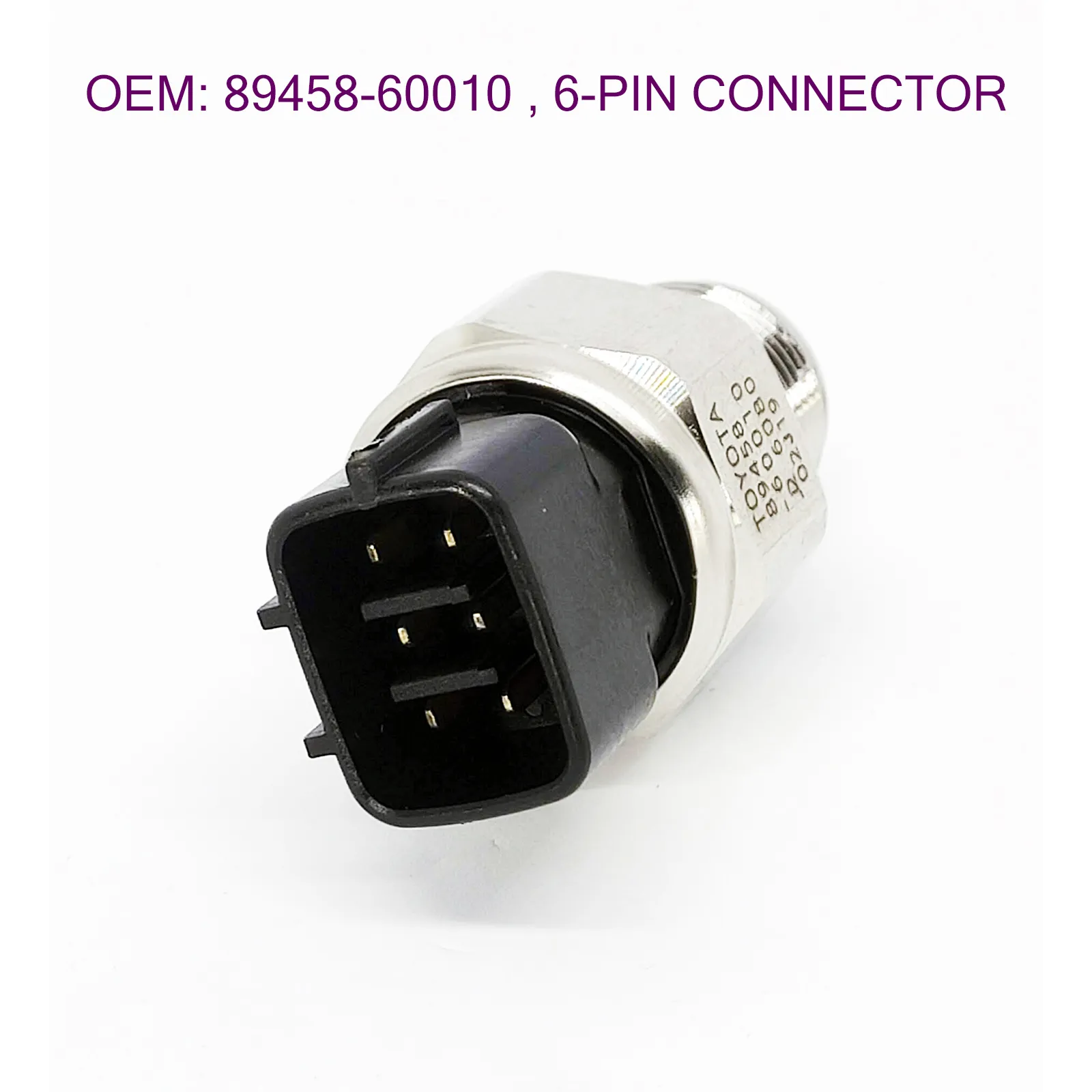
499000-6080, 499000-6081, 499000-6240, 499000-6360, 89458-20050, 89458-60010
PACKAGE INCLUDES:
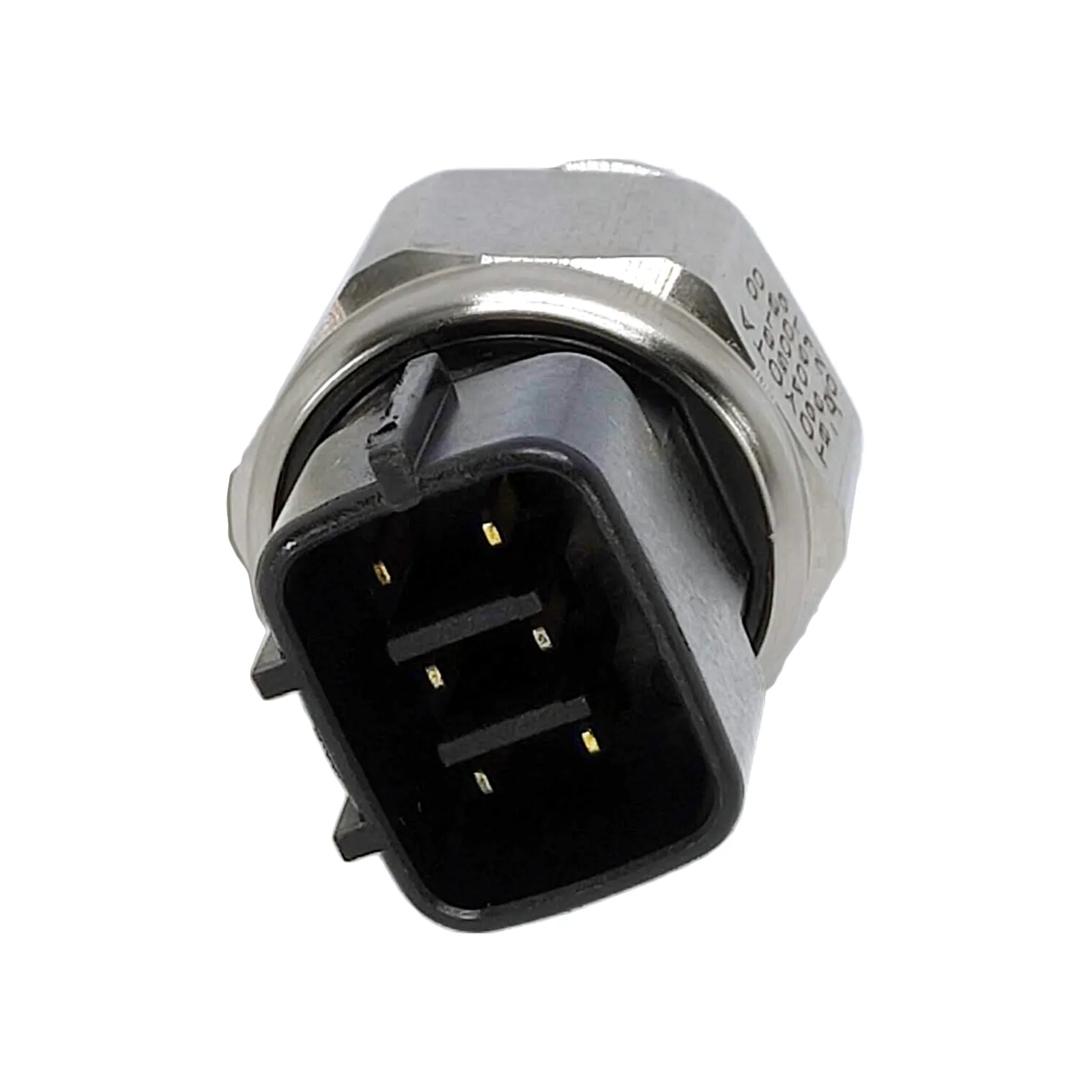
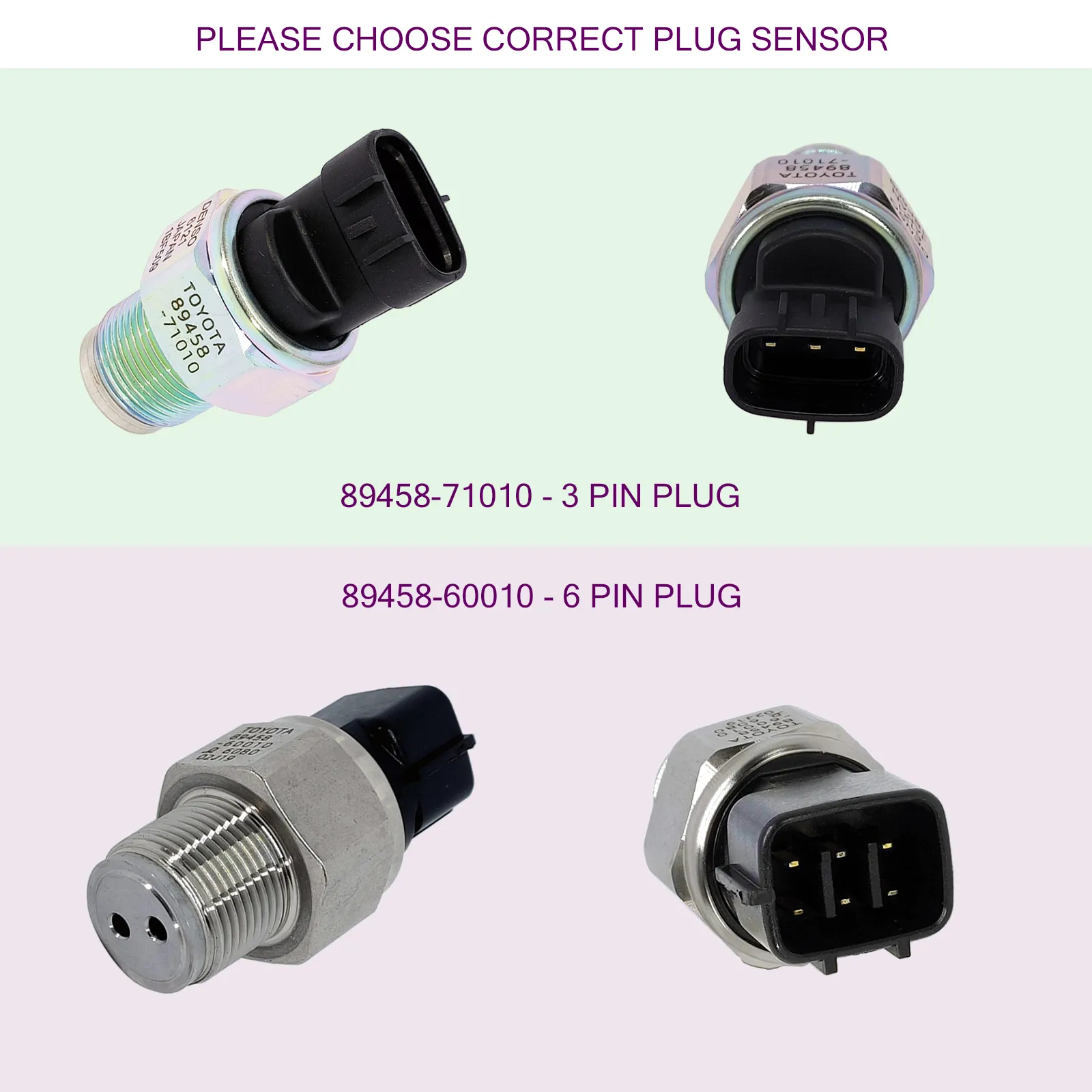
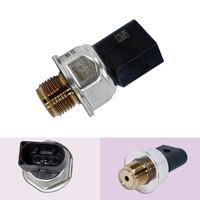
1 X OEM Quality FUEL RAIL PRESSURE SENSOR. (6-PIN PLUG)
Please Check the Plug Type in Your Original Rail
A fuel rail pressure sensor is a component in a vehicle's fuel system that measures and monitors the fuel pressure in the fuel rail, a pipe or tube that delivers fuel to the fuel injectors. This sensor is an essential part of modern fuel injection systems commonly found in gasoline and diesel engines. Its primary purpose is to provide crucial data to the engine control unit (ECU) or engine control module (ECM) so that the engine can operate efficiently and safely.
Our Fuel Pressure Regulators are:
- Application specific for the perfect fit and form
- Direct-fit OE replacement ensures proper fit, form, and function, which leads to a trouble-free installation
- Premium components and durable materials withstand harsh engine conditions to resist leaks
- Designed and manufactured to stringent quality standards at a certified facility, so you can install with confidence
- Undergoes extensive testing and validation for proper performance and peak reliability
- DAIHATSU DELTA Platform/Chassis (U3) 3.0 Di (V138)
- TOYOTA CAMROAD Platform/Chassis (Y2) 3.0 DiD (KDY231)
- TOYOTA DYNA Bus 3.0 D4d (KDY241)
- TOYOTA DYNA Platform/Chassis 3.0 D4d (KDY221 / KDY231)
- TOYOTA DYNA Platform/Chassis 3.0 D4d (KDY221 / KDY231 / KDY251 / KDY261)
- TOYOTA DYNA Platform/Chassis 3.0 D4d (KDY261 / KDY251 / KDY231 / KDY221 / KDY221R)
- TOYOTA DYNA Platform/Chassis 3.0 D4d 4WD (KDY271)
What is the difference between a fuel rail pressure sensor and a fuel pressure regulator?
The fuel rail pressure sensor is an electronic sensor that monitors fuel pressure in the rail and reports this data to the ECU in real time. The ECU uses the sensor reading to adjust injector pulse width and pump output. The fuel pressure regulator is a mechanical or electronic valve that physically controls and limits fuel pressure by diverting excess fuel. They work together - the regulator sets the pressure and the sensor monitors it.
What are the symptoms of a faulty fuel rail pressure sensor?
A faulty fuel rail pressure sensor sends incorrect pressure data to the ECU, causing it to miscalculate fuel delivery. Common symptoms include hard starting, engine stalling at idle or under load, poor fuel economy, hesitation under acceleration, engine entering limp mode on diesel vehicles, and a Check Engine light with fuel pressure codes P0190 to P0194. On common rail diesel engines the symptoms can be severe as rail pressure management is critical.
What are the symptoms of a faulty fuel pressure regulator?
A failing regulator causes persistent fuel pressure problems. A regulator that allows pressure to rise too high causes the engine to run rich, producing black smoke, high fuel consumption, and fuel smell from the engine bay. A regulator that allows pressure to drop too low causes hard starting, stalling, hesitation, and loss of power under load. Both conditions affect injector performance and can cause misfires and catalyst damage over time.
Can I drive with a faulty fuel rail pressure sensor or regulator?
You can drive short distances but it is not recommended. A faulty pressure sensor may cause the engine to run incorrectly rich or lean depending on the failure mode. A faulty regulator causing low pressure can leave the vehicle stranded if pressure drops below the minimum required for starting. Continued driving with a fuel pressure fault can also damage fuel injectors and catalytic converters.
How do I know if my fuel pressure problem is the sensor or the regulator?
A faulty sensor will produce incorrect ECU readings without affecting actual fuel pressure - you can verify this by checking actual fuel pressure with a mechanical fuel pressure gauge while the engine is running. If the mechanical gauge reads correctly but the ECU is reporting an incorrect value, the sensor has failed. If the mechanical gauge also reads incorrectly, the fault is in the regulator, pump, or fuel system rather than the sensor.
Do fuel pressure sensors and regulators need programming after replacement?
No programming is required for either component. Both are direct replacement parts that plug directly in. Clear stored fault codes with an OBD2 scanner after replacement and verify the fuel pressure reading in live data matches the specification for your engine. On common rail diesel engines allow several minutes of running time for the system to stabilise before checking live data values.
| Identification | |
|---|---|
| SKU | RPS111-8945860010_DYNA |
| Brand | Aftermarket OEM Replacement |
| Part Numbers | |
| Part Number | RPS111 |
| Reference OEM Number | 89458-60010 |
| Other OEM Numbers | 89458-20050, 89458-60010, 499000-6080 |
| Related Part Numbers | RPS111, DRPS2008, 499000-6081 |
| Trade Part Numbers | VEMO: V70-72-0256, DENSO: 499000-6080, DENSO: 499000-6081 |
| Product Specifics | |
| Product Type | SENSOR |
| Sensor Type | Fuel Rail Pressure Sensor |
| Fitting Position | Fuel Rail |
| Thread Size | M22 x 1.5 mm |
| Number of pins | 6 -pin connector |
| Connector Shape | oval |
| Housing Colour | Black |
| Other Details | |
| Note | Always verify fitment using your vehicle's OEM part number. |
Be The First To Review This Product!
Help other SENSORGAL LTD. users shop smarter by writing reviews for products you have purchased.
More From This Category
$237.97 RRP $527.54
Fuel RAIL Pressure Sensor for Mitsubishi Pajero NS NT 3.2L 4M41 Diesel
SKU: RPS100-45PP36_mitsu_1
$139.97 RRP $299.00

$85.99 RRP $169.00
$139.99 RRP $237.77

Fuel RAIL Sensor Suitable for Holden Captiva 5 7 Petrol 2.4L 3.0L 5PP11-4
SKU: RPS117-Captiva
$97.97 RRP $287.00
Fuel Pressure Sensor for Isuzu 4HK1 6HK1 Hino J07E Truck Excavator
SKU: RPS123-Isuzu
$234.97 RRP $527.54
$132.97 RRP $257.99
Fuel RAIL Pressure Sensor 13627805026 for BMW Mini (R56) Cooper D 2006-On
SKU: RPS101-13627805026-MINI
$183.97 RRP $299.00