


Fuel Rail Pressure Sensor for Kia Sportage QL Hyundai ix35 2.4 GDI 35340-2G710
Direct Fit Replaces 35340-2G710
BRAND NEW *OEM Quality* fuel rail pressure sensor to suit Kia Sportage QL and Hyundai ix35 with the 2.4L G4KJ GDI petrol.
A Sportage or ix35 2.4 that hesitates, misfires or shows a fuel pressure code often has a failing rail pressure sensor. This OEM spec replacement ships daily from our Cranbourne VIC warehouse.
TO SUIT
Suits the Kia Sportage QL 2.4 GDI AWD from 2015 and the Hyundai ix35 2.4 GDi 4WD from 2013 to 2015, both with the G4KJ Theta II petrol. The same sensor also fits the Hyundai Santa Fe DM TM, i45, ix35 and Sonata and the Kia Sorento, Optima and Sportage with the 2.4 G4KJ.
FITMENT CHECK
This sensor bolts to the high pressure fuel rail of the 2.4L G4KJ petrol. It has an oval 3-pin plug, an M10 x 1.5 thread and a 27mm hex. Check that your original sensor carries 35340-2G710 or 55PP41-01 before ordering.
The 2.0 GDI G4NC Sportage and ix35 use a different sensor, 35342-2E500 (our RPS131). Diesel CRDi models also use a different sensor.
OEM PART NUMBERS
- 35340-2G710
- 353402G710
- 55PP41-01
OTHER PART NUMBERS
- FAE: 15630
- PIERBURG: 7.11225.25.0
- VEMO: V52-72-0271
PACKAGE INCLUDES
1 x fuel rail pressure sensor with oval 3-pin connector and M10 x 1.5 thread.
ABOUT THIS SENSOR
The G4KJ is a direct injection petrol that runs fuel rail pressure up to 250 bar. This sensor reports that pressure to the engine computer, which uses it to control the high pressure pump and injection timing.
When it fails the engine runs on a default value, causing hard starting, hesitation and poor economy, and some vehicles go into limp mode. It is a plug-and-play replacement with no coding needed.
COMMON SYMPTOMS OF FAILURE
- Hard starting or stalling
- Hesitation under load
- Poor fuel economy
- Fault codes P0190 to P0194 - fuel rail pressure sensor
- Limp mode with engine light
- [2015 - 2023] KIA SPORTAGE QL / QLE 2.4 GDI AWD (2.4L G4KJ 135kW)
- [2013 - 2015] HYUNDAI ix35 EL / ELH / LM 2.4 GDi 4WD (2.4L G4KJ 136kW)
What is the difference between a fuel rail pressure sensor and a fuel pressure regulator?
The fuel rail pressure sensor is an electronic sensor that monitors fuel pressure in the rail and reports this data to the ECU in real time. The ECU uses the sensor reading to adjust injector pulse width and pump output. The fuel pressure regulator is a mechanical or electronic valve that physically controls and limits fuel pressure by diverting excess fuel. They work together - the regulator sets the pressure and the sensor monitors it.
What are the symptoms of a faulty fuel rail pressure sensor?
A faulty fuel rail pressure sensor sends incorrect pressure data to the ECU, causing it to miscalculate fuel delivery. Common symptoms include hard starting, engine stalling at idle or under load, poor fuel economy, hesitation under acceleration, engine entering limp mode on diesel vehicles, and a Check Engine light with fuel pressure codes P0190 to P0194. On common rail diesel engines the symptoms can be severe as rail pressure management is critical.
What are the symptoms of a faulty fuel pressure regulator?
A failing regulator causes persistent fuel pressure problems. A regulator that allows pressure to rise too high causes the engine to run rich, producing black smoke, high fuel consumption, and fuel smell from the engine bay. A regulator that allows pressure to drop too low causes hard starting, stalling, hesitation, and loss of power under load. Both conditions affect injector performance and can cause misfires and catalyst damage over time.
Can I drive with a faulty fuel rail pressure sensor or regulator?
You can drive short distances but it is not recommended. A faulty pressure sensor may cause the engine to run incorrectly rich or lean depending on the failure mode. A faulty regulator causing low pressure can leave the vehicle stranded if pressure drops below the minimum required for starting. Continued driving with a fuel pressure fault can also damage fuel injectors and catalytic converters.
How do I know if my fuel pressure problem is the sensor or the regulator?
A faulty sensor will produce incorrect ECU readings without affecting actual fuel pressure - you can verify this by checking actual fuel pressure with a mechanical fuel pressure gauge while the engine is running. If the mechanical gauge reads correctly but the ECU is reporting an incorrect value, the sensor has failed. If the mechanical gauge also reads incorrectly, the fault is in the regulator, pump, or fuel system rather than the sensor.
Do fuel pressure sensors and regulators need programming after replacement?
No programming is required for either component. Both are direct replacement parts that plug directly in. Clear stored fault codes with an OBD2 scanner after replacement and verify the fuel pressure reading in live data matches the specification for your engine. On common rail diesel engines allow several minutes of running time for the system to stabilise before checking live data values.
| Identification | |
|---|---|
| SKU | RPS119-Sportage |
| Brand | Aftermarket OEM Replacement |
| Part Numbers | |
| Part Number | RPS119 |
| Reference OEM Number | 35340-2G710 |
| Other OEM Numbers | 35340-2G710, 353402G710, 55PP41-01 |
| Related Part Numbers | RPS119, PRPS1013, 55PP41-01 |
| Trade Part Numbers | FAE: 15630, PIERBURG: 7.11225.25.0, VEMO: V52-72-0271 |
| Product Specifics | |
| Product Type | SENSOR |
| Sensor Type | Fuel Rail Pressure Sensor |
| Type | High Fuel Pressure Sensor |
| Fitting Position | High Pressure rail (high pressure side) |
| Thread Size | M10 X 1.5 mm |
| Spanner Size | 27 mm |
| Number of pins | 3-Pin |
| Connector Shape | oval |
| Socket colour | Black |
| Mounting Type | Bolted |
| Pressure Range | 250 BAR |
| Fuel Type | Petrol |
| Compatible Makes | Hyundai / Kia |
| Fitment Type | Direct Replacement |
| Other Details | |
| Note | 2.4L G4KJ petrol only. Oval 3-pin plug and M10 x 1.5 thread. |
Be The First To Review This Product!
Help other SENSORGAL LTD. users shop smarter by writing reviews for products you have purchased.
More From This Category

$261.00 RRP $536.00

Fuel Rail Pressure Sensor for Kia Sorento XM 2.4 GDI G4KJ Petrol 35340-2G710
SKU: RPS119-Sorento
$261.00 RRP $536.00

Fuel Rail Pressure Sensor for Hyundai iLoad iMax Kia Sorento 2.5 CRDi 314014A400
SKU: RPS109-314014A400
$345.00 RRP $710.00
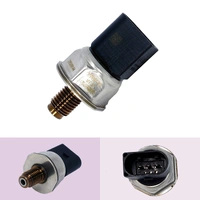
Fuel Rail Pressure Sensor for Ford Ranger PX Mazda BT-50 2.2L P4AT M12 85PP07-03
SKU: RPS127-85PP0703_FORD
$109.99 RRP $212.97
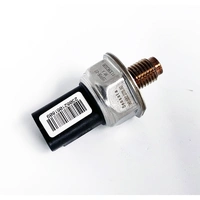
Fuel Rail Pressure Sensor for Volvo C30 S40 S80 V50 V70 C70 D4204T 2.0D 1445928
SKU: RPS101-VOLVO-D4204T
$183.97 RRP $299.00
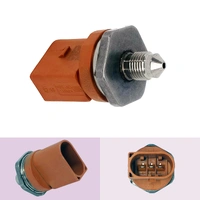
$85.99 RRP $169.00

Fuel Rail Pressure Sensor for Kia Carnival VQ YP 2.2 CRDi D4HB 31401-2F000
SKU: RPS110-Carnival
$395.00 RRP $790.00
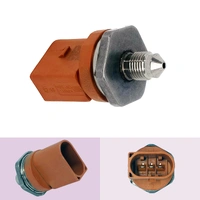
Fuel Rail Pressure Sensor for Bentley Continental Flying Spur 4.0 V8 06J906051D
SKU: RPS126-Bentley
$85.99 RRP $199.00