
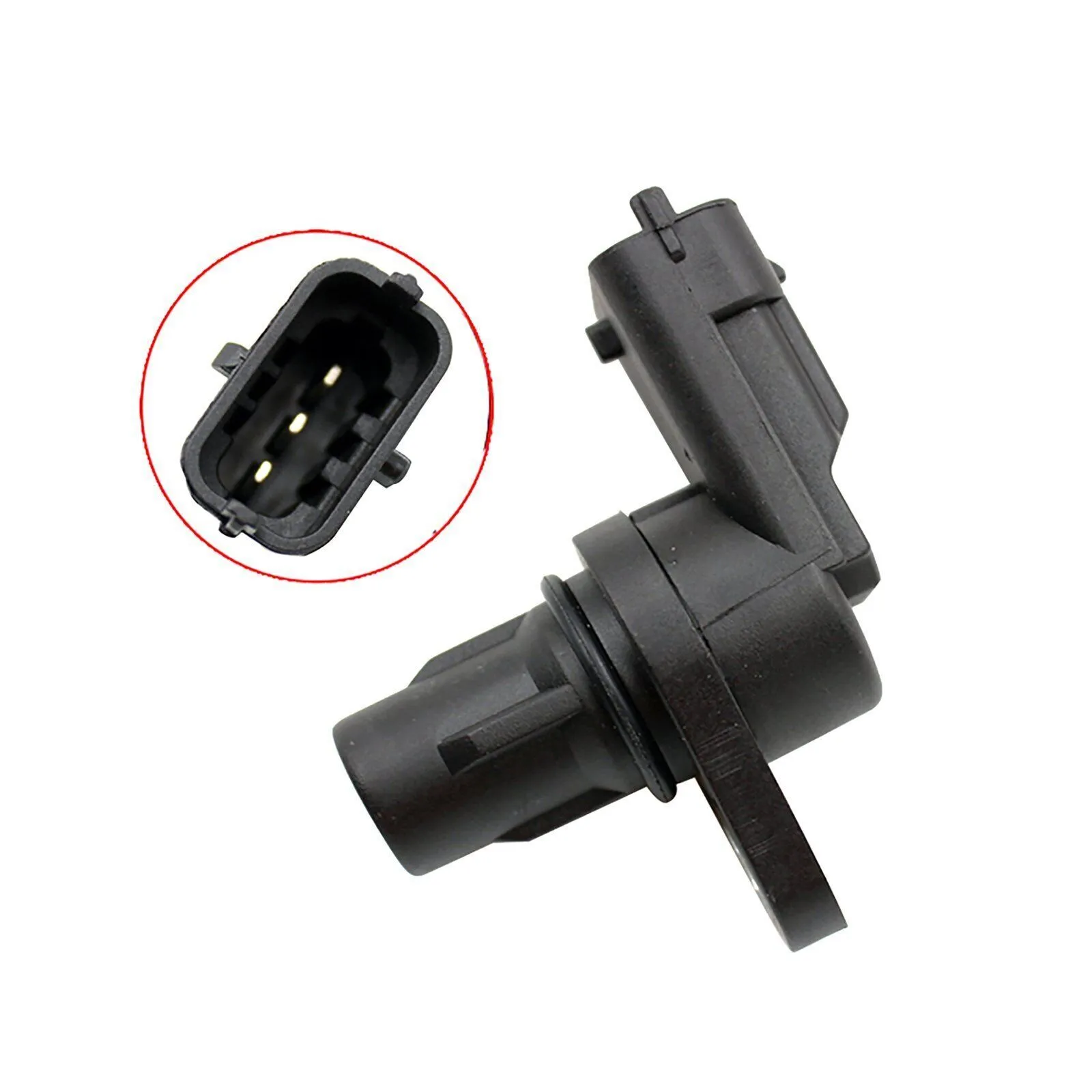
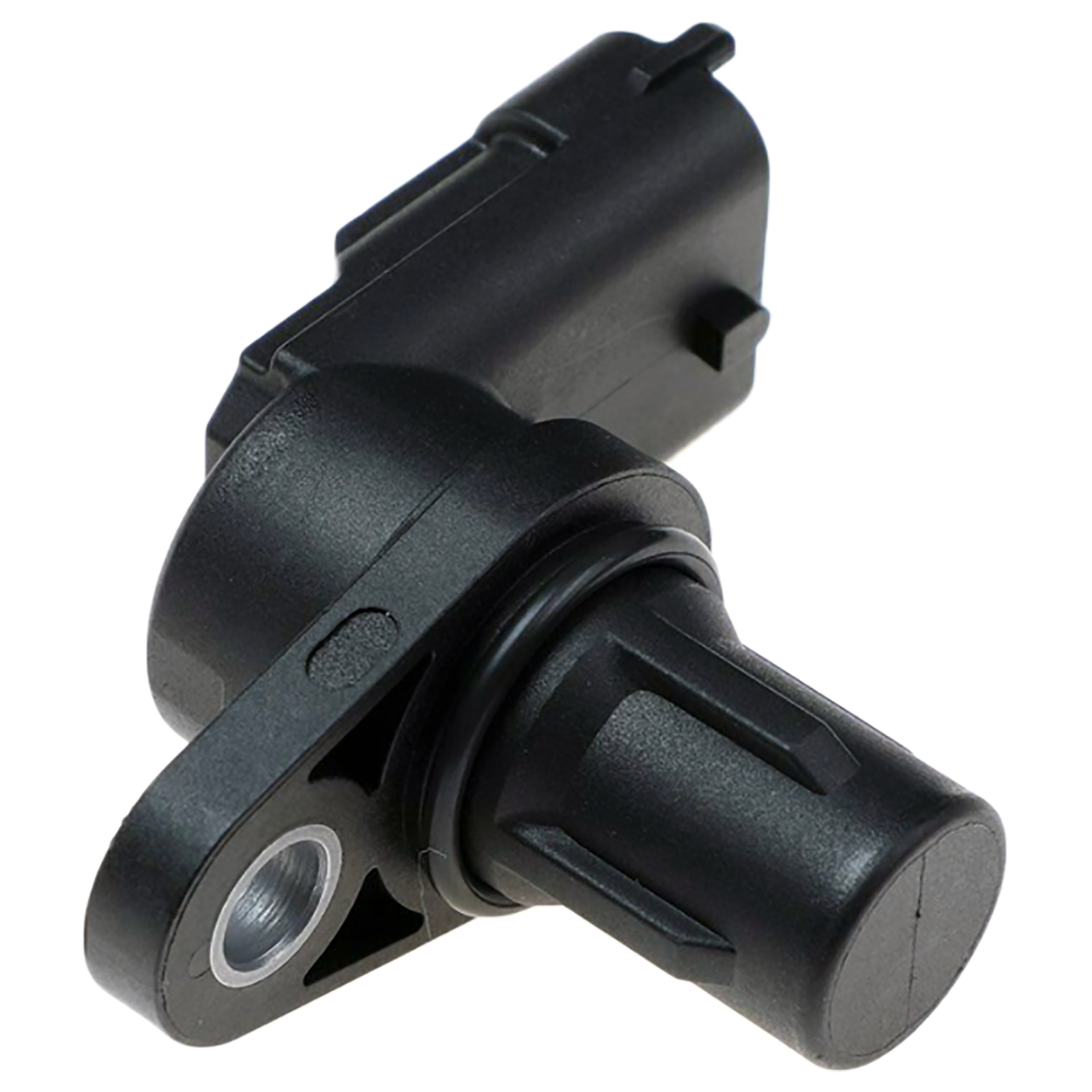
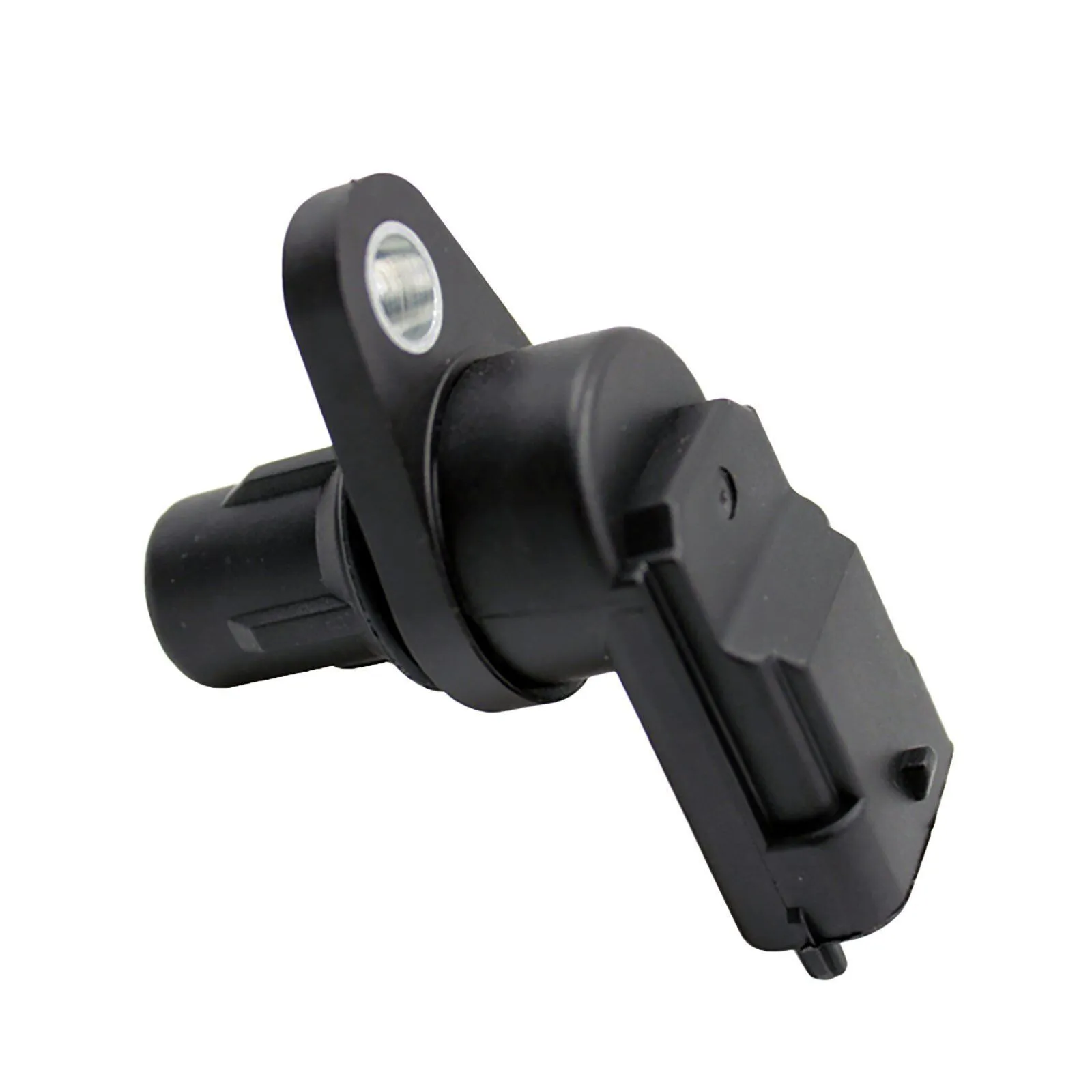
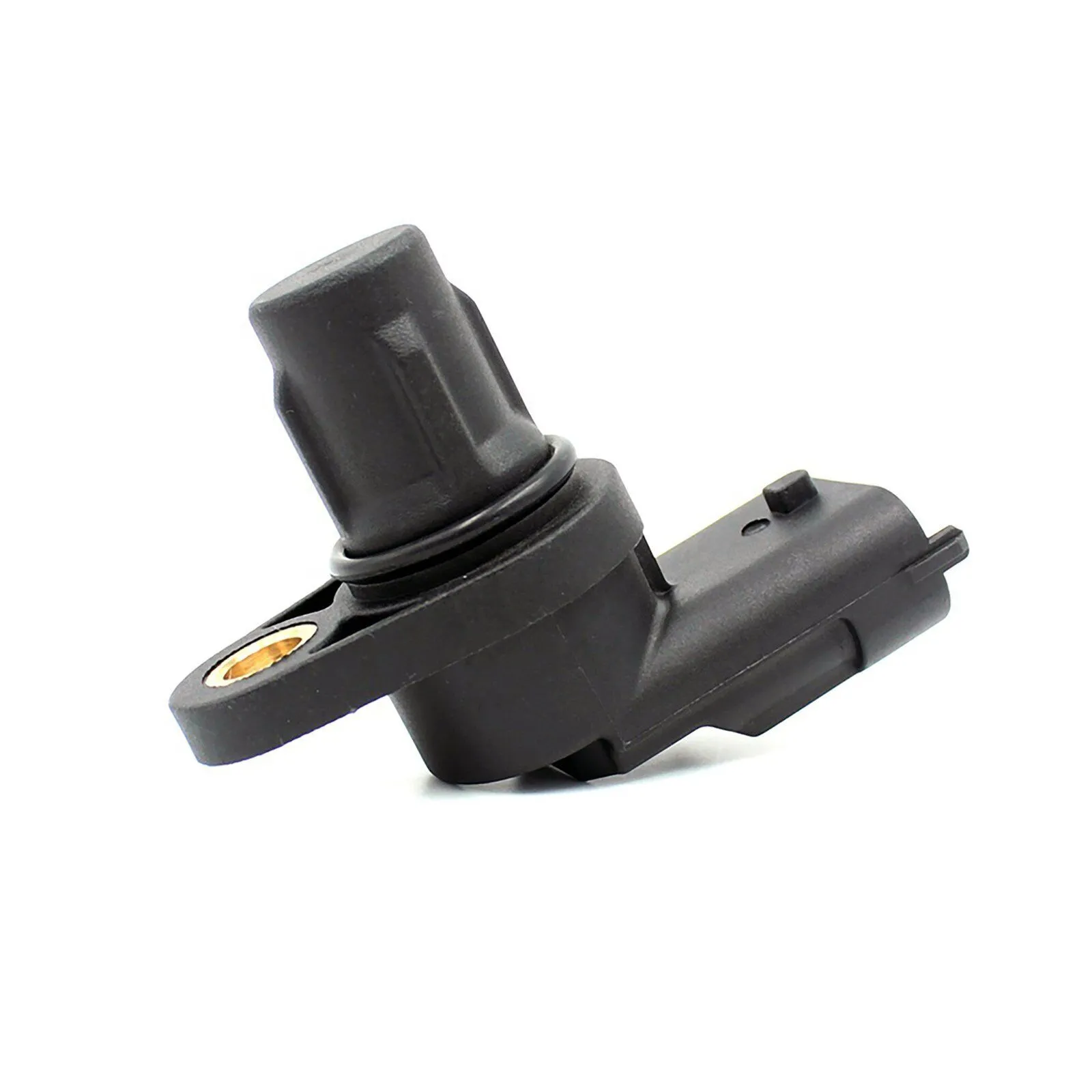
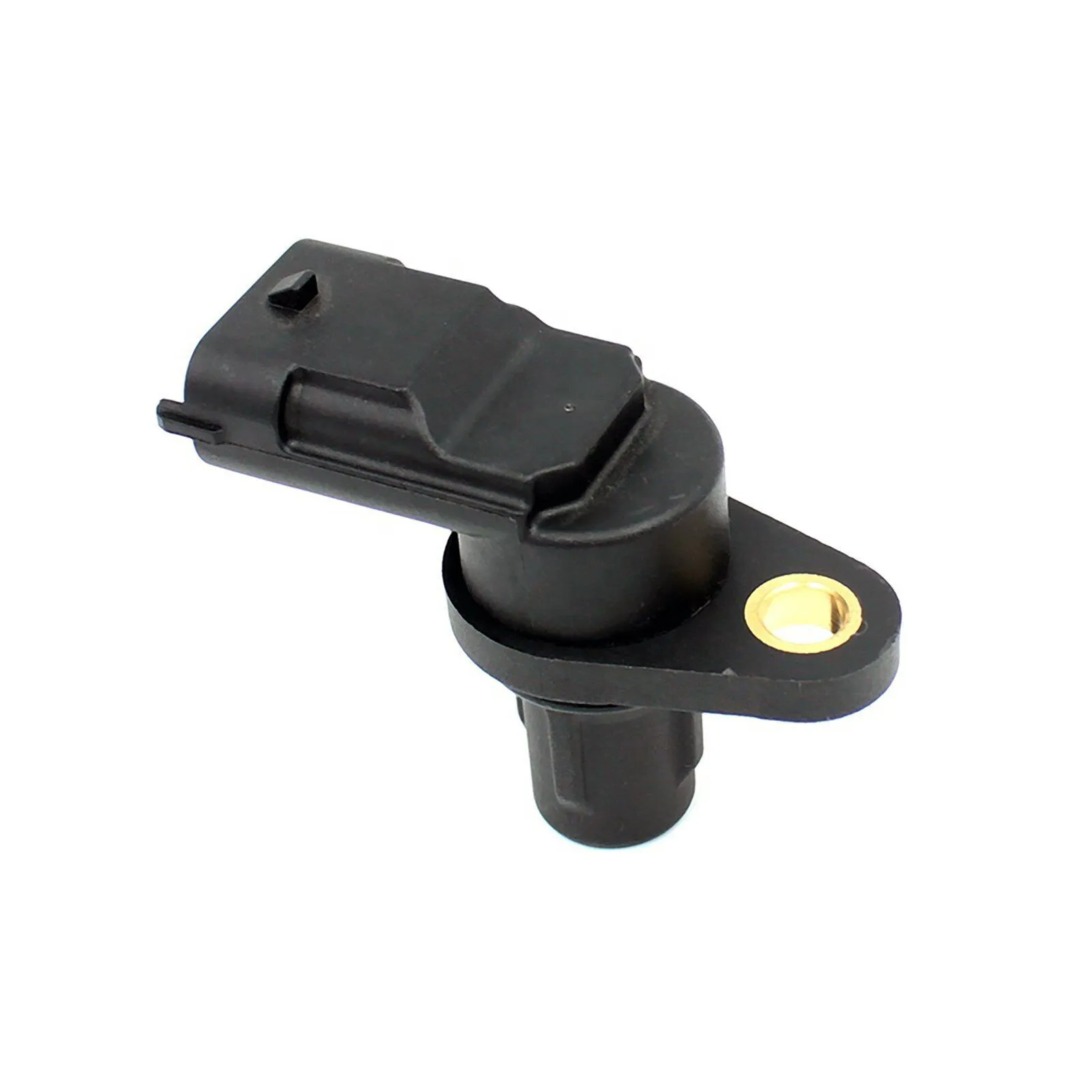
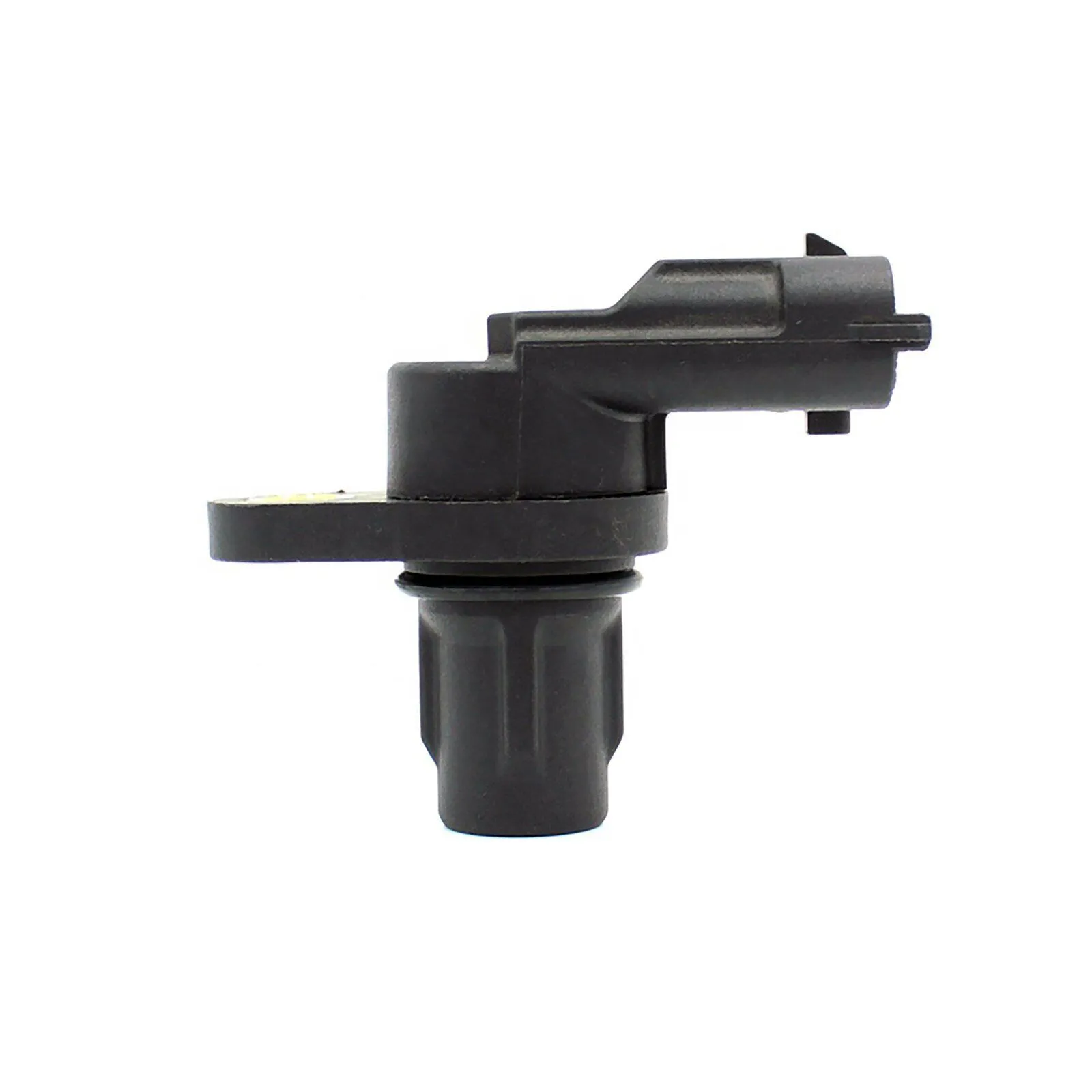
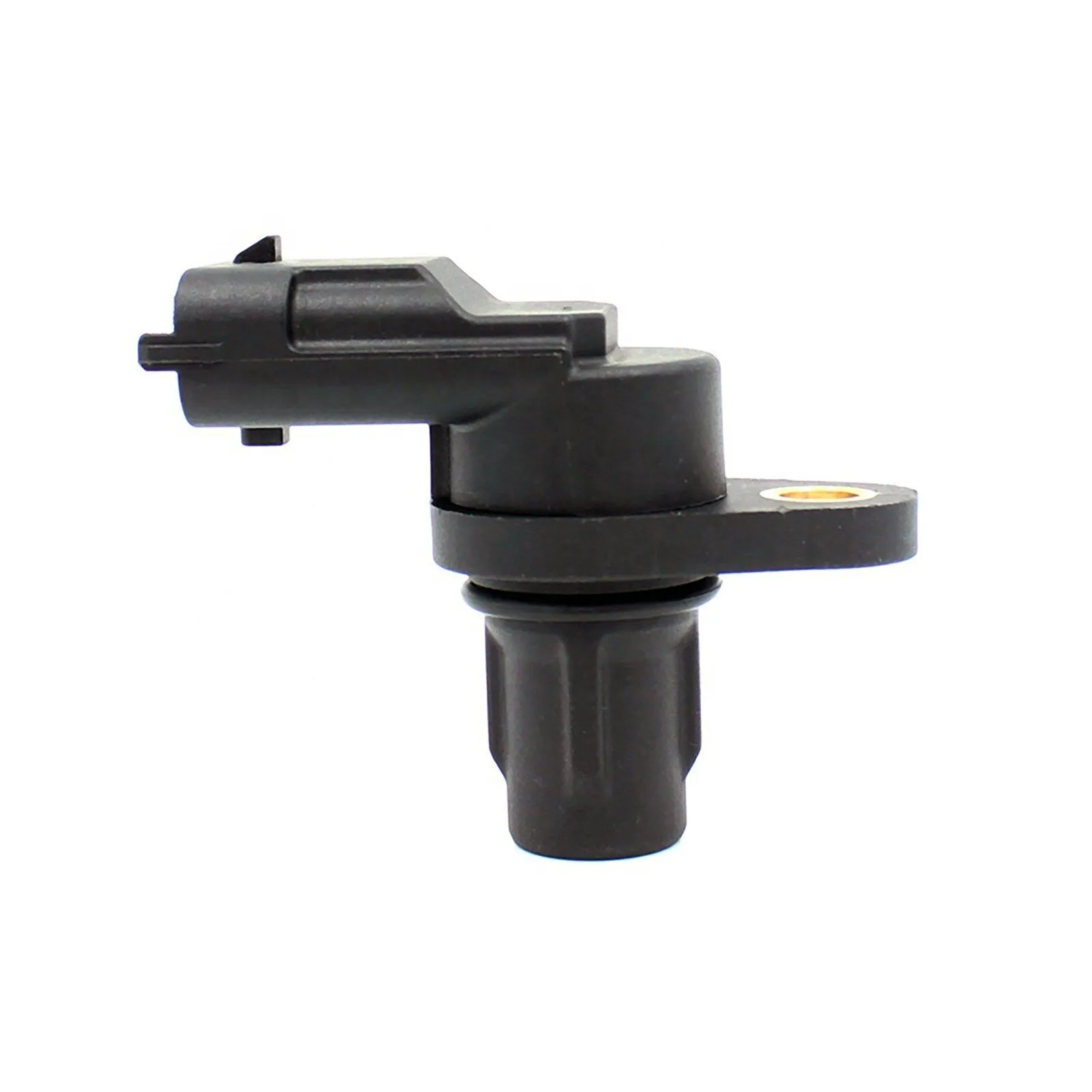
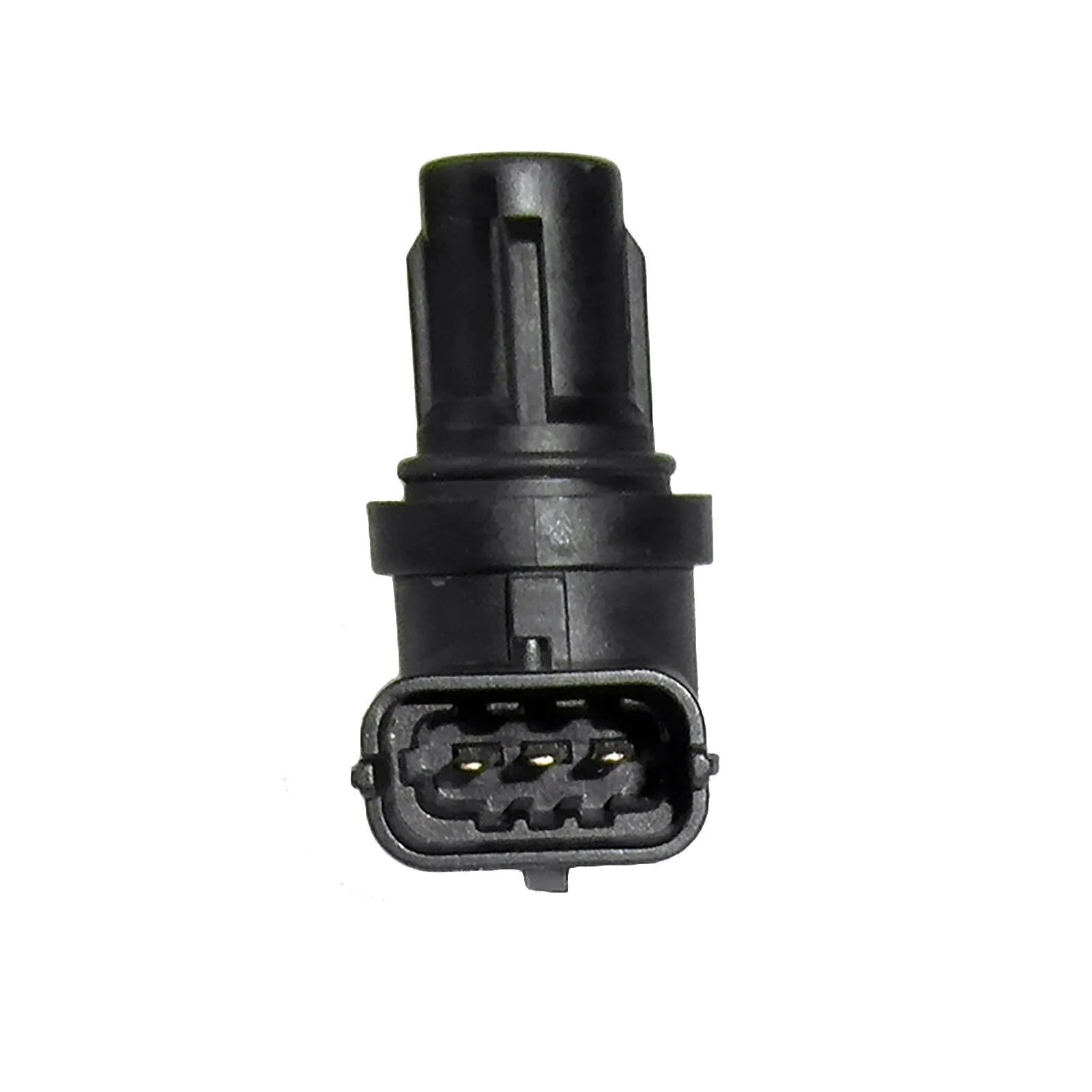
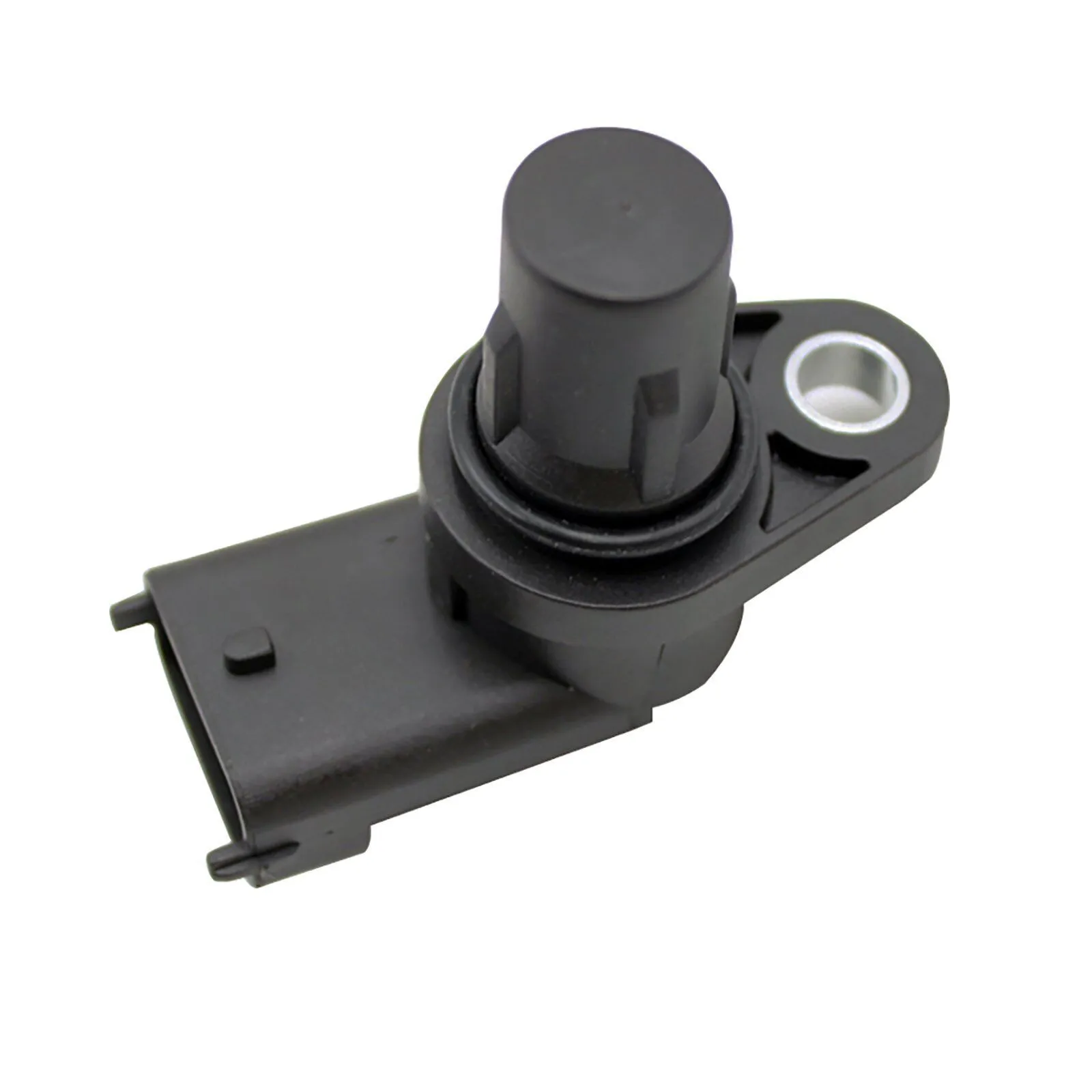
Camshaft Position Sensor 80891268 for Iveco Daily Van 0281002667 504048261
Camshaft Position Sensor for Iveco Daily Van
BRAND NEW OEM Quality CRANKSHAFT / CAMSHAFT POSITION SENSOR TO IVECO DAILY
PLEASE COMPARE YOUR ORIGINAL SENSOR WITH THE IMAGES WE PROVIDED IN THE LISTING AND
CHECK THE DETAILED VEHICLE LIST IN THE SUITABILITY SECTION.
TO SUIT:
OEM# 80891268, 504048261, 80891260
| For OE number | 80891268, 504048261, 80891260 |
| Colour | Black |
| Sensor Type | Hall Sensor |
| Number of Poles | 3 |
| Number of connectors | 3 |
| Rated Voltage [V] | 12 |
| Fitting Depth [mm] | 24.3 MM |
| Supplementary Article/Info 2 | with seal ring, without cable, for camshaft |
| Connector Shape | Oval |
| Resistance [kOhm] | 320 |
Features?
- High Quality
- OEM Fit and Design
- Easy install
- Simple operation
- AU Seller-Fast and Free Shipping
Package Includes:
1* CRANKSHAFT / CAMSHAFT POSITION SENSOR. 3-Pin Plug.
The task of the camshaft sensor is to work with the crankshaft sensor to define the exact position of the crankshaft drive. Through the combination of both sensor signals, the engine control unit knows when the first cylinder is at the top dead point.
A faulty camshaft sensor can cause the following symptoms:
- Starting difficulties
- The engine indicator lamp comes on
- Fault code is stored
- The Control unit enters an emergency program
Reasons for failure of the camshaft sensor can be:
- Mechanical damage
- Break in the encoder wheel
- Internal short circuits
- Interruption in connection to the control unit
COMPATIBLE VEHICLES:
| Vehicle | Model year | kW | HP | cc | Design |
| DAILY III Platform/Chassis 40 C 14 | 09.2004-04.2006 | 100 | 136 | 2998 | Platform/Chassis |
| DAILY III Platform/Chassis 50 C 17 | 09.2004-04.2006 | 122 | 166 | 2998 | Platform/Chassis |
| DAILY III Platform/Chassis 65 C 17 | 09.2004-04.2006 | 122 | 166 | 2998 | Platform/Chassis |
| DAILY III Van 35 S 13 V,35 C 13 V (Engine Code: 8140.43S) | 10.2005-07.2007 | 92 | 125 | 2798 | Van |
| DAILY III Van 40 C 14 | 09.2004-04.2006 | 100 | 136 | 2998 | Van |
| DAILY III Van 50 C 17 | 09.2004-04.2006 | 122 | 166 | 2998 | Van |
| DAILY III Van 65 C 17 | 09.2004-04.2006 | 122 | 166 | 2998 | Van |
| DAILY IV Platform/Chassis 65C18 | 05.2006-08.2011 | 130 | 176 | 2998 | Platform/Chassis |
| DAILY IV Van 65C18 | 05.2006-08.2011 | 130 | 176 | 2998 | Van |
| DAILY V Platform/Chassis 35C17, 35S17, 40C17, 45C17, 50C17, 60C17, 65C17, 70C17 | 09.2011-02.2014 | 125 | 170 | 2998 | Platform/Chassis |
| DAILY V Platform/Chassis 35C21, 35S21, 40C21, 45C21, 50C21, 60C21, 65C21, 70C21 | 09.2011-02.2014 | 150 | 205 | 2998 | Platform/Chassis |
| DAILY V Van 29L15 V, 35S15 V, 35C15L V, 40C15L V, 50C15L V | 09.2011-02.2014 | 107 | 146 | 2287 | Van |
| DAILY V Van 29S13, 29L13, 35C13, 35S13, 40C13, 40S13 | 09.2011-02.2014 | 93 | 126 | 2287 | Van |
| DAILY V Van 35C15 V, 40C15 V, 45C15 V, 50C15 V, 60C15 V,65C15 V | 09.2011-02.2014 | 107 | 146 | 2998 | Van |
| DAILY V Van 35C17, 35S17, 40C17, 45C17, 50C17, 60C17, 65C17, 70C17 | 09.2011-02.2014 | 125 | 170 | 2998 | Van |
| DAILY V Van 35C21 V, 35S21 V, 40C21 V, 45C21 V, 50C21 V | 09.2011-02.2014 | 150 | 204 | 2998 | Van |
| DAILY VI Platform/Chassis 35S17, 35C17, 40C17, 45S17,45C17, 50C17, 60C17, 65C17, (Engine Code: F1CFL411F, F1CFL411H) | 05.2014- | 125 | 170 | 2998 | Platform/Chassis |
| DAILY VI Platform/Chassis 35S17, 55S17 4×4 | 03.2014- | 125 | 170 | 2998 | Platform/Chassis |
| DAILY VI Platform/Chassis 35S21, 35C21, 40C21, 50C21, 60C21, 65C21, 70C21 (Engine Code: F1CFL411G) | 05.2014- | 150 | 205 | 2998 | Platform/Chassis |
| DAILY VI Van 35S17, 35C17, 40C17, 50C17, 55C17, 60C17, 65C17, 70C17 (Engine Code: F1CFL411F, F1CFL411H) | 05.2014-04.2016 | 125 | 170 | 2998 | Van |
| DAILY VI Van 35S21, 35C21, 40C21, 50C21, 65C21, 70C21 (Engine Code: F1CFL411G) | 05.2014- | 150 | 205 | 2998 | Van |
ABOUT YOUR VEHICLE'S CAMSHAFT / CRANKSHAFT POSITION SENSOR
What does a Camshaft/Crankshaft Position Sensor do?
The Camshaft sensor determines which cylinder is firing to establish injector synchronization and coil firing sequence in DIS systems. Crankshaft sensors set ignition timing, supply the RPM signal, and determine engine speed.
Where are these sensors located?
The Camshaft Position sensor is typically located in the cylinder head of the engine and has a cylindrical portion that inserts into the head. The Crankshaft Position sensor is normally located in the timing cover or on the side of the block with a cylindrical portion that inserts into the block.
Will a malfunctioning Cam or Crank Sensor illuminate the check engine light or affect vehicle operation?
Yes, a failing sensor can illuminate the MIL and may cause vehicle stalling or a no-start condition.
What are the common causes of failure?
Typically these sensors fail due to exposure to high heat.
How to determine if these sensors are malfunctioning?
Look for RPM on a scan tool while cranking the engine. If the engine runs, a scope is the best diagnostic tool.
Typical trouble codes: Crankshaft P0335; Camshaft P0340.
What makes Our Standard Camshaft and Crankshaft Position Sensors the best?
- Integrated A/D converter and digital signal processing with a dynamically adaptive switch point improves accuracy and operation
- Advanced circuitry protects the system from stray electro-magnetic fields and power spikes
- Custom magnetic circuit programming calibrates the sensor while performance testing for improved timing accuracy between the target wheel and sensor output
- 100% environmental, endurance, and end-of-line testing for Timing, Pulse Width, and Signal Amplitude ensures consistent product reliability
How do I test a crankshaft or camshaft position sensor?
Use an OBD2 scanner to check for fault codes P0335 to P0338 (crankshaft) or P0340 to P0349 (camshaft). You can also test the sensor with a multimeter - inductive sensors should show resistance between 200 and 1,000 ohms, while Hall effect sensors require a live voltage test with the engine cranking. Erratic or absent RPM signal on a live data scanner is a strong indicator of sensor failure.
Can a cam or crank sensor fault cause my vehicle to go into limp mode?
Yes. A faulty crankshaft position sensor in particular can cause the ECU to lose engine speed and position data entirely, which may trigger limp mode or prevent the engine from starting. A faulty camshaft sensor on variable valve timing engines can cause the VVT system to default to a fixed position, significantly reducing power and fuel economy.
Do cam and crank sensors need to be programmed after replacement?
In most cases no - aftermarket OEM replacement sensors are direct plug-in replacements that require no programming. However some vehicles, particularly late model European makes including BMW and Mercedes-Benz, may require a crankshaft adaptation reset using a dealer-level scan tool after replacement. Check your vehicle service information before replacing the sensor.
What are the symptoms of a faulty crankshaft position sensor?
Symptoms include intermittent stalling, engine not starting, rough idle, misfires, and a Check Engine light with codes P0335-P0338. In severe cases the engine will crank but not start as the ECU cannot determine crank position for ignition timing.
What are the symptoms of a faulty camshaft position sensor?
Symptoms include poor performance, misfires, difficulty starting, rough idle, and fault codes P0340-P0343. Variable valve timing systems (VVT) will also be affected, causing sluggish response and increased fuel consumption.
Can I drive with a bad crankshaft position sensor?
If the sensor has failed completely the engine will not start or will stall and not restart. If it is intermittently failing, driving is dangerous - the engine can cut out without warning. Replace it immediately.
Do I need to replace both the cam and crank sensor at the same time?
Not necessarily - replace whichever has failed based on fault codes and diagnosis. However, if your vehicle has high kilometres and one has failed, it is worth considering replacing both as they are similar in age and condition.
| Identification | |
|---|---|
| SKU | CSCA329-4 |
| Barcode # | 3165144045229 |
| Brand | Aftermarket OEM Replacement |
| Part Numbers | |
| Part Number | 504048261 |
| Reference OEM Number | 80891268, 504048261, 80891260 |
| Other OEM Numbers | 80891268, 504048261, 80891260 |
| Related Part Numbers | 0281002904, 39300-27400, 3930027400, CSCA329 |
| Product Specifics | |
| Sensor Type | CAMSHAFT POSITION SENSOR |
| Type | Sensor |
| Features | Direct Fit |
| Reference Oe/oem Number | 80891268, 504048261, 80891260 |
| Manufacturer Warranty | 1 Year |
| Oem | 80891268, 504048261, 80891260 |
| Ean | 3165144045229 |
| Make | IVECO |
| Second Part Number | CSCA329 |
| Other Details | |
| Note | Always verify fitment using your vehicle's OEM part number. |
| Unit Of Measure | ea |
Be The First To Review This Product!
Help other SENSORGAL LTD. users shop smarter by writing reviews for products you have purchased.
More From This Category
$79.45 RRP $189.97
$78.97 RRP $162.03
$179.97 RRP $259.99
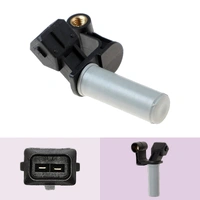
Crankshaft Position Sensor for Jaguar X Type 2.0L 2.2L Diesel X400
SKU: CSCA404-Jaguar
$79.99 RRP $160.00
$139.97 RRP $179.45
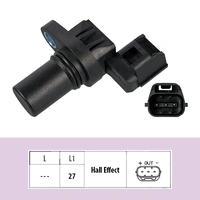
Camshaft Sensor for Mitsubishi Lancer Triton Outlander Pajero 4G63 4G64 4G93
SKU: 3931038050-Mitsubishi
$119.97 RRP $223.95

$121.97 RRP $234.97

Crank Angle Sensor 9091905005 for Toyota Hilux LN KZN Surf 1KZ-TE 5L
SKU: CSCA150-Hilux
$98.97 RRP $159.99