
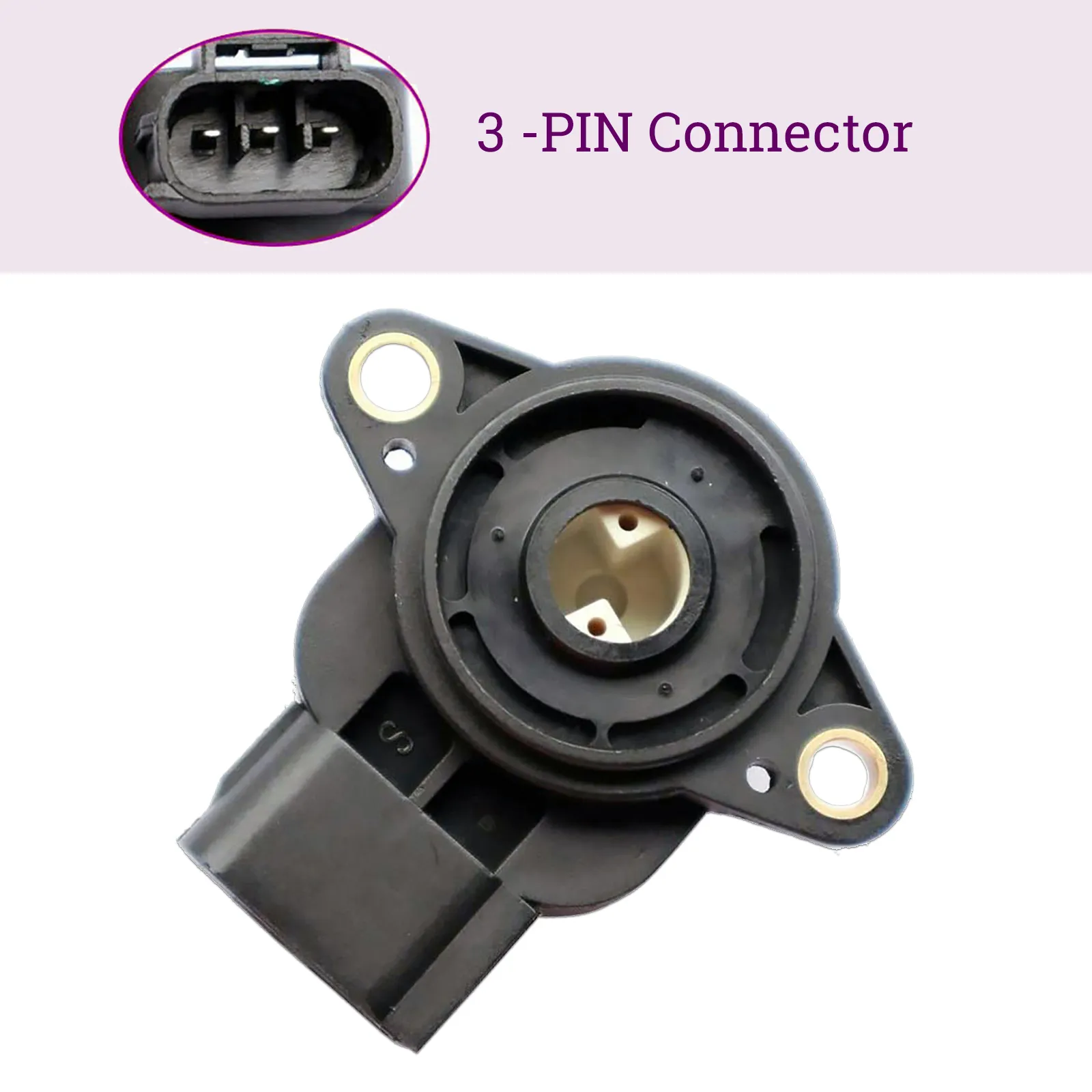
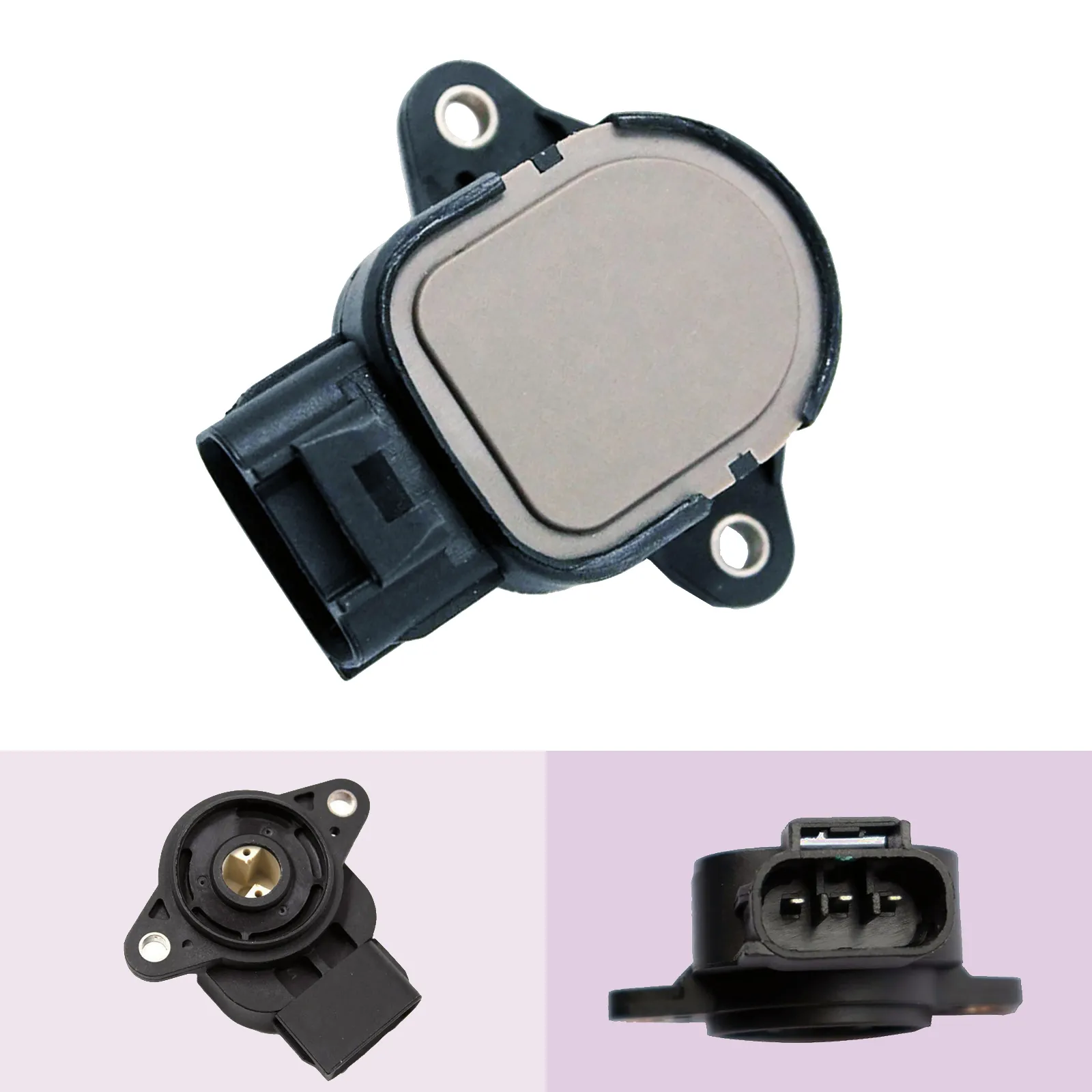
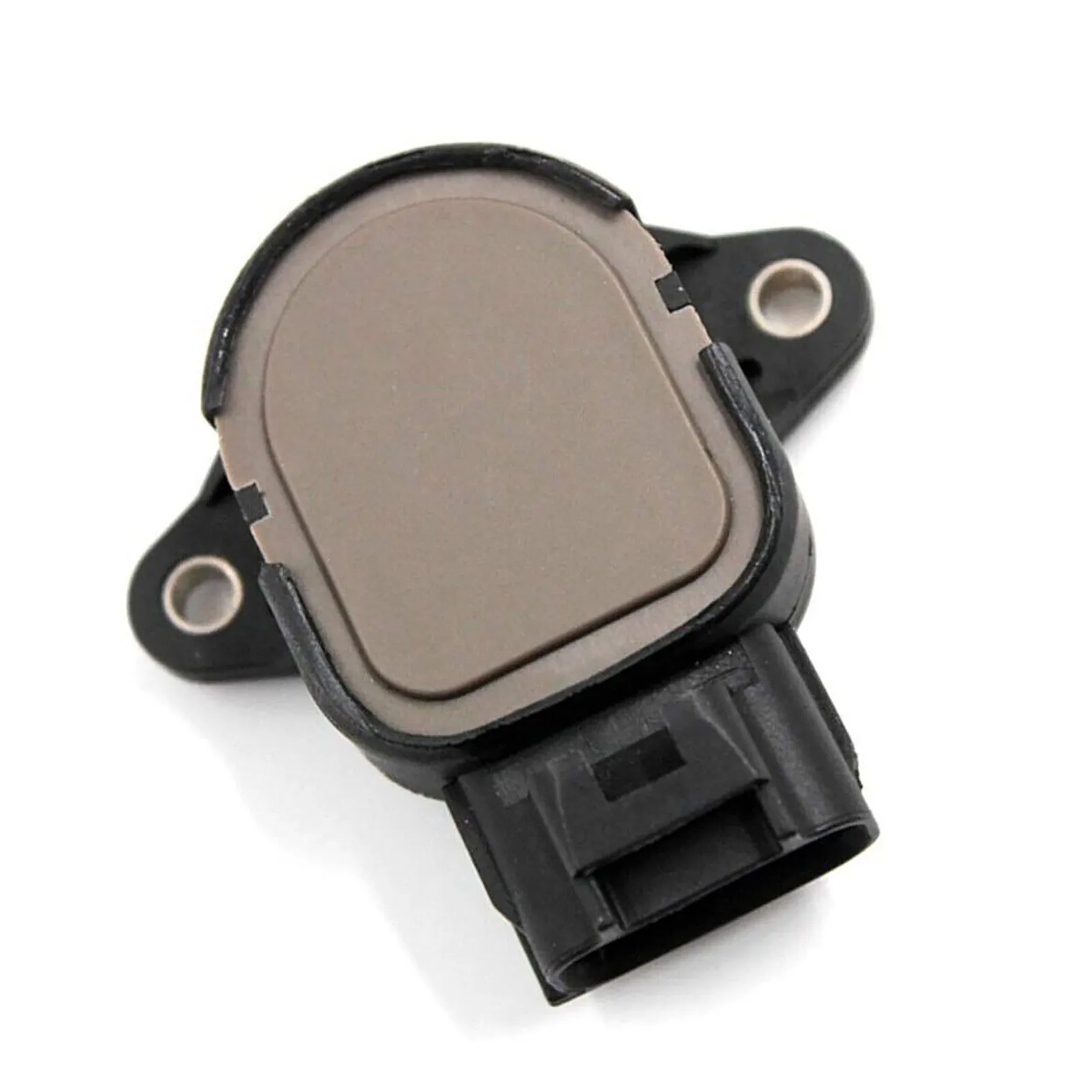
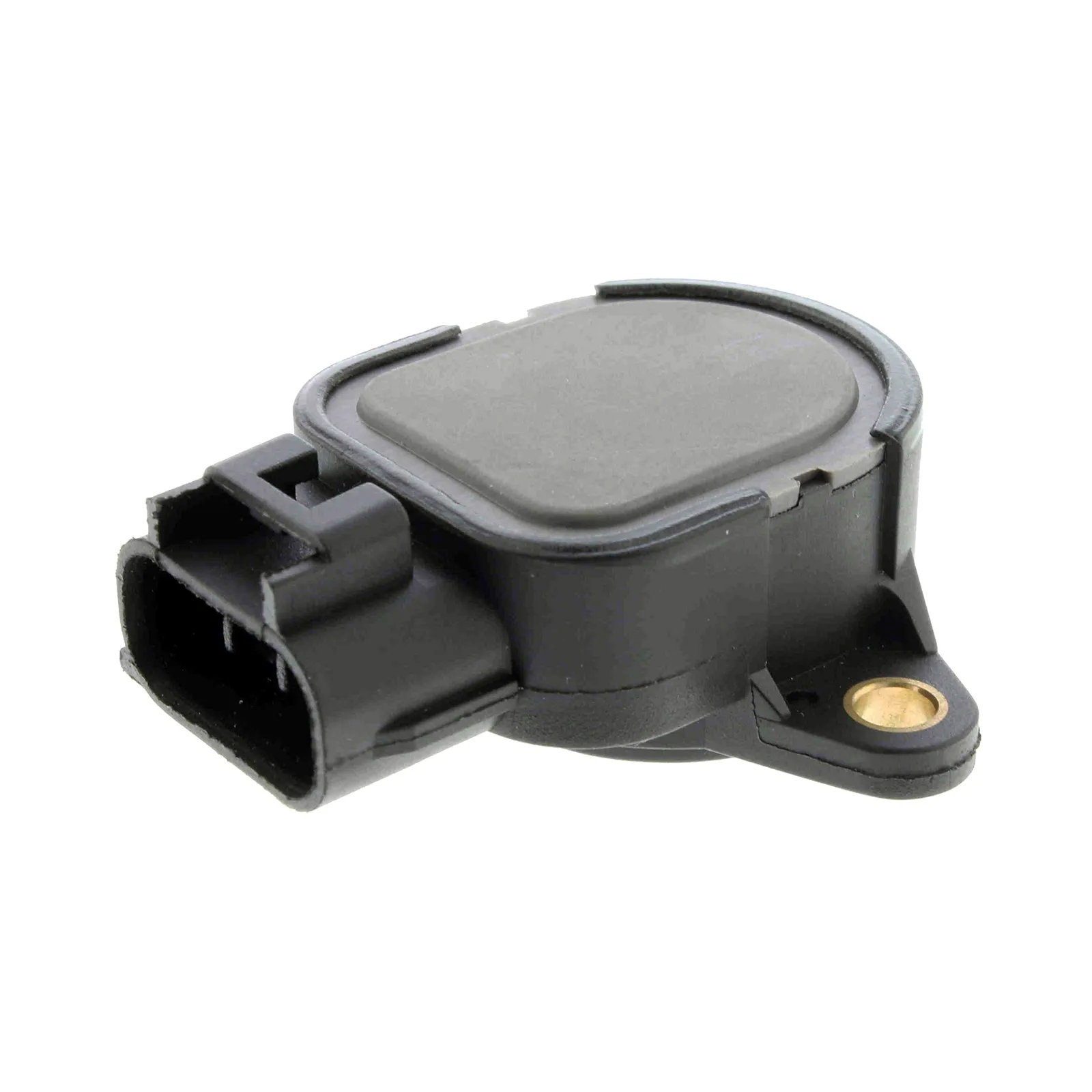
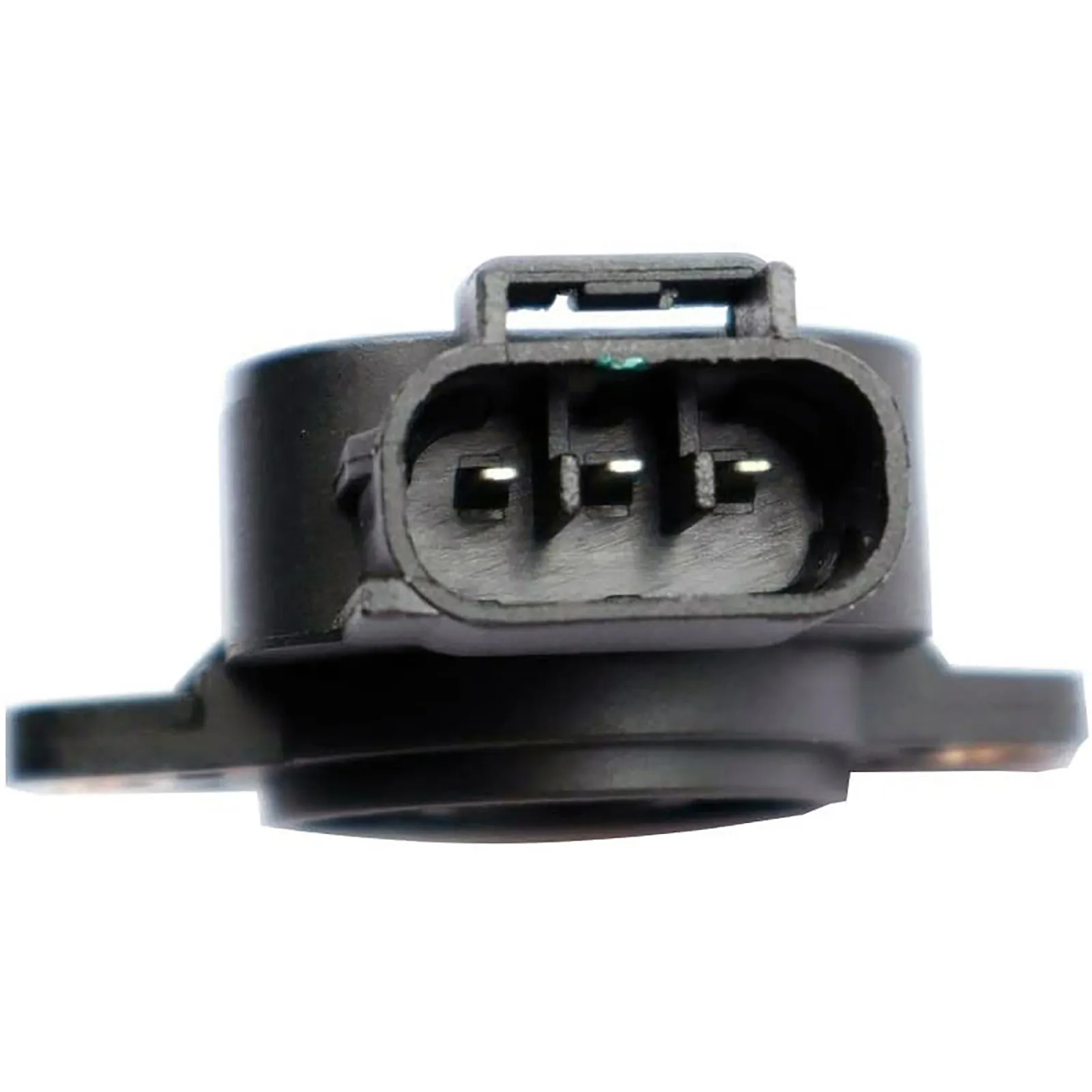
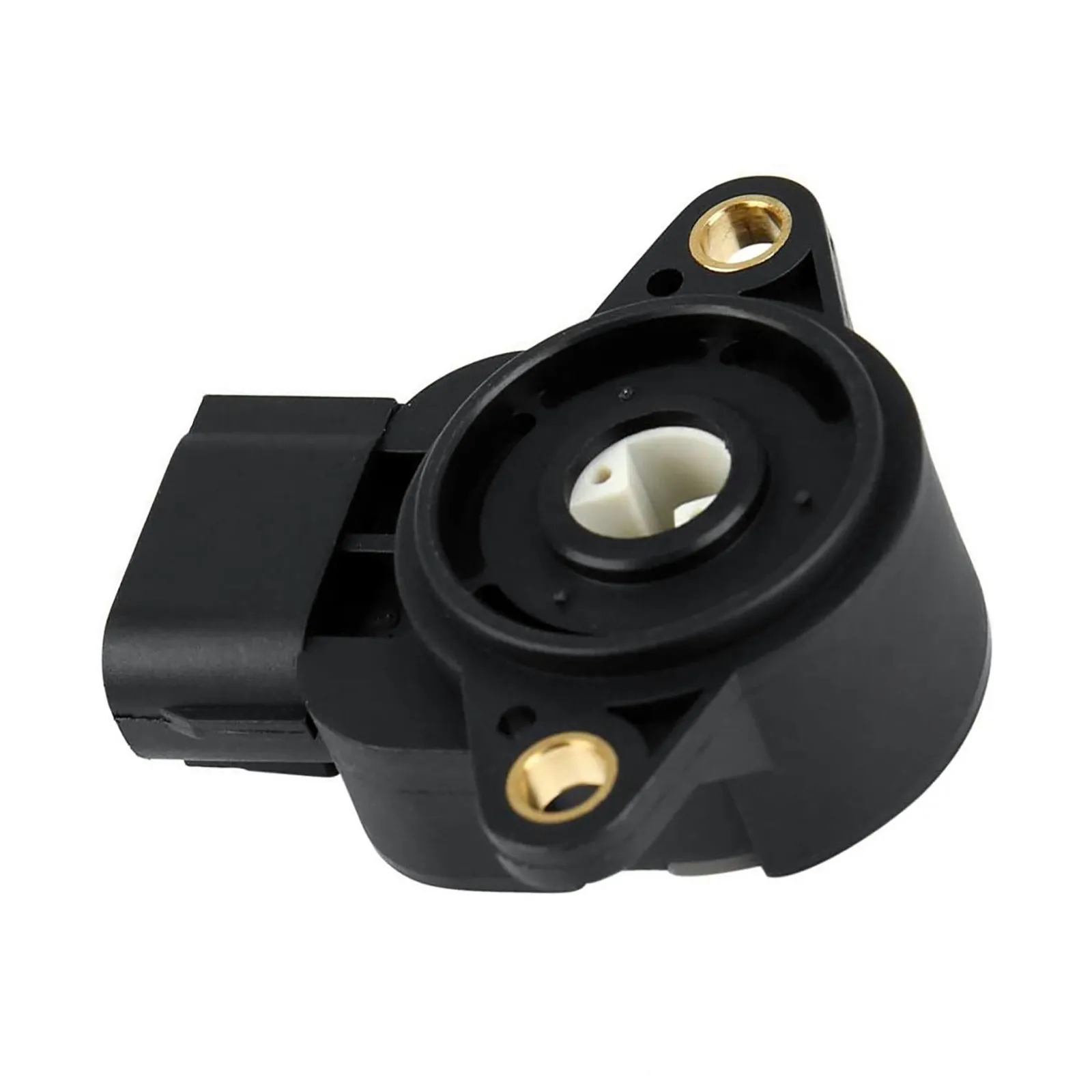
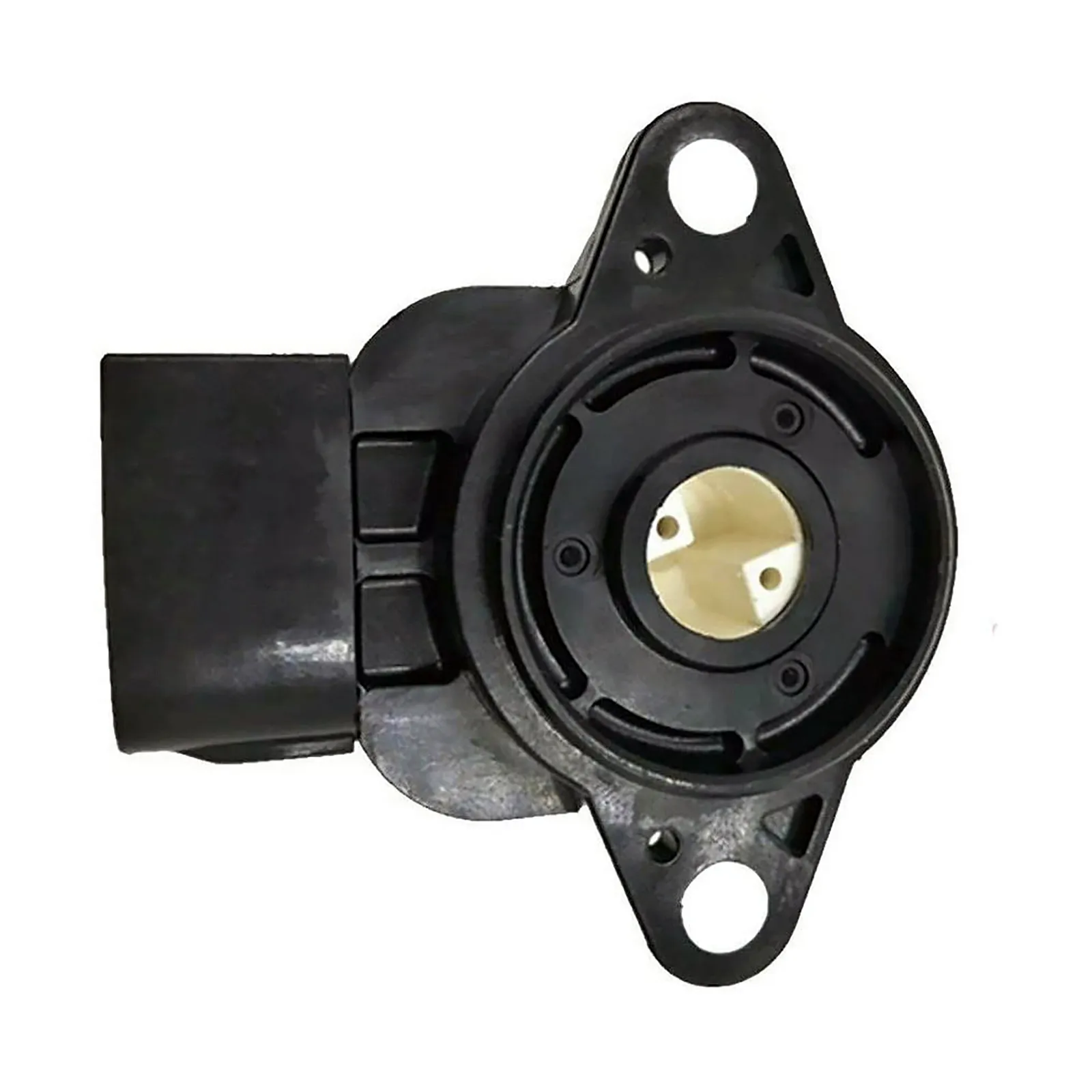
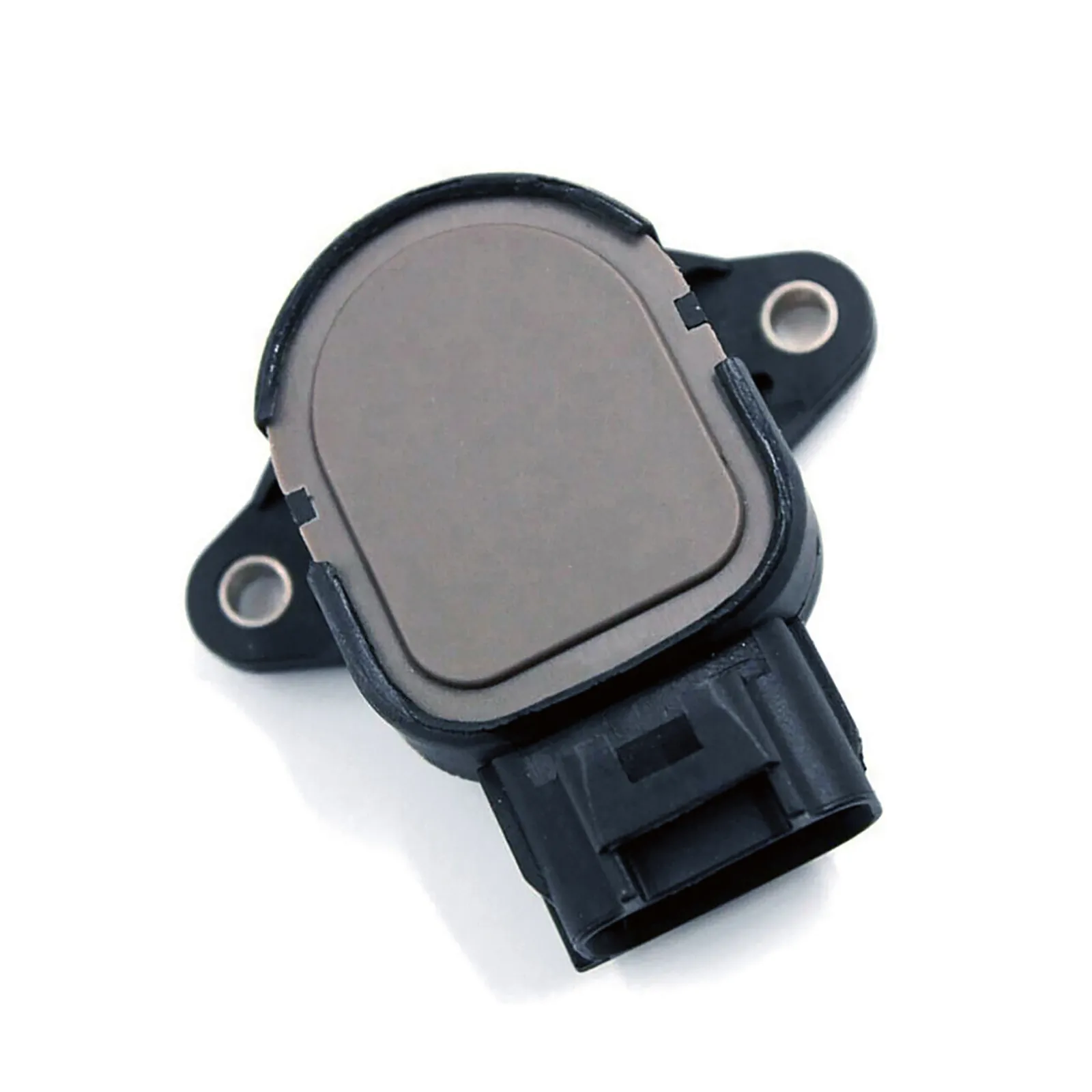
Throttle Position Sensor Replaces 89452-35020 — Toyota Celica ZZT231 Corolla ZZE123 Lotus Elise Exig
Direct Fit Replaces 89452-35020
This throttle position sensor replaces Toyota OEM part 89452-35020, supplying precise throttle angle data to the ECU on Toyota Celica ZZT231 and Corolla ZZE123 VVTL-i TS models, and on Lotus Elise and Exige variants fitted with the high-output 2ZZ-GE engine. Direct-connector replacement — same 3-pin rectangular housing, same anticlockwise rotation, same resistance sweep as the original Toyota unit.
The 2ZZ-GE is a high-revving VVTL-i engine designed around a clean and responsive throttle signal. When the TPS degrades, the ECU cannot distinguish between partial and full-throttle inputs — producing flat spots before the VVTL-i lift point, hesitation on corner exit, and erratic idle when returned to stationary. Replacing the sensor early restores the sharp, linear response these engines are built to deliver.
TO SUIT
Toyota Celica
- [08/99 - 03/06] Celica ZZT231R 16V TS 1.8L 4cyl 2ZZ-GE 141kW
Toyota Corolla
- [05/03 - 05/07] Corolla ZZE123 VVTL-i TS 1.8L 4cyl 2ZZ-GE 141kW
Lotus
- [01/04 - 12/11] Lotus Elise 1.8L 4cyl 2ZZ-GE 141kW
- [01/01 - 12/08] Lotus Exige SCC 1.8L 4cyl 2ZZ-GE 141kW
FITMENT CHECK
This listing covers the 2ZZ-GE engine variants only — the high-output VVTL-i TS models of the Celica ZZT231 and Corolla ZZE123. Standard Celica ZZT230 (1ZZ-FE) and standard Corolla (1ZZ-FE) do not use this sensor. For Lotus: covers Elise and Exige variants fitted with the Toyota-sourced 2ZZ-GE. Replaces OEM numbers 89452-35020 and 89452-35100.
OEM PART NUMBERS
- Toyota: 89452-35020
- Toyota: 89452-35100
OTHER PART NUMBERS
- VEMO: V70-72-0255
- WALKER: 200-1238
- SensorGal: CTPS192
PACKAGE INCLUDES
- 1 x Throttle Position Sensor
ABOUT THIS SENSOR
3-pin rectangular connector. Anticlockwise rotation. Supplied without cable. 2 mounting bores. Calibrated to the OEM resistance specification for Toyota 89452-35020 — optimised for the full sweep of the 2ZZ-GE throttle body from closed to wide open throttle, including the VVTL-i lift engagement range.
COMMON SYMPTOMS OF FAILURE
- Flat spot or hesitation before the VVTL-i cam lift point
- Rough idle or idle that hunts up and down
- Hesitation when pulling away from rest
- Loss of throttle response smoothness
- Poor fuel economy
- Check engine light — fault codes P0120, P0121, P0122, P0123
- [08/99 - 03/06] TOYOTA CELICA ZZT231R 16V TS 1.8L 4cyl 2ZZ-GE 141kW
- [05/03 - 05/07] TOYOTA COROLLA ZZE123 VVTL-i TS 1.8L 4cyl 2ZZ-GE 141kW
- [01/04 - 12/11] LOTUS ELISE 1.8L 4cyl 2ZZ-GE 141kW
- [01/01 - 12/08] LOTUS EXIGE SCC 1.8L 4cyl 2ZZ-GE 141kW
What fault codes does a faulty TPS trigger?
A faulty throttle position sensor typically triggers codes P0120 to P0124. P0120 and P0121 indicate the TPS signal is out of range, P0122 and P0123 indicate the signal is too low or too high, and P0124 indicates an intermittent signal. On drive-by-wire vehicles additional codes related to the electronic throttle control system may also be present.
Can a faulty TPS cause my automatic transmission to shift incorrectly?
Yes. The ECU shares throttle position data with the transmission control module to determine when to upshift and downshift. A faulty TPS sending incorrect throttle angle data can cause erratic shift points, harsh gear changes, the transmission hunting between gears, or the vehicle remaining in a fixed gear. Replacing the TPS often resolves transmission behaviour issues that appear unrelated.
Is it safe to drive with a faulty throttle position sensor?
It depends on how severely the sensor has failed. A partially failed TPS may cause hesitation and poor throttle response but the vehicle remains driveable. A fully failed TPS on a drive-by-wire vehicle can trigger limp mode, restricting the engine to a fixed low throttle position to prevent runaway acceleration. In either case replace the sensor as soon as possible as the fault can worsen without warning.
What are the symptoms of a faulty throttle position sensor?
Symptoms include jerky or hesitant acceleration, rough idle, unexpected surging, poor throttle response, stalling, and fault codes P0120-P0124. Drive-by-wire vehicles may also enter a limp mode limiting engine power.
Can I clean a throttle position sensor instead of replacing it?
TPS sensors are sealed units and cannot be cleaned or adjusted reliably. If the sensor is producing erratic signals or fault codes, replacement is the correct solution. Attempting to clean or adjust it usually results in continued faults.
Do I need to calibrate the throttle position sensor after replacement?
Many vehicles require a TPS calibration or throttle body relearn procedure after replacement. This is usually done with an OBD2 scanner or by following a specific ignition on/off sequence. Check your vehicle's service manual or contact us for guidance.
| Identification | |
|---|---|
| SKU | CTPS192-5 |
| Brand | Aftermarket OEM Replacement |
| Part Numbers | |
| Part Number | CTPS192 |
| Reference OEM Number | 89452-35020 |
| Other OEM Numbers | 89452-35020, 89452-35100, 8945235020, 8945235100 |
| Related Part Numbers | CTPS192, TPS-041, TH207, TP074, TTH028 |
| Trade Part Numbers | VEMO: V70-72-0255, WALKER: 200-1238 |
| Product Specifics | |
| Sensor Type | Throttle position sensor |
| Number of pins | 3-pin connector |
| Connector Shape | rectangular |
| Supplementary Article Info | without cable |
| Number of mounting bores | 2 |
| Rotation Direction | Anticlockwise rotation |
| Other Details | |
| Note | Always verify fitment using your vehicle's OEM part number. |
| Unit Of Measure | ea |
Be The First To Review This Product!
Help other SENSORGAL LTD. users shop smarter by writing reviews for products you have purchased.
More From This Category
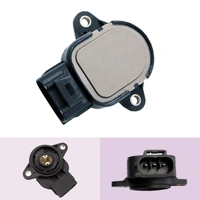
$119.95 RRP $193.95
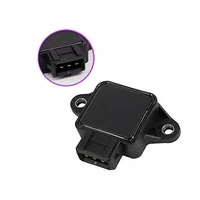
$68.97 RRP $79.96
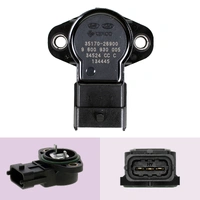
$119.97 RRP $189.95
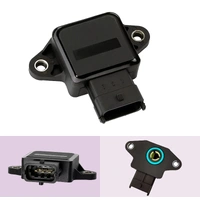
Throttle Position Sensor for Kia Cerato LD & Sportage KM 2.0L G4GC 2004-2010
SKU: CTPS108-3517022600
$59.97 RRP $109.95
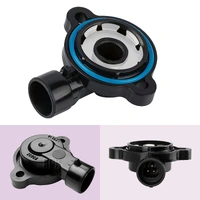
$90.10 RRP $100.95
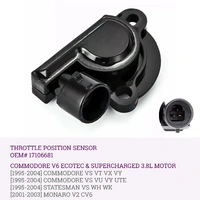
$49.97 RRP $93.95
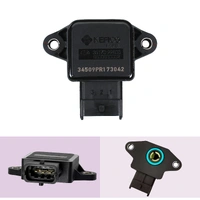
Throttle Position Sensor Hyundai Elantra XD Lavita FC G4GB G4GC 2000-2006
SKU: 3517022600-Elantra
$84.45 RRP $145.95
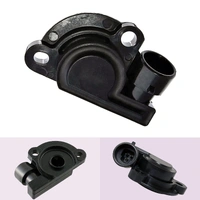
$49.97 RRP $93.95