44% OFF
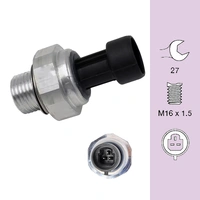
$88.97 RRP $159.00
Save $70.03
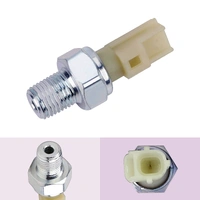
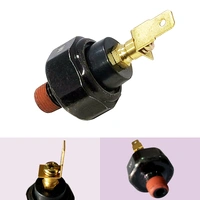
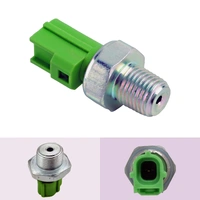
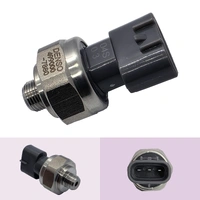
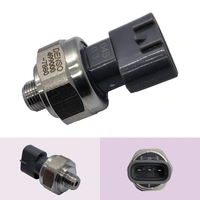
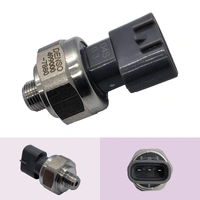
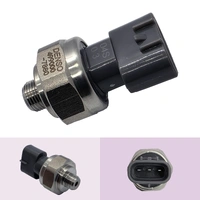
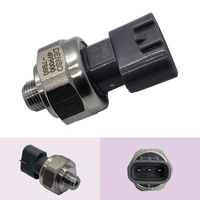
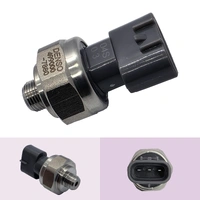
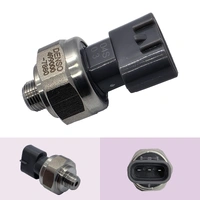
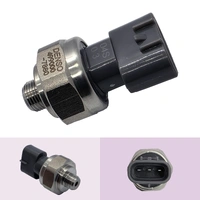
Shop OEM replacement oil pressure switches for Toyota, Holden, Ford, Mitsubishi, Nissan, Hyundai, BMW and more. Matched to OEM pressure specifications. Use the Vehicle Part Finder to confirm the right switch for your vehicle.
$88.97 RRP $159.00
$39.97 RRP $67.99
$33.51 RRP $76.79
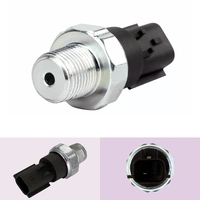
Oil Pressure Switch for Kia Rio DC JB (A5D G4ED G4EE) 2000-11 94750-21030
SKU: 9475021030-Rio
$42.97 RRP $69.97
Oil Pressure Switch for Mazda 3 Bk Bl Mazda 6 Gg GH Gy Cx-7 Mx-5 Tribute
SKU: CPS112-Mazda
$32.97 RRP $76.99
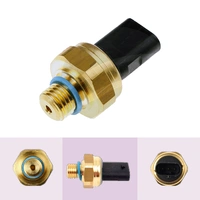
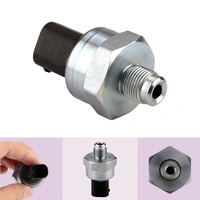
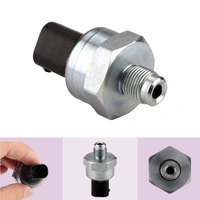
*OEM Quality* Oil Pressure Switch Sensor for BMW 1 3 5 7 Series X1 X3 X6
SKU: TPS126-12617592532
$109.97 RRP $194.00
$64.45 RRP $78.97
$97.97 RRP $219.97
$97.97 RRP $219.97
$99.00 RRP $197.97
AC Pressure Switch Sensor Ford Fiesta WS WT Focus LW Mondeo MA MB MC
SKU: AC108-Focus
$99.00 RRP $197.97
$99.00 RRP $197.97
$79.97 RRP $127.00
$79.97 RRP $127.00
$112.97 RRP $237.99
$112.97 RRP $237.99
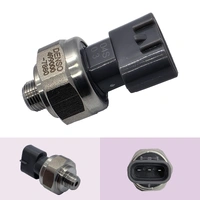
Aircon Pressure Sensor for Toyota Corolla 2006-18 2ZRFE 3ZRFE 1.8L 2.0L
SKU: AC125-Corolla
$112.97 RRP $237.99
$112.97 RRP $237.99
Aircon Pressure Sensor for Toyota Hiace Petrol TRH Series 2TRFE 2.7L
SKU: AC125-HiAce1
$112.97 RRP $237.99
$108.97 RRP $237.99
$112.97 RRP $237.99
$112.97 RRP $237.99
Aircon Pressure Sensor for Toyota Landcruiser UZJ200 V8 4.7L 07-12
SKU: AC125-LandCruiser
$112.97 RRP $237.99
Aircon Pressure Sensor for Toyota Landcruiser VDJ200 4.5L 2UZFE 07-21
SKU: AC125-LandCruiser1
$112.97 RRP $237.99
The oil pressure switch is a simple on/off sensor that monitors engine oil pressure against a fixed threshold. When oil pressure falls below the set point - typically 20 to 70 kPa depending on the engine - the switch closes and triggers the oil pressure warning light on the dashboard. Unlike an oil pressure sensor which provides a continuous analogue signal, the switch only tells you whether pressure is above or below a threshold. Many vehicles use a switch for the warning light and a separate sensor for the gauge.
A faulty oil pressure switch usually causes a false warning light rather than an actual pressure problem. Common symptoms include:
Always check the oil level and verify pressure with a mechanical gauge before replacing the switch to rule out actual low oil pressure.
Oil pressure switches vary in activation pressure, thread size, connector type, and whether they are normally open or normally closed. Every switch in our range is matched to OEM specifications. Use the Vehicle Part Finder to confirm fitment before ordering.
SensorGal is a 100% Australian owned family business stocking aftermarket OEM replacement oil pressure switches for Toyota, Holden, Ford, Mitsubishi, Nissan, Hyundai, BMW and more. Orders placed before 12 noon are dispatched same day from our Cranbourne VIC warehouse via express post. All parts carry a 1-Year Australian warranty and our no-fuss returns policy.
An oil pressure switch is a simple on/off device that triggers the oil pressure warning light when pressure drops below a fixed threshold. It provides no information about the actual pressure level - just whether it is above or below the activation point. An oil pressure sensor provides a continuous analogue signal to the ECU and instrument cluster, allowing the dashboard to display an actual pressure reading and giving the ECU real-time data for engine management decisions. Many vehicles use both - a switch for the warning light and a sensor for the gauge.
The most common symptom is a false oil pressure warning light on the dashboard despite the engine having correct oil level and pressure. The light may be on constantly or may flicker particularly at idle when oil pressure is naturally at its lowest. An oil leak from around the sensor or switch body is also a common sign of failure. On vehicles with a pressure gauge rather than just a warning light, a faulty sensor may cause the gauge to read zero, maximum, or erratically.
Never assume a warning light is a faulty sensor without checking first. Turn the engine off immediately when the oil pressure light comes on and check the oil level on the dipstick. If oil level is correct, you can verify actual oil pressure by fitting a mechanical oil pressure gauge to the sending unit port and running the engine briefly. A reading within the normal range (typically 200 to 500 kPa at operating temperature and idle) confirms the warning is from a faulty sensor rather than actual low pressure.
No - stop the engine as soon as it is safe to do so. An actual low oil pressure condition will cause catastrophic engine damage within minutes of continued running. Even if the fault turns out to be a faulty sensor, you cannot confirm this while driving. Always treat an oil pressure warning light as a critical fault requiring immediate attention until proven otherwise.
Most oil pressure sensors and switches are threaded directly into the engine block or oil filter housing and can be replaced with basic tools - a socket or spanner of the correct size and some thread sealant. Allow the engine to cool before removal to avoid burns from hot oil. Have a rag ready to catch the small amount of oil that will spill when the old sensor is removed. The job typically takes 15 to 30 minutes on most vehicles.
The sensor itself does not affect oil pressure or lubrication - it only monitors and reports pressure. A faulty sensor that gives a false low reading may cause unnecessary anxiety but will not damage the engine. However if the sensor gives a false normal reading when actual pressure is low, it will prevent the warning light from alerting you to a real low pressure condition that could cause serious engine damage. This is why verifying actual oil pressure is important before dismissing an oil pressure fault as a sensor issue.