
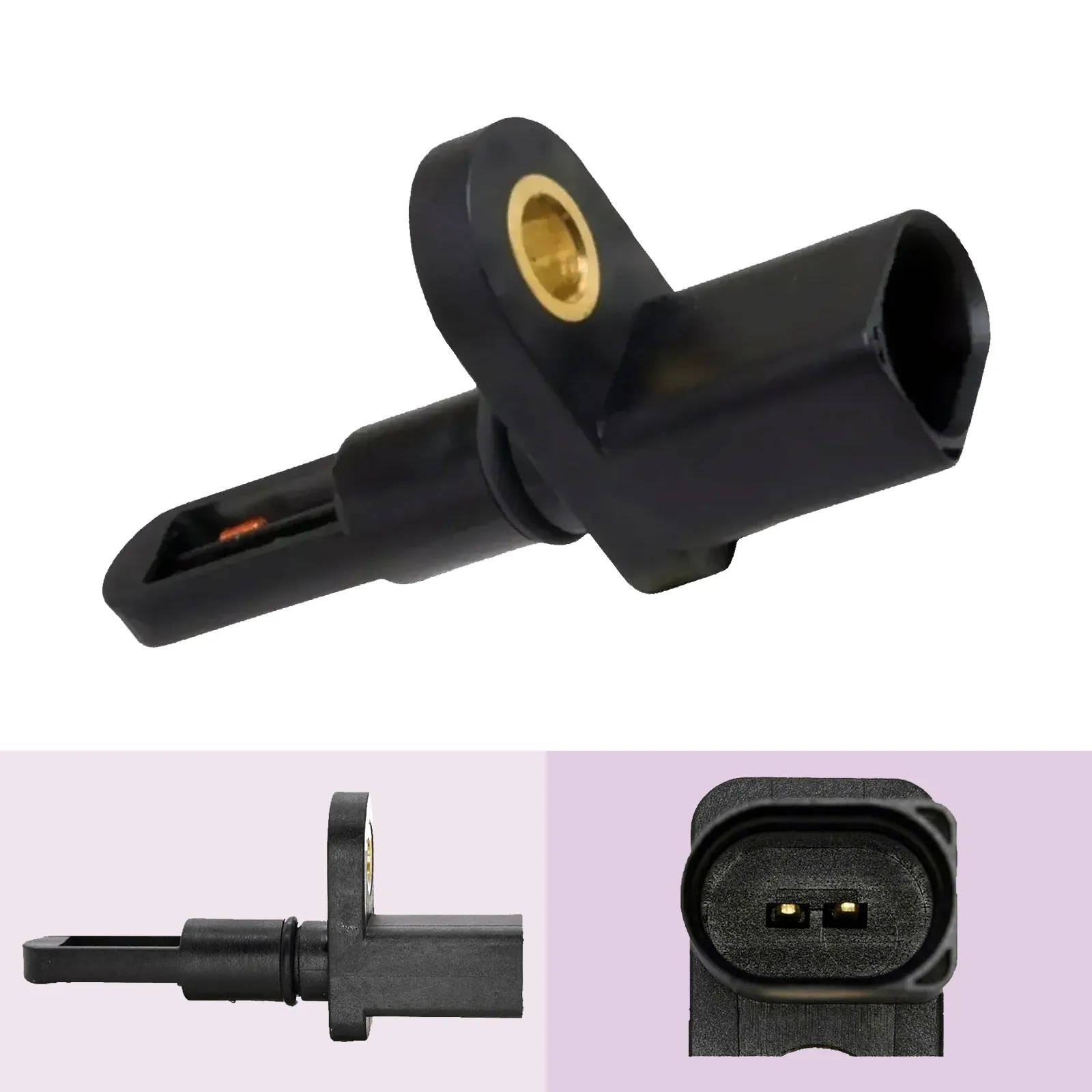
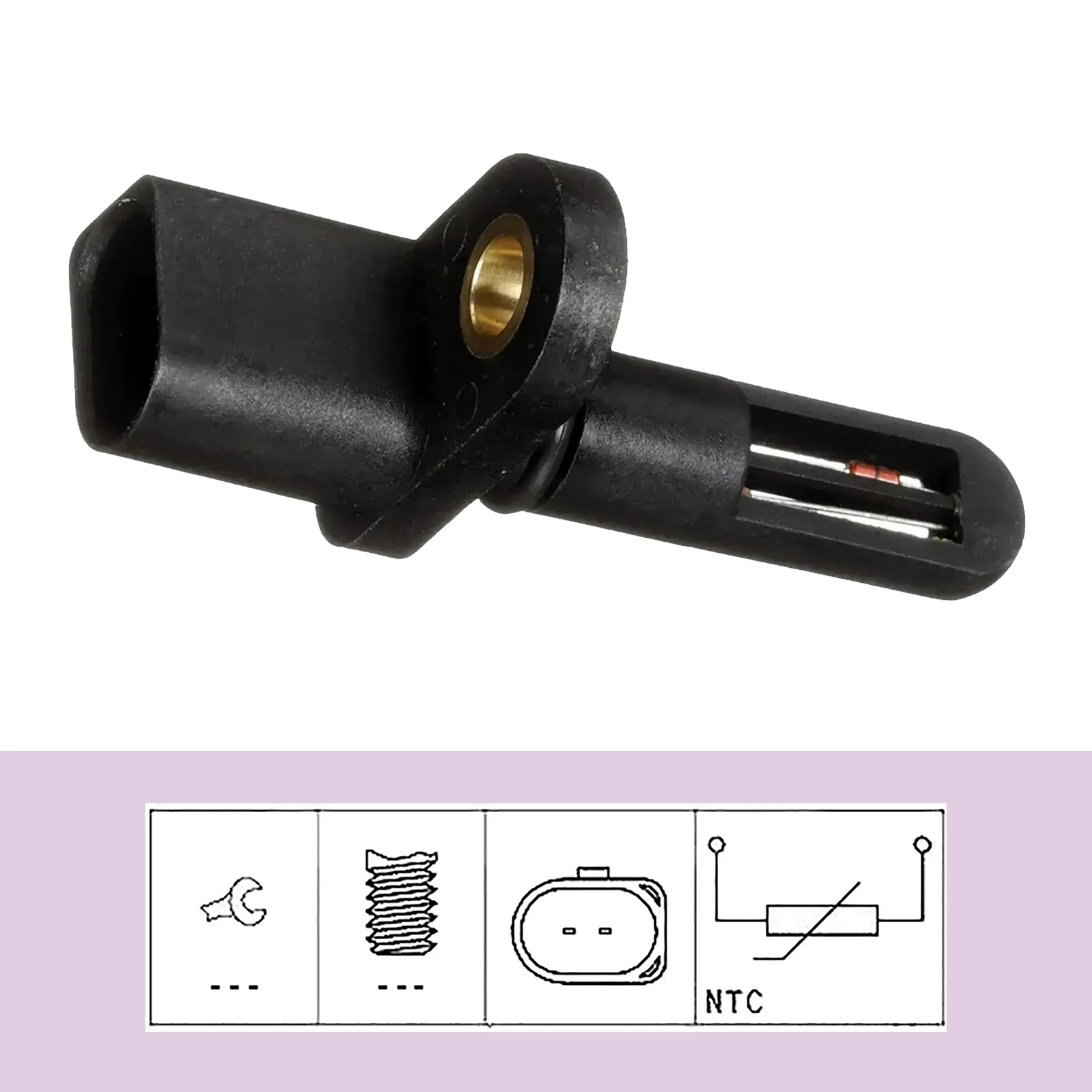
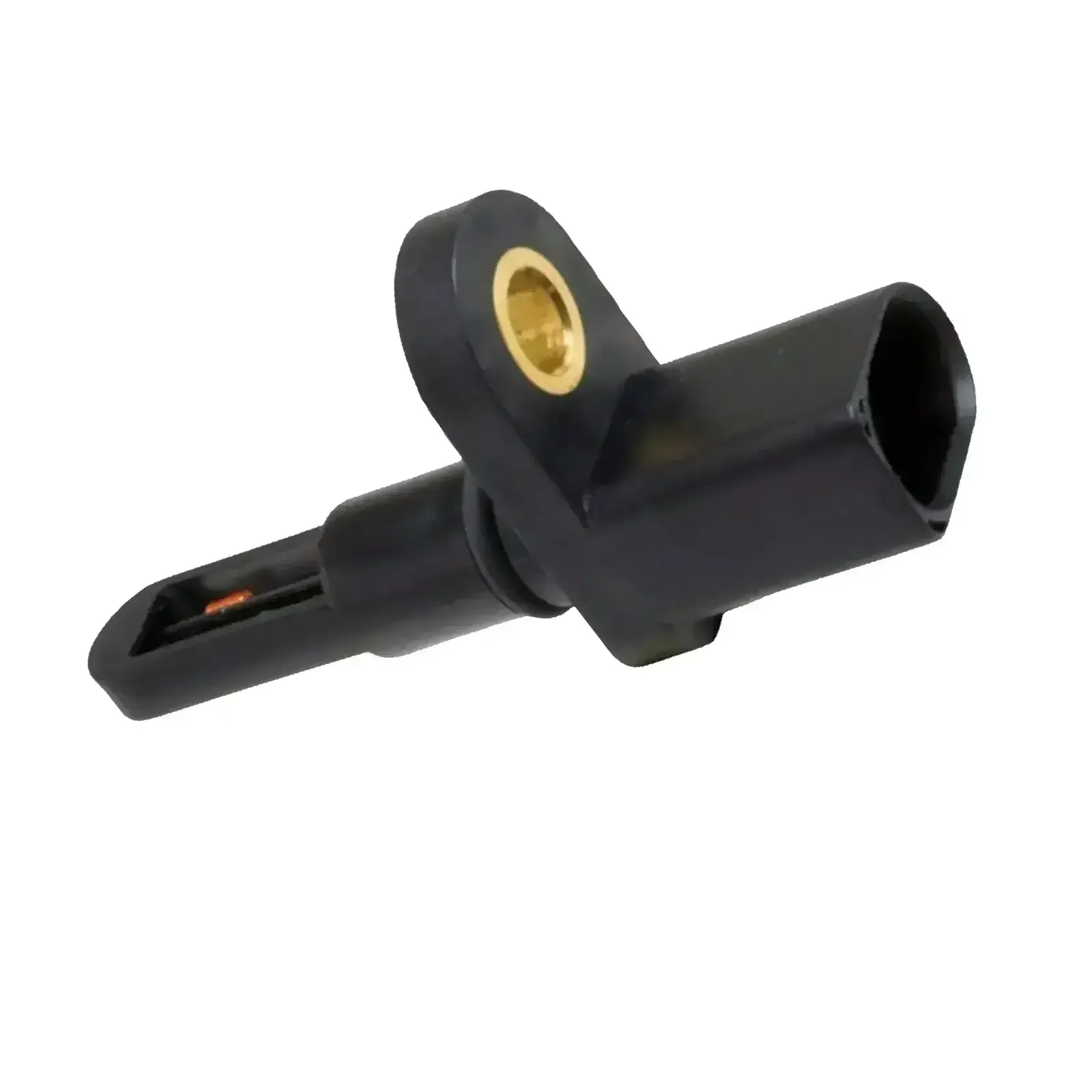
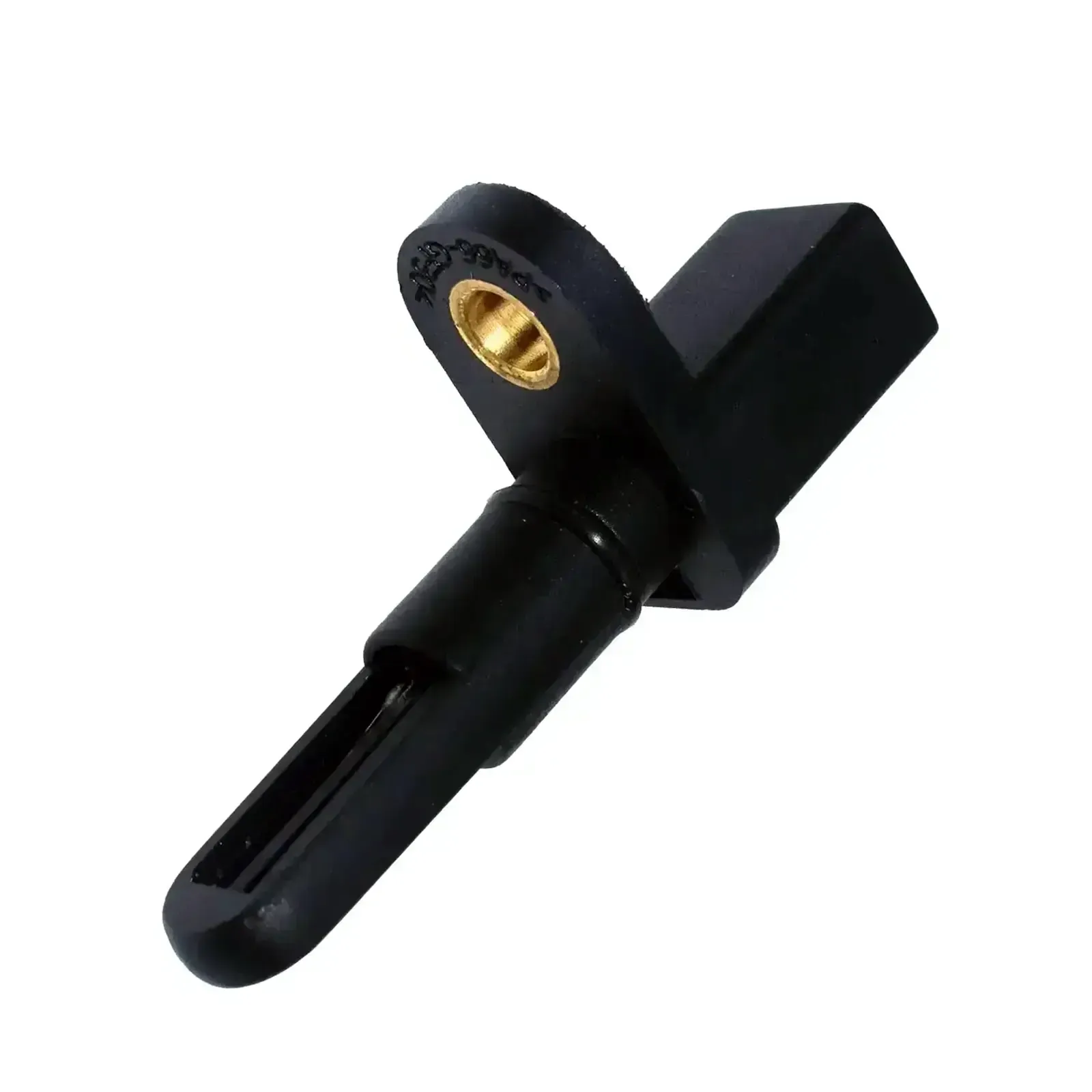
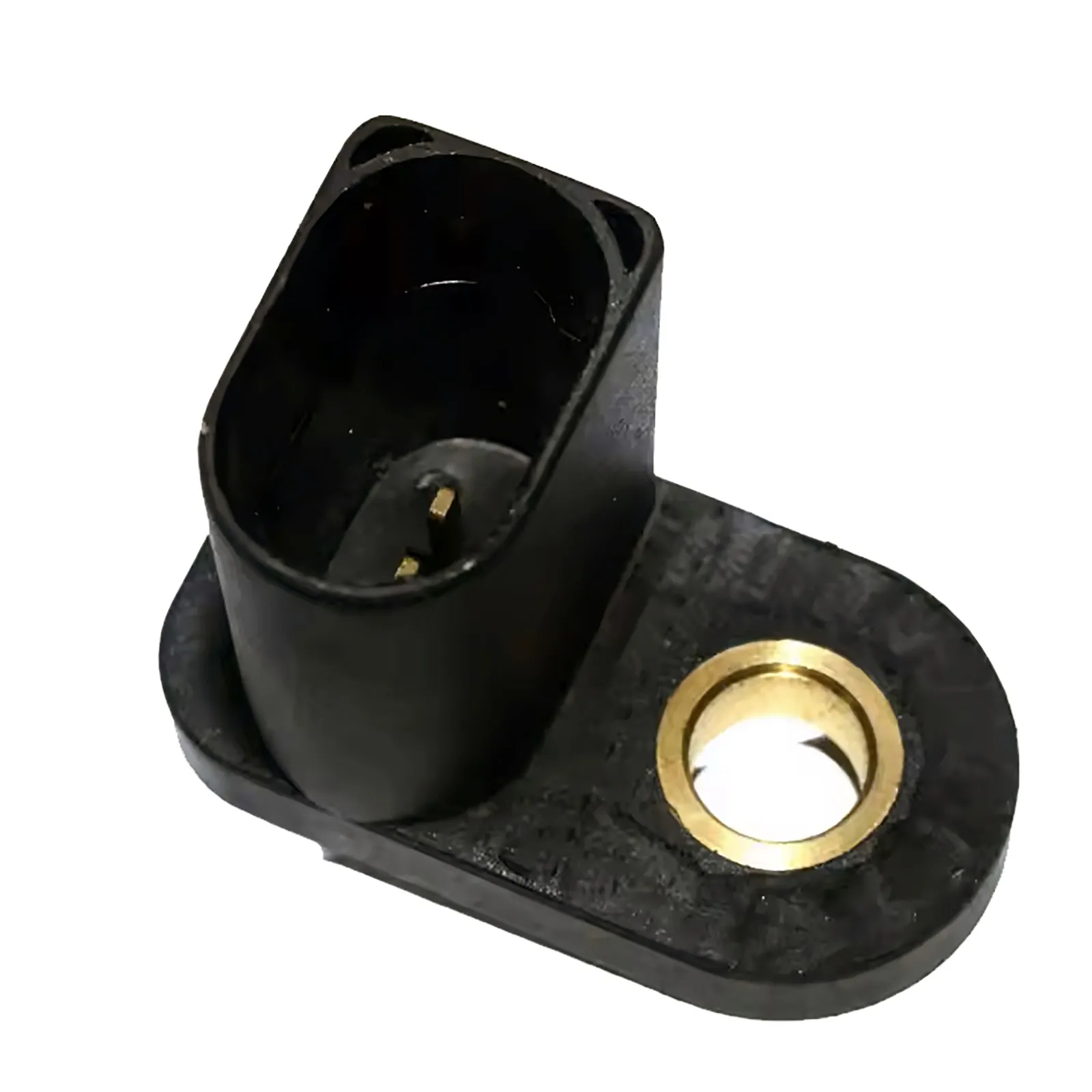
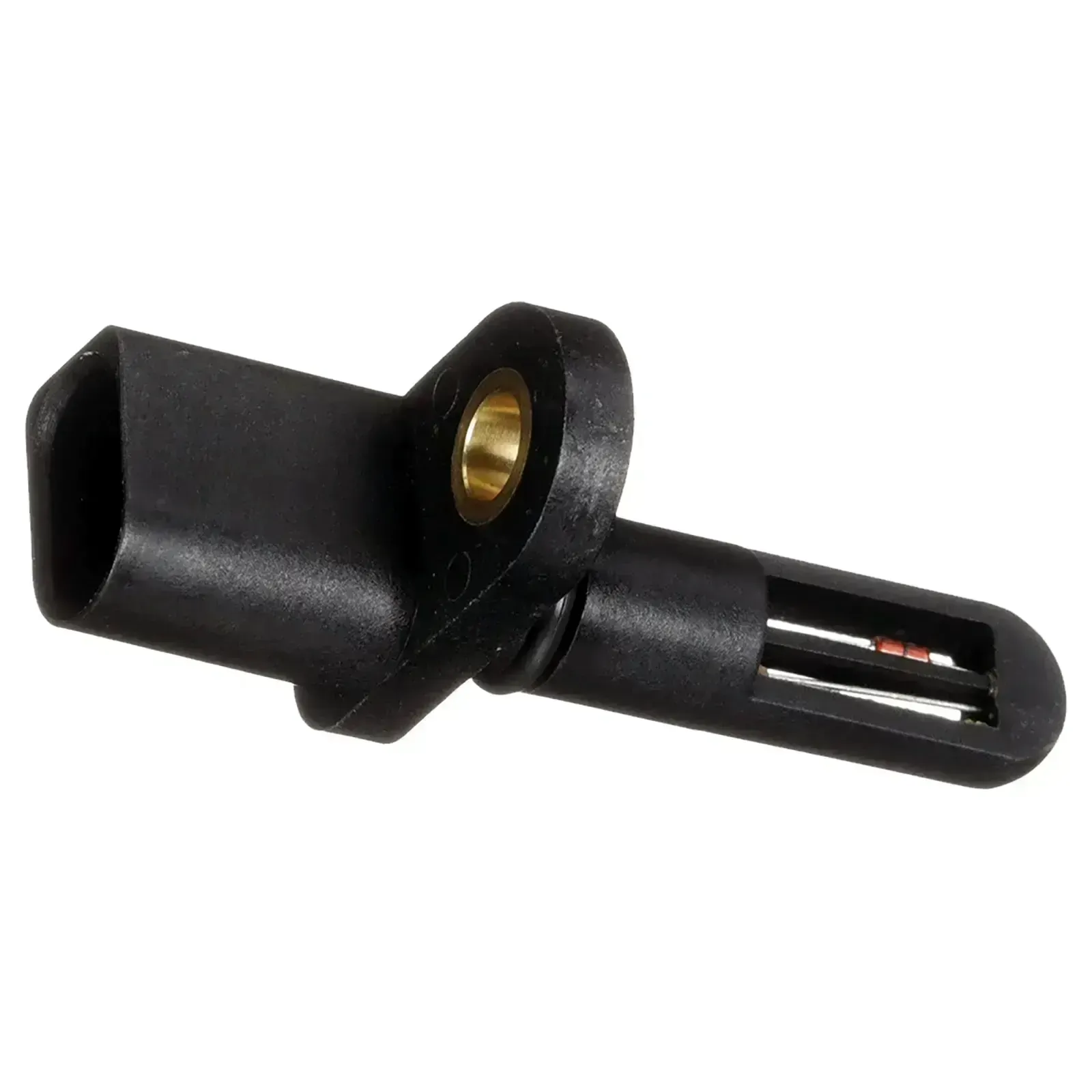
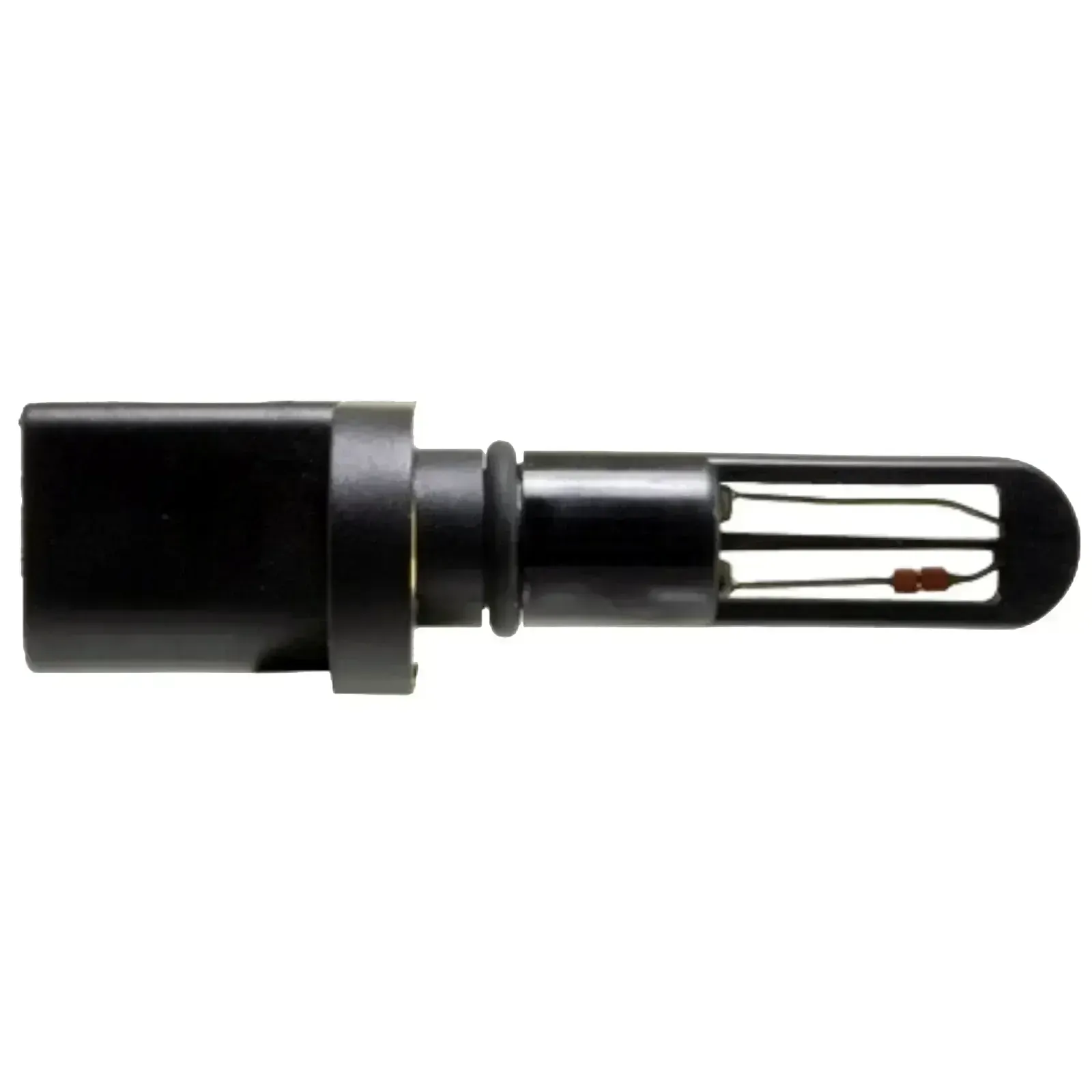
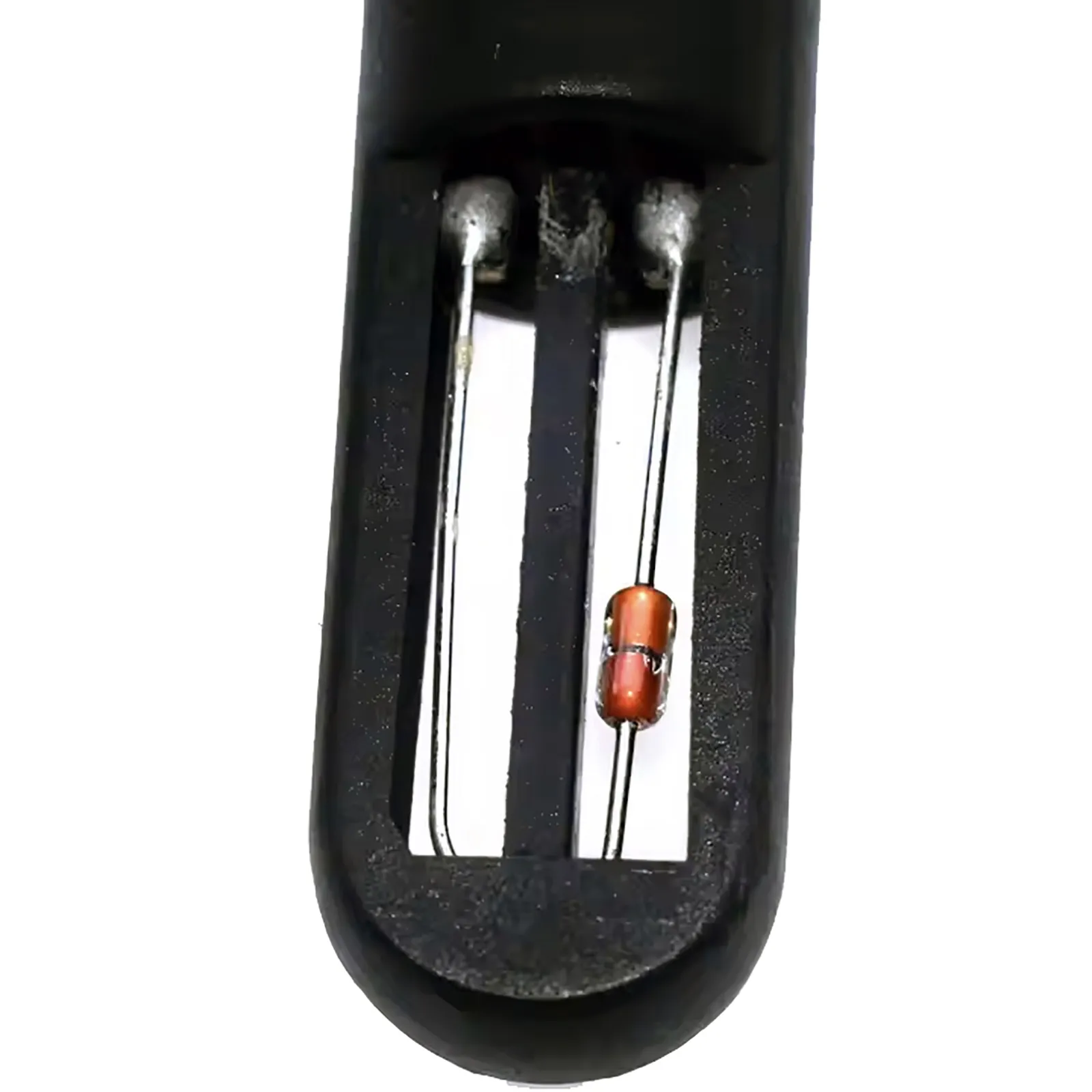
IAT Sensor 06B905379D Audi A3 A4 A5 Q3 Q5 1.8L 2.0L TFSI TSI
OEM Spec Fit Replaces 06B905379D
BRAND NEW *OEM Quality* intake air temperature (IAT) sensor to suit Audi A3 A4 A5 Q3 Q5 with 1.8L and 2.0L TFSI TSI engines.
The Audi 2.0 TFSI EA888 engine is the highest-volume application for this sensor in Australia. IAT sensor failure on EA888 (CJSA CNCD CPMB) is documented at higher mileage and typically presents as rough idle or cold-start hesitation. Dispatched same-day from Melbourne.
TO SUIT
Suits Audi A3 8V with 1.8 TFSI (CJSA CXSA) and 2.0 TFSI (CJXA CPMA). Also suits A4 B8/B9 with 2.0 TFSI (CNCD CPMB) and A5 8T/8W Sportback with 2.0 TFSI (CDNB CDLC). The Q3 8U and Q5 8R with 2.0 TFSI (CPMB CNCD) share the same sensor and mounting point. The A4 B8 and A5 8T 2.0 TFSI have a documented oil separator issue where oil mist from the crankcase ventilation coats the IAT element - replacing the sensor without addressing the oil separator often results in early re-failure. Verify OEM 06B905379D before ordering.
OEM PART NUMBERS
- 06B905379D
- 06B905379
- 06B905379A
- 06B905379B
- 06B905379C
OTHER PART NUMBERS
- VEMO: V10-72-1034
- WALKER PRODUCTS: 210-1073
PACKAGE INCLUDES
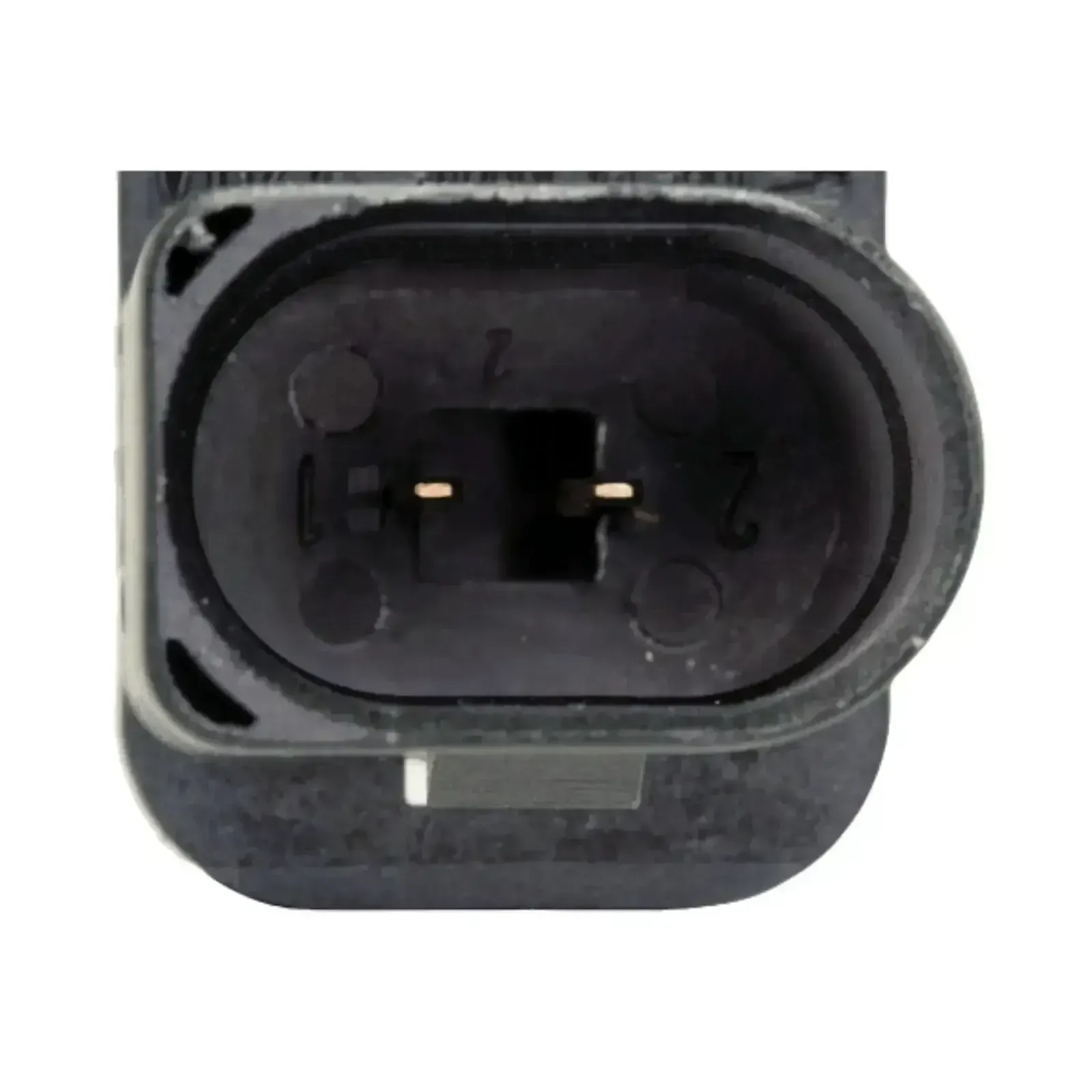
1 x OEM Quality Intake Air Temperature Sensor (2-Pin D-shape plug)
ABOUT THIS SENSOR
On the Audi EA888 Gen 3 2.0 TFSI the IAT sensor is mounted downstream of the throttle body in the intake manifold - measuring actual charge temperature entering the cylinders rather than air temperature before the intercooler. This position makes the reading more accurate for fuelling purposes but also exposes the sensor to oil contamination from the PCV system.
The 2.0 TFSI in A4 B8 and A5 8T is particularly affected by oil separator failures where crankcase oil mist coats the intake port and sensor element. Diagnosing IAT sensor failure on these platforms should always include inspecting the oil separator for excessive output before replacing the sensor alone.
COMMON SYMPTOMS OF FAILURE
- Fault codes P0110 P0112 P0113 on VCDS scan
- Cold start rough idle on EA888 2.0 TFSI
- Hesitation at 1500-2500 RPM during warm-up
- Slight misfire at part throttle on A4/A5 2.0 TFSI
- Fuel consumption increase of 0.5-1 L/100km
- Long cold cranking before start in winter
- [05/03 - 06/08] AUDI A3 8P1 FSI (2.0L 4cyl BLR/ AXW/ BVY/ BVZ/ BLX/ BLY/ BMB 110kW)
- [02/07 - 08/12] AUDI A3 8P1 S3 (2.0L 4cyl CDLC/ BZC 188kW)
- [11/06 - 08/12] AUDI A3 8P1 TFSI (1.8L 4cyl BYT/ BZB/ CDAA 118kW)
- [09/04 - 08/12] AUDI A3 8P1 TFSI (2.0L 4cyl AXX/ CAWB/ CCZA/ BWA 147kW)
- [09/04 - 08/12] AUDI A3 8P1 TFSI (2.0L 4cyl AXX/ CCZA/ BWA 147kW)
- [04/08 - 05/13] AUDI A3 8P7 TFSI (1.8L 4cyl BZB/ CDAA 118kW)
- [04/08 - 05/13] AUDI A3 8P7 TFSI (2.0L 4cyl CAWB/ CCZA 147kW)
- [09/04 - 06/08] AUDI A3 8PA FSI (2.0L 4cyl BLR/ AXW/ BVY/ BVZ/ BLX/ BLY/ BMB 110kW)
- [07/08 - 03/13] AUDI A3 8PA S3 (2.0L 4cyl CDLC 188kW)
- [11/06 - 03/13] AUDI A3 8PA TFSI (1.8L 4cyl BYT/ BZB/ CDAA 118kW)
- [09/04 - 03/13] AUDI A3 8PA TFSI (2.0L 4cyl BPY/ AXX/ CCZA/ BWA 147kW)
- [09/04 - 03/13] AUDI A3 8PA TFSI (2.0L 4cyl CBFA/ AXX/ CAWB/ CCZA/ BWA 147kW)
- [02/98 - 11/00] AUDI A4 8D2 B5 (2.4L V6 APS/ ARJ/ AGA/ ALF/ AML 121kW)
- [03/97 - 09/01] AUDI A4 8D5 B5 (2.4L V6 APS/ ARJ/ AGA/ ALF/ AML 121kW)
- [07/01 - 12/04] AUDI A4 8E2 B6 (2.0L 4cyl ALT 96kW)
- [04/02 - 12/04] AUDI A4 8E2 B6 (2.4L V6 BDV 125kW)
- [09/01 - 12/04] AUDI A4 8E5 B6 (2.0L 4cyl ALT 96kW)
- [11/04 - 06/08] AUDI A4 8EC B7 (2.0L 4cyl ALT 96kW)
- [11/04 - 06/08] AUDI A4 8EC B7 TFSI (2.0L 4cyl BGB/ BWE 147kW)
- [11/04 - 06/08] AUDI A4 8ED B7 (2.0L 4cyl ALT 96kW)
- [11/04 - 06/08] AUDI A4 8ED B7 TFSI (2.0L 4cyl BGB/ BWE/ BWT 147kW)
- [01/06 - 03/09] AUDI A4 8HE B7 TFSI 16V (2.0L 4cyl BWE 147kW)
- [11/07 - 03/12] AUDI A4 8K2 B8 TFSI (1.8L 4cyl CABB/ CDHB 118kW)
- [06/08 - 12/15] AUDI A4 8K2 B8 TFSI (2.0L 4cyl CDNC/ CPMA 155kW)
- [06/08 - 12/15] AUDI A4 8K2 B8 TFSI (2.0L 4cyl CFKA/ CDNB/ CAEA 132kW)
- [11/07 - 03/12] AUDI A4 8K5 B8 TFSI (1.8L 4cyl CABB/ CDHB 118kW)
- [06/08 - 12/15] AUDI A4 8K5 B8 TFSI (2.0L 4cyl CDNC/ CAEB 155kW)
- [06/08 - 12/15] AUDI A4 8K5 B8 TFSI (2.0L 4cyl CFKA/ CDNB 132kW)
- [09/11 - 03/16] AUDI A5 8F7 TFSI (1.8L 4cyl CJEB 125kW)
- [03/09 - 03/12] AUDI A5 8F7 TFSI (2.0L 4cyl CDNB/ CAEA 132kW)
- [05/13 - 05/16] AUDI A5 8F7 TFSI (2.0L 4cyl CNCD Euro 6 165kW)
- [10/11 - 01/17] AUDI A5 8T3 TDI (3.0L V6 CKVC/ CDUC/ CKVB 180kW)
- [10/07 - 01/17] AUDI A5 8T3 TFSI (1.8L 4cyl CABD/ CJEB 125kW)
- [05/15 - 01/17] AUDI A5 8T3 TFSI (1.8L 4cyl CJEE Euro 6 130kW)
- [06/08 - 01/17] AUDI A5 8T3 TFSI (2.0L 4cyl CDNC/ CPMA/ CAEB 155kW)
- [08/11 - 01/17] AUDI A5 8TA TFSI (1.8L 4cyl CJEB 125kW)
- [09/09 - 06/14] AUDI A5 8TA TFSI (2.0L 4cyl CDNB 132kW)
- [09/09 - 01/17] AUDI A5 8TA TFSI (2.0L 4cyl CDNC 155kW)
- [05/13 - 05/16] AUDI A5 8TA TFSI (2.0L 4cyl CNCD Euro 6 165kW)
- [10/08 - 03/11] AUDI A6 4F2 C6 TDI (3.0L V6 CDYA/ CDYC 176kW)
- [06/05 - 03/11] AUDI A6 4F2 C6 TFSI (2.0L 4cyl BPJ 125kW)
- [05/11 - 09/18] AUDI A6 4G2/ 4GC C7 TFSI (2.0L 4cyl CDNB 132kW)
- [02/01 - 08/05] AUDI ALLROAD 4BH C5 T (2.7L V6 ARE/ BES 184kW)
- [06/11 - 04/15] AUDI Q3 8UB/ 8UG TFSI (2.0L 4cyl CPSA 155kW)
- [11/08 - 05/17] AUDI Q5 8RB TDI (3.0L V6 CPNB/ CCWA 176kW)
- [11/08 - 09/12] AUDI Q5 8RB TFSI (2.0L 4cyl CDNC/ CAEB 155kW)
- [06/12 - 04/17] AUDI Q5 8RB TFSI (3.0L V6 CTUC/ CTVA 200kW)
- [06/08 - 06/14] AUDI TT 8J3 TFSI (1.8L 4cyl CDAA 118kW)
- [08/06 - 06/10] AUDI TT 8J3 TFSI (2.0L 4cyl BWA 147kW)
- [06/08 - 06/10] AUDI TT 8J3 TFSI (2.0L 4cyl CCZA/ CCTA 147kW)
- [05/10 - 06/14] AUDI TT 8J3 TFSI (2.0L 4cyl CESA 155kW)
- [05/10 - 06/14] AUDI TT 8J3 TFSI (2.0L 4cyl CESA/ CETA 155kW)
What does an intake air temperature (IAT) sensor do?
The intake air temperature (IAT) sensor measures the temperature of air entering the engine and sends this data to the ECU. Cold dense air contains more oxygen than warm thin air and requires more fuel for the same combustion result. The ECU uses IAT data alongside manifold pressure or airflow data to calculate the correct fuel injection quantity and ignition timing for the current air temperature conditions. On many vehicles the IAT sensor is integrated into the mass airflow (MAF) sensor housing.
What are the symptoms of a failing air temperature sensor?
Common symptoms include poor fuel economy as the ECU miscalculates fuel delivery based on incorrect temperature data, rough idle or hesitation under acceleration, black smoke from the exhaust due to over-fuelling, hard starting particularly from cold, and a Check Engine light with IAT circuit fault codes P0110 to P0114. Some vehicles may also experience difficulty starting because the ECU cannot correctly calculate the cold start enrichment required.
How do I test an air temperature sensor?
The IAT sensor is a thermistor that changes resistance with temperature. With a cold engine (ambient temperature) the resistance is high - typically 2,000 to 3,000 ohms at 20 degrees C. As temperature rises resistance falls. You can test resistance with a multimeter at the sensor connector and compare against the temperature/resistance chart in your vehicle service manual. An OBD2 scanner showing an IAT reading that does not match ambient temperature when the engine is cold is also a strong indicator of failure.
Is the IAT sensor the same as the MAF sensor?
No - they are different sensors, although on many modern vehicles the IAT sensor is built into the MAF sensor housing as a combined unit. The MAF sensor measures the mass of air entering the engine using a hot wire element. The IAT sensor measures the temperature of that air using a thermistor. If you have a combined MAF/IAT unit that fails, you typically need to replace the complete assembly. Use the Vehicle Part Finder to confirm which type is fitted to your vehicle.
Can a faulty IAT sensor cause my vehicle to fail an emissions test?
Yes. An incorrect IAT reading causes the ECU to miscalculate fuel delivery, typically resulting in a rich running condition with higher CO and hydrocarbon emissions. An active fault code from the IAT sensor will also cause most roadworthy and emissions inspection systems to flag the vehicle as failing the on-board diagnostics check before exhaust emissions are even measured. Resolve any IAT sensor faults before presenting for an emissions test.
Does the IAT sensor need to be reset or calibrated after replacement?
No - the IAT sensor is a passive thermistor requiring no calibration or programming. It is a direct plug-in replacement. Clear any stored fault codes with an OBD2 scanner after fitting the new sensor. The ECU will immediately begin reading the new sensor data and adjust fuelling accordingly. If the vehicle has been running rich due to the faulty sensor, fuel trim values will self-correct over several drive cycles.
| Identification | |
|---|---|
| SKU | CAT037-Audi |
| Brand | Aftermarket OEM Replacement |
| Part Numbers | |
| Part Number | CAT037 |
| Reference OEM Number | 06B905379D |
| Other OEM Numbers | 06B905379D, 06B905379, 06B905379A, 06B905379B, 06B905379C |
| Related Part Numbers | CAT037, AT336, ATS1055 |
| Trade Part Numbers | VEMO: V10-72-1034, WALKER PRODUCTS: 210-1073 |
| Product Specifics | |
| Product Type | SENSOR |
| Sensor Type | Intake Air Temperature (IAT) Sensor |
| Number of pins | 2-Pin |
| Connector Shape | D-Shape |
| Fitment Type | Direct Replacement |
| Other Details | |
| Note | Always verify fitment using your vehicle's OEM part number. |
Be The First To Review This Product!
Help other SENSORGAL LTD. users shop smarter by writing reviews for products you have purchased.
Others Also Bought
$79.45 RRP $189.97
Temperature Gauge Sensor for Toyota Lexus 1UZFE V8 LS400 UFC10 UFC20 Soarer
SKU: CTS154-8342020040-1-1
$55.95 RRP $87.99
More From This Category
Intake Air Temperature Sensor for Peugeot 207 307 308 407 Citroen C3 C4
SKU: CAT028-62930981
$64.97 RRP $124.99
Air Temperature Sensor for VW Passat 3B2 3B6 B5 1.8L 2.8L V6 058905379
SKU: AT334-Passat
$64.77 RRP $127.99
$69.97 RRP $97.99
$98.97 RRP $129.99
$57.97 RRP $127.00
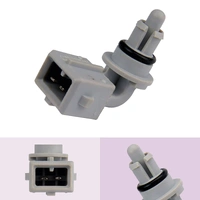
Intake Air Temperature Sensor for Renault Clio Kangoo Master Megane Scenic
SKU: CAT034-AT339-2
$35.99 RRP $62.39
$94.44 RRP $137.57
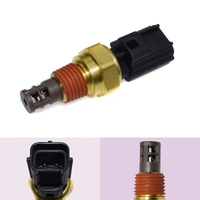
Air Temperature Sensor for Dodge Caliber Eba Ecn ED3 Ram 2500 1500 3500
SKU: CAT031-Dodge
$79.97 RRP $147.97