
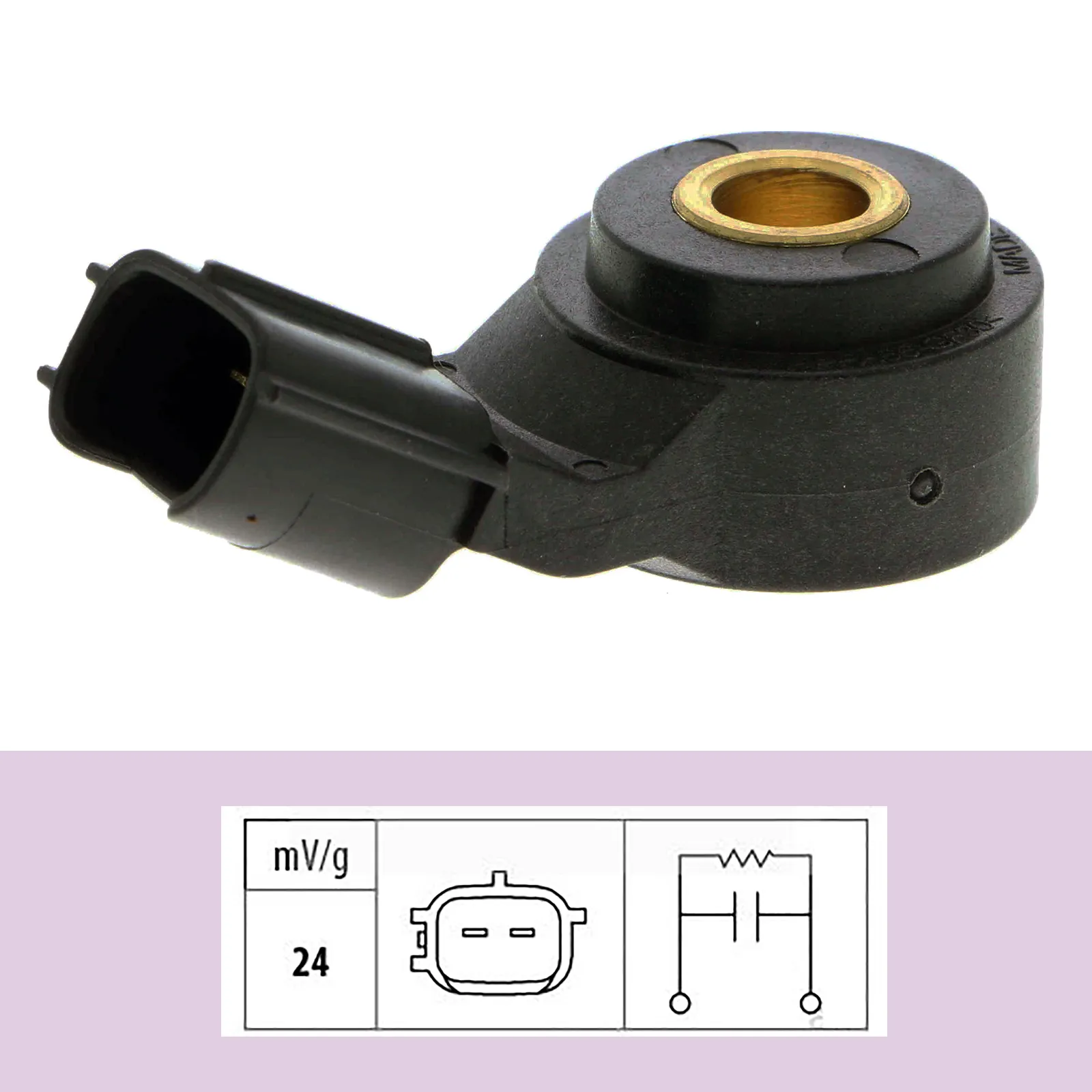
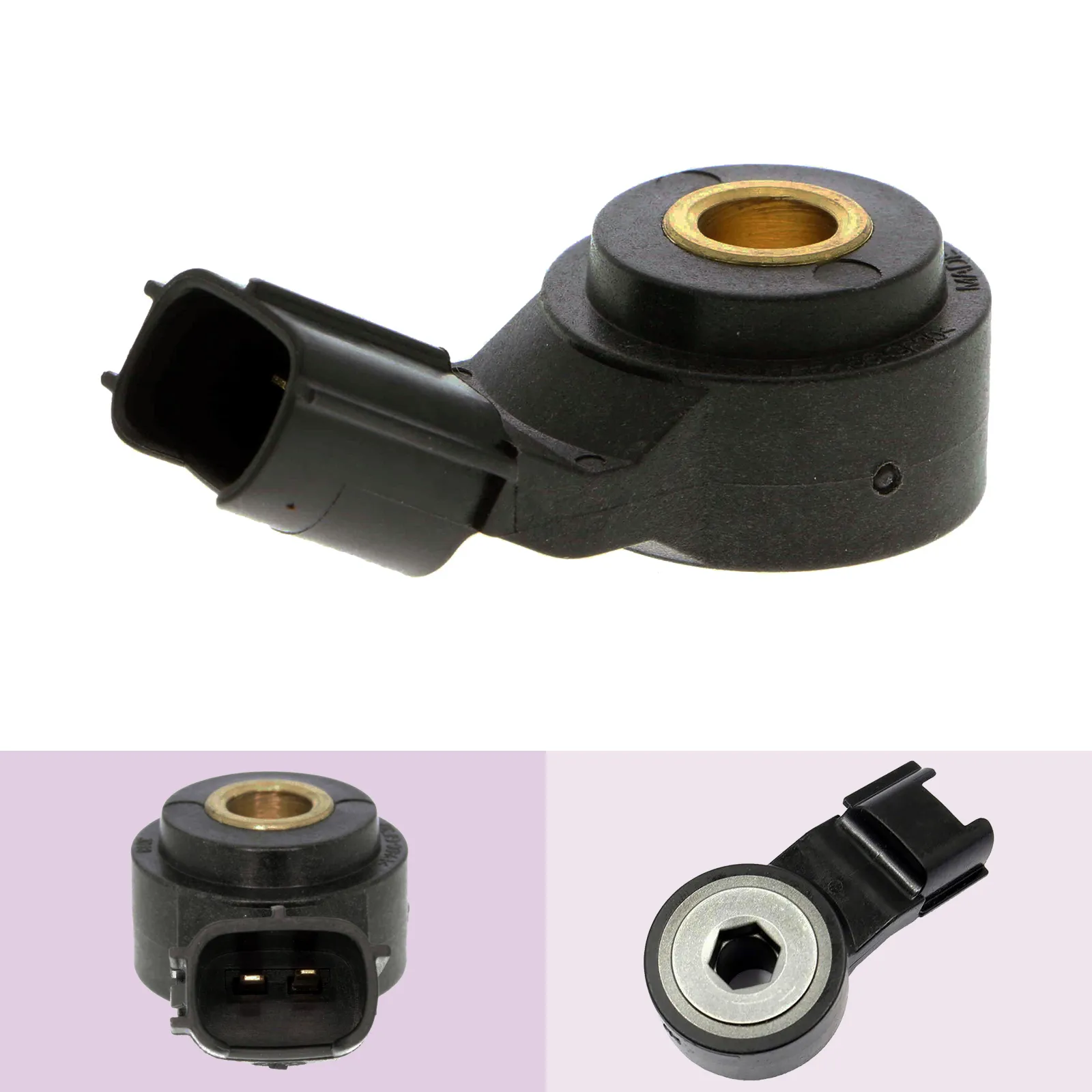
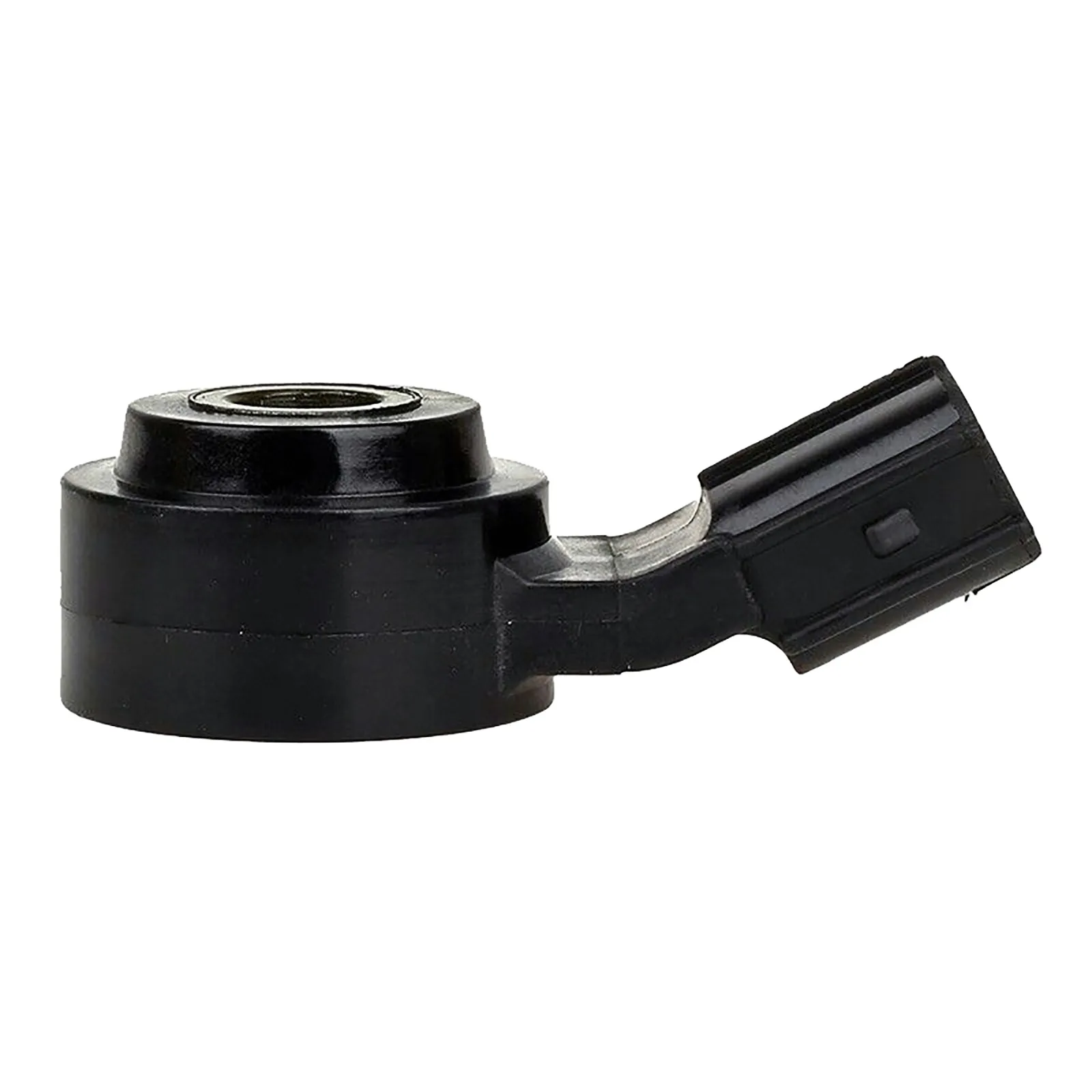
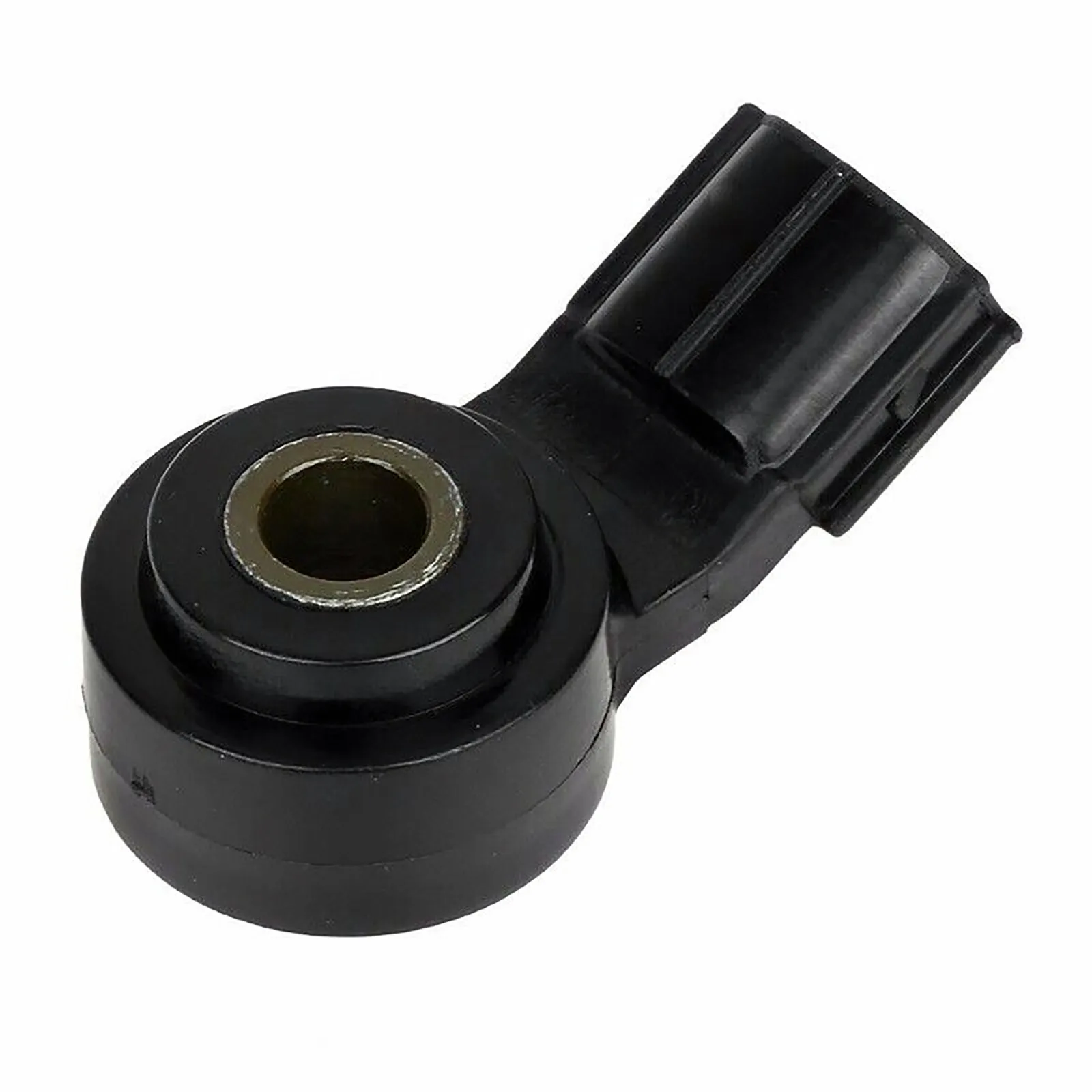
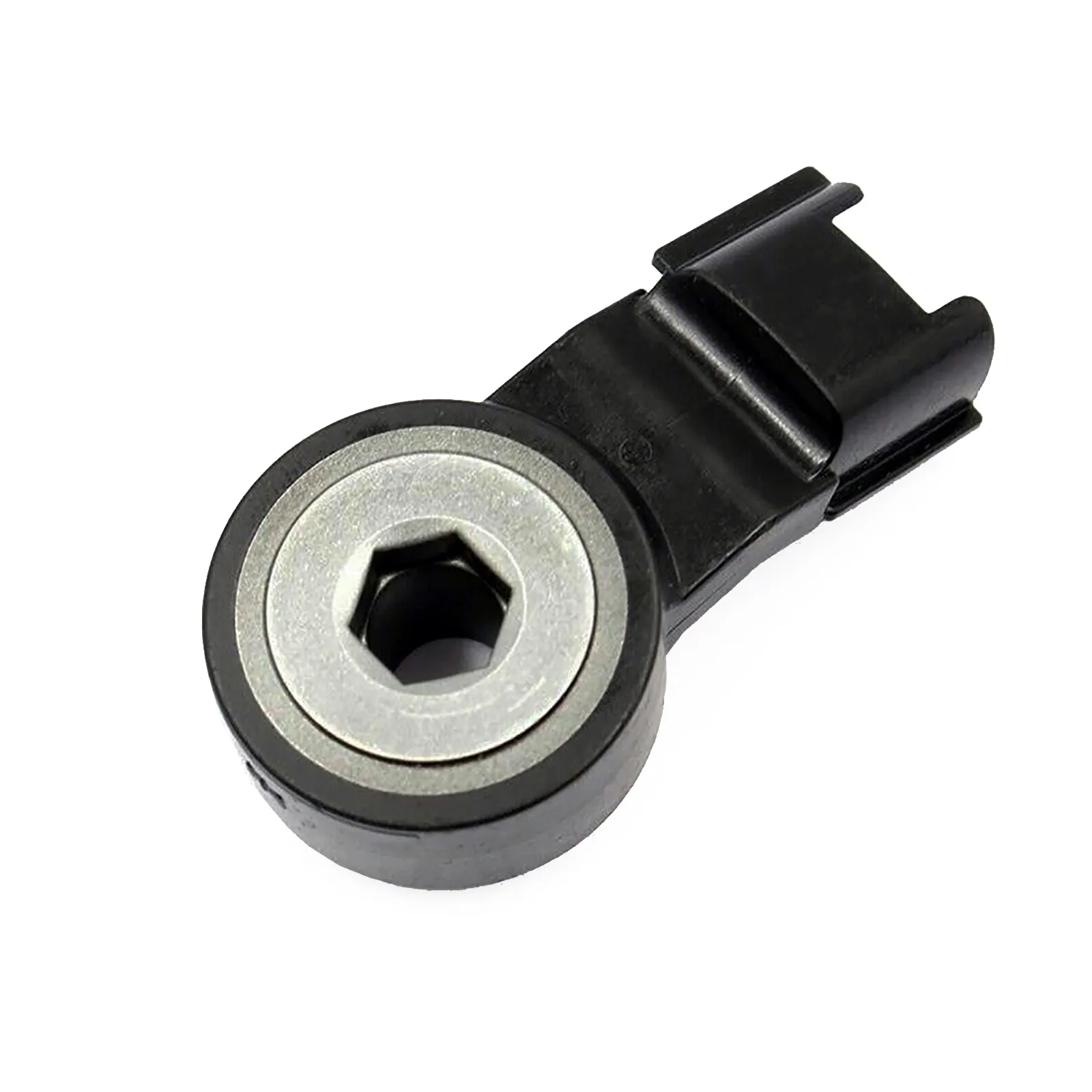
Knock Sensor for Toyota Camry ACV36 ACV40 ASV50 70 2.4L 2.5L 2ARFE 2AZFE 2009-ON
Knock Sensor for Toyota Camry 2009-ON 2ARFE 2AZFE
BRAND NEW OEM Quality ENGINE KNOCK SENSOR TO SUIT TOYOTA and LEXUS LOTS OF VEHICLE
TO SUIT:
OEM# 8961502020, 8961506010, 8961520090, 89615BZ030
Package Includes:
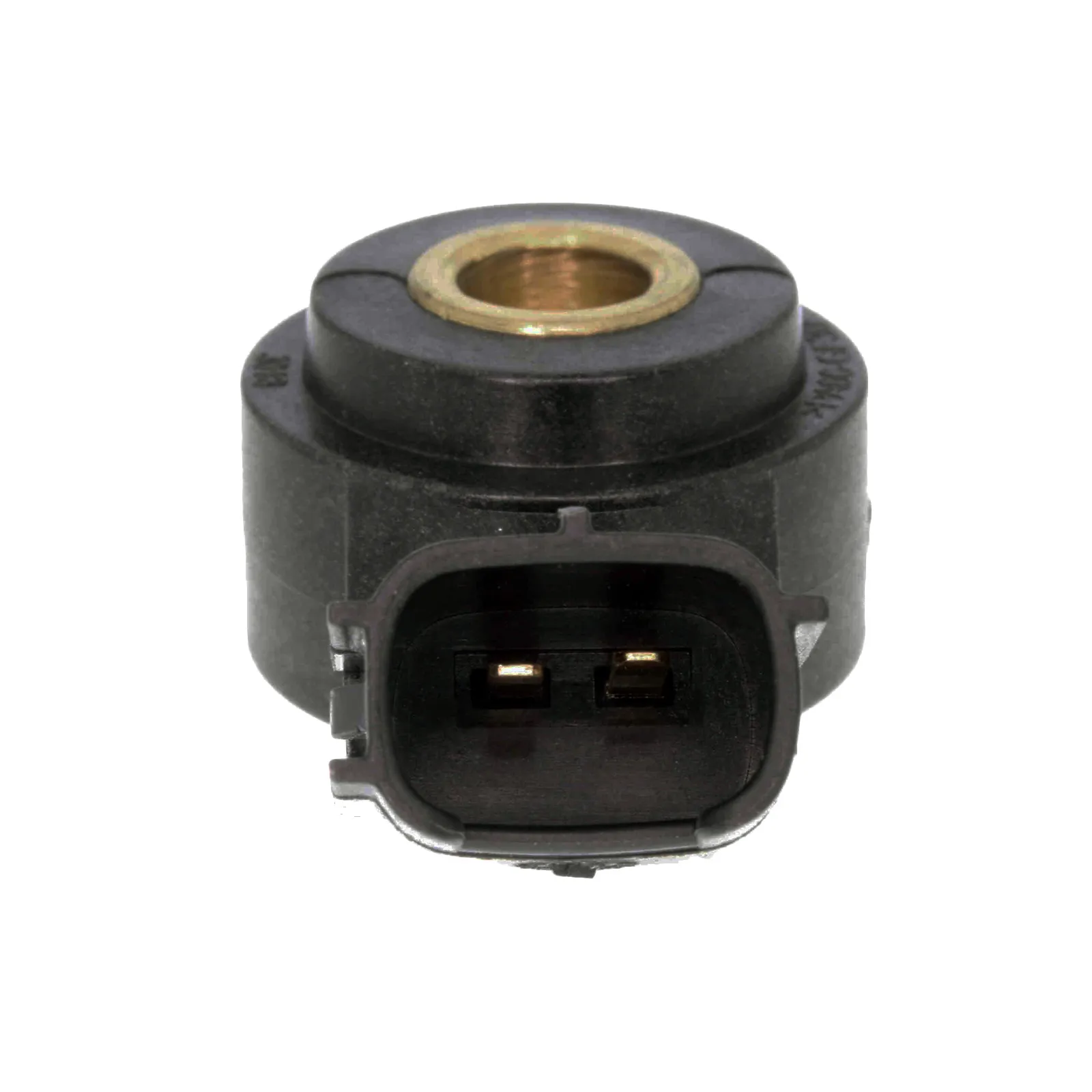
1 X OEM Quality ENGINE KNOCK SENSOR (2-PIN PLUG). SOME VEHICLE REQUIRES 2. THE LISTING IS FOR 1 PIECE.
The knock sensor is located on the engine block, cylinder head, or intake manifold. Its function is to monitor engine operation to optimize performance. In addition, knock sensors protect the engine against power loss and engine knock.
- [09/11 - 09/17] TOYOTA CAMRY ASV50 2.5L 4cyl 2AR-FE 133kW
- [01/12 - 09/17] TOYOTA CAMRY ASV50 2.5L 4cyl 2AR-FE 135kW
- [08/17 - 01/21] TOYOTA CAMRY ASV70 2.5L 4cyl 2AR-FE 133kW
- [08/17 - 01/21] TOYOTA CAMRY ASV70 2.5L 4cyl 2AR-FE 135kW
- [09/11 ON] TOYOTA CAMRY AVV50 Hybrid 2.5L 4cyl 2AR-FE,2AR-FXE,2JM 149kW
- [09/02 - 06/06] TOYOTA CAMRY ACV36 2.4L 4cyl 2AZ-FE 112kW
- [07/06 - 09/11] TOYOTA CAMRY ACV40 2.4L 4cyl 2AZ-FE 116kW
- [07/09 - 09/11] TOYOTA CAMRY AHV40 Hybrid 2.4L 4cyl 2AZ-FXE 140kW
- [08/17 ON] TOYOTA CAMRY AXVH70,AXVH71 Hybrid 2.5L 4cyl A25A-FXS 160kW
- [05/18 - 01/21] TOYOTA CAMRY GSV70 3.5L V6 2GR-FKS Euro 3 224kW
What does a knock sensor do?
The knock sensor detects high-frequency engine vibrations caused by pre-ignition, commonly called engine knock, ping, or detonation. Pre-ignition occurs when the air-fuel mixture ignites before the spark plug fires. The sensor sends this signal to the ECU, which responds by retarding ignition timing until the knocking stops. This protects the engine from the internal damage that sustained detonation causes.
What are the symptoms of a failing knock sensor?
Because the ECU retards ignition timing as a safety measure when the knock sensor signal is lost or incorrect, symptoms are often performance-related rather than dramatic. Common signs include reduced power and sluggish acceleration particularly under load, increased fuel consumption, engine hesitation from low RPM, audible pinging under hard acceleration, and a Check Engine light with codes P0325 to P0334.
Can I drive with a faulty knock sensor?
Short distances are possible but not recommended. The ECU retards timing across the board without knock sensor feedback, leaving the engine running significantly below its designed performance level. On vehicles that use lower octane fuel or in hot conditions, the engine is also vulnerable to undetected detonation which can cause serious internal damage including piston and ring damage. Replace the sensor promptly.
Where is the knock sensor located?
The knock sensor is typically bolted directly to the engine block, often on the side or beneath the intake manifold. On V6 and V8 engines there may be two sensors, one per cylinder bank. The location varies significantly between makes and models - some are easily accessible while others require partial intake manifold removal. Check a workshop manual for your specific engine before attempting replacement.
How do I test a knock sensor?
Use an OBD2 scanner to check for codes P0325 to P0334 and review live data for ignition timing retard values higher than normal. You can also test the sensor resistance with a multimeter - most knock sensors read between 100,000 and 200,000 ohms. A sensor reading open circuit or zero ohms has failed. Some scan tools can also activate a knock simulation test to verify the sensor is responding correctly.
Does the knock sensor need to be programmed after replacement?
No programming is required for the sensor itself - it is a passive device that plugs directly in. However it is important to clear stored fault codes with an OBD2 scanner after replacement so the ECU can return to normal timing operation. On some vehicles the ECU will take several drive cycles of varied load and speed to fully relearn optimal timing after the sensor has been replaced.
| Identification | |
|---|---|
| SKU | CKS121-Toyota |
| Brand | Aftermarket OEM Replacement |
| Part Numbers | |
| Part Number | CKS121 |
| Reference OEM Number | 89615-02020 |
| Other OEM Numbers | 8961502020, 8961506010, 8961520090, 89615BZ030 |
| Related Part Numbers | KNS-038, K1539GEN, AS10172 |
| Trade Part Numbers | VEMO: V70-72-0133, WALKER : 242-1058 |
| Product Specifics | |
| Product Type | SENSOR |
| Sensor Type | ENGINE KNOCK SENSOR |
| Number of pins | 2 -pin connector |
| Connector Shape | oval |
| Supplementary Article Info | without cable |
| Other Details | |
| Note | Always verify fitment using your vehicle's OEM part number. |
Be The First To Review This Product!
Help other SENSORGAL LTD. users shop smarter by writing reviews for products you have purchased.
More From This Category
Knock Sensor for Land Rover Range Rover L322 4.4L V8 M62 AJV8 12141709317
SKU: K1589-LANDROVER
$112.97 RRP $289.97
Knock Sensor for Hyundai i45 ix35 Santa-Fe Sonata (G4KC G4KD G4KE G4KJ Engines)
SKU: 392502G100-K1613GEN
$89.45 RRP $129.67
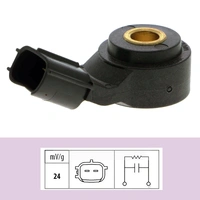
Knock Sensor for Toyota Hiace RZH103 RZH10 RZH125 RCH12 RCH22 2RZ-E 2.4L
SKU: CKS121-HiAce-1
$159.97 RRP $227.97
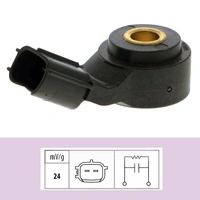
Knock Sensor for Toyota 2.0L 2.4L RAV4 Camry Tarago Alphard Avensis Verso
SKU: CKS121-Toyota-2
$159.97 RRP $227.97
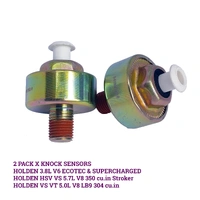
$149.45 RRP $251.99
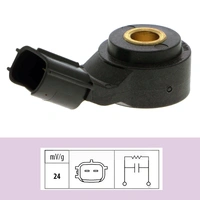
Knock Sensor for Toyota Corolla ZRE152 ZRE172 ZRE182 ZWE186 ZZE122 ZZE123 ZZE152
SKU: CKS121-Corolla
$159.97 RRP $227.97
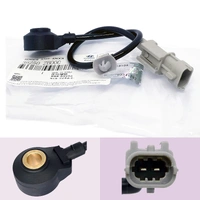
Engine Knock Sensor for Hyundai Accent Rb 1.6L G4FC G4FD 39250-2B000
SKU: 392502B000-Accent
$89.97 RRP $147.88
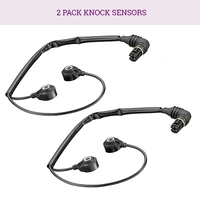
2x Knock Sensors for BMW M62 N62 V8 Complete Set 12141709317
SKU: K1589-2PACK
$220.00 RRP $479.94