
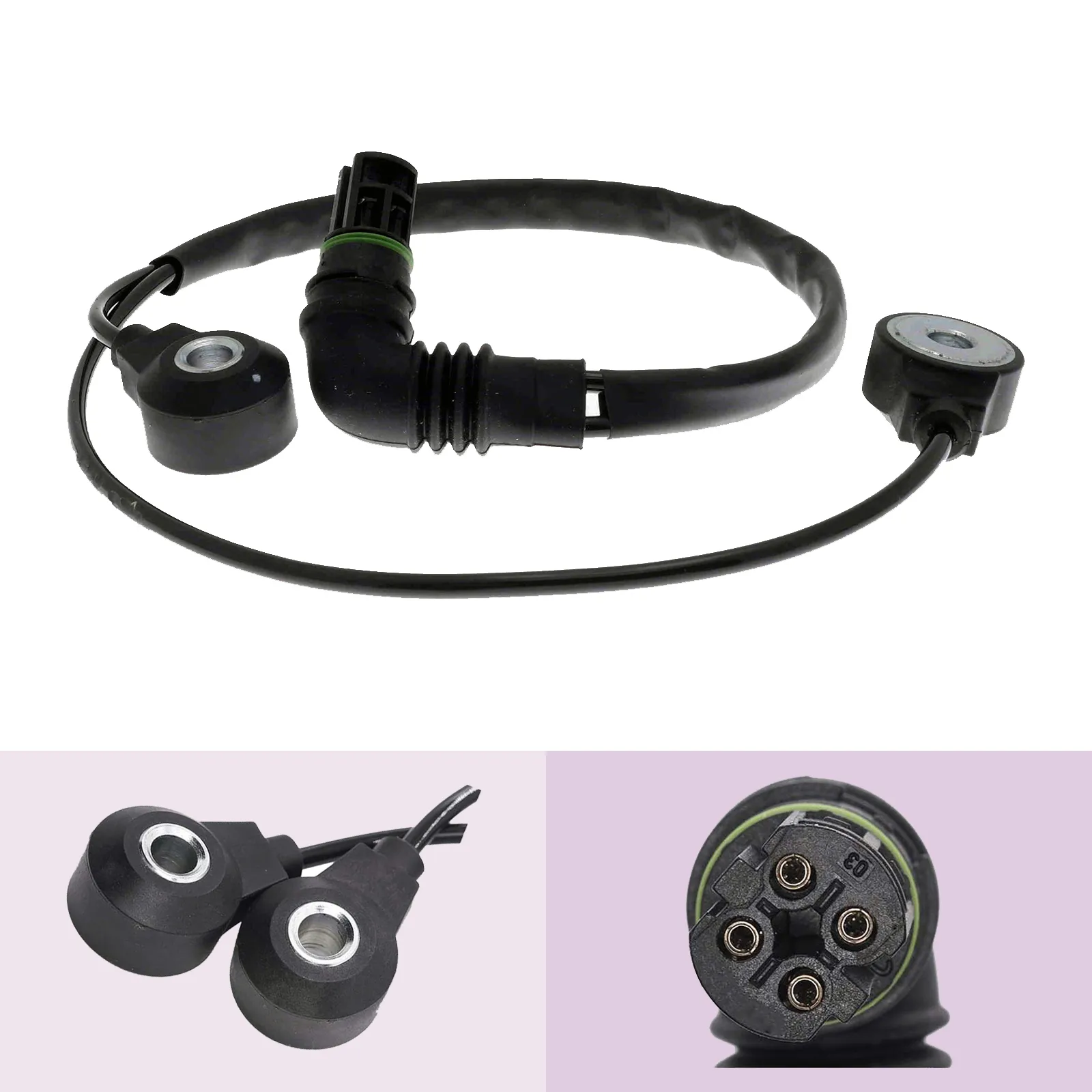
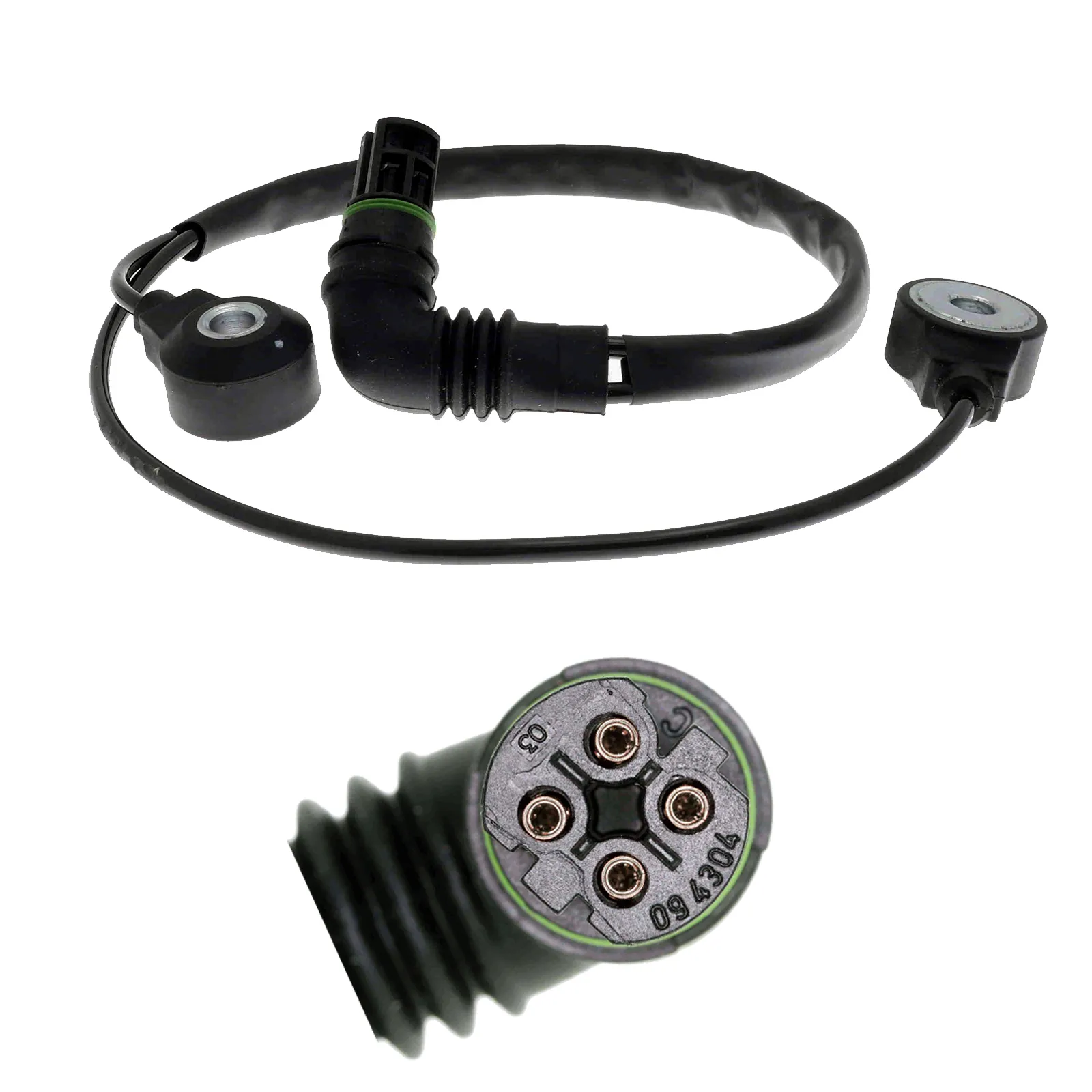
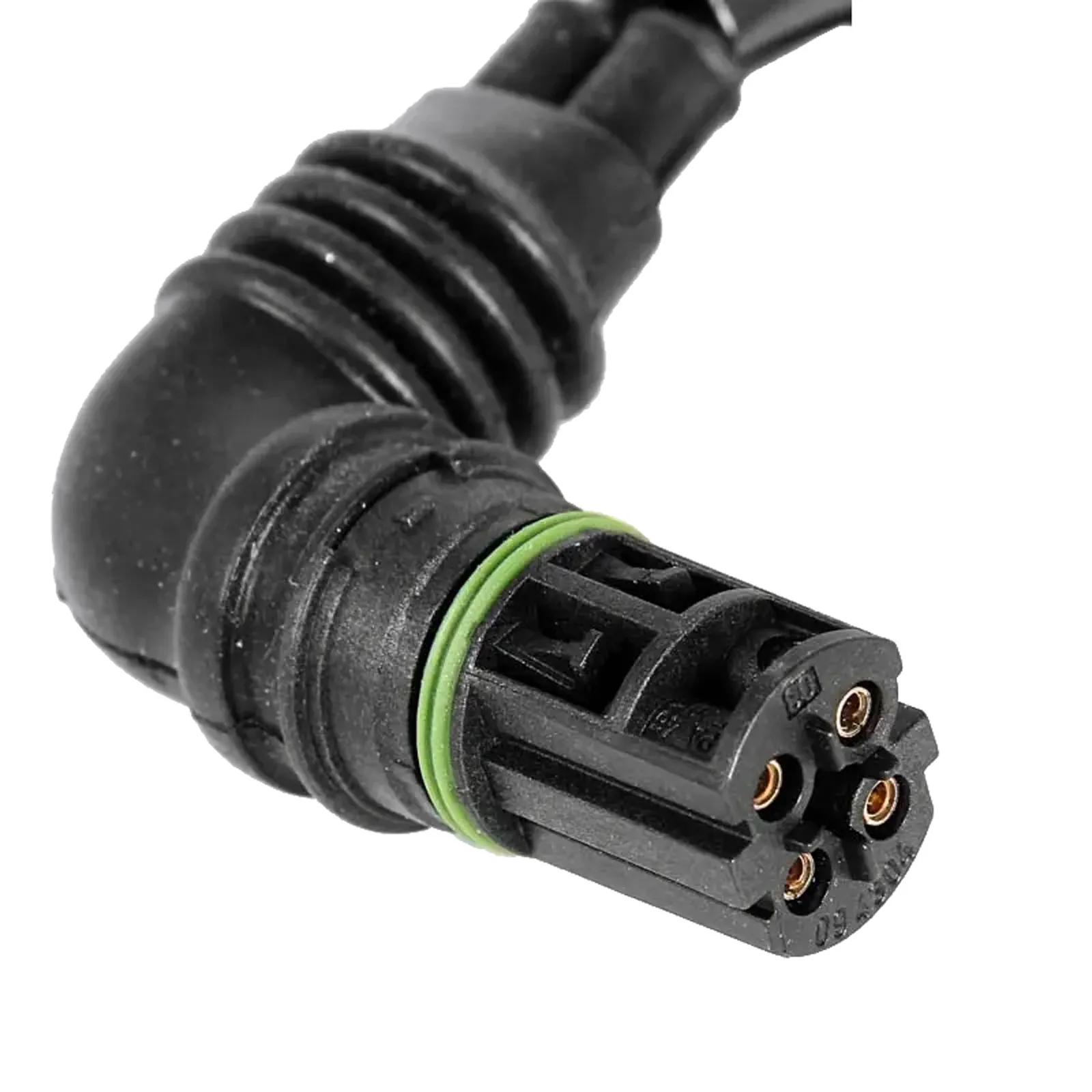


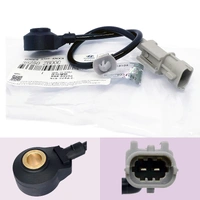
Knock Sensor for BMW M62 N62 V8 535i 540i 735i 740i 750i 12141709317
OEM Spec Fit Replaces 12141709317
BRAND NEW *OEM Quality* knock sensor to suit BMW M62 and N62 V8 petrol engines - 5 Series, 6 Series, 7 Series, 8 Series, X5, M5 E39, and Z8 E52.
BMW M62 and N62 V8 engines use two knock sensors (one per cylinder bank) mounted on the engine block. A failed knock sensor triggers P0325 (bank 1) or P0330 (bank 2) and causes the ECU to default to a retarded fixed ignition timing map - this shows as a noticeable loss of power above 4000rpm and poor fuel economy under load. This listing is for 1 sensor - vehicles require 2. Dispatched same-day from Cranbourne VIC before 12pm.
TO SUIT
BMW M62 and N62 V8 petrol engines across 5 Series E39 and E60, 6 Series E63 and E64, 7 Series E38 and E65/E66/E67, 8 Series E31 840Ci, X5 E53 and E70, M5 E39, and Z8 E52 (1996-2013). Engine codes covered: M62 B35, M62 B44, M62 B46, S62 B50, N62 B36 A, N62 B40 A, N62 B44 A, N62 B48 A, N62 B48 B. Full vehicle list below.
OEM PART NUMBERS
- 12141709317
- 13627568421
- 1709317
- 12141435502
- 7568421
OTHER PART NUMBERS
- BOSCH: 0261231200
- VEMO: V20-72-3004-1
- WALKER: 242-1199
- FAE: 60255
PACKAGE INCLUDES
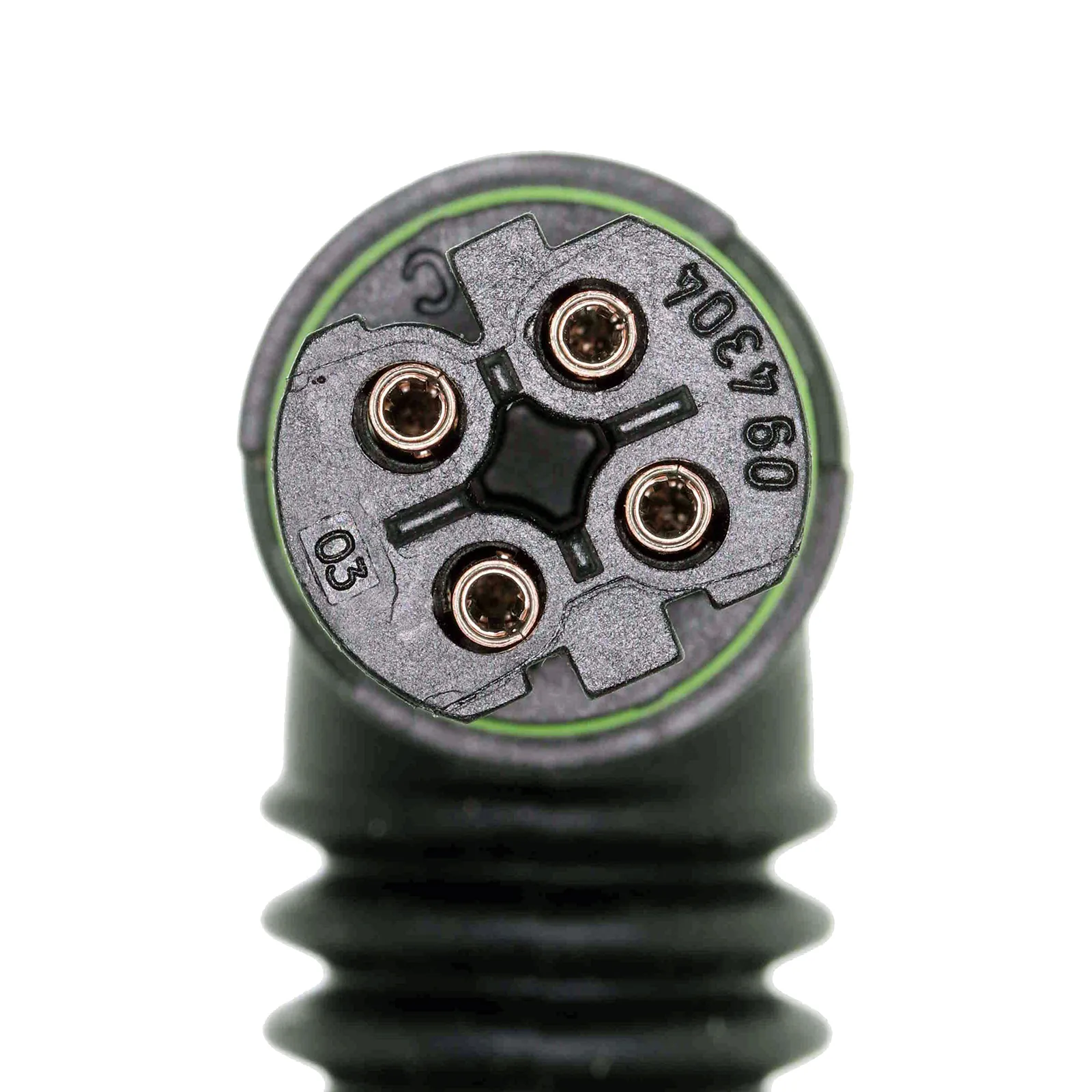
1 x Knock Sensor - 4-pin round connector, 670mm cable, black housing. 2 required per vehicle (bank 1 and bank 2). This listing is for 1 sensor.
ABOUT THIS SENSOR
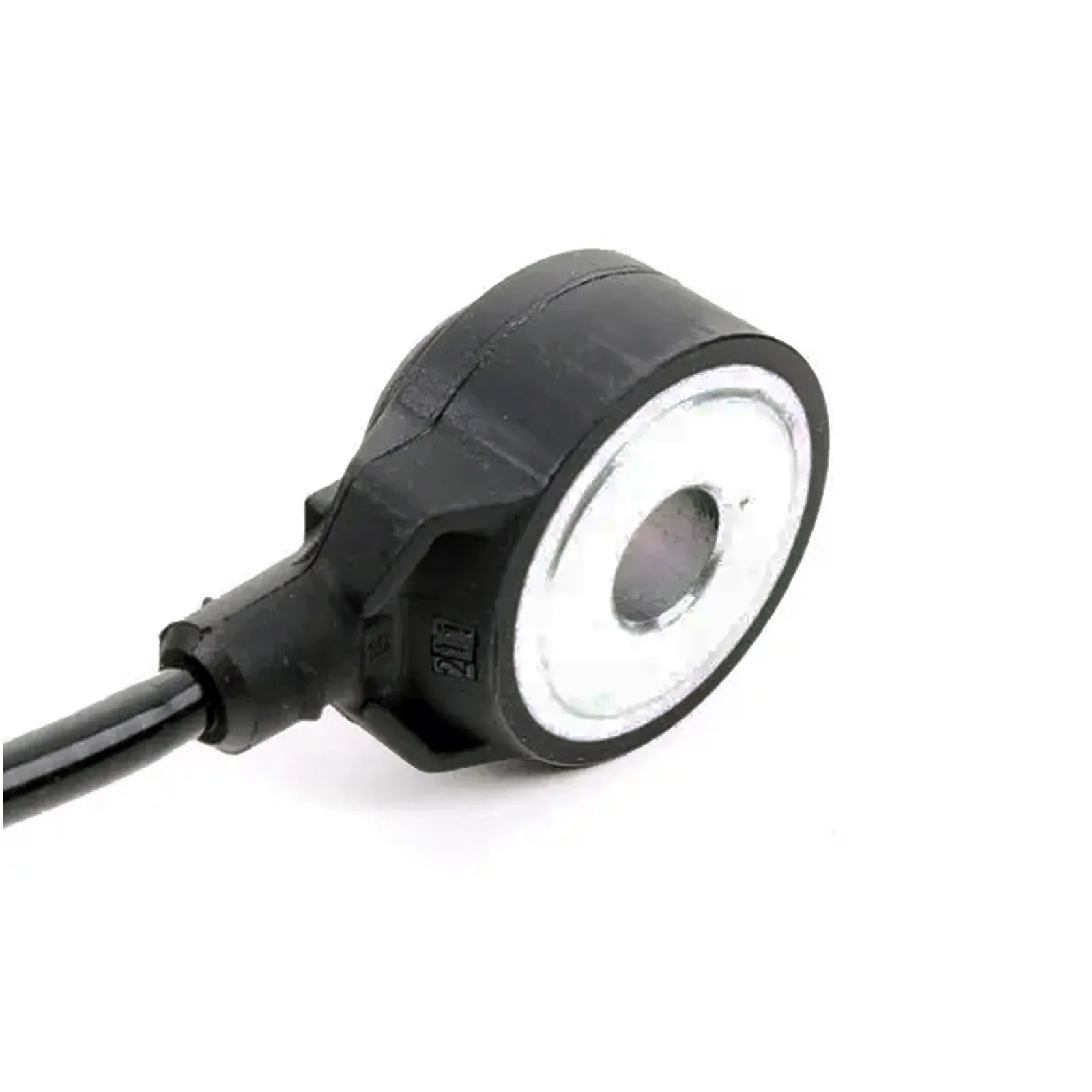
The knock sensor on BMW M62 and N62 V8 engines is bolted directly to the engine block and listens for detonation (knock) events via piezoelectric signal. On the N62 in particular, the sensor is known to fail due to heat cycling and vibration from the V8 configuration - the PCB inside the sensor cracks over time, causing signal dropout that the DME reads as a fault rather than a sensor-absent condition.
This replacement is matched to OEM specification for the full M62 and N62 V8 family with a direct 4-pin connector and 670mm cable length. Fitment verified against TecDoc for all engine codes from M62 B35 through to N62 B48 B. Low return rate across thousands of orders shipped Australia-wide.
COMMON SYMPTOMS OF FAILURE
- P0325 (knock sensor bank 1) or P0330 (knock sensor bank 2) fault codes
- Noticeable loss of power above 4000rpm - engine feels flat at high revs
- Reduced fuel economy under load
- Rough idle or hesitation under light throttle on the N62
- Engine management light with no other obvious driveability complaint
- Power improvement immediately after sensor replacement - common feedback on M62 and N62 engines
- [10/96 - 08/98] BMW 5 E39 535i 3.5L V8 M62 B35 (358S1) 173kW
- [09/98 - 06/03] BMW 5 E39 535i 3.5L V8 M62 B35 (358S2) 180kW
- [10/96 - 06/03] BMW 5 E39 540i 4.4L V8 M62 B44 210kW
- [10/98 - 06/03] BMW 5 E39 M5 4.9L V8 S62 B50 294kW
- [03/96 - 08/98] BMW 7 E38 735i/iL 3.5L V8 M62 B35 (358S1) 173kW
- [07/96 - 07/01] BMW 7 E38 740i/iL 4.4L V8 M62 B44 210kW
- [03/96 - 06/99] BMW 8 E31 840Ci 4.4L V8 M62 B44 210kW
- [01/00 - 07/03] BMW Z8 E52 4.9L V8 S62 B50 294kW
- [02/02 - 02/05] BMW 7 E65/E66 735i/Li 3.6L V8 N62 B36 A 200kW
- [07/01 - 03/05] BMW 7 E65/E66 745i/Li 4.4L V8 N62 B44 A 245kW
- [03/05 - 08/08] BMW 7 E65/E66 740i/Li 4.0L V8 N62 B40 A 225kW
- [03/05 - 08/08] BMW 7 E65/E66 750i/Li 4.8L V8 N62 B48 B 270kW
- [07/03 - 08/05] BMW 5 E60 545i 4.4L V8 N62 B44 A 245kW
- [09/05 - 12/09] BMW 5 E60 550i 4.8L V8 N62 B48 B 270kW
- [03/07 - 12/09] BMW 5 E60 540i 4.0L V8 N62 B40 A 225kW
- [09/03 - 08/05] BMW 6 E63 645Ci 4.4L V8 N62 B44 A 245kW
- [09/05 - 08/10] BMW 6 E63 650i 4.8L V8 N62 B48 B 270kW
- [04/04 - 08/05] BMW 6 E64 645Ci 4.4L V8 N62 B44 A 245kW
- [09/05 - 08/10] BMW 6 E64 650i 4.8L V8 N62 B48 B 270kW
- [01/01 - 09/03] BMW X5 E53 4.4i 4.4L V8 M62 B44 210kW
- [10/01 - 09/03] BMW X5 E53 4.6iS 4.6L V8 M62 B46 255kW
- [10/03 - 10/06] BMW X5 E53 4.4i 4.4L V8 N62 B44 A 235kW
- [04/04 - 10/06] BMW X5 E53 4.8iS 4.8L V8 N62 B48 A 265kW
- [10/06 - 09/08] BMW X5 E70 4.8i xDrive 4.8L V8 N62 B48 B 261kW
- [10/08 - 03/10] BMW X5 E70 xDrive 48i 4.8L V8 N62 B48 B 261kW
What does a knock sensor do?
The knock sensor detects high-frequency engine vibrations caused by pre-ignition, commonly called engine knock, ping, or detonation. Pre-ignition occurs when the air-fuel mixture ignites before the spark plug fires. The sensor sends this signal to the ECU, which responds by retarding ignition timing until the knocking stops. This protects the engine from the internal damage that sustained detonation causes.
What are the symptoms of a failing knock sensor?
Because the ECU retards ignition timing as a safety measure when the knock sensor signal is lost or incorrect, symptoms are often performance-related rather than dramatic. Common signs include reduced power and sluggish acceleration particularly under load, increased fuel consumption, engine hesitation from low RPM, audible pinging under hard acceleration, and a Check Engine light with codes P0325 to P0334.
Can I drive with a faulty knock sensor?
Short distances are possible but not recommended. The ECU retards timing across the board without knock sensor feedback, leaving the engine running significantly below its designed performance level. On vehicles that use lower octane fuel or in hot conditions, the engine is also vulnerable to undetected detonation which can cause serious internal damage including piston and ring damage. Replace the sensor promptly.
Where is the knock sensor located?
The knock sensor is typically bolted directly to the engine block, often on the side or beneath the intake manifold. On V6 and V8 engines there may be two sensors, one per cylinder bank. The location varies significantly between makes and models - some are easily accessible while others require partial intake manifold removal. Check a workshop manual for your specific engine before attempting replacement.
How do I test a knock sensor?
Use an OBD2 scanner to check for codes P0325 to P0334 and review live data for ignition timing retard values higher than normal. You can also test the sensor resistance with a multimeter - most knock sensors read between 100,000 and 200,000 ohms. A sensor reading open circuit or zero ohms has failed. Some scan tools can also activate a knock simulation test to verify the sensor is responding correctly.
Does the knock sensor need to be programmed after replacement?
No programming is required for the sensor itself - it is a passive device that plugs directly in. However it is important to clear stored fault codes with an OBD2 scanner after replacement so the ECU can return to normal timing operation. On some vehicles the ECU will take several drive cycles of varied load and speed to fully relearn optimal timing after the sensor has been replaced.
| Identification | |
|---|---|
| SKU | K1589 |
| Brand | Aftermarket OEM Replacement |
| Part Numbers | |
| Part Number | 12141709317 |
| Reference OEM Number | 13627568421 |
| Other OEM Numbers | 12141709317, 13627568421, 1709317, 12141435502, 7568421 |
| Related Part Numbers | K1589, 0261231200, KN1293 |
| Trade Part Numbers | BOSCH: 0261231200, VEMO: V20-72-3004-1, WALKER: 242-1199 |
| Product Specifics | |
| Product Type | SENSOR |
| Sensor Type | Knock Sensor |
| Manufacturer Warranty | 1 Year |
| Fitting Position | Bolted to Engine Block |
| Number of pins | 4-Pin |
| Connector Shape | Round |
| Housing Colour | Black |
| Mounting Type | Bolted |
| Compatible Makes | BMW |
| Fitment Type | Direct Replacement |
| Other Details | |
| Note | Always verify fitment using your vehicle's OEM part number. |
Be The First To Review This Product!
Help other SENSORGAL LTD. users shop smarter by writing reviews for products you have purchased.
More From This Category
$79.45 RRP $178.99
Knock Sensor for Toyota Hiace Regius TRH200 TRH221 1TR-FE 2TR-FE 2RZ-E
SKU: CKS121-HiAce-2
$159.97 RRP $227.97
$159.97 RRP $227.97
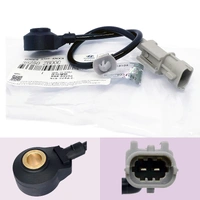
Engine Knock Sensor for Kia Rio UB 2011-17 G4FA G4FC G4FD 39250-2B000
SKU: 392502B000-Rio
$89.97 RRP $147.88
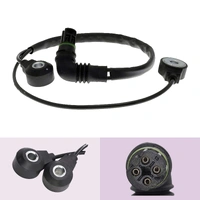
Knock Sensor for Land Rover Range Rover L322 4.4L V8 M62 AJV8 12141709317
SKU: K1589-LANDROVER
$163.97 RRP $289.97
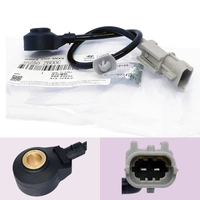
Knock Sensor for Hyundai Accent i20 i30 Veloster Venue G4FA G4FC G4FD Engines
SKU: 392502B000-Seltos
$89.97 RRP $147.88
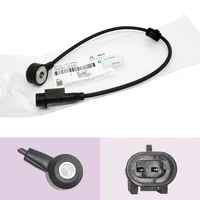
Knock Sensor for Kia Cerato Optima Sorento Sportage (G4KC G4KD G4KE G4KJ
SKU: 392502G100-K1613GEN_1
$89.45 RRP $129.67
Knock Sensor 392502B000 Kia Soul AM 1.6L G4FC 2.0L G4GC 2009-2014
SKU: 392502B000-Soul
$89.97 RRP $147.88