
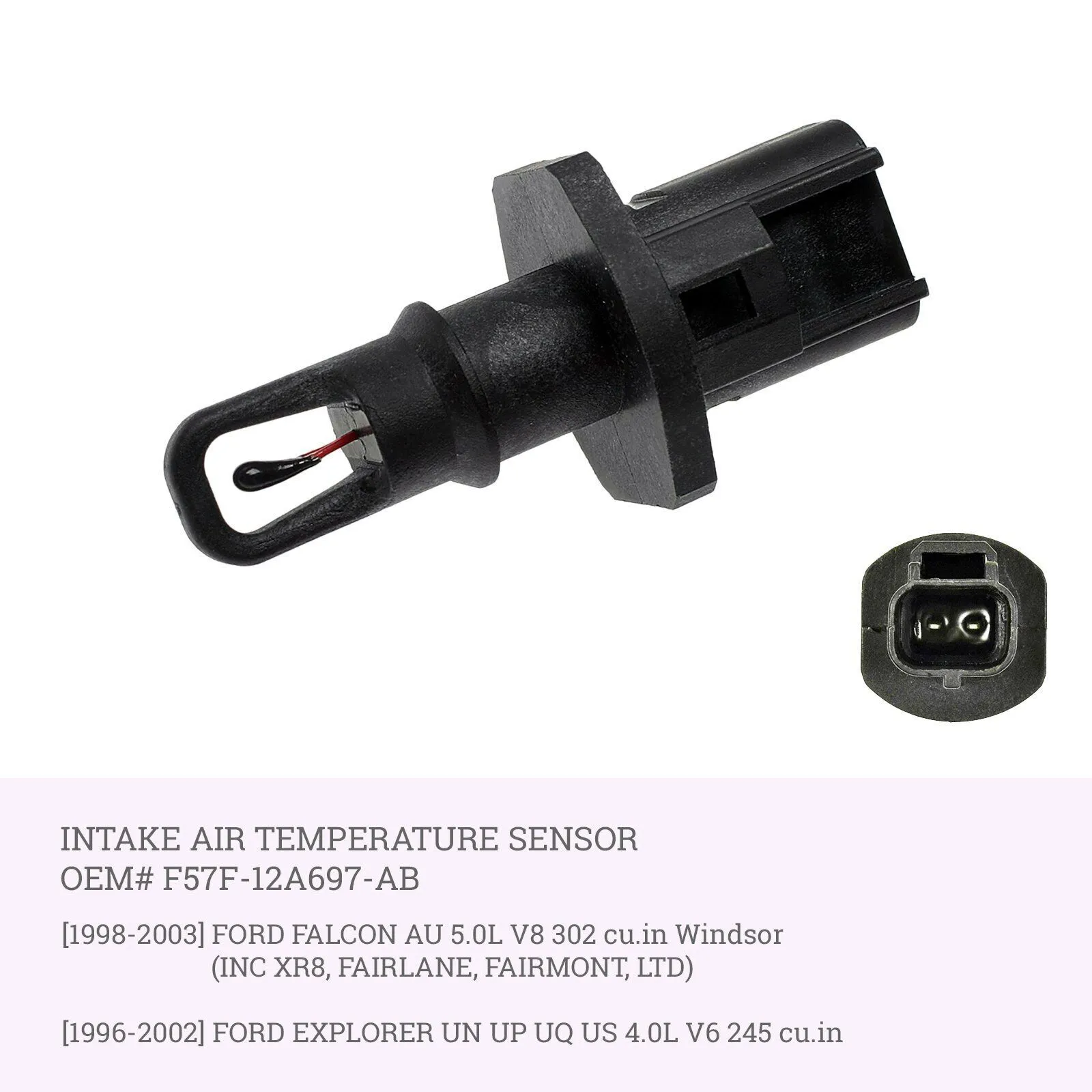
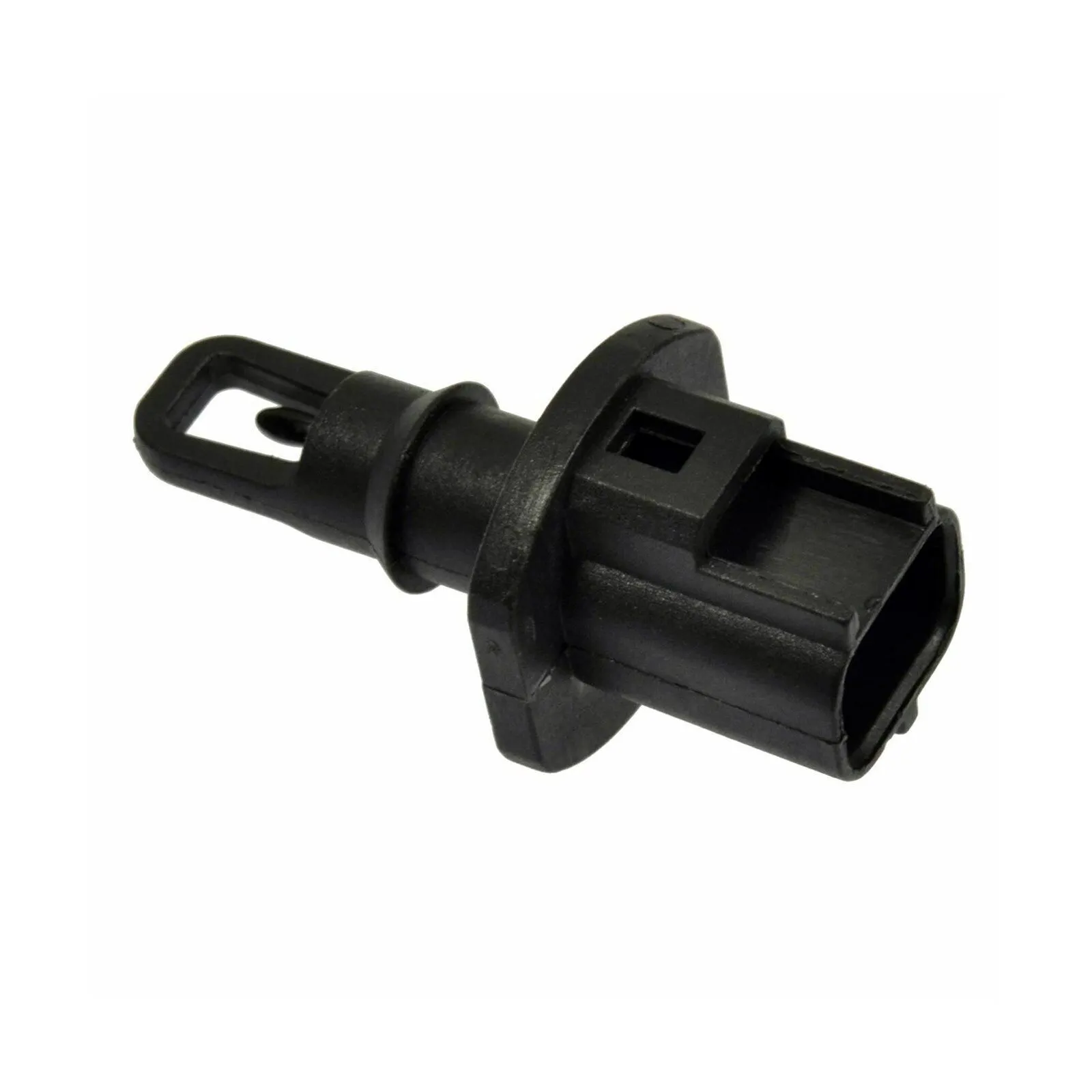
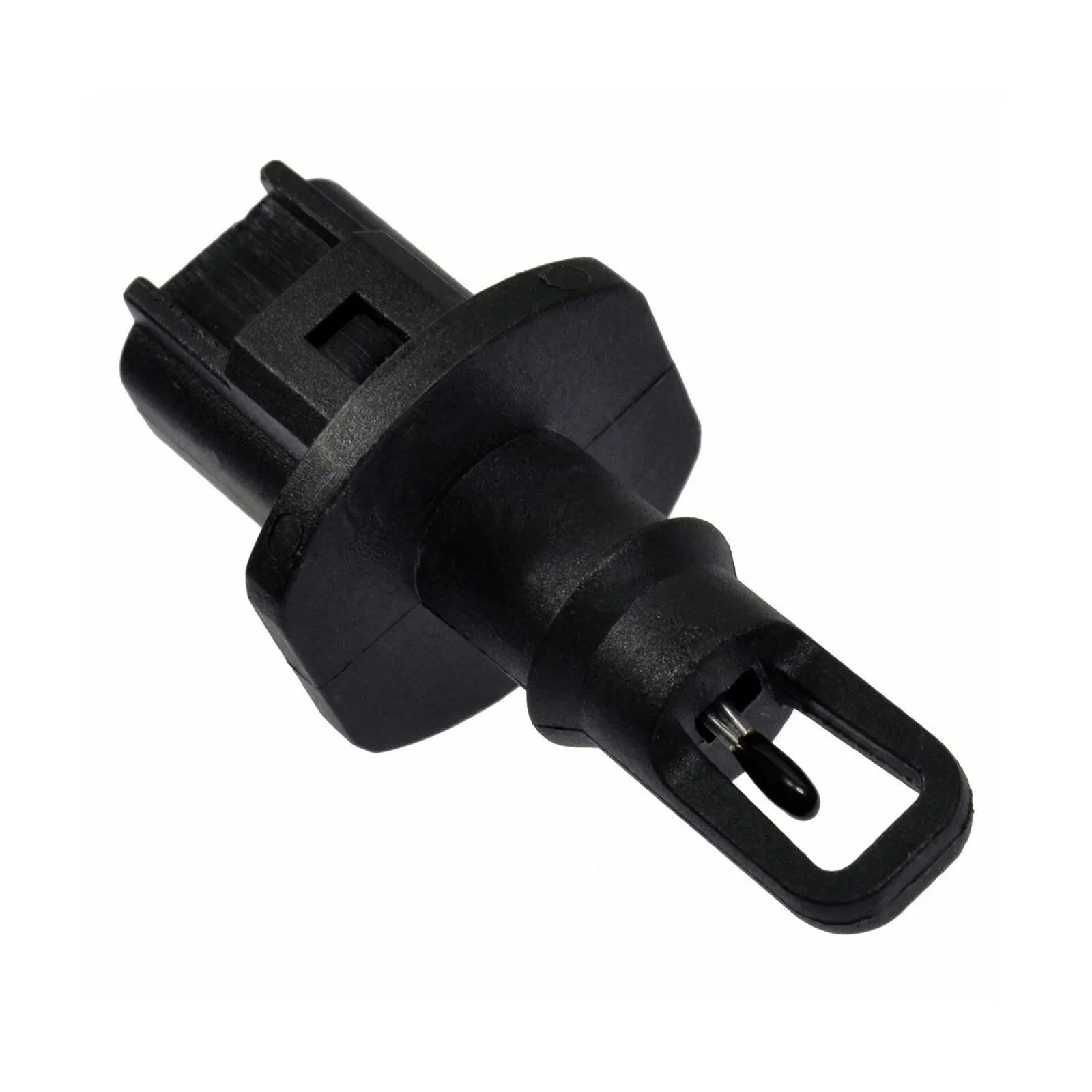



Intake Air Temperature Sensor for Ford Explorer UN UP UQ US 4.0L V6 245 96-02
Direct Fit Replaces 3870269
BRAND NEW *OEM Quality* intake air temperature sensor to suit Ford Explorer UN UP UQ US 4.0L V6.
The 4.0L Cologne V6 Explorer commonly triggers P0112 or P0113 fault codes when the IAT sensor fails - symptoms include hard cold starts, rich running at idle, and hesitation on first warm-up. This direct-fit replacement restores accurate air charge readings to the PCM. Independently verified against TecDoc fitment data. Same-day dispatch from Cranbourne VIC.
TO SUIT
Ford Explorer UN UP UQ US 4.0L V6 245cu.in Cologne (1996-2001). Covers both the OHV 119kW and SOHC 152kW variants across all four body series. Confirm fitment by matching OEM number 3870269 or F57Z-12A697-A on your original sensor before ordering. Sensor is located in the air inlet tube upstream of the throttle body.
OEM PART NUMBERS
- 3870269
- 7129536
- F57Z-12A697-A
- F57Z-12A697-AA
OTHER PART NUMBERS
- WALKER PRODUCTS: 210-1016
- WALKER PRODUCTS: 210-1106
- MTE-THOMSON: 5044
- FORD EXPLORER UN 4.0L 245 cu.in Cologne OHV 12v MPFI V6 119kW 5sp Man 4dr Wagon 4WD [01/96 - 12/97]
- FORD EXPLORER UN 4.0L 245 cu.in Cologne SOHC-PB 12v MPFI V6 153kW 5sp Auto 4dr Wagon 4WD [01/96 - 12/97]
- FORD EXPLORER UP 4.0L 245 cu.in Cologne OHV 12v MPFI V6 119kW 5sp Man 4dr Wagon 4WD [01/97 - 12/98]
- FORD EXPLORER UP 4.0L 245 cu.in Cologne SOHC-PB 12v MPFI V6 153kW 5sp Auto 4dr Wagon 4WD [01/97 - 12/98]
- FORD EXPLORER UQ 4.0L 245 cu.in Cologne OHV 12v MPFI V6 119kW 5sp Man 4dr Wagon 4WD [01/99 - 12/99]
- FORD EXPLORER UQ 4.0L 245 cu.in Cologne SOHC-PB 12v MPFI V6 153kW 5sp Auto 4dr Wagon 4WD [01/99 - 12/99]
- FORD EXPLORER US 4.0L 245 cu.in Cologne OHV 12v MPFI V6 119kW 5sp Man 4dr Wagon 4WD [01/00 - 12/01]
- FORD EXPLORER US 4.0L 245 cu.in Cologne SOHC-PB 12v MPFI V6 153kW 5sp Auto 4dr Wagon 4WD [01/00 - 12/01]
- FORD EXPLORER UN,UP 4.0L 99X OHV 12v Petrol V6 119kW SUV AWD [10/96 - 10/01]
- FORD EXPLORER UN,UP,UQ,US 4.0L T40VSEX SOHC 12v Petrol V6 152kW SUV AWD [09/96 - 10/01]
What does an intake air temperature (IAT) sensor do?
The intake air temperature (IAT) sensor measures the temperature of air entering the engine and sends this data to the ECU. Cold dense air contains more oxygen than warm thin air and requires more fuel for the same combustion result. The ECU uses IAT data alongside manifold pressure or airflow data to calculate the correct fuel injection quantity and ignition timing for the current air temperature conditions. On many vehicles the IAT sensor is integrated into the mass airflow (MAF) sensor housing.
What are the symptoms of a failing air temperature sensor?
Common symptoms include poor fuel economy as the ECU miscalculates fuel delivery based on incorrect temperature data, rough idle or hesitation under acceleration, black smoke from the exhaust due to over-fuelling, hard starting particularly from cold, and a Check Engine light with IAT circuit fault codes P0110 to P0114. Some vehicles may also experience difficulty starting because the ECU cannot correctly calculate the cold start enrichment required.
How do I test an air temperature sensor?
The IAT sensor is a thermistor that changes resistance with temperature. With a cold engine (ambient temperature) the resistance is high - typically 2,000 to 3,000 ohms at 20 degrees C. As temperature rises resistance falls. You can test resistance with a multimeter at the sensor connector and compare against the temperature/resistance chart in your vehicle service manual. An OBD2 scanner showing an IAT reading that does not match ambient temperature when the engine is cold is also a strong indicator of failure.
Is the IAT sensor the same as the MAF sensor?
No - they are different sensors, although on many modern vehicles the IAT sensor is built into the MAF sensor housing as a combined unit. The MAF sensor measures the mass of air entering the engine using a hot wire element. The IAT sensor measures the temperature of that air using a thermistor. If you have a combined MAF/IAT unit that fails, you typically need to replace the complete assembly. Use the Vehicle Part Finder to confirm which type is fitted to your vehicle.
Can a faulty IAT sensor cause my vehicle to fail an emissions test?
Yes. An incorrect IAT reading causes the ECU to miscalculate fuel delivery, typically resulting in a rich running condition with higher CO and hydrocarbon emissions. An active fault code from the IAT sensor will also cause most roadworthy and emissions inspection systems to flag the vehicle as failing the on-board diagnostics check before exhaust emissions are even measured. Resolve any IAT sensor faults before presenting for an emissions test.
Does the IAT sensor need to be reset or calibrated after replacement?
No - the IAT sensor is a passive thermistor requiring no calibration or programming. It is a direct plug-in replacement. Clear any stored fault codes with an OBD2 scanner after fitting the new sensor. The ECU will immediately begin reading the new sensor data and adjust fuelling accordingly. If the vehicle has been running rich due to the faulty sensor, fuel trim values will self-correct over several drive cycles.
| Identification | |
|---|---|
| SKU | CAT018-1 |
| Brand | Aftermarket OEM Replacement |
| Part Numbers | |
| Part Number | CAT018 |
| Reference OEM Number | F57F12A697AA |
| Other OEM Numbers | 3870269, 7129536, F57Z-12A697-A, F57Z-12A697-AA |
| Related Part Numbers | AT318, CAT018 |
| Trade Part Numbers | WALKER PRODUCTS: 210-1016, WALKER PRODUCTS: 210-1106 |
| Product Specifics | |
| Product Type | SENSOR |
| Sensor Type | Intake Air Temperature (IAT) Sensor |
| Manufacturer Warranty | 1 Year |
| Fitting Position | In Air Inlet Tube |
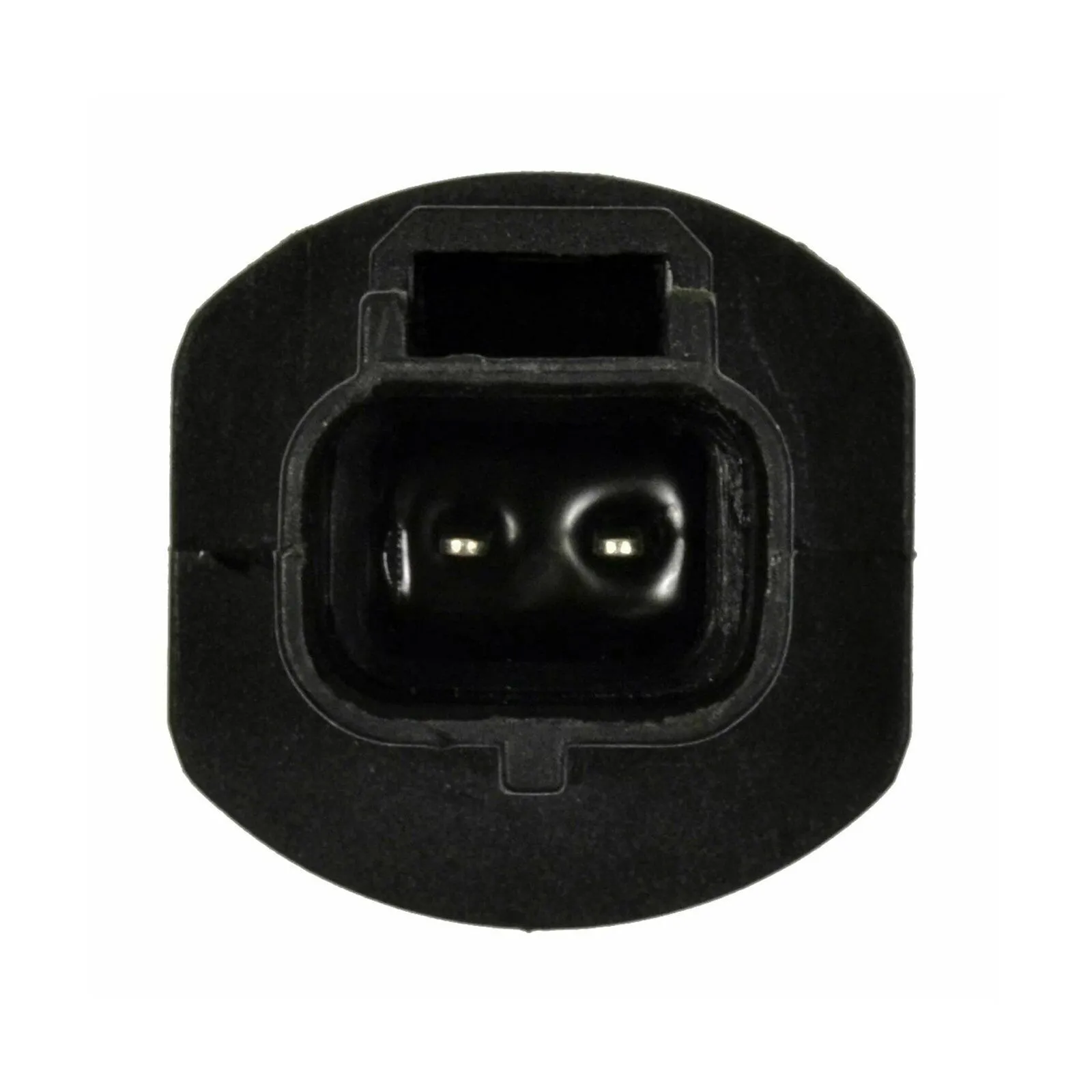
| Number of pins | 2-Pin |
| Connector Shape | oval |
| Housing Colour | Black |
| Mounting Type | Pressed |
| Compatible Makes | Ford |
| Fitment Type | Direct Replacement |
| Other Details | |
| Note | Always verify fitment using your vehicle's OEM part number. |
| Unit Of Measure | ea |
Be The First To Review This Product!
Help other SENSORGAL LTD. users shop smarter by writing reviews for products you have purchased.
More From This Category
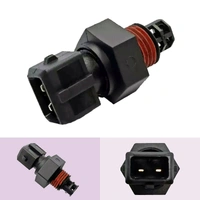
$35.45 RRP $75.07
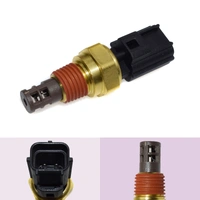
Intake Air Temperature Sensor for Chrysler Sebring Jr 2.4L Edz 01-06
SKU: CAT031-Chrysler
$79.97 RRP $147.97
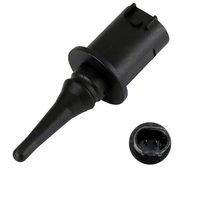
$69.97 RRP $97.99
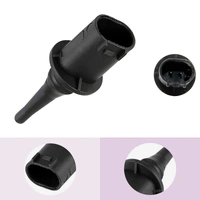
Ambient Air Temperature Sensor for Mercedes R-Class R280 R300 R320 R350 R500
SKU: ATS033-RClass
$69.97 RRP $97.99
$64.97 RRP $124.99
$69.97 RRP $97.99
Intake Air Temp Sensor Mercedes-AMG C63 W203 W204 C204
SKU: CAT033-4
$59.99 RRP $98.79
$57.45 RRP $110.97