


Fuel Tank Breather Valve for BMW 3 Series E90 E91 E92 E93 323i 325i 330i N52
OEM Spec Fit Replaces 13907618643
BRAND NEW *OEM Quality* fuel tank breather valve to suit BMW 3 Series E90, E91, E92 and E93 with the N52 straight six.
If your 3 Series cranks for ages or idles roughly right after a fill-up, a breather valve stuck open is the usual cause. This plug-and-play replacement fixes the venting and ships same day from Melbourne.
TO SUIT
Made for the E90 Sedan, E91 Touring, E92 Coupe and E93 Convertible 323i, 325i and 330i from 2005 to 2013, covering both the 2.5L N52 B25 and 3.0L N52 B30 engines. It also fits other N52 BMW models - see the compatibility list for every confirmed model and year.
OEM PART NUMBERS
- 13907618643
- 13904588396
- 13907530264
- 13907572234
OTHER PART NUMBERS
- V20-77-1008
- ETV-BM-001
- 4588396
- 7530264
- 7572234
- 7618643
PACKAGE INCLUDES
1 x fuel tank breather valve with 2-pin electrical connector, hose and holders.
ABOUT THIS VALVE
On the E9x the valve sits on the intake side of the N52 and is fed by a hose from the charcoal canister. The DME opens it in pulses to burn off tank vapour while driving.
A sticking E9x valve is a common cause of the classic after-refuel stumble and long crank on 325i and 330i models, and it will often show up as an evaporative fault before any drivability complaint.
COMMON SYMPTOMS OF FAILURE
- Long crank or hard start straight after refuelling
- Rough or hunting idle and stalling at low speed
- Check engine light with P0441 or P0496 (purge flow fault)
- P0455 or P0456 evaporative system leak codes
- Lean running codes P0171 or P0174
- Fuel smell around the engine bay or a ticking valve at idle
- [2008 - 2013] BMW 1 SERIES E82 125i COUPE (3.0L I6 N52B30 160kW)
- [2005 - 2007] BMW 1 SERIES E87 130i HATCHBACK (3.0L I6 N52B30 195kW)
- [2007 - 2013] BMW 1 SERIES E88 125i CONVERTIBLE (3.0L I6 N52B30 160kW)
- [2005 - 2007] BMW 3 SERIES E90 323i SEDAN (2.5L I6 N52B25 130kW)
- [2007 - 2011] BMW 3 SERIES E90 323i SEDAN (2.5L I6 N52B25 140kW)
- [2004 - 2011] BMW 3 SERIES E90 325i SEDAN (2.5L I6 N52B25 160kW)
- [2004 - 2011] BMW 3 SERIES E90 330i SEDAN (3.0L I6 N52B30 190kW)
- [2006 - 2007] BMW 3 SERIES E91 323i TOURING (2.5L I6 N52B25 130kW)
- [2006 - 2012] BMW 3 SERIES E91 323i TOURING (2.5L I6 N52B25 140kW)
- [2004 - 2012] BMW 3 SERIES E91 325i TOURING (2.5L I6 N52B25 160kW)
- [2005 - 2012] BMW 3 SERIES E91 330i TOURING (3.0L I6 N52B30 190kW)
- [2006 - 2012] BMW 3 SERIES E92 323i COUPE (2.5L I6 N52B25 140kW)
- [2010 - 2013] BMW 3 SERIES E92 325i COUPE (2.5L I6 N52B25 150kW)
- [2006 - 2010] BMW 3 SERIES E92 325i COUPE (2.5L I6 N52B25 160kW)
- [2010 - 2012] BMW 3 SERIES E92 330i COUPE (3.0L I6 N52B30 190kW)
- [2006 - 2010] BMW 3 SERIES E92 330i COUPE (3.0L I6 N52B30 200kW)
- [2006 - 2010] BMW 3 SERIES E93 325i CONVERTIBLE (2.5L I6 N52B25 160kW)
- [2007 - 2009] BMW 5 SERIES E60 523i SEDAN (2.5L I6 N52B25 140kW)
- [2005 - 2009] BMW 5 SERIES E60 525i SEDAN (2.5L I6 N52B25 160kW)
- [2005 - 2007] BMW 5 SERIES E60 530i SEDAN (3.0L I6 N52B30 190kW)
- [2006 - 2009] BMW 5 SERIES E60 530i SEDAN (3.0L I6 N52B30 200kW)
- [2004 - 2007] BMW 5 SERIES E61 530i TOURING (3.0L I6 N52B30 190kW)
- [2006 - 2010] BMW 5 SERIES E61 530i TOURING (3.0L I6 N52B30 200kW)
- [2010 - 2011] BMW X1 E84 xDrive25i SUV (3.0L I6 N52B30 160kW)
- [2006 - 2011] BMW X3 E83 2.5si SAV (2.5L I6 N52B25 160kW)
- [2006 - 2011] BMW X3 E83 3.0si SAV (3.0L I6 N52B30 200kW)
- [2006 - 2008] BMW X5 E70 3.0si SAV (3.0L I6 N52B30 200kW)
- [2008 - 2010] BMW X5 E70 xDrive30i SAV (3.0L I6 N52B30 200kW)
- [2006 - 2008] BMW Z4 E85 2.5si ROADSTER (2.5L I6 N52B25 160kW)
- [2006 - 2008] BMW Z4 E85 3.0si ROADSTER (3.0L I6 N52B30 195kW)
- [2006 - 2008] BMW Z4 E86 3.0si COUPE (3.0L I6 N52B30 195kW)
What is the difference between a fuel rail pressure sensor and a fuel pressure regulator?
The fuel rail pressure sensor is an electronic sensor that monitors fuel pressure in the rail and reports this data to the ECU in real time. The ECU uses the sensor reading to adjust injector pulse width and pump output. The fuel pressure regulator is a mechanical or electronic valve that physically controls and limits fuel pressure by diverting excess fuel. They work together - the regulator sets the pressure and the sensor monitors it.
What are the symptoms of a faulty fuel rail pressure sensor?
A faulty fuel rail pressure sensor sends incorrect pressure data to the ECU, causing it to miscalculate fuel delivery. Common symptoms include hard starting, engine stalling at idle or under load, poor fuel economy, hesitation under acceleration, engine entering limp mode on diesel vehicles, and a Check Engine light with fuel pressure codes P0190 to P0194. On common rail diesel engines the symptoms can be severe as rail pressure management is critical.
What are the symptoms of a faulty fuel pressure regulator?
A failing regulator causes persistent fuel pressure problems. A regulator that allows pressure to rise too high causes the engine to run rich, producing black smoke, high fuel consumption, and fuel smell from the engine bay. A regulator that allows pressure to drop too low causes hard starting, stalling, hesitation, and loss of power under load. Both conditions affect injector performance and can cause misfires and catalyst damage over time.
Can I drive with a faulty fuel rail pressure sensor or regulator?
You can drive short distances but it is not recommended. A faulty pressure sensor may cause the engine to run incorrectly rich or lean depending on the failure mode. A faulty regulator causing low pressure can leave the vehicle stranded if pressure drops below the minimum required for starting. Continued driving with a fuel pressure fault can also damage fuel injectors and catalytic converters.
How do I know if my fuel pressure problem is the sensor or the regulator?
A faulty sensor will produce incorrect ECU readings without affecting actual fuel pressure - you can verify this by checking actual fuel pressure with a mechanical fuel pressure gauge while the engine is running. If the mechanical gauge reads correctly but the ECU is reporting an incorrect value, the sensor has failed. If the mechanical gauge also reads incorrectly, the fault is in the regulator, pump, or fuel system rather than the sensor.
Do fuel pressure sensors and regulators need programming after replacement?
No programming is required for either component. Both are direct replacement parts that plug directly in. Clear stored fault codes with an OBD2 scanner after replacement and verify the fuel pressure reading in live data matches the specification for your engine. On common rail diesel engines allow several minutes of running time for the system to stabilise before checking live data values.
| Identification | |
|---|---|
| Brand | Aftermarket OEM Replacement |
| Part Numbers | |
| Part Number | SV20771008 |
| Reference OEM Number | 13907618643 |
| Other OEM Numbers | 13907618643, 13904588396, 13907530264, 13907572234 |
| Related Part Numbers | V20-77-1008, ETV-BM-001 |
| Interchange Part Numbers | 4588396, 7530264, 7572234, 7618643 |
| Product Specifics | |
| Product Type | Fuel Tank Breather Valve |
| Number of pins | 2-Pin |
| Supplementary Article Info | with hose, with holders |
| Rated Voltage | 12 V |
| Operating Mode | Electric |
| Compatible Makes | BMW |
| Fitment Type | Direct Replacement |
| Other Details | |
| Note | Always verify fitment using your vehicle's OEM part number. |
Be The First To Review This Product!
Help other SENSORGAL LTD. users shop smarter by writing reviews for products you have purchased.
More From This Category

Fuel Pressure Regulator for Toyota Prius C & Prius V Hybrid Models
Part #: SFPR-188
$119.97 RRP $219.00
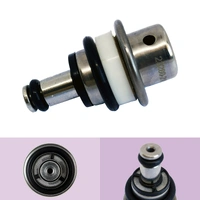
$119.97 RRP $219.00
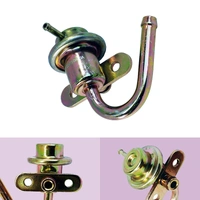
$159.78 RRP $311.97
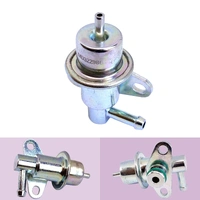
$169.99 RRP $310.90
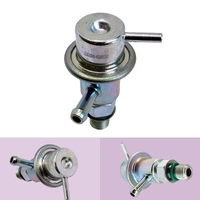
$165.00 RRP $370.00

$119.97 RRP $219.00
$109.97 RRP $219.00
$165.00 RRP $370.00