
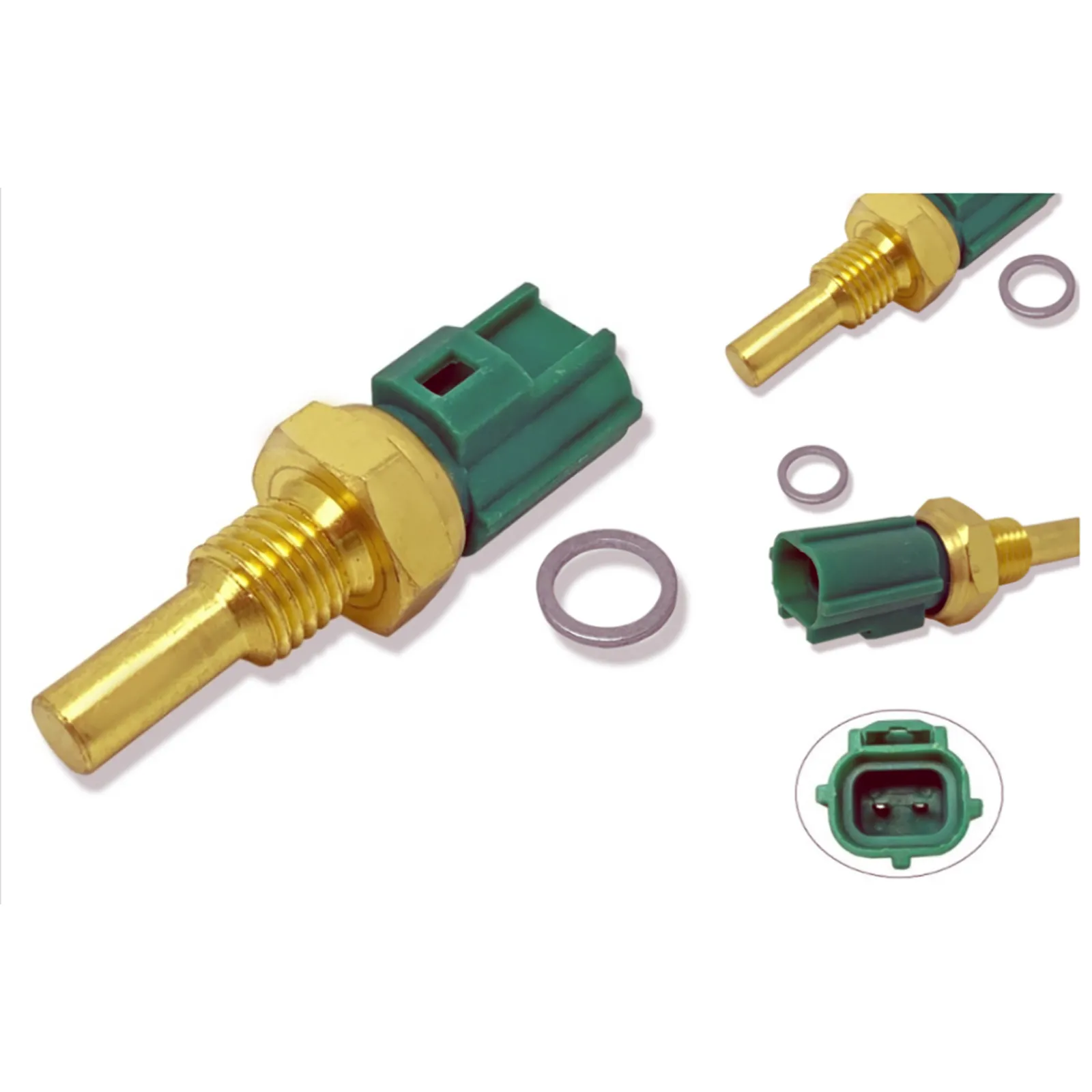


Coolant Temperature Sensor for Suzuki Grand Vitara Swift Carry Alto SE416 SQ416
Direct Fit Replaces 13650-51G10
BRAND NEW *OEM Quality* coolant temperature sensor to suit Suzuki Grand Vitara, Swift, Carry, Alto, Jimny, Vitara, Sierra and SE416/SQ416 models across a wide range of petrol engines.
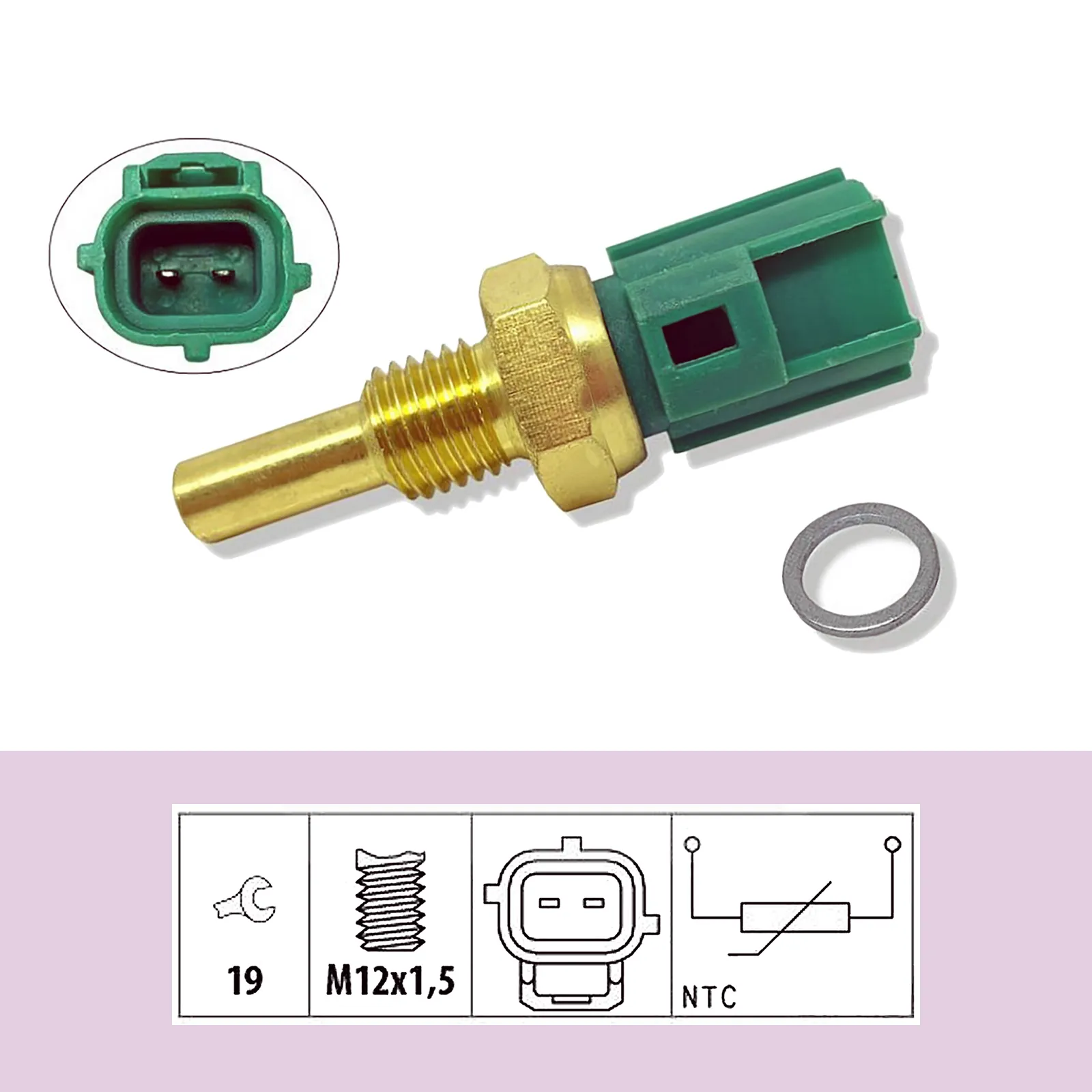
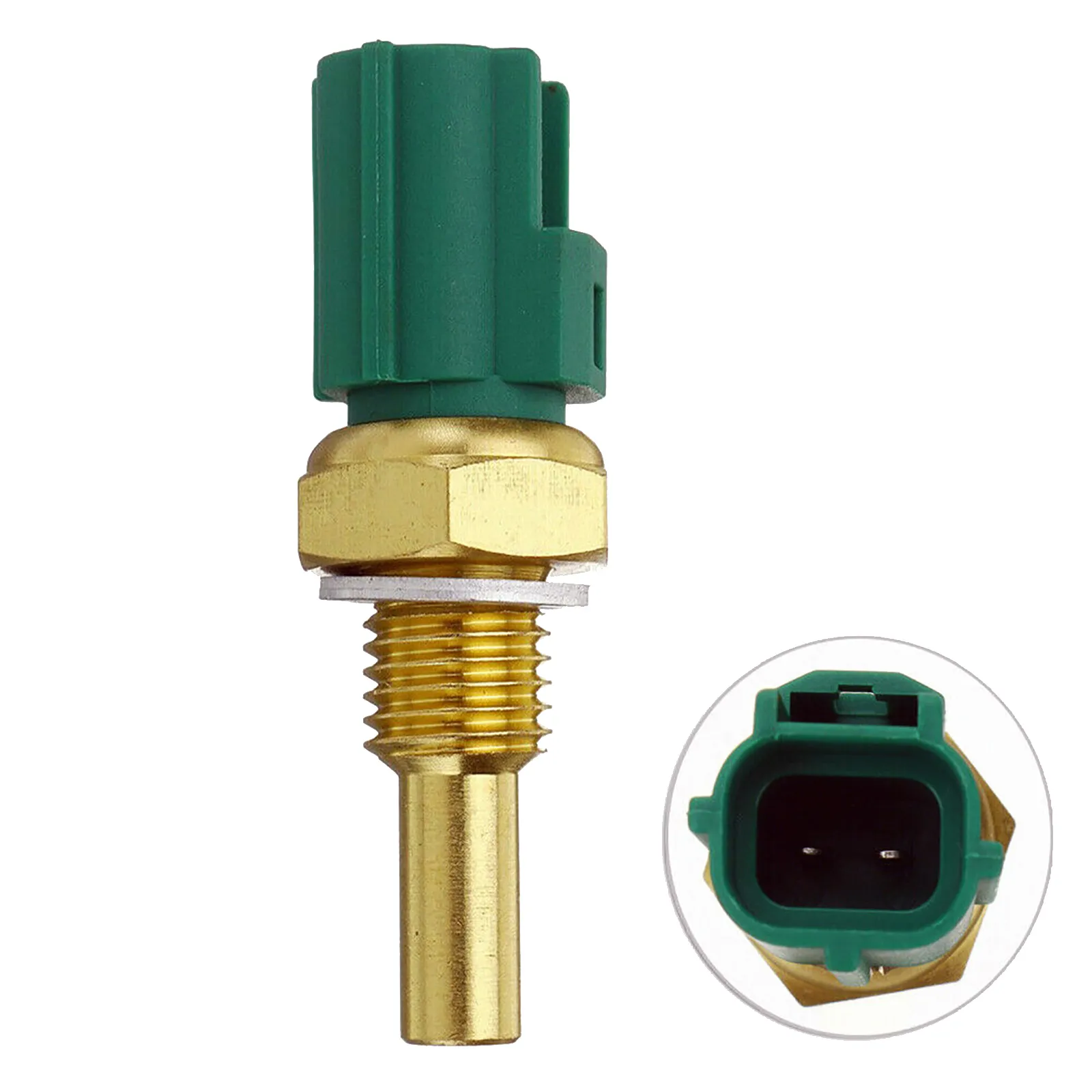
Temperature gauge reading oddly or a check engine light on your Suzuki? A failing coolant temperature sensor is a common and easy fix on these models. This is a direct-fit replacement with a 2-pin oval connector and M12x1.5 thread. Same-day dispatch before 12pm from Cranbourne VIC.
TO SUIT
This sensor suits Suzuki Grand Vitara (SQ416 SQ420 SQ625 V6), Swift (SF413 SF416), Carry (ST90 ST100), Alto, Jimny (SJ30 SJ40 SJ413), Vitara (ET TA TD TE), Sierra (SJ), Cappuccino, and Cultus across a wide range of 1.0L to 2.5L petrol engines. Full vehicle list in the compatibility table above.
OEM PART NUMBERS
- 13650-51G10
- 13650-61B00
- 1365061B00000
- 13650-71C00
- 13650-57F00
- 13650-78E00
OTHER PART NUMBERS
- VEMO: V70-72-0003
- HELLA: 6PT 009 107-481
- NTY: ECT-TY-002
PACKAGE INCLUDES
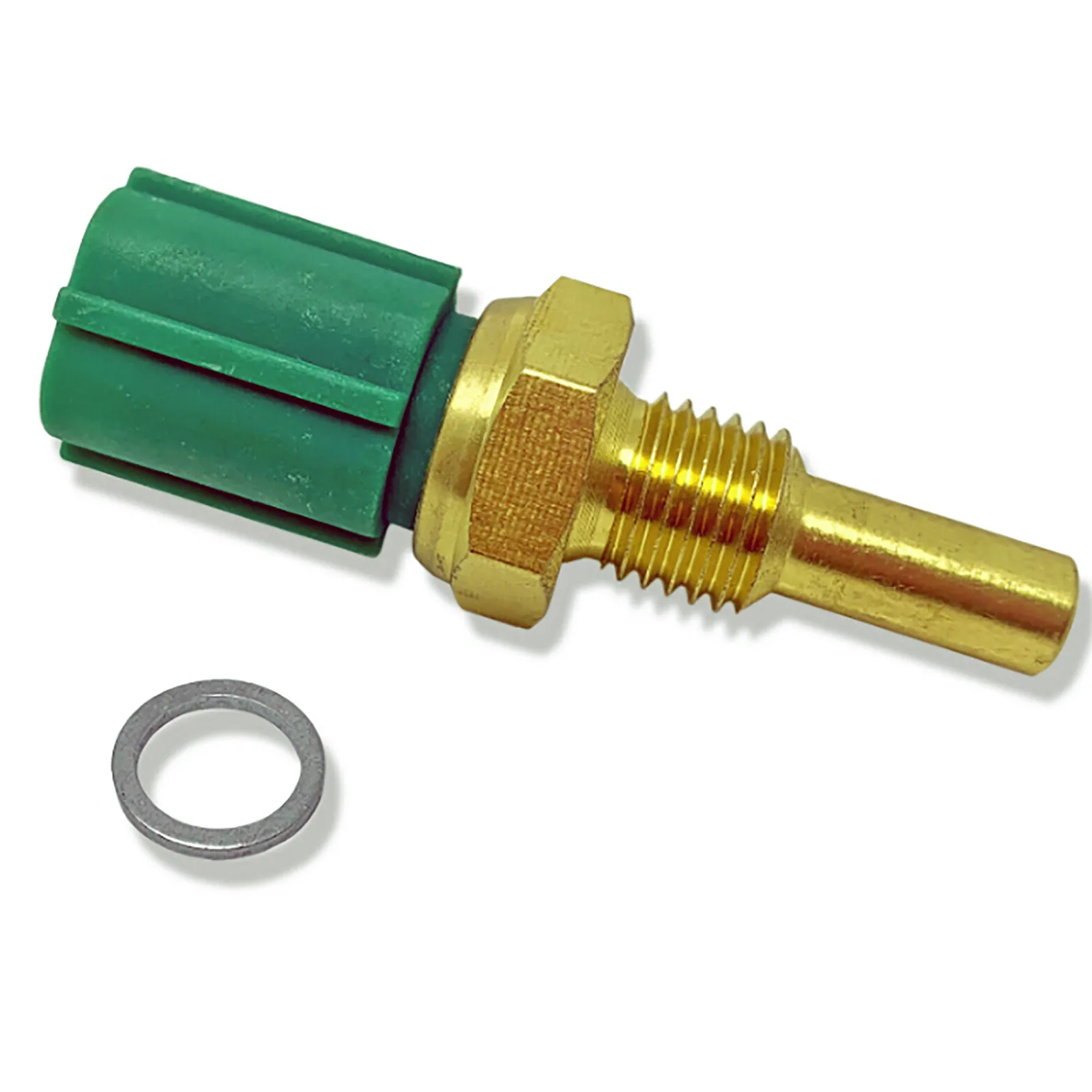
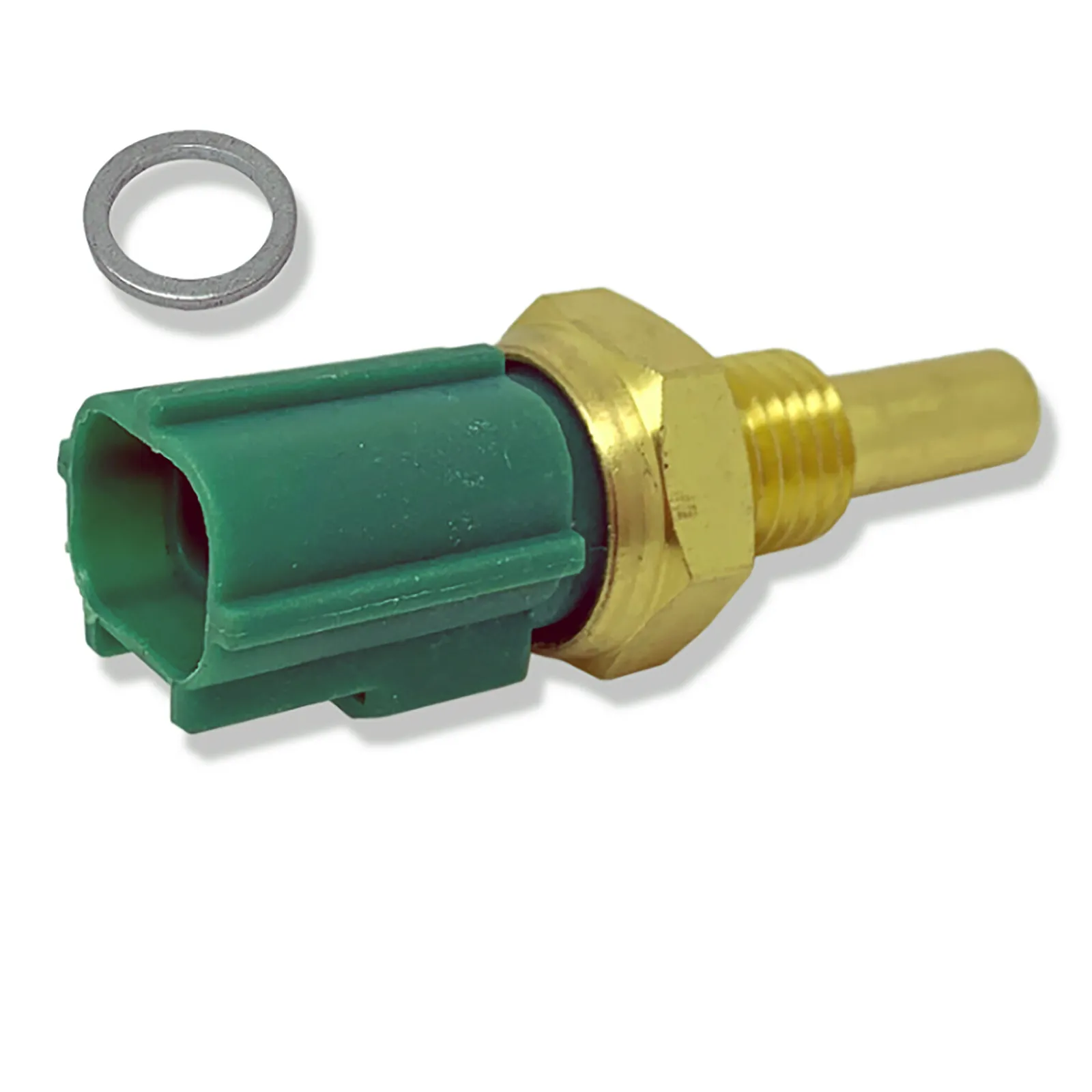
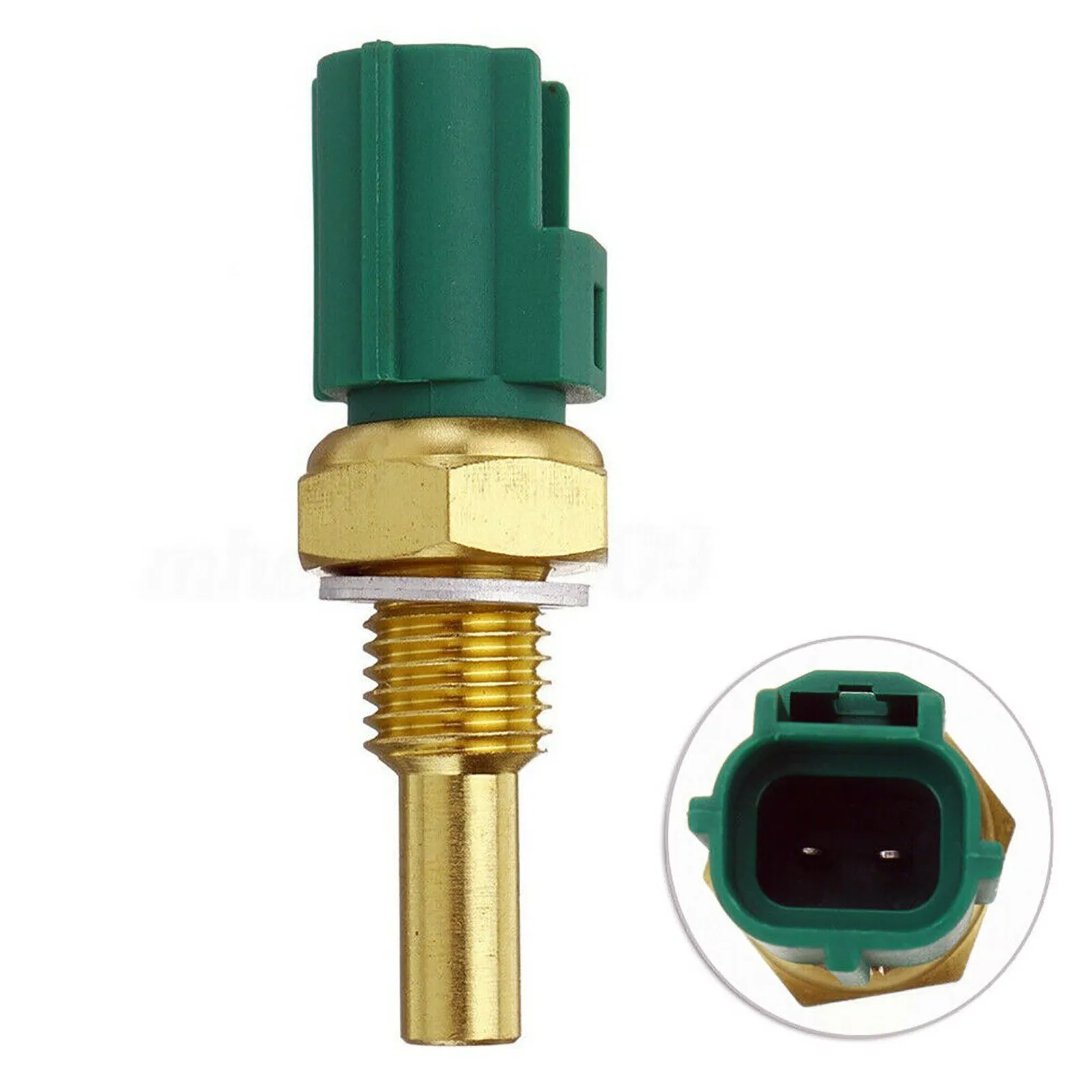
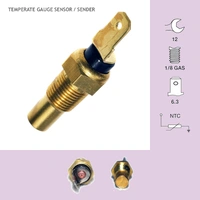
1 x Coolant Temperature Sensor - 2-pin oval connector, M12x1.5mm thread, 19mm spanner size, green socket, with gasket/seal.
ABOUT THIS SENSOR
The coolant temperature sensor monitors engine coolant temperature and sends this data to the ECU, which uses it to control fuel delivery and cold-start enrichment on Suzuki petrol engines.
When the sensor fails, the ECU can no longer accurately read engine temperature, causing incorrect fuelling and the symptoms below.
COMMON SYMPTOMS OF FAILURE
- Inaccurate or erratic temperature gauge reading
- Hard starting or rough running when cold
- Poor fuel economy
- Engine stalling at idle when cold
- Check engine light - codes P0115 P0116 P0117 P0118
- [01/99 – 12/05] SUZUKI GRAND VITARA FT SQ416 1.6L 4cyl G16B
- [01/88 – 12/98] SUZUKI VITARA ET SE416 1.6L 4cyl G16A / G16B
- [01/98 – 12/00] SUZUKI JIMNY FJ SN413 1.3L 4cyl G13BB
- [01/89 – 12/95] SUZUKI SWIFT SF SF416 1.6L 4cyl G16B
- [01/95 – 12/98] SUZUKI ALTO EF 0.99L 4cyl G10B
- [01/92 – 12/97] SUZUKI CAPPUCCINO EA (GREY IMPORT) 0.66L 3cyl F6A
- [01/99 – 12/05] SUZUKI CARRY DA32V GA413 1.3L 4cyl G13BB
- [01/89 – 12/89] SUZUKI ESCUDO TA01W (GREY IMPORT) 1.6L 4cyl G16A
- [01/96 – 12/97] SUZUKI X90 EL 1.6L 4cyl G16B
How do I test a coolant temperature sensor?
The most common test is to measure the sensor resistance with a multimeter at a known coolant temperature and compare against the manufacturer resistance curve. A cold engine (20 degrees C) typically reads 2,000 to 3,000 ohms and drops to around 200 to 300 ohms at operating temperature (90 degrees C). An OBD2 scanner showing a fixed temperature reading that does not change as the engine warms up is also a strong indicator of sensor failure.
Can a faulty coolant temperature sensor cause my engine to overheat?
Indirectly yes. If the sensor reports a lower temperature than actual, the ECU may not activate the cooling fan at the correct time, allowing the engine to overheat. It can also suppress the dashboard warning light, meaning you may not be alerted until the engine is already at a dangerously high temperature. Replace a suspected faulty sensor promptly.
Do I need to drain the coolant to replace the sensor?
Not always - many coolant temperature sensors can be replaced quickly with minimal coolant loss if you work fast and have a replacement ready to thread in immediately. However on some vehicles the sensor location requires partial coolant drainage. Check the sensor position on your specific engine before starting. Always use fresh coolant when topping up after replacement.
What are the symptoms of a faulty coolant temperature sensor?
Symptoms include poor fuel economy, black smoke, engine overheating warning, incorrect temperature gauge reading, hard starting when cold, and rough idle. Fault codes P0115 to P0119 are commonly associated with coolant temperature sensor faults.
Is it safe to drive with a bad coolant temperature sensor?
A faulty coolant temperature sensor can cause the ECU to run rich fuel mixtures and prevent the cooling fan from operating correctly, risking engine overheating. Replace it promptly - it is a low-cost part that can prevent expensive engine damage.
How do I know if my coolant temperature sensor or my thermostat is faulty?
A faulty thermostat typically causes the engine to overheat or never reach operating temperature. A faulty coolant temp sensor causes incorrect gauge readings and running issues but the coolant itself may be at the correct temperature. An OBD2 scanner showing live coolant temp data helps distinguish between the two.
Are there two coolant temperature sensors on my vehicle?
Many vehicles have two sensors - one for the ECU (engine management) and one for the dashboard temperature gauge. They look similar but are not interchangeable. Check your vehicle's service manual or contact us with your vehicle details to confirm which sensor you need.
| Identification | |
|---|---|
| SKU | CCS21-13 |
| Barcode # | 9314258967390 |
| Brand | Aftermarket OEM Replacement |
| Part Numbers | |
| Part Number | CCS21 |
| Reference OEM Number | 13650-51G10 |
| Other OEM Numbers | 13650-51G10, 13650-61B00, 13650-71C00, 13650-57F00 |
| Related Part Numbers | CS840, TCS032, TCS120 |
| Trade Part Numbers | VEMO: V70-72-0003, HELLA: 6PT 009 107-481, NTY: ECT-TY-002 |
| Product Specifics | |
| Sensor Type | ENGINE COOLANT TEMPERATURE SENSOR |
| Type | Sensor |
| Features | Direct Fit |
| Manufacturer Warranty | 1 Year |
| Thread Size | M12x1.5 mm |
| Spanner Size | 19 mm |
| Number of pins | 2 -pin connector |
| Connector Shape | oval |
| Housing Colour | Green |
| Other Details | |
| Note | Always verify fitment using your vehicle's OEM part number. |
| Unit Of Measure | ea |
Be The First To Review This Product!
Help other SENSORGAL LTD. users shop smarter by writing reviews for products you have purchased.
More From This Category
Temperature Gauge Sensor for Toyota Lexus 1UZFE V8 LS400 UFC10 UFC20 Soarer
SKU: CTS154-8342020040-1-1
$55.95 RRP $87.99
$34.62 RRP $64.99
$32.99 RRP $0.00
$37.97 RRP $78.99
Temperature Gauge Sensor for Toyota Lexus UZJ100 4.7L 2UZFE Landcruiser V8
SKU: CTS154-8342020040-1
$55.95 RRP $87.99
$43.99 RRP $76.05
Coolant Temperature Sender for Mazda T-Series T4000 T3500 T4600 TF TM Diesel
SKU: CTS110-TS198-7
$43.95 RRP $78.00
Coolant Temperature Sender for Hyundai Excel Accent Lantra Sonata Kia Carnival R
SKU: CTS110-TTS004-5
$43.95 RRP $78.00