
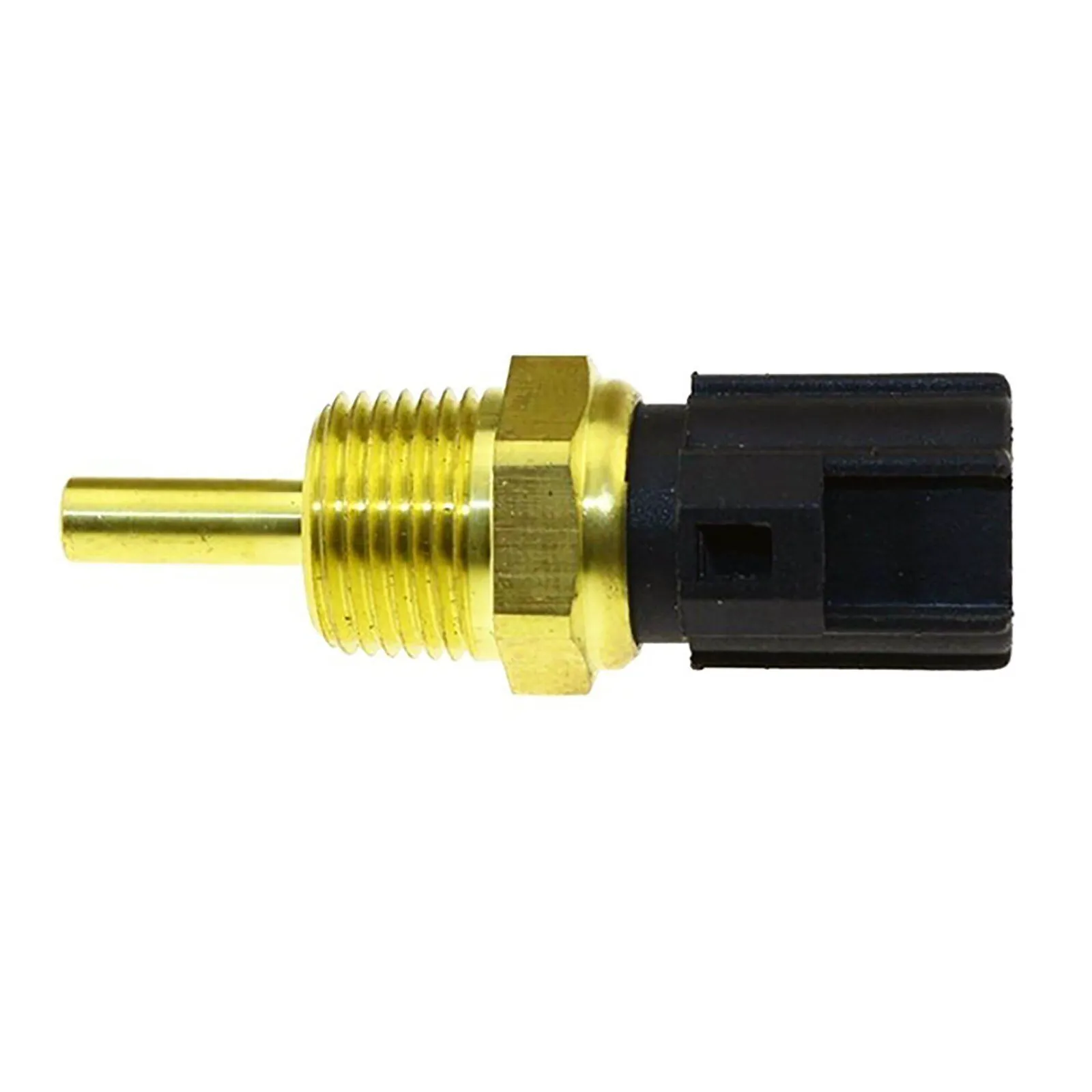
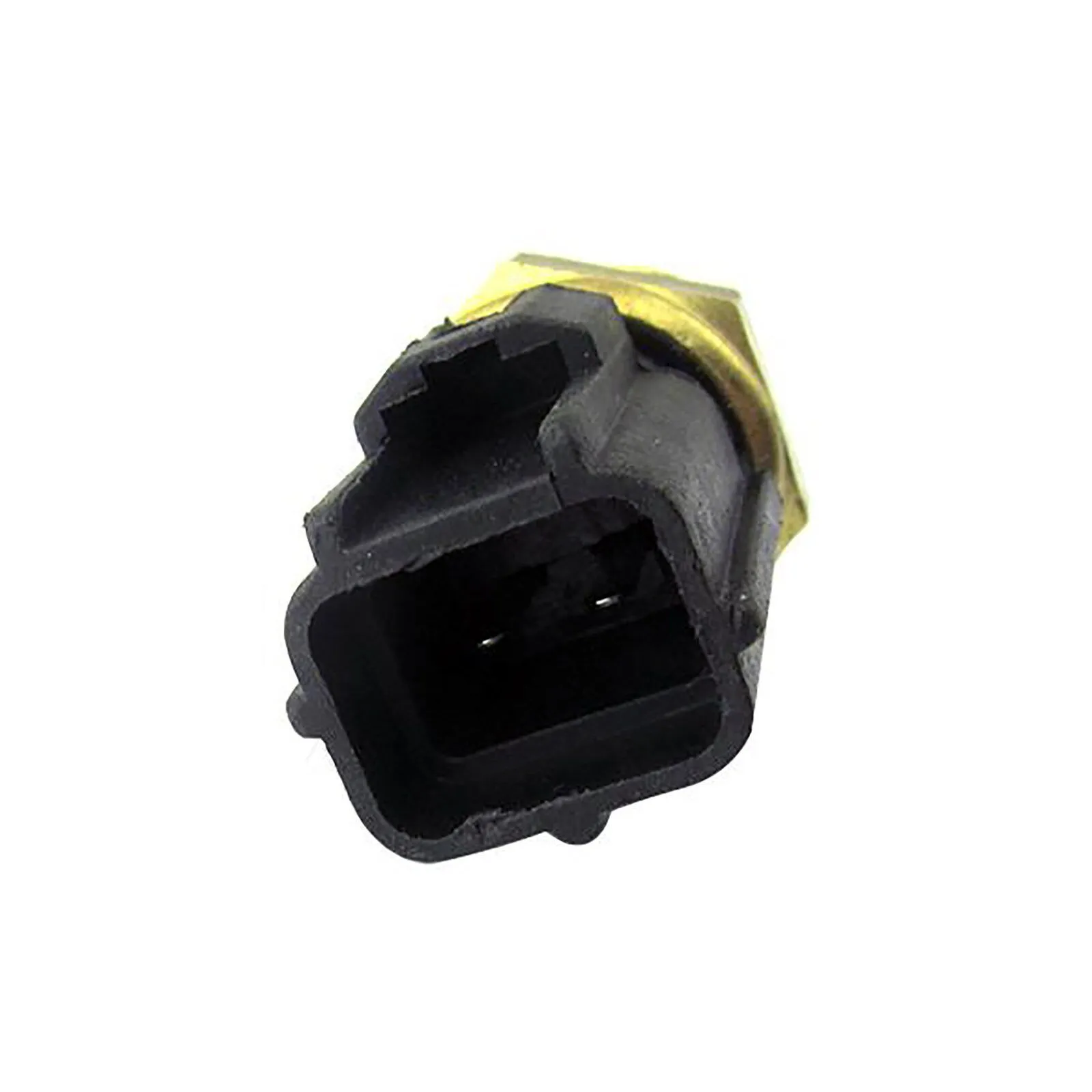
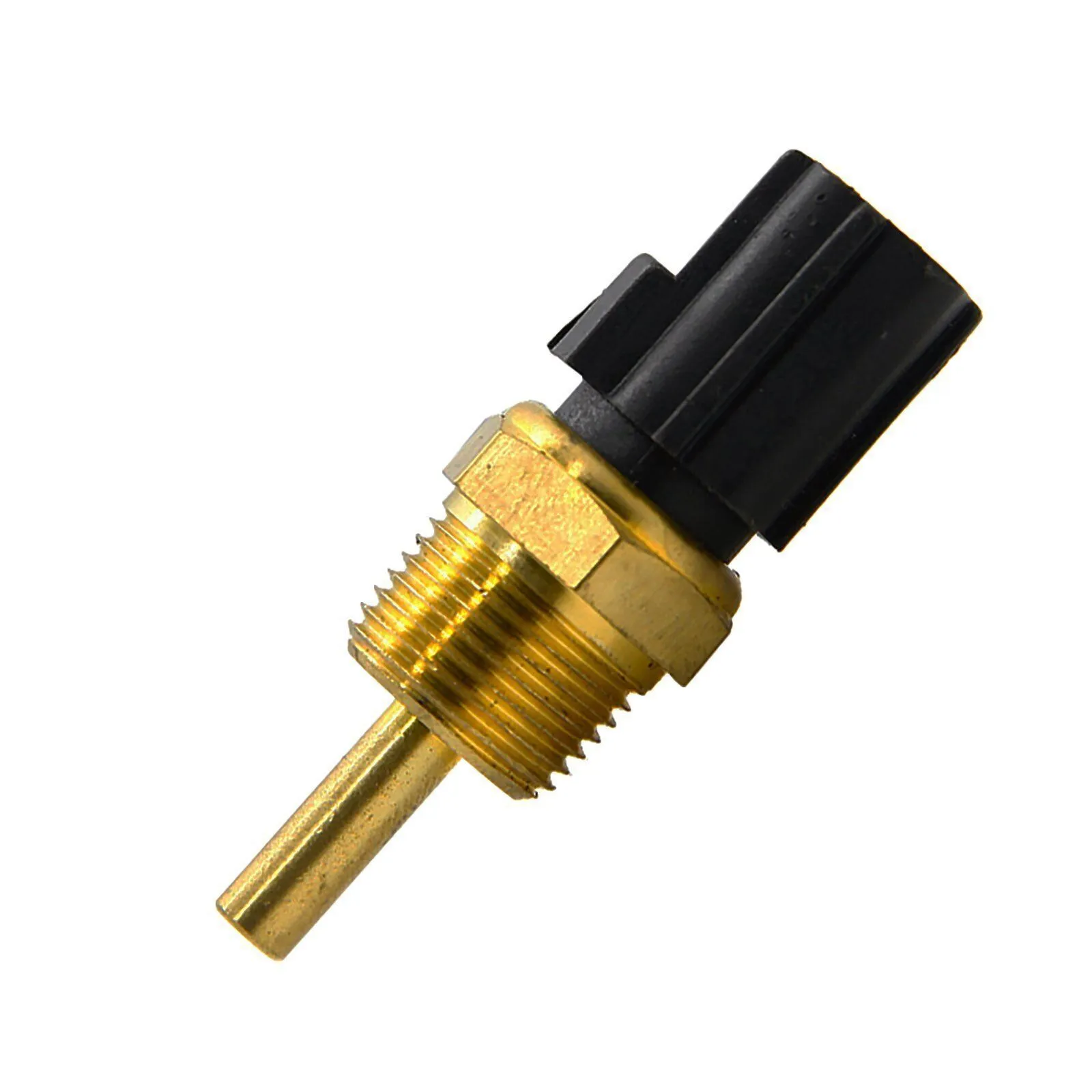
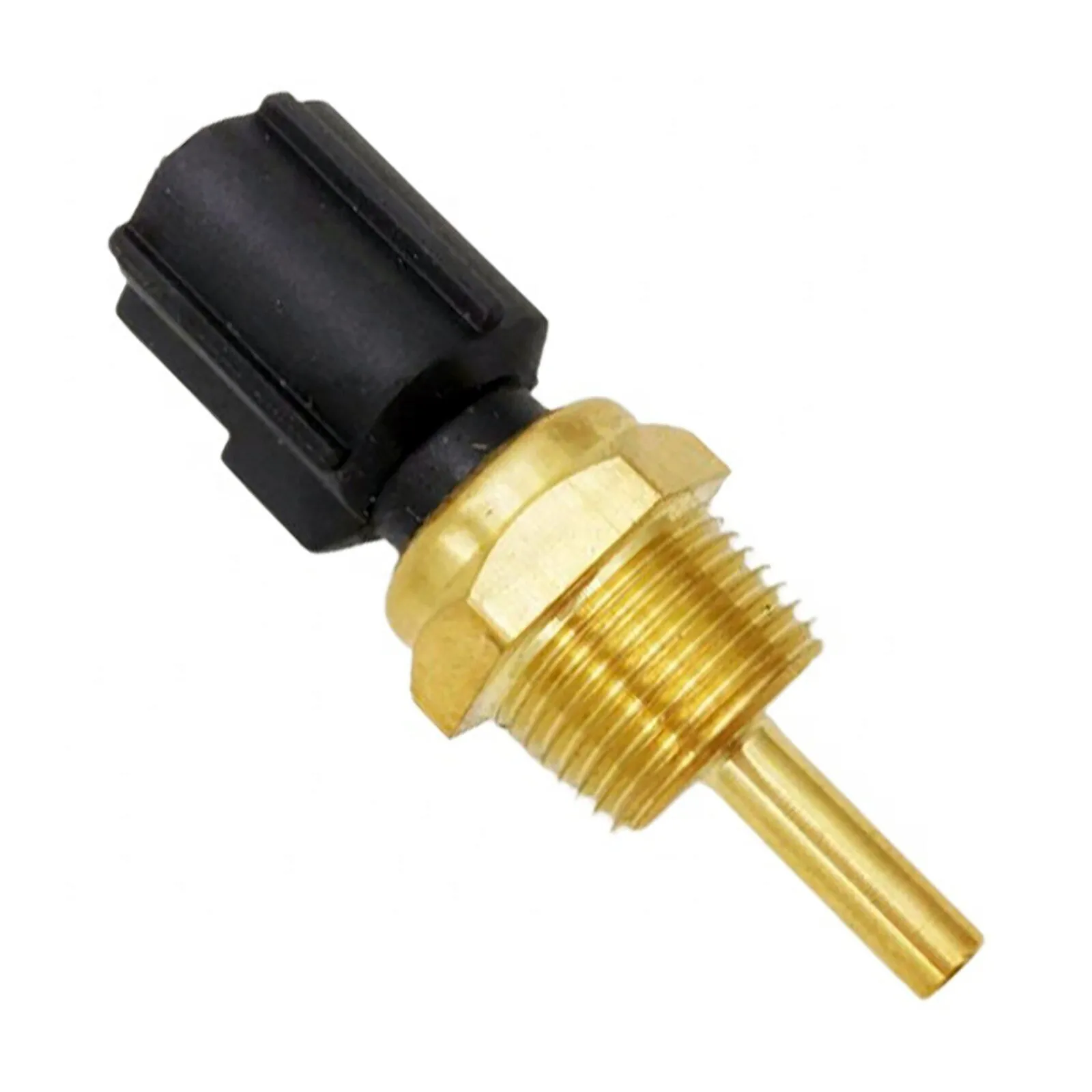


Coolant Temperature Sensor for Mitsubishi CHALLENGER PB 2.5L 4D56 2009-2015
Workshop Grade Replaces MD177572
BRAND NEW *OEM Quality* coolant temperature sensor to suit Mitsubishi Challenger PB 2.5L 4D56 diesel.
A failing sensor on the Challenger's 4D56 diesel is a common cause of hard cold starts and excess black smoke, since the ECU can't tell the engine has already warmed up. This direct-fit replacement matches the factory 2-pin plug exactly. Shipped from Melbourne today.
TO SUIT
Fits Mitsubishi Challenger KH4W, KH4WG II 2.5L 4-cylinder 4D56-HP turbo diesel (2008-2015).
OEM PART NUMBERS
- MD177572
- MD182467
- MR985034
OTHER PART NUMBERS
- NTY: ECT-MS-000
- VEMO: V37-72-0004
PACKAGE INCLUDES
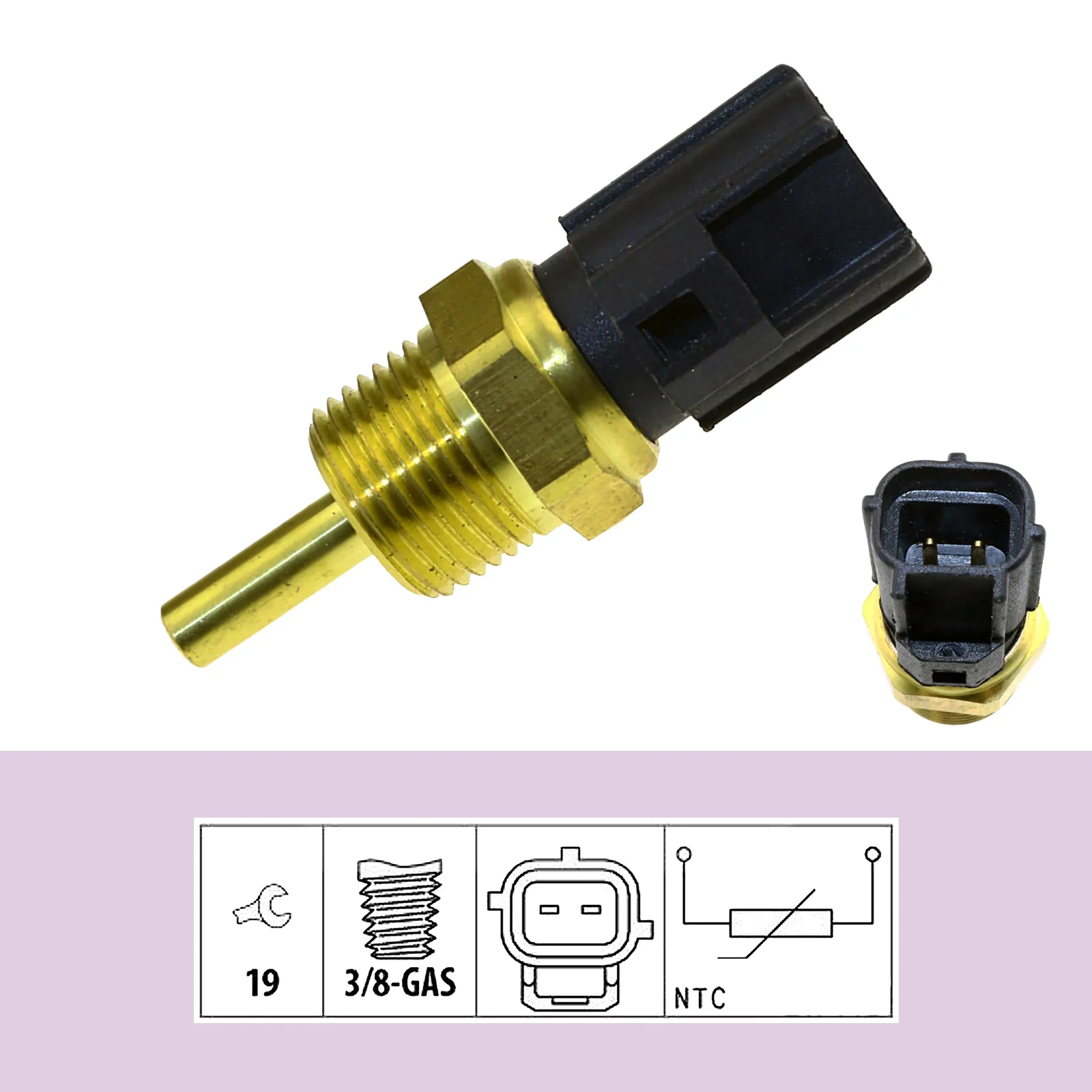
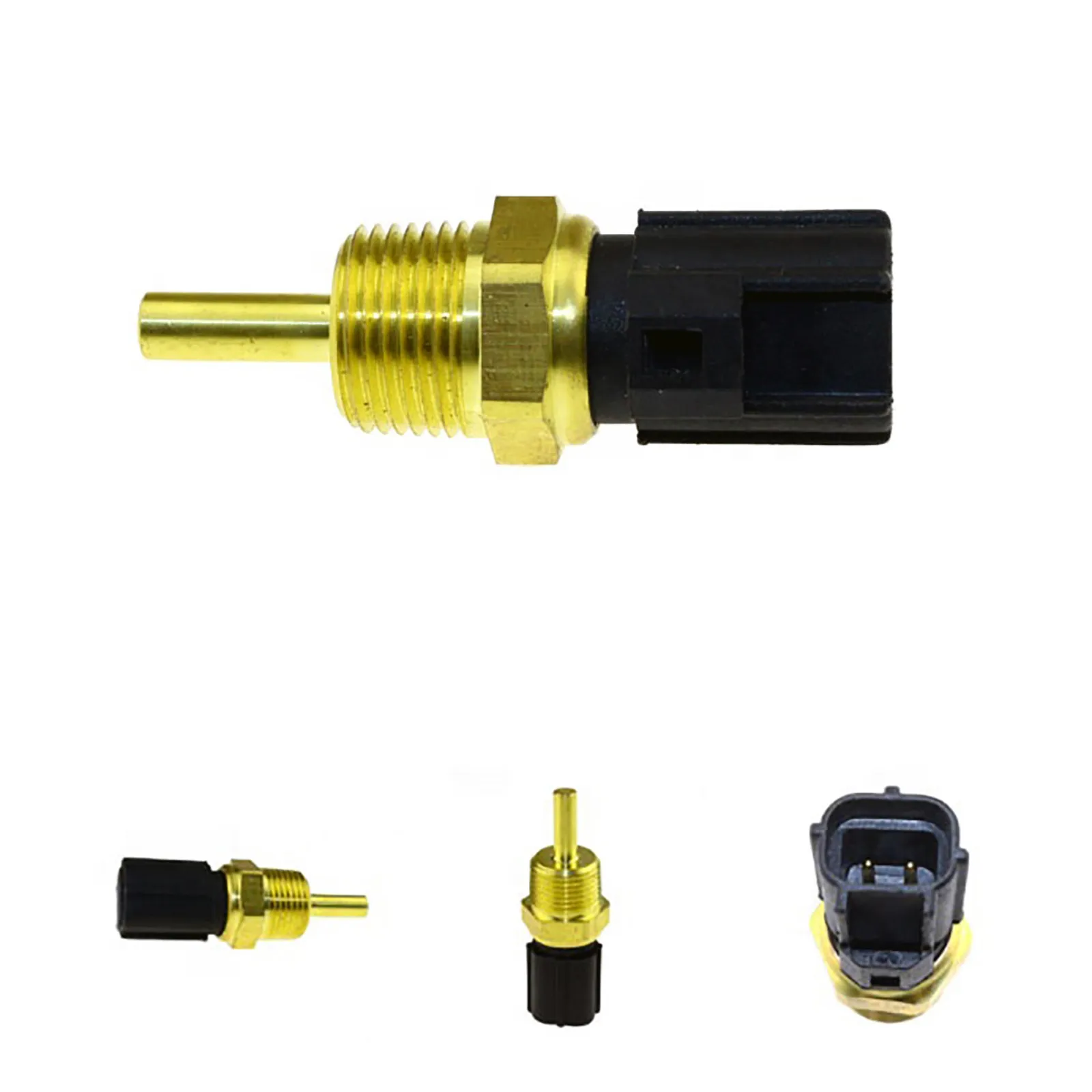
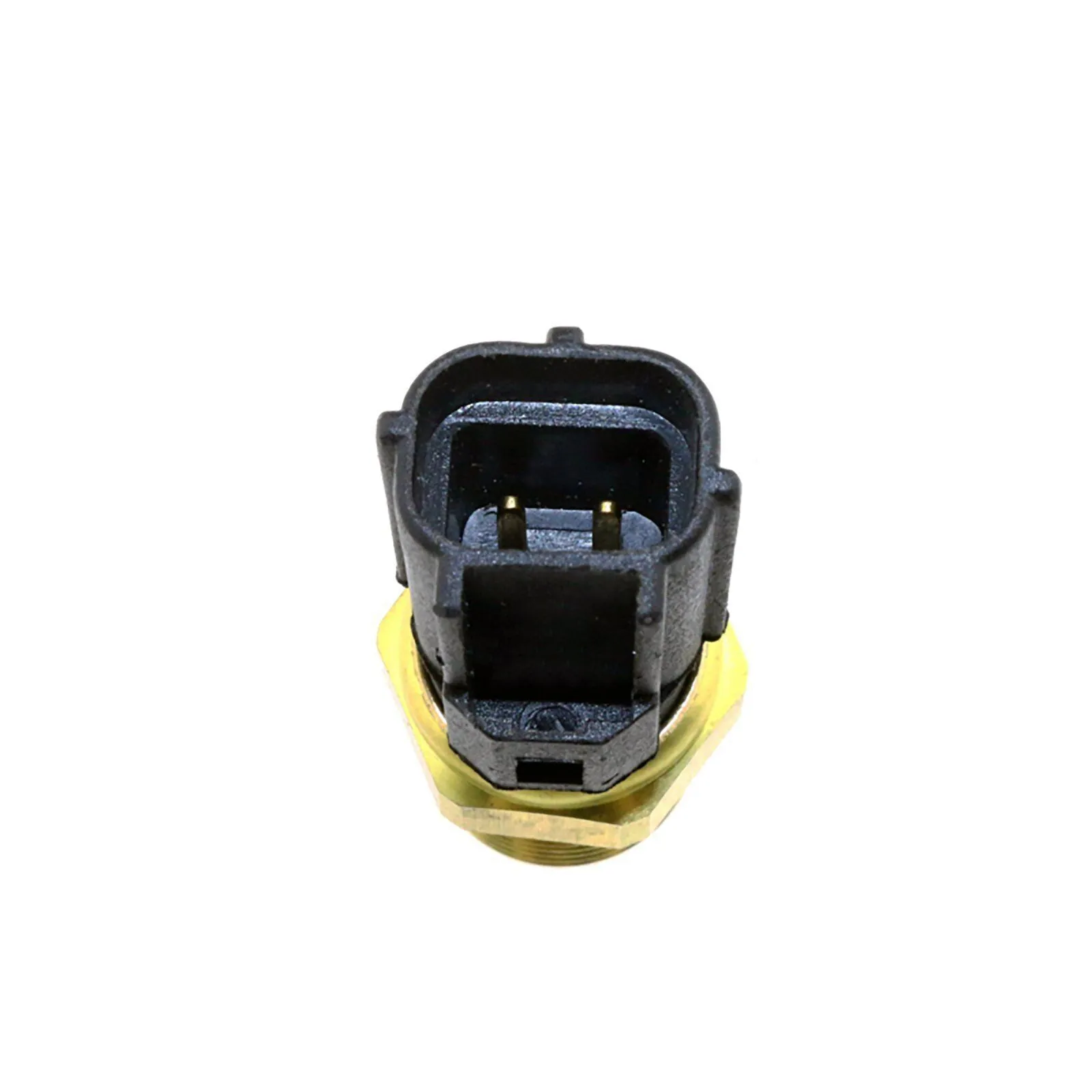
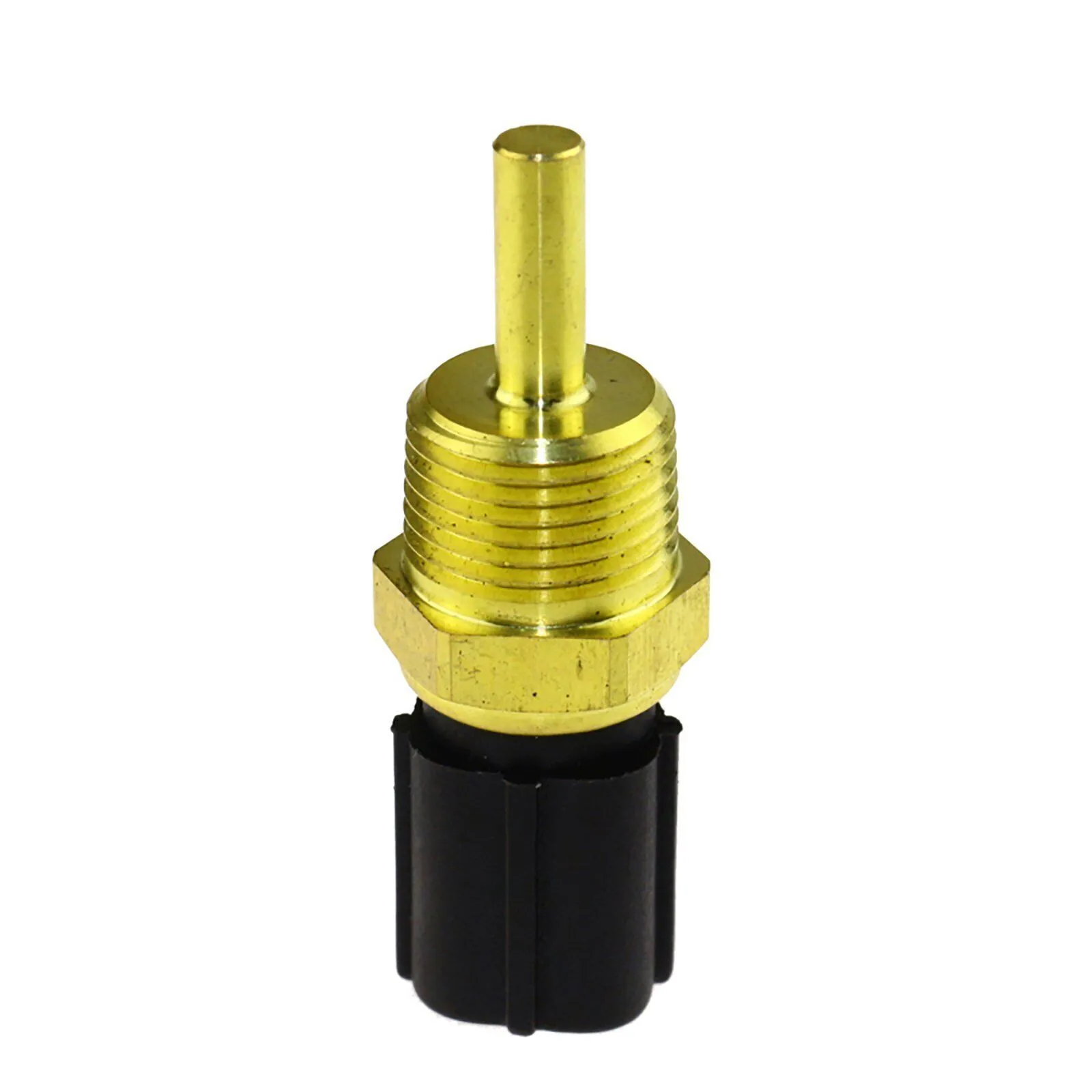
1 x OEM Quality Engine Coolant Temperature Sensor (2-pin plug), 2 terminal rounded rectangular connector, 3/8 GAS thread.
ABOUT THIS SENSOR
The coolant temperature sensor reports engine temperature to the ECU, which on the Challenger's diesel manages glow plug duration, fuel injection timing and cooling fan control.
A stuck-cold reading on this diesel keeps the glow plugs and enriched cold-start fuelling active longer than needed, which shows up as excess smoke and poor economy even once the engine is fully warm.
COMMON SYMPTOMS OF FAILURE
- Check engine light with fault code P0116, P0117 or P0118
- Hard starting or excess black smoke when cold
- Poor fuel economy
- Radiator fan running constantly or not at all
- Incorrect temperature gauge reading
- Glow plug warning light staying on
- [07/08 - 12/15] MITSUBISHI CHALLENGER KH4W II DI-D 2.5L 4cyl 4D56-HP 131kW
- [07/08 - 12/15] MITSUBISHI CHALLENGER KH4WG II DI-D 2.5L 4cyl 4D56-HP 131kW
How do I test a coolant temperature sensor?
The most common test is to measure the sensor resistance with a multimeter at a known coolant temperature and compare against the manufacturer resistance curve. A cold engine (20 degrees C) typically reads 2,000 to 3,000 ohms and drops to around 200 to 300 ohms at operating temperature (90 degrees C). An OBD2 scanner showing a fixed temperature reading that does not change as the engine warms up is also a strong indicator of sensor failure.
Can a faulty coolant temperature sensor cause my engine to overheat?
Indirectly yes. If the sensor reports a lower temperature than actual, the ECU may not activate the cooling fan at the correct time, allowing the engine to overheat. It can also suppress the dashboard warning light, meaning you may not be alerted until the engine is already at a dangerously high temperature. Replace a suspected faulty sensor promptly.
Do I need to drain the coolant to replace the sensor?
Not always - many coolant temperature sensors can be replaced quickly with minimal coolant loss if you work fast and have a replacement ready to thread in immediately. However on some vehicles the sensor location requires partial coolant drainage. Check the sensor position on your specific engine before starting. Always use fresh coolant when topping up after replacement.
What are the symptoms of a faulty coolant temperature sensor?
Symptoms include poor fuel economy, black smoke, engine overheating warning, incorrect temperature gauge reading, hard starting when cold, and rough idle. Fault codes P0115 to P0119 are commonly associated with coolant temperature sensor faults.
Is it safe to drive with a bad coolant temperature sensor?
A faulty coolant temperature sensor can cause the ECU to run rich fuel mixtures and prevent the cooling fan from operating correctly, risking engine overheating. Replace it promptly - it is a low-cost part that can prevent expensive engine damage.
How do I know if my coolant temperature sensor or my thermostat is faulty?
A faulty thermostat typically causes the engine to overheat or never reach operating temperature. A faulty coolant temp sensor causes incorrect gauge readings and running issues but the coolant itself may be at the correct temperature. An OBD2 scanner showing live coolant temp data helps distinguish between the two.
Are there two coolant temperature sensors on my vehicle?
Many vehicles have two sensors - one for the ECU (engine management) and one for the dashboard temperature gauge. They look similar but are not interchangeable. Check your vehicle's service manual or contact us with your vehicle details to confirm which sensor you need.
| Identification | |
|---|---|
| SKU | CCS39-6 |
| Brand | Aftermarket OEM Replacement |
| Part Numbers | |
| Part Number | CCS39 |
| Reference OEM Number | MD177572 |
| Other OEM Numbers | MD177572, MD182467, MR985034 |
| Related Part Numbers | CS838, TCS055, TS337 |
| Trade Part Numbers | NTY: ECT-MS-000, VEMO: V37-72-0004 |
| Product Specifics | |
| Sensor Type | ENGINE COOLANT TEMPERATURE SENSOR |
| Type | Sensor |
| Features | Direct Fit |
| Manufacturer Warranty | 1 Year |
| Thread Size | 3/8 GAS |
| Spanner Size | 19 mm |
| Number of pins | 2 -pin connector |
| Connector Shape | oval |
| Housing Colour | Black |
| Other Details | |
| Note | Always verify fitment using your vehicle's OEM part number. |
| Unit Of Measure | ea |
Be The First To Review This Product!
Help other SENSORGAL LTD. users shop smarter by writing reviews for products you have purchased.
More From This Category

$60.75 RRP $89.20
$36.28 RRP $88.99
$49.45 RRP $98.35
Coolant Temperature Sensor for Rover 416 D16 Quintet 1.6L 37750-PC1-004
SKU: CTS115-Rover
$39.99 RRP $79.99
$56.97 RRP $109.00
$34.62 RRP $64.99
$49.99 RRP $92.99
$59.97 RRP $106.59