
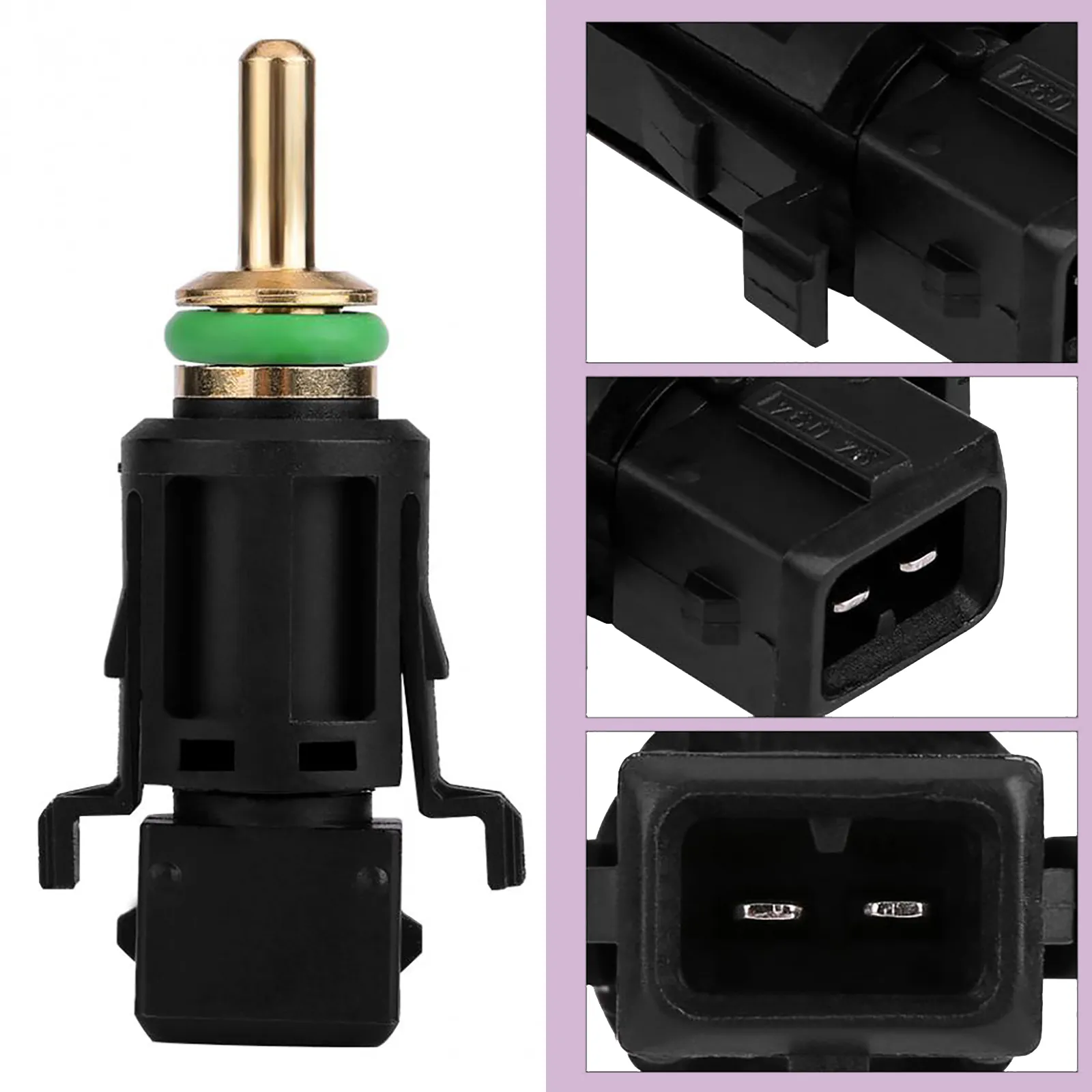
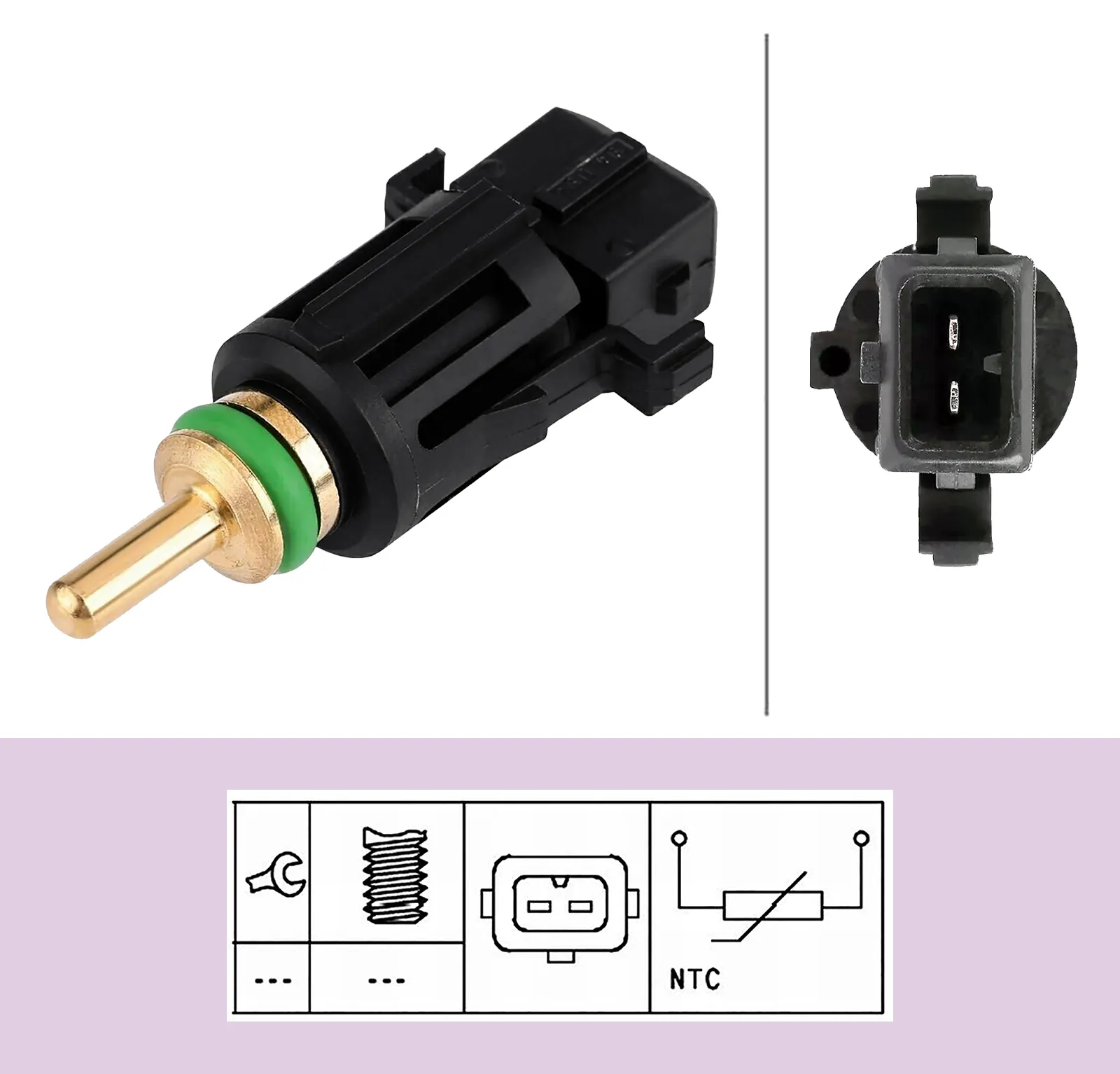
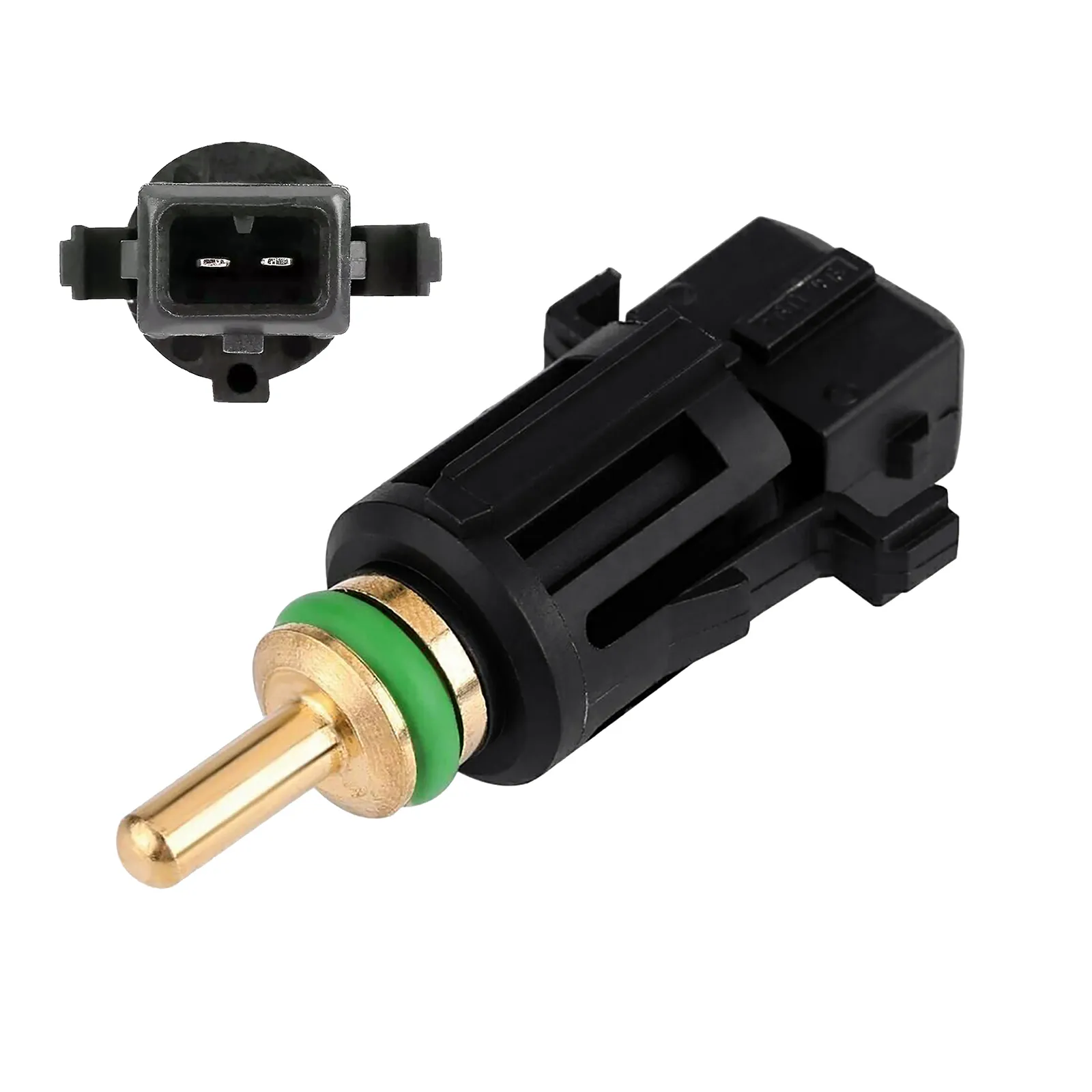
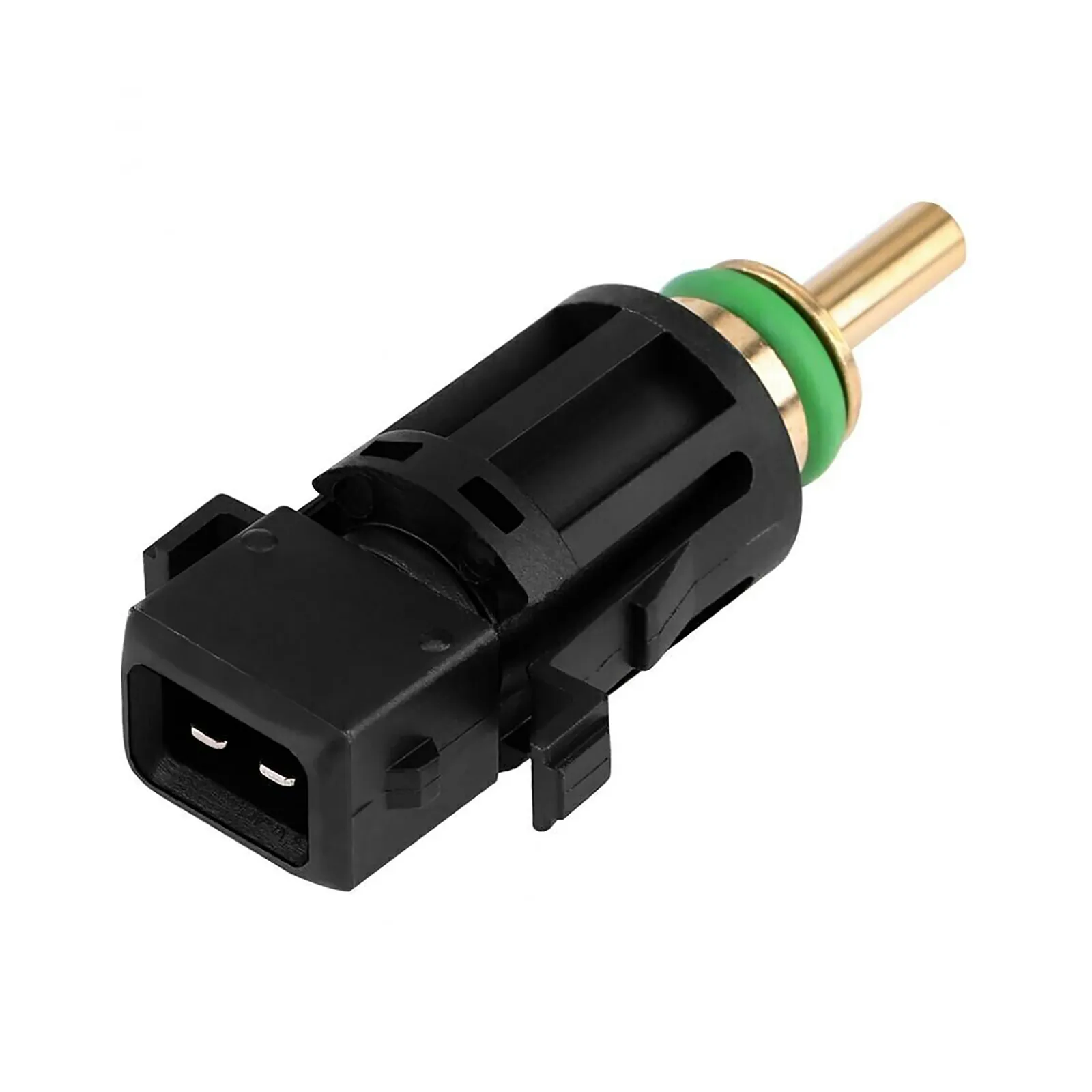
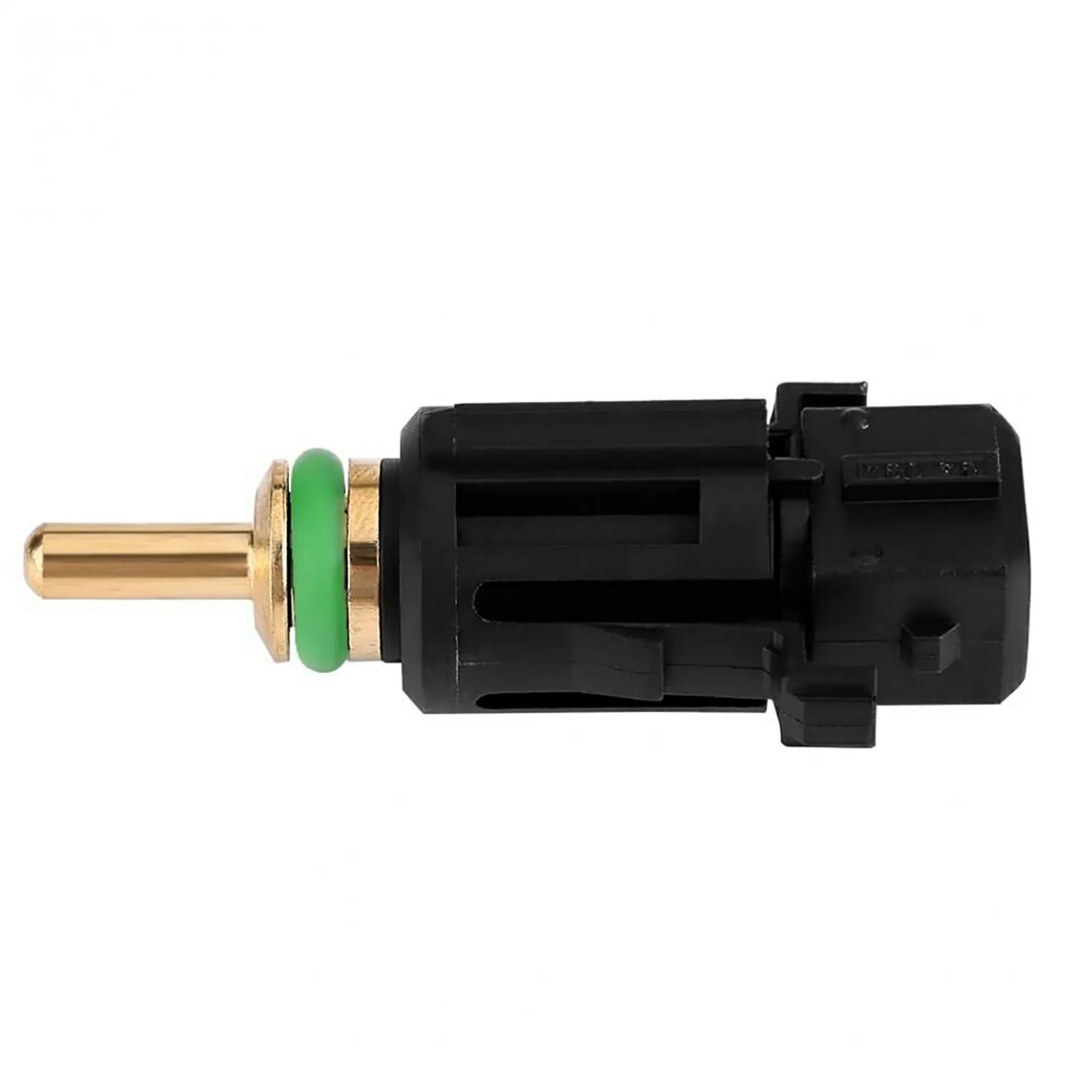
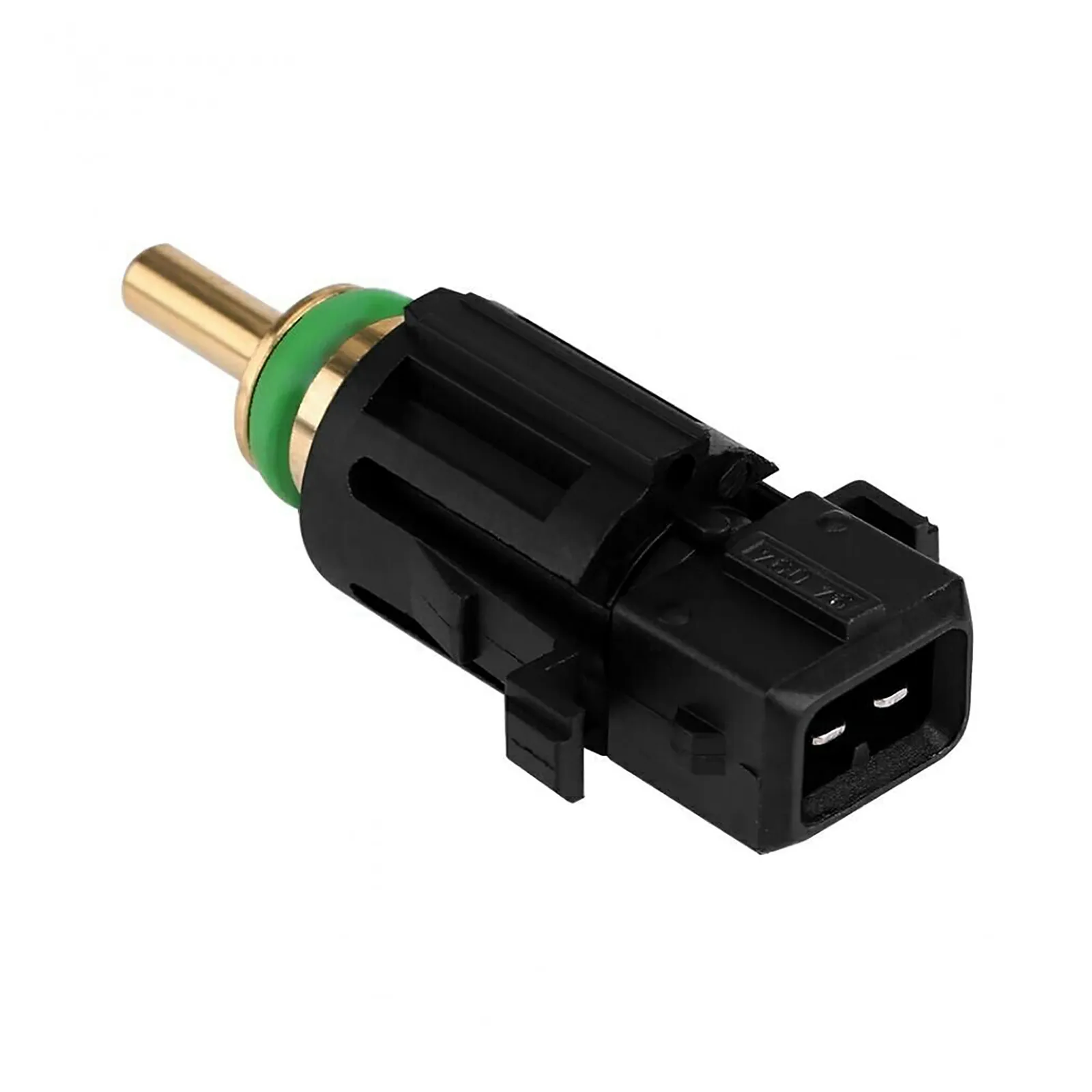


Coolant Temperature Sensor for Land Rover Freelander Range Rover L314 L322
Heavy Duty Fit Replaces MEK105210
BRAND NEW *OEM Quality* Engine Coolant Temperature Sensor to suit Land Rover Freelander L314 and Range Rover L322.
Whether you're commuting or off the beaten track, a failed coolant sensor throws off the ECU's temperature reading, which can affect fuel trim and fan control on both the Freelander and Range Rover.
TO SUIT
Fits the Land Rover Freelander L314 2.5L V6 petrol (2000-2006) and the Range Rover L322 in 3.0L diesel and 4.4L V8 petrol variants (2002-2012).
OEM PART NUMBERS
- MEK105210
- NSC000100
- NSC0001000
OTHER PART NUMBERS
- NTY: ECT-BM-012
PACKAGE INCLUDES
1 x OEM Quality Engine Coolant Temperature Sensor (2-pin connector, with seal ring).
ABOUT THIS SENSOR
The Freelander shares BMW-era engineering with early-2000s BMW models, which is why the same sensor design and 2-pin connector is used across both ranges.
On the Range Rover L322 a failing sensor is a common cause of the auxiliary cooling fan running constantly or a coolant fault code appearing on the dash.
COMMON SYMPTOMS OF FAILURE
- Check engine light with a coolant temperature fault code
- Cooling fan running constantly or not switching on
- Temperature gauge reading incorrectly
- Poor fuel economy or rough idle
- Engine taking longer than normal to reach operating temperature
- [2000 - 2006] LAND ROVER Freelander L314 SUV 2.5 V6 4x4 (2.5L 6cyl 25 K4F 130kW)
- [2002 - 2005] LAND ROVER Range Rover L322 SUV 4.4 4x4 (4.4L 8cyl M62 B44 210kW)
- [2002 - 2012] LAND ROVER Range Rover L322 SUV 3.0 D 4x4 (3.0L 6cyl 306D1(M57D30) 130kW)
- [2005 - 2012] LAND ROVER Range Rover L322 SUV 4.4 4x4 (4.4L 8cyl 448PN(AJV8) 225kW)
How do I test a coolant temperature sensor?
The most common test is to measure the sensor resistance with a multimeter at a known coolant temperature and compare against the manufacturer resistance curve. A cold engine (20 degrees C) typically reads 2,000 to 3,000 ohms and drops to around 200 to 300 ohms at operating temperature (90 degrees C). An OBD2 scanner showing a fixed temperature reading that does not change as the engine warms up is also a strong indicator of sensor failure.
Can a faulty coolant temperature sensor cause my engine to overheat?
Indirectly yes. If the sensor reports a lower temperature than actual, the ECU may not activate the cooling fan at the correct time, allowing the engine to overheat. It can also suppress the dashboard warning light, meaning you may not be alerted until the engine is already at a dangerously high temperature. Replace a suspected faulty sensor promptly.
Do I need to drain the coolant to replace the sensor?
Not always - many coolant temperature sensors can be replaced quickly with minimal coolant loss if you work fast and have a replacement ready to thread in immediately. However on some vehicles the sensor location requires partial coolant drainage. Check the sensor position on your specific engine before starting. Always use fresh coolant when topping up after replacement.
What are the symptoms of a faulty coolant temperature sensor?
Symptoms include poor fuel economy, black smoke, engine overheating warning, incorrect temperature gauge reading, hard starting when cold, and rough idle. Fault codes P0115 to P0119 are commonly associated with coolant temperature sensor faults.
Is it safe to drive with a bad coolant temperature sensor?
A faulty coolant temperature sensor can cause the ECU to run rich fuel mixtures and prevent the cooling fan from operating correctly, risking engine overheating. Replace it promptly - it is a low-cost part that can prevent expensive engine damage.
How do I know if my coolant temperature sensor or my thermostat is faulty?
A faulty thermostat typically causes the engine to overheat or never reach operating temperature. A faulty coolant temp sensor causes incorrect gauge readings and running issues but the coolant itself may be at the correct temperature. An OBD2 scanner showing live coolant temp data helps distinguish between the two.
Are there two coolant temperature sensors on my vehicle?
Many vehicles have two sensors - one for the ECU (engine management) and one for the dashboard temperature gauge. They look similar but are not interchangeable. Check your vehicle's service manual or contact us with your vehicle details to confirm which sensor you need.
| Identification | |
|---|---|
| SKU | CCS56-LandRover |
| Brand | Aftermarket OEM Replacement |
| Part Numbers | |
| Part Number | CCS56 |
| Reference OEM Number | MEK105210 |
| Other OEM Numbers | MEK105210, NSC000100, NSC0001000 |
| Trade Part Numbers | NTY: ECT-BM-012 |
| Product Specifics | |
| Product Type | SENSOR |
| Sensor Type | ENGINE COOLANT TEMPERATURE SENSOR |
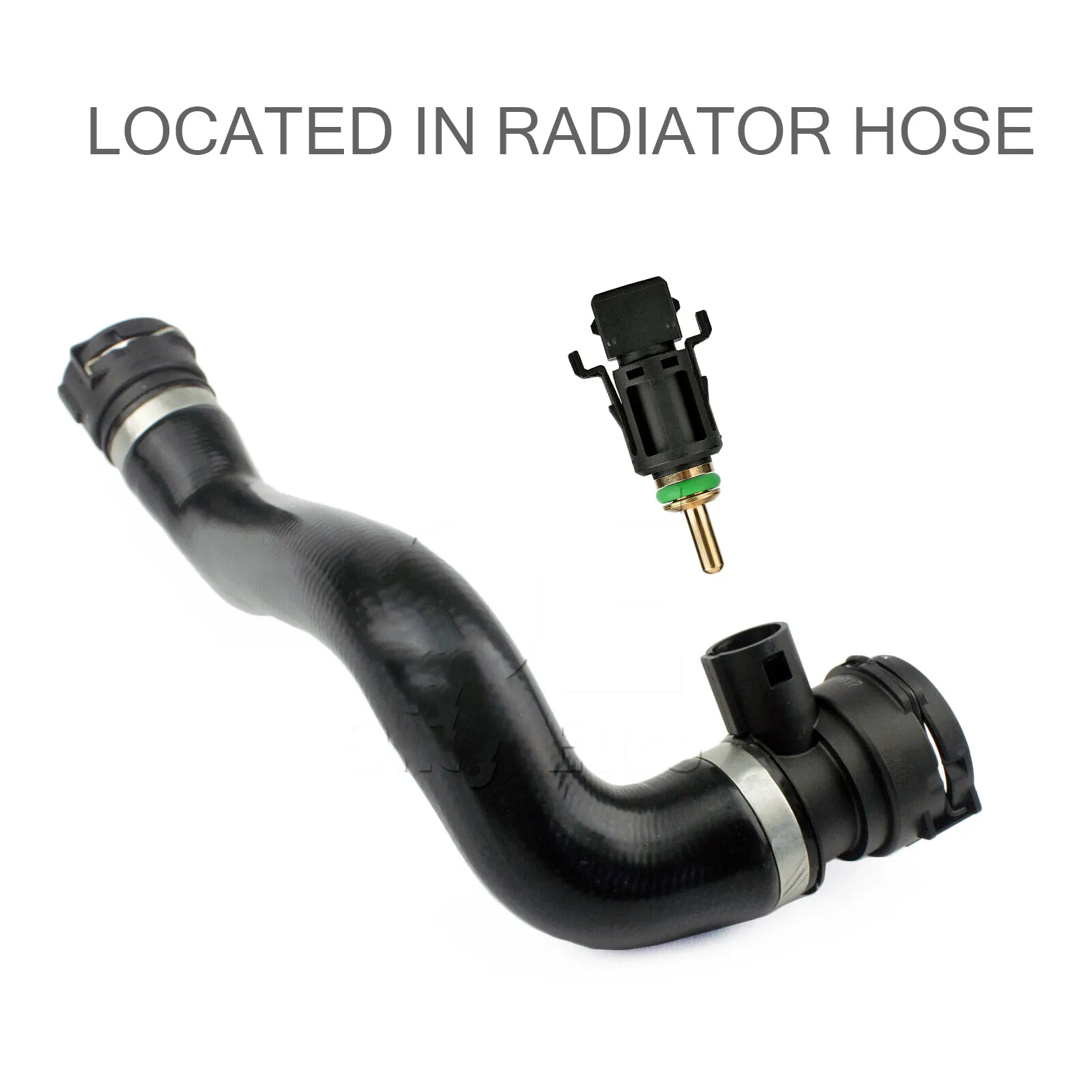
| Placement On Vehicle | Bottom Radiator Hose |
| Features | Direct Fit |
| Manufacturer Warranty | 1 Year |
| Number Of Sensors | 1 |
| Fitting Position | Radiator, Right, Lower |
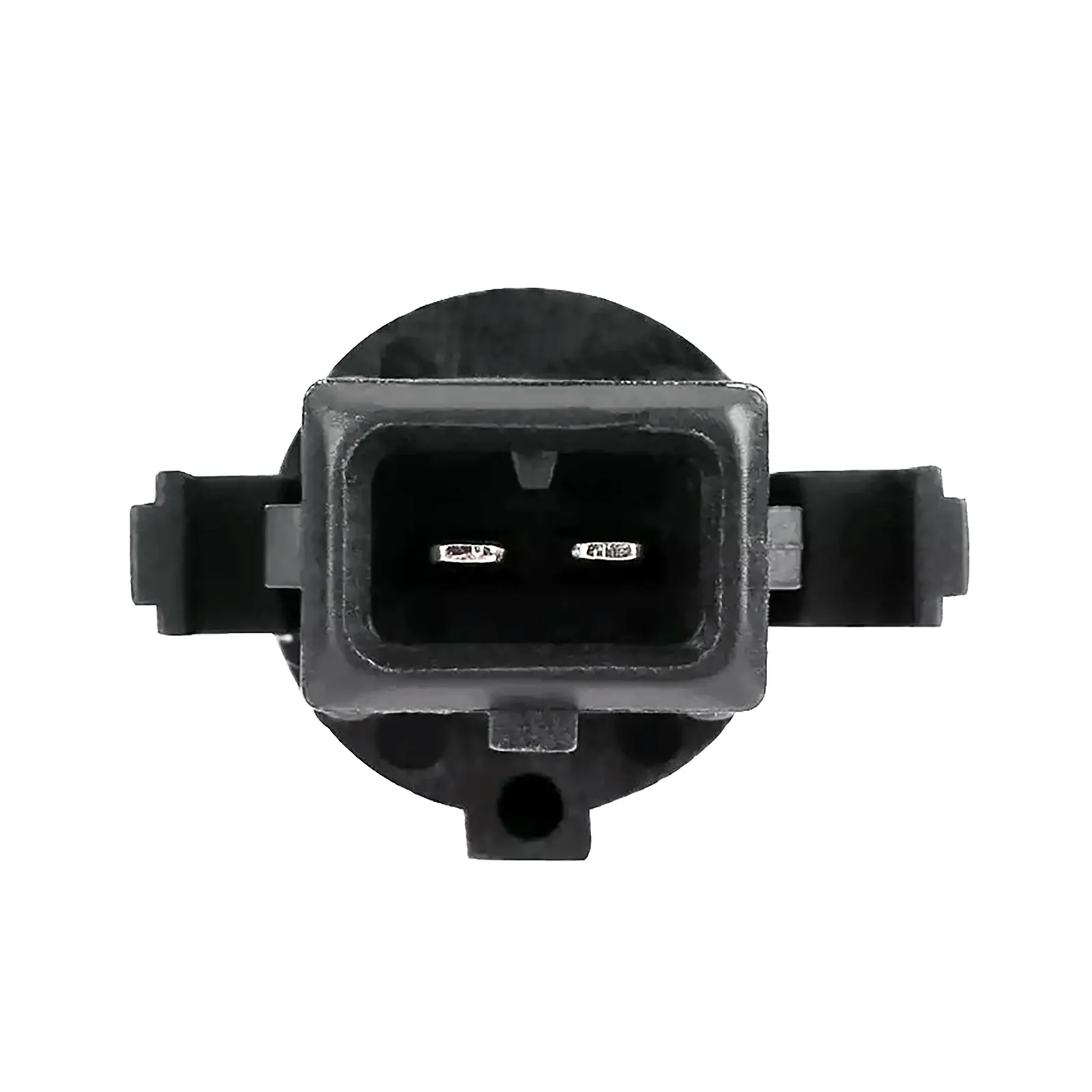
| Number of pins | 2 -pin connector |
| Connector Shape | rectangular |
| Supplementary Article Info | with seal ring |
| Housing Colour | Black |
| Mounting Type | Plugged |
| Housing Diameter | 12.95 mm |
| Fastening Type | Pin Fixing |
| Compatible Makes | Land Rover |
| Fitment Type | Direct Replacement |
| Other Details | |
| Note | Always verify fitment using your vehicle's OEM part number. |
| Unit Of Measure | ea |
Be The First To Review This Product!
Help other SENSORGAL LTD. users shop smarter by writing reviews for products you have purchased.
More From This Category
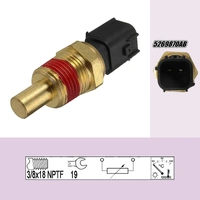
Coolant Temperature Sensor for Jeep WrAngler JK 3.8L EGH EGT Square Plug
SKU: 5269870AB-Jeep
$59.87 RRP $137.99
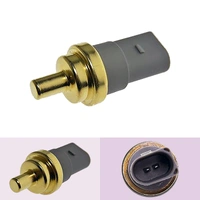
Coolant Temperature Sensor for Audi Q7 4L 3.0 3.6 4.2 V6 V8 Fsi TDI Tfsi
SKU: CTS190-TCS111-4
$43.99 RRP $76.05
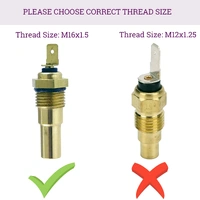
Temperature Gauge Sensor for Nissan Patrol 160 MQ MK TB42 2508089902
SKU: CTS158-2508089902
$41.57 RRP $58.99

$43.99 RRP $76.05
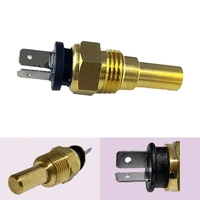
Coolant Temperature Sensor for Mitsubishi MD069879 MD082430 CCS24
SKU: CCS24-Mitsubishi
$55.97 RRP $86.99
$48.99 RRP $88.75
$39.99 RRP $96.03
$49.97 RRP $68.59