
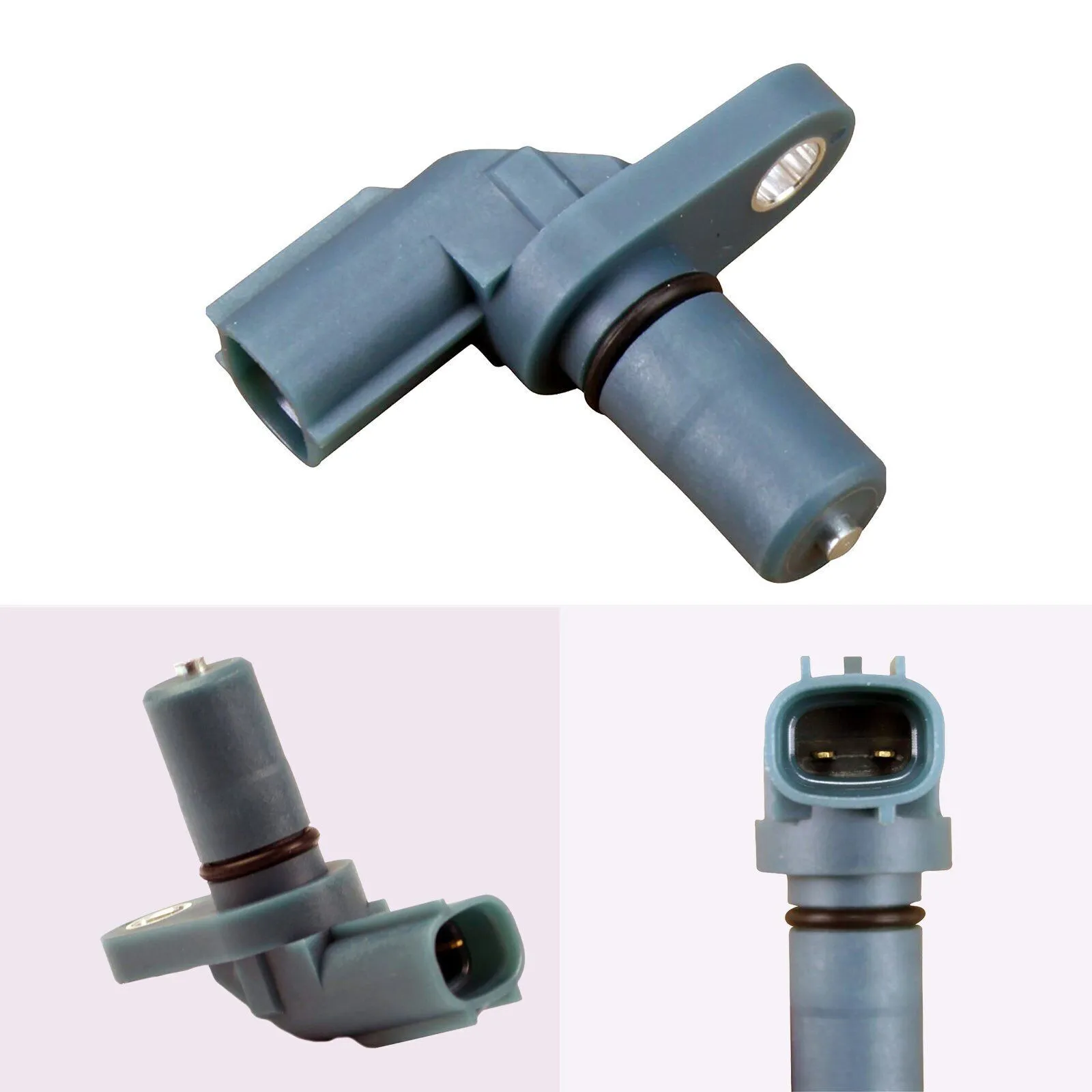
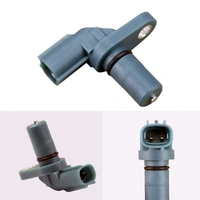
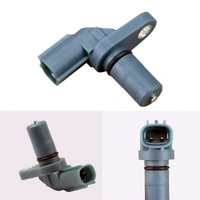
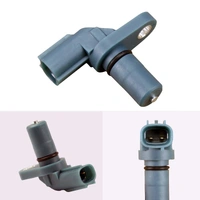
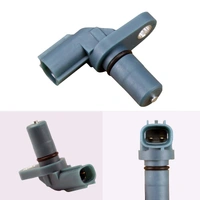
Transmission Speed Sensor 89413-32010 Lexus IS200 IS300 GS300 2001-2005 4WD
Direct Fit Transmission Speed Sensor for Japanese Vehic
BRAND NEW OEM Quality TRANSMISSION REVOLUTION SPEED SENSOR TO SUIT TOYOTA / LEXUS
PLEASE COMPARE YOUR ORIGINAL SENSOR WITH THE IMAGES WE PROVIDED IN THE LISTING AND
CHECK THE DETAILED VEHICLE LIST IN THE SUITABILITY SECTION.
TO SUIT:
OEM# 894130C010, 89413-32010
Features?
- High Quality
- OEM Fit and Design
- Easy install
- Simple operation
- AU Seller-Fast and Free Shipping
Package Includes:
1* TRANSMISSION SPEED / REVOLUTION SENSOR. 2-Pin Plug.
Transmission speed sensors are used to perform a contactless scan of a gear or trigger wheel in the transmission and generate an electronic digital signal proportional to the speed of rotation.
There are commonly two-speed sensors that work in conjunction to provide accurate transmission data to the vehicles (ECM) engine control module or (TCM) transmission control unit.
Common symptoms of a faulty sensor include:
- Harsh or irregular shifting
- Cruise control inoperative
- Check engine light illuminated
- Speedometer inoperative
Transmission speed sensors can malfunction for a number of reasons including:
- Physical damage to the sensor
- Poor connection between the connector plug and sensor
- Corrosion
- Electrical failure
COMPATIBLE VEHICLES:
ABOUT YOUR VEHICLE'S ABS SENSOR
What does an ABS Sensor do?
The anti-lock braking system uses an ABS or wheel sensor to monitor the wheel speed and send this information to the ABS computer. The ABS computer uses this information to prevent the brakes from locking during an emergency stop. If wheel speeds are not equal the computer modulates the anti-lock feature until the speeds are equalized.
Where are these sensors located?
The ABS sensor is typically located in each wheel hub/rotor on a four-channel ABS system. Some rear-wheel-drive applications have the sensor mounted in the rear differential.
Will a malfunctioning ABS Sensor illuminate the check engine light or affect vehicle operation?
Yes, a failing sensor can illuminate the MIL or ABS warning lamp and may cause the failure of the anti-lock braking system to operate safely and properly.
What are the common causes of failure?
Typically these sensors will fail as a result of clogging from metallic debris, brake dust, or dirt due to exposure to the harsh elements.
How to determine if these sensors are malfunctioning?
An ABS sensor can be visually inspected and the wire winding and sensor harness can be tested for opens, shorts, and proper factory-specified resistance with an ohmmeter.
What does a transmission speed sensor do?
The transmission speed sensor (also called the vehicle speed sensor or output shaft speed sensor) monitors the rotational speed of the transmission output shaft and sends this data to the ECU and transmission control module (TCM). The ECU uses this information to calculate vehicle speed, manage gear change timing, control torque converter lockup, and operate the speedometer, cruise control, ABS, and stability control systems.
What are the symptoms of a failing transmission speed sensor?
Common symptoms include harsh or erratic gear changes as the TCM cannot determine the correct shift points, the speedometer reading incorrectly or not at all, cruise control failing to engage or cutting out unexpectedly, the transmission entering limp mode or staying stuck in a fixed gear, ABS or traction control warning lights, and a Check Engine or transmission warning light with speed sensor fault codes.
Is there more than one speed sensor in the transmission?
Many modern automatic transmissions use two speed sensors - an input shaft speed sensor that reads turbine speed inside the transmission, and an output shaft speed sensor that reads the final drive speed. The TCM uses both readings to calculate gear ratios and monitor slip. A fault code will specify which sensor has failed. Some vehicles also have a separate vehicle speed sensor mounted on the differential or gearbox tailshaft.
Can a faulty transmission speed sensor damage the gearbox?
Yes - indirectly. Without correct speed data the TCM cannot manage shift timing, torque converter lockup, and line pressure correctly. Prolonged operation with incorrect speed data can cause premature clutch wear from incorrect shift timing and overheating from poor torque converter management. Limp mode is typically triggered to protect the transmission, but operating in limp mode long-term is also hard on the gearbox.
Will a faulty speed sensor cause the speedometer to stop working?
Yes on many vehicles the speedometer is driven by the transmission output speed sensor signal. If this sensor fails the speedometer may read zero, read incorrectly, or fluctuate erratically. On vehicles where the speedometer is driven mechanically by a cable, a speed sensor fault will not directly affect the gauge reading. Modern vehicles almost universally use electronic speed sensors feeding a digital instrument cluster.
Does a transmission speed sensor need programming after replacement?
No - transmission speed sensors are passive sensors requiring no programming. They are direct plug-in replacements. Clear stored fault codes with an OBD2 scanner after fitting the new sensor. On some vehicles with adaptive transmission control the TCM may require a short adaptation period over several drive cycles to relearn shift quality with the new sensor data. If shift quality is poor immediately after replacement allow several hundred kilometres of normal driving before further investigation.
| Identification | |
|---|---|
| SKU | FSS021-9 |
| Barcode # | 9314258590284 |
| Brand | Aftermarket OEM Replacement |
| Part Numbers | |
| Part Number | FSS021 |
| Reference OEM Number | 8941332010 |
| Other OEM Numbers | 89413-32010, 89413-32011, 894130C010 |
| Product Specifics | |
| Sensor Type | Transmission Speed Sensor |
| Type | Sensor |
| Features | Direct Fit |
| Reference Oe/oem Number | 8941332010 |
| Manufacturer Warranty | 1 Year |
| Oem | 894130C010 |
| Ean | 9314258590284 |
| Make | Toyota |
| Model | LANDCRUISER |
| Other Details | |
| Note | Always verify fitment using your vehicle's OEM part number. |
| Unit Of Measure | ea |
Be The First To Review This Product!
Help other SENSORGAL LTD. users shop smarter by writing reviews for products you have purchased.
More From This Category
$138.30 RRP $147.97
$138.30 RRP $147.97
$138.30 RRP $147.97
$138.30 RRP $147.97
$138.30 RRP $147.97
$138.30 RRP $147.97
$138.30 RRP $147.97