7% OFF
$138.30 RRP $147.97
Save $9.67
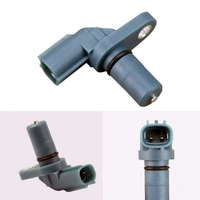
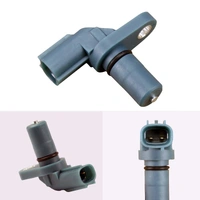
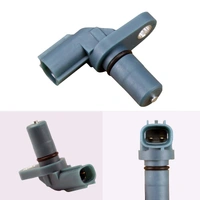
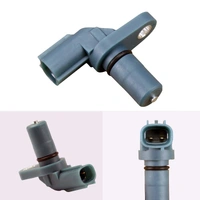
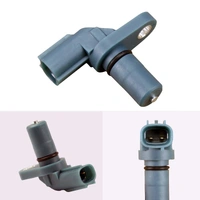
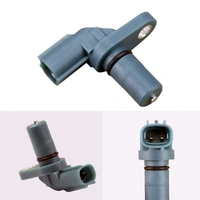
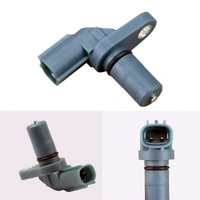
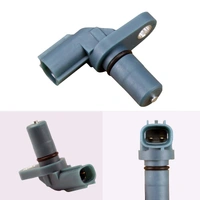
Shop OEM replacement transmission speed sensors for Toyota, Holden, Ford, Mitsubishi, Nissan and more. Matched to OEM specifications for correct gear shift and speedometer operation. Use the Vehicle Part Finder to confirm fitment.
$138.30 RRP $147.97
$138.30 RRP $147.97
$138.30 RRP $147.97
$138.30 RRP $147.97
$138.30 RRP $147.97
$138.30 RRP $147.97
$138.30 RRP $147.97
$138.30 RRP $147.97
The transmission speed sensor (also called the vehicle speed sensor or output shaft sensor) monitors the rotational speed of the transmission output shaft. This data is sent to the ECU and transmission control module (TCM) to calculate vehicle speed, manage gear change timing, and control torque converter lockup. The speedometer, cruise control, ABS, and stability control systems all rely on transmission speed sensor data to operate correctly.
A faulty transmission speed sensor disrupts gear change timing and vehicle speed calculations. Common symptoms include:
Transmission speed sensors vary in sensor technology, connector type, and mounting position between automatic and manual transmissions and between manufacturers. Every sensor in our range is matched to OEM specifications. Use the Vehicle Part Finder to confirm fitment before ordering.
SensorGal is a 100% Australian owned family business stocking aftermarket OEM replacement transmission speed sensors for Toyota, Holden, Ford, Mitsubishi, Nissan, Hyundai and more. Orders placed before 12 noon are dispatched same day from our Cranbourne VIC warehouse via express post. All parts carry a 1-Year Australian warranty and our no-fuss returns policy.
The transmission speed sensor (also called the vehicle speed sensor or output shaft speed sensor) monitors the rotational speed of the transmission output shaft and sends this data to the ECU and transmission control module (TCM). The ECU uses this information to calculate vehicle speed, manage gear change timing, control torque converter lockup, and operate the speedometer, cruise control, ABS, and stability control systems.
Common symptoms include harsh or erratic gear changes as the TCM cannot determine the correct shift points, the speedometer reading incorrectly or not at all, cruise control failing to engage or cutting out unexpectedly, the transmission entering limp mode or staying stuck in a fixed gear, ABS or traction control warning lights, and a Check Engine or transmission warning light with speed sensor fault codes.
Many modern automatic transmissions use two speed sensors - an input shaft speed sensor that reads turbine speed inside the transmission, and an output shaft speed sensor that reads the final drive speed. The TCM uses both readings to calculate gear ratios and monitor slip. A fault code will specify which sensor has failed. Some vehicles also have a separate vehicle speed sensor mounted on the differential or gearbox tailshaft.
Yes - indirectly. Without correct speed data the TCM cannot manage shift timing, torque converter lockup, and line pressure correctly. Prolonged operation with incorrect speed data can cause premature clutch wear from incorrect shift timing and overheating from poor torque converter management. Limp mode is typically triggered to protect the transmission, but operating in limp mode long-term is also hard on the gearbox.
Yes on many vehicles the speedometer is driven by the transmission output speed sensor signal. If this sensor fails the speedometer may read zero, read incorrectly, or fluctuate erratically. On vehicles where the speedometer is driven mechanically by a cable, a speed sensor fault will not directly affect the gauge reading. Modern vehicles almost universally use electronic speed sensors feeding a digital instrument cluster.
No - transmission speed sensors are passive sensors requiring no programming. They are direct plug-in replacements. Clear stored fault codes with an OBD2 scanner after fitting the new sensor. On some vehicles with adaptive transmission control the TCM may require a short adaptation period over several drive cycles to relearn shift quality with the new sensor data. If shift quality is poor immediately after replacement allow several hundred kilometres of normal driving before further investigation.