63% OFF
$127.95 RRP $347.99
Save $220.04
Shop OEM replacement EGR valves for Toyota, Holden, Ford, Mitsubishi, Nissan and more. Every valve matched to OEM specifications for correct exhaust gas recirculation and emissions compliance. Use the Vehicle Part Finder to confirm fitment.
$127.95 RRP $347.99
$127.95 RRP $347.99
$157.95 RRP $347.99
$127.95 RRP $347.99
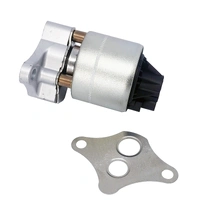
LHE1550AC EGR Valve for Jaguar XJ6 XJR VandenPlas 1995 to 1997
SKU: FEGR144A_LHE1550AC
$127.95 RRP $347.99
The exhaust gas recirculation (EGR) valve recirculates a controlled portion of exhaust gases back into the engine's intake manifold. This dilutes the incoming air-fuel mixture and lowers combustion temperatures, which reduces the formation of nitrogen oxide (NOx) emissions. The valve is operated by the engine control unit (ECU) and opens and closes based on engine load, temperature, and speed. EGR systems are fitted to most petrol and diesel engines built after the mid-1990s to meet emissions regulations.
EGR valves commonly fail in one of two ways - stuck open or stuck closed - and each produces different symptoms. Common signs of a faulty EGR valve include:
EGR valves are also prone to carbon buildup from exhaust soot, which can cause the valve to stick in a partially open or closed position. In some cases cleaning the valve restores operation, but heavily fouled or electrically failed valves require replacement.
EGR valves vary significantly between petrol and diesel applications, and between manufacturers. Valve type (pneumatic, electronic, or digital stepper motor), connector configuration, flow rate, and mounting pattern all differ between vehicles. Fitting an incorrect valve will produce incorrect exhaust flow and can trigger fault codes or fail an emissions test. Every valve in our range is matched to OEM specifications and cross-referenced against factory part numbers. Use the Vehicle Part Finder to confirm the correct part for your vehicle before ordering.
SensorGal is a 100% Australian owned family business supplying aftermarket OEM replacement EGR valves for Toyota, Holden, Ford, Mitsubishi, Nissan, Hyundai, Kia, BMW, Mazda, Subaru, Mercedes-Benz and Suzuki. Orders placed before 12 noon are dispatched same day from our Cranbourne VIC warehouse via express post. All parts carry a 1-Year Australian warranty and our no-fuss returns policy.
The exhaust gas recirculation (EGR) valve recirculates a controlled portion of exhaust gases back into the engine intake manifold. This reduces combustion temperatures and lowers nitrogen oxide (NOx) emissions. The ECU controls when and how much the valve opens based on engine load, speed, and temperature. EGR systems are fitted to most petrol and diesel engines built after the mid-1990s to meet emissions regulations.
Symptoms depend on whether the valve is stuck open or closed. A valve stuck open causes rough idle, engine surging, and poor low-speed performance. A valve stuck closed causes engine knocking under load, increased emissions, and a failed emissions test. Both conditions typically trigger a Check Engine light with codes P0400 to P0409. Carbon buildup causing a partially stuck valve can produce a combination of symptoms.
Yes - if the valve is stuck due to carbon buildup rather than electrical or mechanical failure, cleaning with EGR cleaner spray or soaking in a carbon remover can restore operation. Remove the valve and inspect the pintle and seat for carbon deposits. However if the valve solenoid has failed, the valve body is cracked, or the seat is damaged, cleaning will not restore correct operation and replacement is required.
A faulty EGR valve will not immediately damage the engine in most cases, but continued driving with a stuck-open valve causes rough running and poor fuel economy, and a stuck-closed valve allows higher combustion temperatures that can accelerate wear. The vehicle will also fail an emissions test. Replace the valve promptly to restore normal engine operation and emissions compliance.
The most common cause is carbon buildup from exhaust soot gradually coating the valve seat and pintle until the valve can no longer open or close fully. Electrical failure of the solenoid or stepper motor is also common, particularly on high-mileage vehicles. Diesel engines are more prone to EGR carbon fouling due to higher soot content in exhaust gases. Regular servicing and quality fuel reduce the rate of buildup.
Clear stored fault codes with an OBD2 scanner after replacing the valve. Some vehicles, particularly European makes, also require an EGR adaptation reset using a scan tool to allow the ECU to relearn the valve operating range. Without this reset the ECU may continue to apply old correction values and the fault codes may return. Check your vehicle service documentation for the specific procedure.