
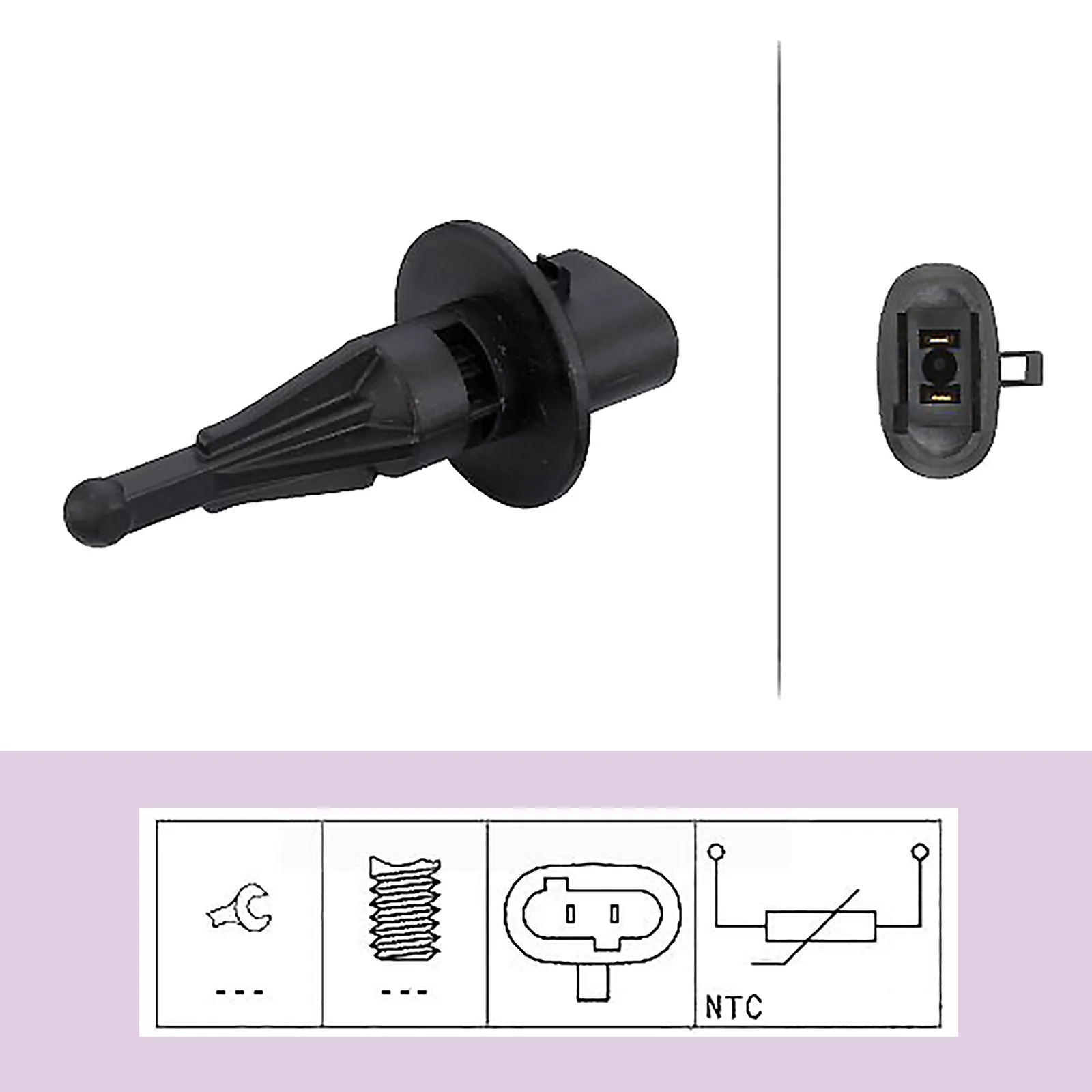
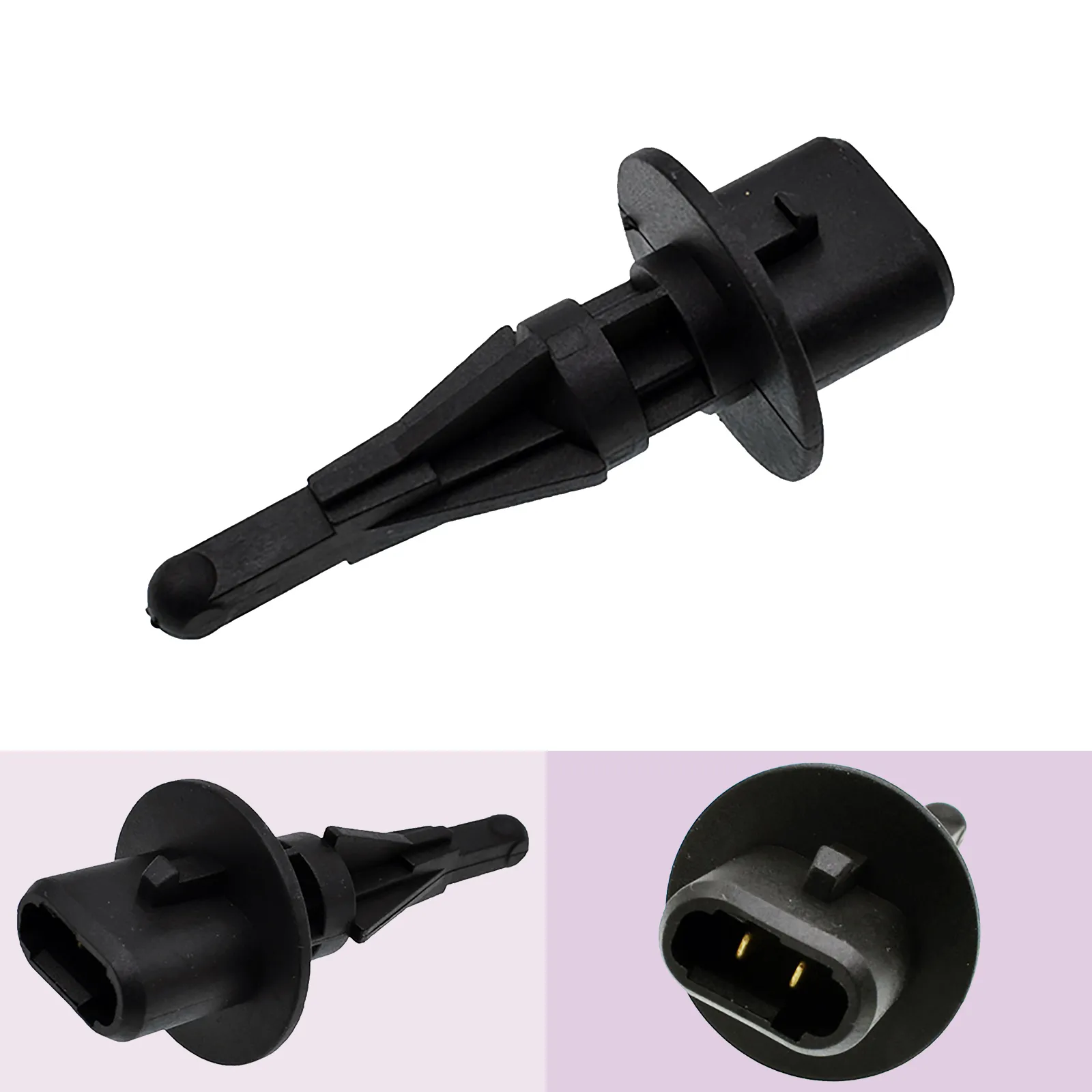
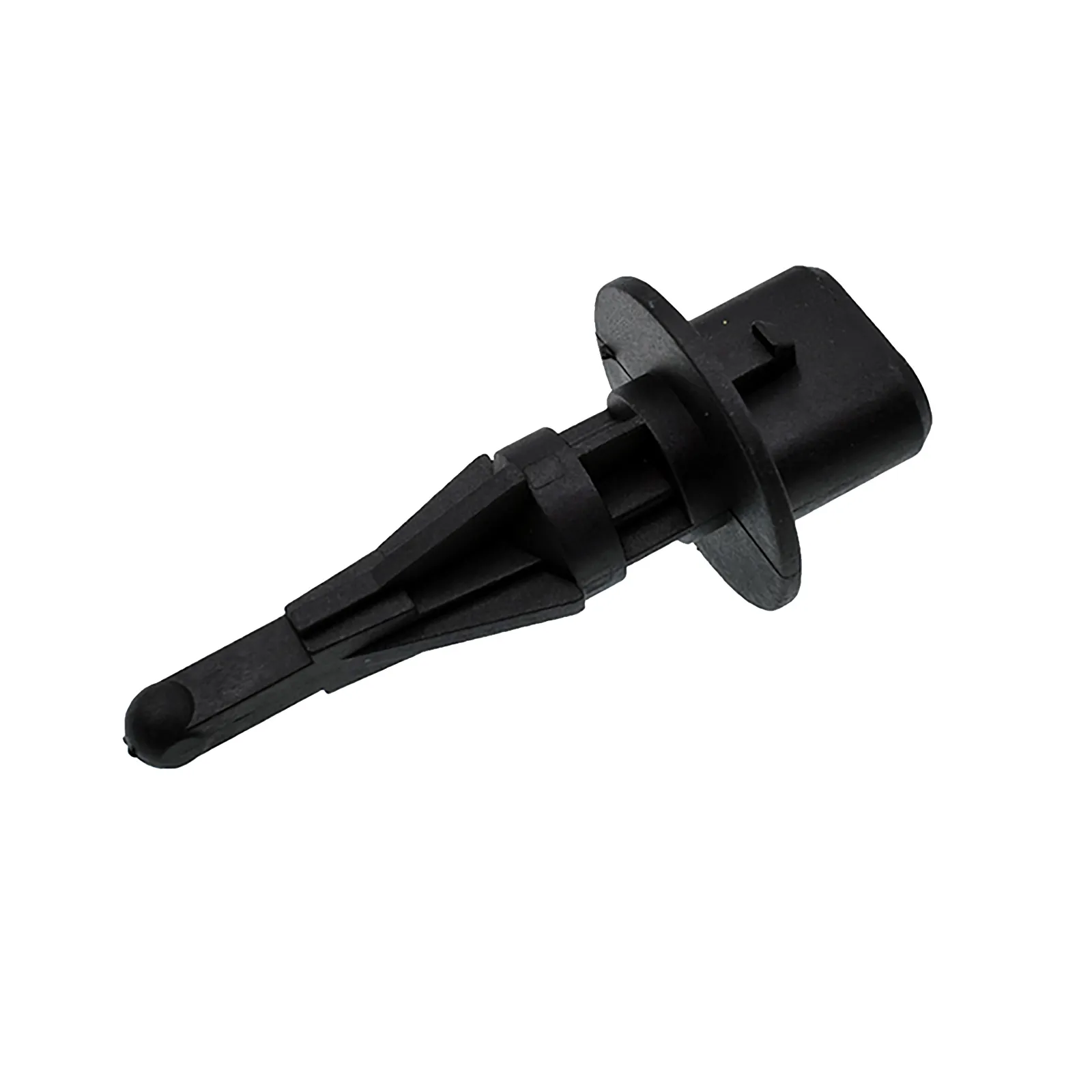
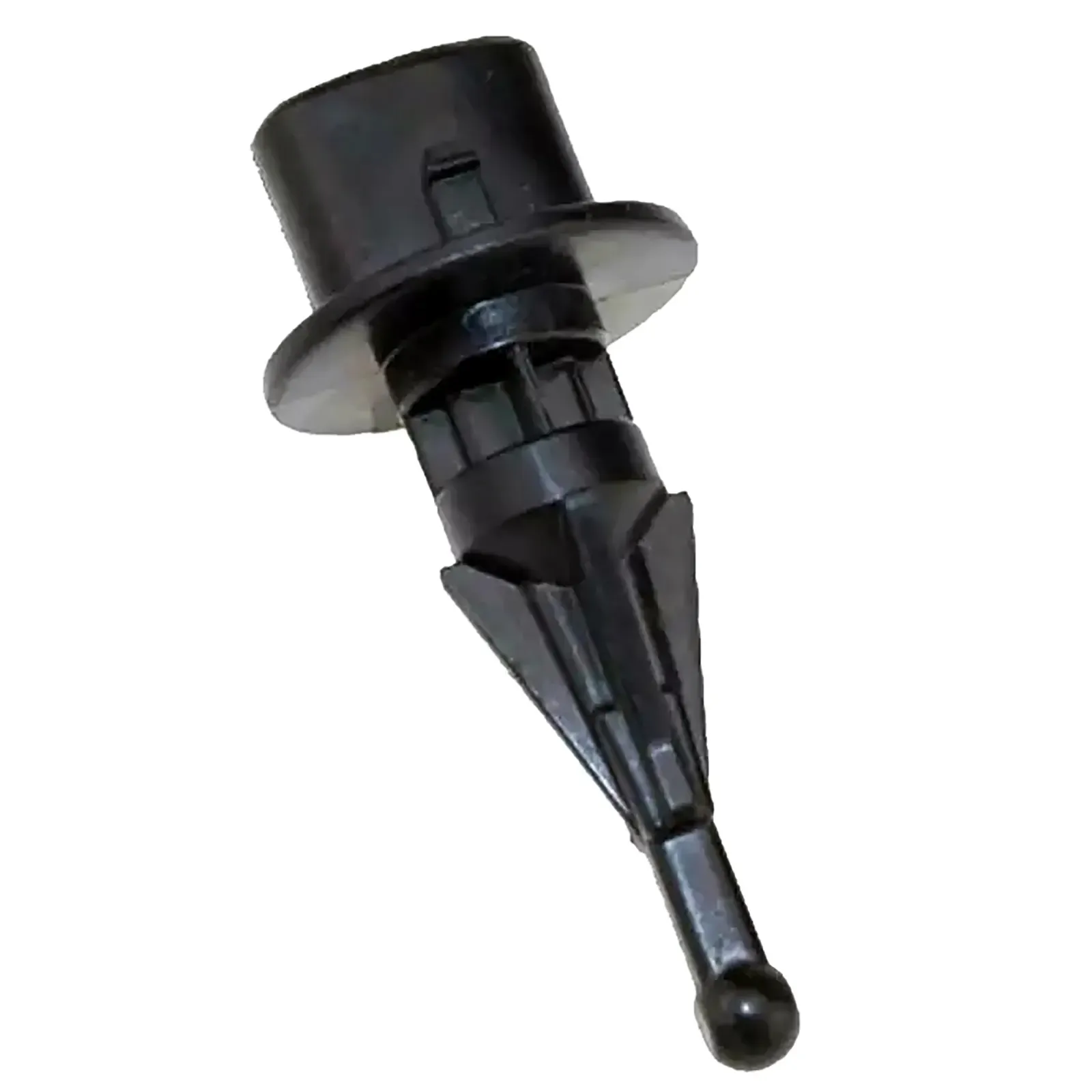
Air Temperature Sensor for Suzuki Grand Vitara G16B J20A H25A H27A 4CYL and V6
Air Temperature Sensor for Grand Vitara G16B J20A H25A
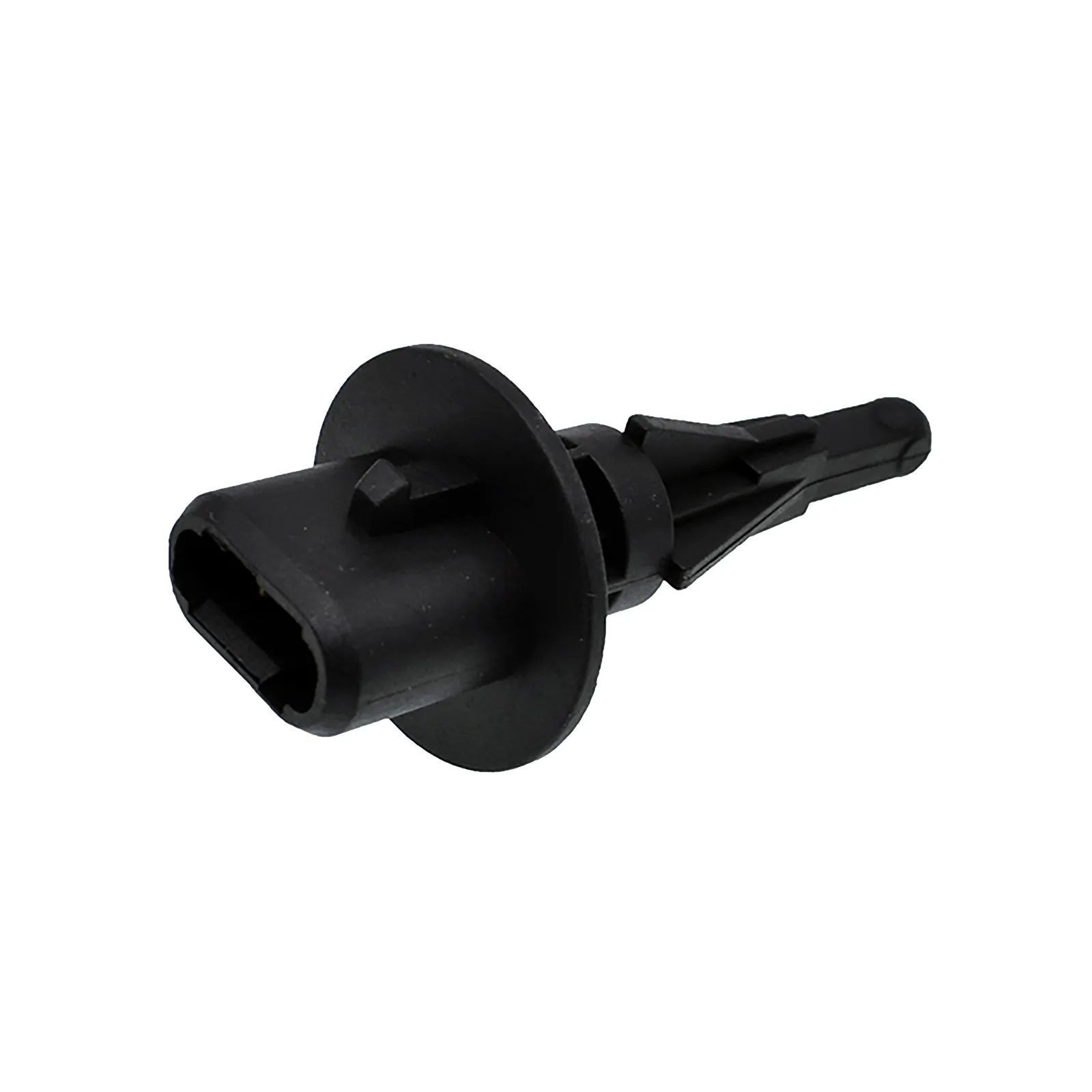
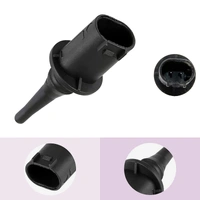
BRAND NEW OEM Quality INTAKE AIR TEMPERATURE SENSOR TO SUIT SUZUKI BALENO GRAND VITARA JIMNY LIANA SWIFT VITARA AND MORE
TO SUIT:
OEM# 1365084M00, 1365052G00, 1365060G00, 1365052600
PACKAGE INCLUDES:
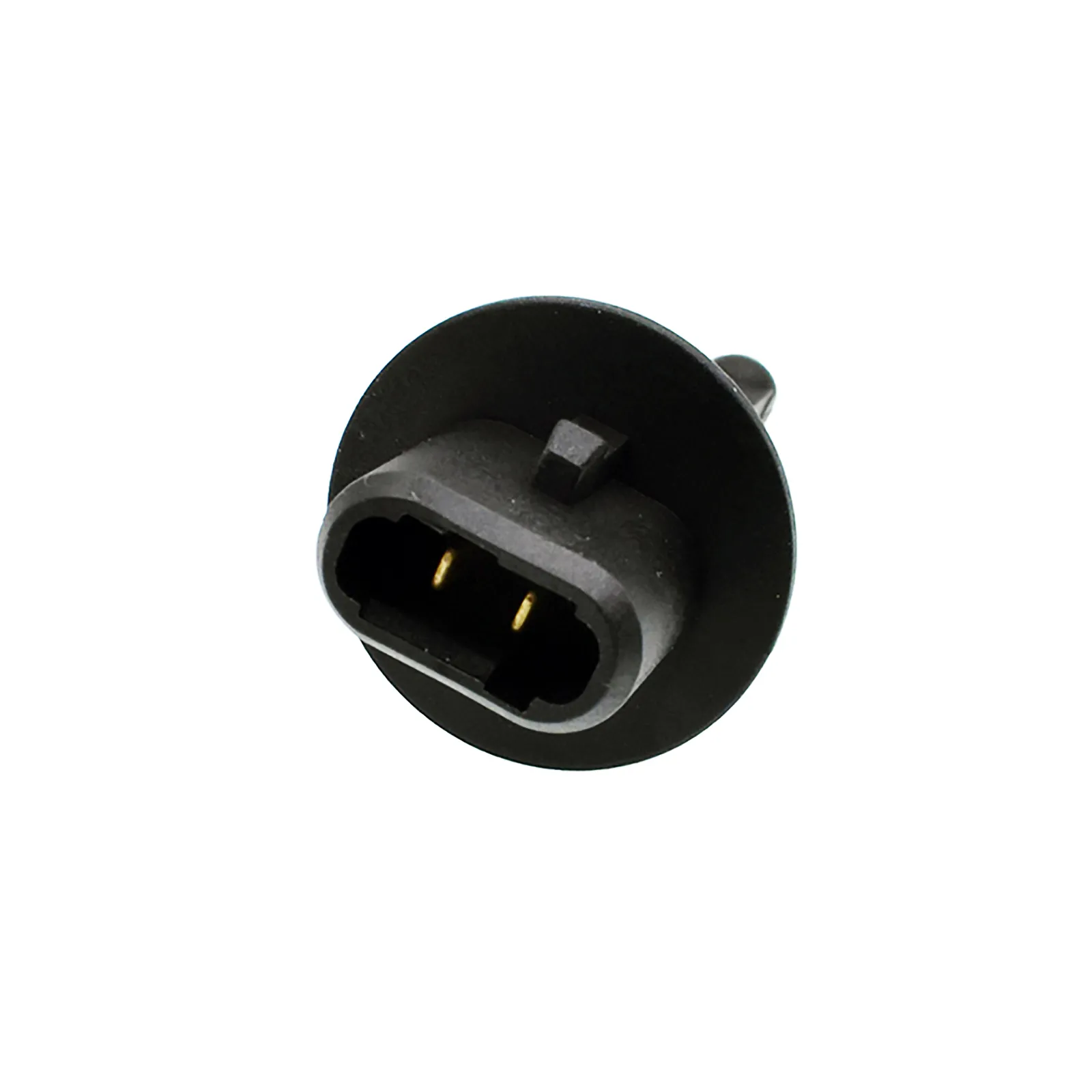
1 X OEM Quality INTAKE AIR TEMPERATURE SENSOR (2 PIN PLUG).
The intake air temperature sensor measures the temperature of the air entering the engine and sends this information to the engine control unit (ECU). This data helps the ECU adjust the air-fuel mixture to ensure optimal combustion. The sensor is usually located near the intake manifold or air intake duct.
If the intake air temperature sensor fails or malfunctions, it can lead to issues such as poor fuel efficiency, rough idling, or even engine performance problems.
- [1995-2001] SUZUKI BALENO EG SY416 / SY418 (G16B & J18A Engines)
- [1995-2008] SUZUKI VITARA & GRAND VITARA FT JT ET (G16B J20A H25A H27A 4cyl & V6 Engines) check image
- [1998-2001] SUZUKI JIMNY FJ SN413 1.3L G13BB Engines
- [2001-2007] SUZUKI LIANA ER (RH416 / RH418) M16A M18A Engines
- [1999-2005] SUZUKI CARRY DA32 1.3L G13BB Engines
- [1999-2005] SUZUKI IGNIS FH (RG413 / RG415) M13A & M15A Engines
- [1999-2005] SUZUKI XL-7 HT JA627 2.7L H27A Engines
| Identification | |
|---|---|
| SKU | CAT010-5-1 |
| Brand | Aftermarket OEM Replacement |
| Part Numbers | |
| Part Number | CAT010 |
| Reference OEM Number | 1365052600 |
| Other OEM Numbers | 1365052600, 1365052G00, 1365060G00, 1365084M00 |
| Related Part Numbers | AT314, ATS-019, ATS1013 |
| Trade Part Numbers | DELPHI: TS10029, VEMO: V70-72-0006 |
| Product Specifics | |
| Sensor Type | Intake Air Temperature Sensor |
| Type | Sensor |
| Features | Direct Fit |
| Manufacturer Warranty | 1 Year |
| Make | SUZUKI |
| Upc | 9314258139940 |
| Number of pins | 2 -pin connector |
| Connector Shape | oval |
| Socket colour | Black |
| Mounting Type | Pressed |
| Shipping & Dimensions | |
| Shipping Weight | 0.5000 kg |
| Shipping Width | 0.160 m |
| Shipping Height | 0.030 m |
| Shipping Length | 0.230 m |
| Other Details | |
| Note | CHECK IMAGES. CONFIRM WITH OEM NUMBER. |
| Unit Of Measure | ea |
What does an ABS wheel speed sensor do?
The ABS wheel speed sensor monitors the rotational speed of each wheel and sends this data to the ABS control module. The module uses speed data from all four wheels to detect when a wheel is locking up during braking and rapidly modulates brake pressure to restore rolling traction and maintain steering control. Wheel speed sensors also provide data to traction control, stability control, and cruise control systems - making them among the most safety-critical sensors on the vehicle.
What are the symptoms of a failing ABS wheel speed sensor?
Common symptoms include the ABS warning light on the dashboard, traction control or stability control warning lights, ABS activating during normal braking on dry roads as the module receives incorrect speed data, the speedometer reading incorrectly or not at all on some vehicles, and cruise control not engaging. Fault codes stored in the ABS module will identify which wheel position has the faulty sensor.
Can I drive with an ABS warning light on?
You can drive but with caution - the standard braking system will continue to work normally without ABS. However in an emergency stop on a slippery surface, the wheels may lock and you will lose steering control without ABS assistance. Traction control and stability control will also be disabled on most vehicles when the ABS warning light is on. Replace the faulty sensor as soon as possible to restore full braking system function.
How do I identify which wheel speed sensor has failed?
An OBD2 scanner with ABS module access will display fault codes specifying the exact wheel position - left front, right front, left rear, or right rear. Without a scanner you can sometimes identify a faulty sensor by inspecting the sensor and reluctor ring (the toothed ring the sensor reads) for damage, corrosion, or debris. The sensor air gap can also be checked with a feeler gauge on passive inductive sensors.
What is the difference between a passive and an active ABS wheel speed sensor?
A passive (inductive) sensor generates its own voltage signal by detecting changes in a magnetic field as the toothed reluctor ring passes it. It has two wires and requires no power supply. An active (Hall effect) sensor requires a power supply and produces a digital on/off square wave signal. Active sensors are more accurate at low speeds and are used on most vehicles from the 2000s onward. The two types are not interchangeable - use the Vehicle Part Finder to confirm the correct sensor type for your vehicle.
Can a damaged reluctor ring cause ABS faults?
Yes. The reluctor ring is the toothed ring that the ABS sensor reads - typically pressed onto the wheel hub, CV shaft, or brake disc. If the ring is cracked, has missing teeth, or is heavily corroded, it will produce an inconsistent signal that the ABS module interprets as a wheel speed fault. The fault code may point to the sensor but the actual cause is the reluctor ring. Always inspect the reluctor ring when diagnosing ABS wheel speed sensor faults.
Be The First To Review This Product!
Help other SENSORGAL LTD. users shop smarter by writing reviews for products you have purchased.
More From This Category
$35.45 RRP $75.07
$69.97 RRP $97.99
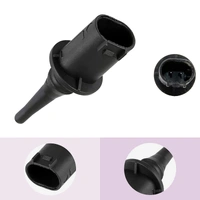
Ambient Air Temperature Sensor for Mercedes M-Class W163 W164 W166
SKU: ATS033-MClass
$69.97 RRP $97.99
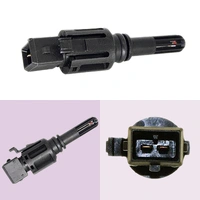
$49.45 RRP $76.79
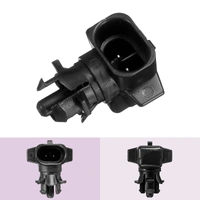
$49.05 RRP $77.99
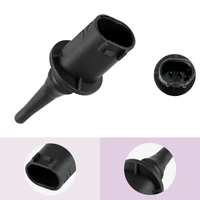
$69.97 RRP $97.99
$69.97 RRP $97.99

$83.97 RRP $157.99